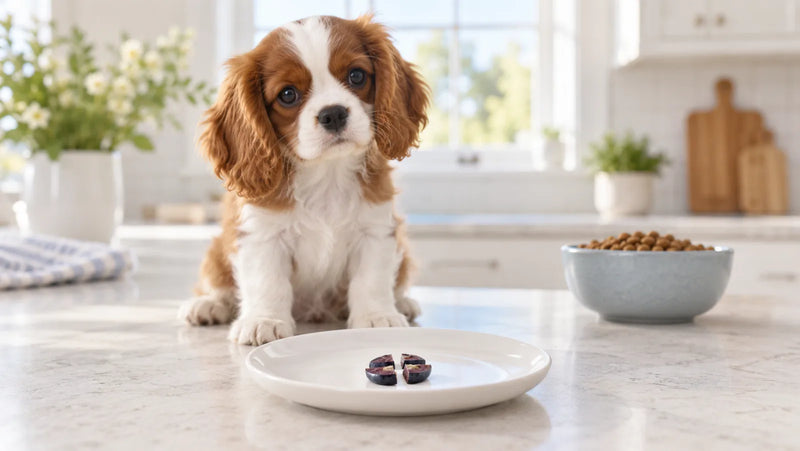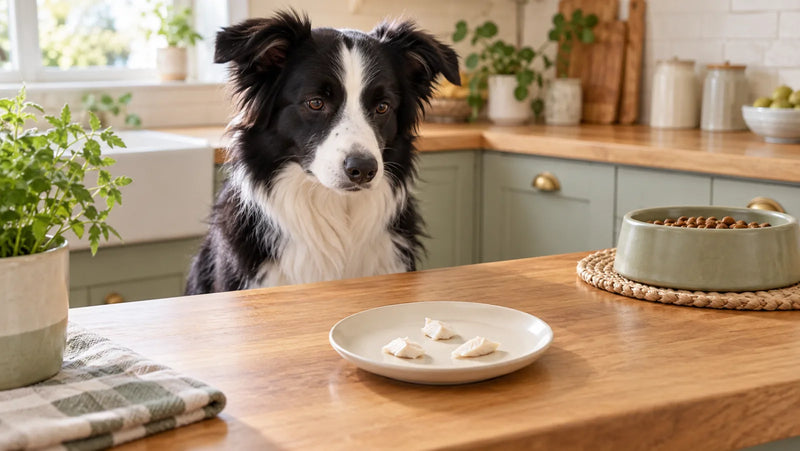

Can dogs eat pumpkin pie? No—dogs should not eat this dessert. The pumpkin itself is not the problem: pie adds sugar, dairy, fat, crust, and spices, and some sugar-free recipes may contain xylitol. A small lick of an ordinary pie is not automatically a poisoning emergency, but pumpkin pie is still a poor dog treat and there is no reason to serve it on purpose.
Urgent: If the pie contains xylitol—or the recipe, label, or sweetener is unknown—call your veterinarian, an emergency veterinary hospital, or the ASPCA Animal Poison Control Center at 888-426-4435 immediately. The service is available 24 hours a day, a consultation fee may apply, and you should not wait for symptoms. Do not induce vomiting unless a veterinarian or poison-control professional specifically directs you.
Can dogs eat pumpkin pie? No—plain pumpkin is different
Pumpkin pie and plain pumpkin are different foods. A pie filling usually combines pumpkin with sugar, milk or cream, eggs, butter or other fat, and a pumpkin-spice blend. The crust adds more flour, salt, and fat. Whipped topping, caramel, ice cream, or a sugar substitute can add another layer of ingredients.
By contrast, 100% plain pumpkin puree contains pumpkin and nothing else. It has no pie spices, added sweetener, dairy, or buttery crust. If plain pumpkin suits your dog's normal diet, a small measured spoonful may be an occasional extra. Our complete guide to pumpkin for dogs explains forms, portions, and situations in which a veterinarian should make the decision.
Pumpkin pie vs. plain pumpkin at a glance
| Food | What it commonly contains | Dog-safe choice? |
|---|---|---|
| Pumpkin pie | Sugar, dairy, fat, crust, salt, and spices | No—keep it for people |
| Pumpkin pie filling or mix | Pumpkin plus sweetener and seasonings; formulas vary | No—read the label after accidental ingestion |
| 100% plain pumpkin puree | Pumpkin only | Potentially, in a small amount when it fits the dog's diet |
| Plain cooked pumpkin | Unseasoned pumpkin flesh | Potentially, served soft and in a small portion |
The word pumpkin on the front of a can does not settle the question. Turn the container around and read the ingredient list. “Pumpkin” as the only ingredient is fundamentally different from “pumpkin pie mix,” which is prepared for a human dessert.
Why pumpkin pie is a poor choice for dogs
Sugar and dairy can upset the stomach
Added sugar offers no useful reason to feed pie to a dog. It increases the calorie load and can crowd out complete-and-balanced food when rich table foods become a habit. Dogs with diabetes, weight-management needs, or a prescription diet need especially careful guidance from their veterinarian rather than a holiday exception.
Milk, cream, evaporated milk, whipped topping, and ice cream can also cause gas, loose stool, or vomiting in dogs that do not tolerate dairy well. Not every dog is lactose-intolerant, and dairy is not a universal poison. The practical point is simpler: combining dairy, sugar, fat, and an unfamiliar dessert makes digestive upset more likely than offering plain food.
Butter, shortening, and a rich crust add a fat concern
Pie filling and crust can be rich in butter, cream, shortening, or oil. A stolen crumb does not guarantee pancreatitis, but a large fatty meal can trigger pancreatitis in some dogs. The VCA overview of pancreatitis in dogs notes that the cause is often unknown, though a fatty meal may be a trigger in some cases.
This is why the dog's history matters. A dog with prior pancreatitis, gastrointestinal disease, diabetes, obesity, a therapeutic low-fat diet, or instructions to avoid table food has a lower threshold for a veterinary call. Do not use an internet portion chart to override an individual medical plan.
Nutmeg is a dose-dependent toxicology concern
Nutmeg contains myristicin. Large ingestions can cause vomiting, dry mouth, agitation or disorientation, an abnormal heart rate, difficulty walking, tremors, hallucination-like behavior, or seizures. The ASPCA's pumpkin-spice safety guidance identifies these concerns after substantial exposure.
Accuracy matters: the small amount of nutmeg dispersed through a normal pie recipe is unlikely to cause serious nutmeg poisoning from one tiny taste. That is not permission to feed pie. Concern rises when a dog eats a large portion, raids a container of ground nutmeg, consumes a concentrated spice product, or develops neurologic or cardiovascular signs.
Clove is an unnecessary spice, but ordinary baking amounts are not the main risk
Pumpkin-spice blends may also contain cinnamon, ginger, cloves, and allspice. These seasonings are not needed in a dog's food, and concentrated powders or essential oils are very different from the small amounts diluted through a baked dessert. Do not claim that a trace of clove in a recipe guarantees poisoning; instead, keep spiced foods and all concentrated spice or oil products out of reach and report the exact product if exposure occurs.
The AKC guide to pumpkin spice and dogs likewise recommends skipping pumpkin pie because the finished dessert brings together spices, sugar, fat, and dairy—not because plain pumpkin is inherently unsafe.
Some sugar-free pies may contain xylitol
Xylitol is not present in every pumpkin pie. It is a conditional but urgent concern in some sugar-free, reduced-sugar, low-carb, or homemade recipes. On a label it may also appear as birch sugar, wood sugar, or birch bark extract.
The FDA warns that xylitol is toxic to dogs and may be used in sugar-free desserts and baked goods. It can cause a rapid, dangerous drop in blood sugar and may lead to liver failure or bleeding problems. If xylitol is listed, possibly used, or impossible to rule out, treat the ingestion as urgent even when the dog still looks normal.

My dog ate pumpkin pie: what should I do?
1. Move the pie and keep the package or recipe
Prevent a second serving. Save the ingredient label, bakery box, recipe, sweetener package, and any remaining pie. If the dessert is homemade, ask the baker exactly which sweetener and spice products were used. “Sugar-free” is not enough information by itself.
2. Treat suspected xylitol as urgent
Do not calculate a home “safe dose.” Call a veterinarian, emergency hospital, or animal poison-control service immediately if the product contains xylitol, could contain it, or has an unknown sweetener. Have the package in hand during the call.
3. Gather the facts before calling
- the dog's weight, age, health conditions, and current medications;
- the exact product or recipe and every topping;
- whether it was ordinary, sugar-free, low-carb, vegan, or homemade;
- the amount missing and the maximum amount the dog could have eaten;
- the time of ingestion; and
- any vomiting, diarrhea, weakness, pain, wobbliness, tremors, or behavior change.
4. Call for a large, unknown, or symptomatic exposure
Call promptly if a small dog ate a meaningful slice, the amount is unknown, the dog has a history of pancreatitis or another relevant condition, concentrated nutmeg or spice was involved, or any symptoms appear. Go directly to an emergency hospital for collapse, seizures, severe weakness, repeated vomiting, a swollen or painful abdomen, trouble breathing, or inability to stand.
5. Do not induce vomiting unless directed
Do not give hydrogen peroxide, salt, mustard, oil, milk, activated charcoal, or another home remedy unless a veterinary professional who has assessed this exact case instructs you. The right response depends on the ingredients, time, amount, dog, and symptoms; an improvised remedy can create another problem or delay effective care.
Warning signs after a dog eats pumpkin pie
Possible signs range from mild digestive upset to urgent toxicology or pancreatic symptoms. Watch for:
- vomiting, diarrhea, gas, drooling, or loss of appetite;
- abdominal pain, a hunched posture, restlessness, or reluctance to move;
- unusual sleepiness, weakness, wobbliness, shaking, or collapse;
- disorientation, agitation, abnormal behavior, tremors, or seizures; and
- repeated vomiting, inability to keep water down, or worsening discomfort.
These signs do not identify one ingredient at home, and a normal first hour does not clear a possible xylitol exposure. Follow the monitoring and treatment plan given by the veterinarian or poison-control professional, and call back if the condition changes.
Is one bite of pumpkin pie an emergency?
A tiny taste of ordinary pumpkin pie in a healthy dog is more likely to cause no sign or short-lived stomach upset than severe poisoning. It is still important to check the recipe. The answer changes quickly if the pie contains xylitol, the dog ate a large amount, a spice container was involved, the dog is very small, there is a relevant medical history, or symptoms begin.
There is no universal “one bite is safe” promise because bite size, recipe, dog size, and health history differ. When you are uncertain, a phone call with the actual facts is safer than guessing. Do not wait for dramatic signs after a known xylitol exposure.
The safer alternative: 100% plain pumpkin
Choose puree, not pumpkin pie filling
Look for an ingredient list that says only pumpkin. Avoid pumpkin pie filling, pie mix, sweetened puree, pumpkin-spice syrup, and leftovers mixed with butter, salt, sugar, cream, or sweetener. Fresh pumpkin can also be cooked until soft and served plain, with the hard skin, stem, and large chunks removed.
For a fuller label comparison, storage advice, and portion guidance, see how to choose plain pumpkin puree for dogs. If a veterinarian has recommended pumpkin for a digestive concern, follow that individual plan rather than treating puree as a universal remedy.
Keep the serving small and count it as a treat
A small spoonful is enough to make plain pumpkin feel special; more is not automatically better. Introduce it slowly, especially to a puppy or a dog with a sensitive stomach. Pumpkin and all other extras should remain a small part of the daily calorie budget so complete-and-balanced food still supplies the dog's essential nutrition.
Dogs with diabetes, pancreatitis, chronic digestive disease, food allergies, kidney disease, or a prescription diet should get veterinary guidance before a new extra is added. Stop and call if the dog develops persistent vomiting, diarrhea, pain, weakness, or another concerning sign.
Build a dog-safe Thanksgiving plate without pie
The best holiday plan is to decide the dog's portion before guests arrive. Use only familiar, unseasoned foods that already fit the dog's diet, keep cooked bones and rich gravy away, and ask guests not to feed from their plates. Our guide to Thanksgiving foods dogs can eat separates plain options from common holiday hazards.
Place desserts, sweetener packages, spice jars, and trash behind a closed door or in a dog-proof container. A clean counter may not be high enough for a determined dog. Give the dog a familiar activity or measured reward away from the serving table so “joining the celebration” does not depend on human pie.
Frequently asked questions
Is canned pumpkin pie filling any safer?
No. Pumpkin pie filling or mix is formulated as dessert filling and commonly includes sugar and spices; some versions also include dairy or other ingredients. Use only 100% plain pumpkin puree when pumpkin is appropriate for the dog, and check the ingredient panel rather than relying on the front label.
Is nutmeg in pumpkin pie poisonous to dogs?
Nutmeg can be toxic in large amounts because it contains myristicin. The small quantity distributed through an ordinary recipe is unlikely to cause serious nutmeg poisoning from a tiny taste, but pie should still not be fed. Call if the amount is large or unknown, a dog accessed ground nutmeg directly, or abnormal signs appear.
What if the pie was sugar-free?
Read the label or recipe immediately. If xylitol—or a name such as birch sugar or wood sugar—is present or cannot be ruled out, contact a veterinarian, emergency hospital, or animal poison-control service right away. Do not wait for weakness, wobbliness, collapse, or seizures.
Can dogs eat pumpkin pie crust?
Pie crust is not a good dog treat. A small crumb is not usually toxic, but crust is commonly rich in butter or shortening and may contain salt, sugar, or other additions. A large amount can cause digestive upset and may contribute to pancreatitis risk in susceptible dogs.
How do I identify 100% plain pumpkin?
Many dogs can have a small amount of canned pumpkin when the ingredient list contains only pumpkin and it fits their diet. Plain pumpkin is different from pie filling. Ask a veterinarian before using it for a medical symptom or giving it to a dog with a health condition or therapeutic diet.
Keep the pie for people and offer a measured dog treat
The useful rule is easy to remember: pumpkin pie is a rich, spiced human dessert; plain pumpkin is a separate food. Skip the pie, verify every sweetener after an accidental ingestion, and call promptly for xylitol, large or unknown amounts, concentrated spices, or symptoms.
If you want a labeled, portionable reward instead of sharing dessert, browse all current American Paws dog treats and choose an ingredient and texture that already suit your dog. A holiday treat should support the celebration—not replace veterinary advice, a balanced diet, or urgent care when it is needed.