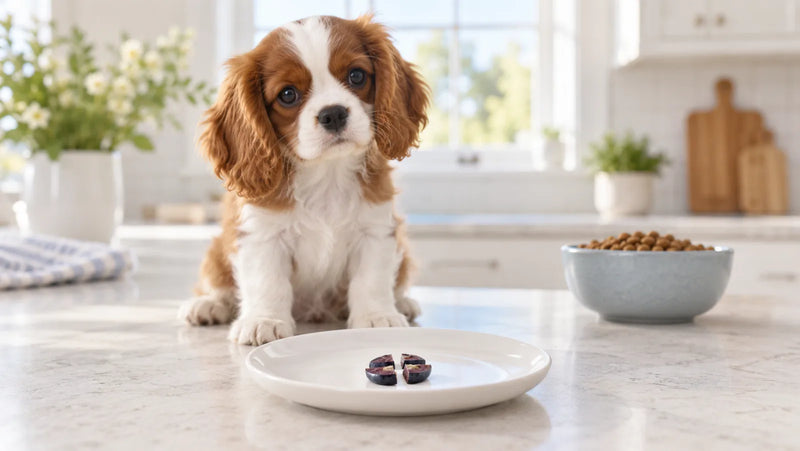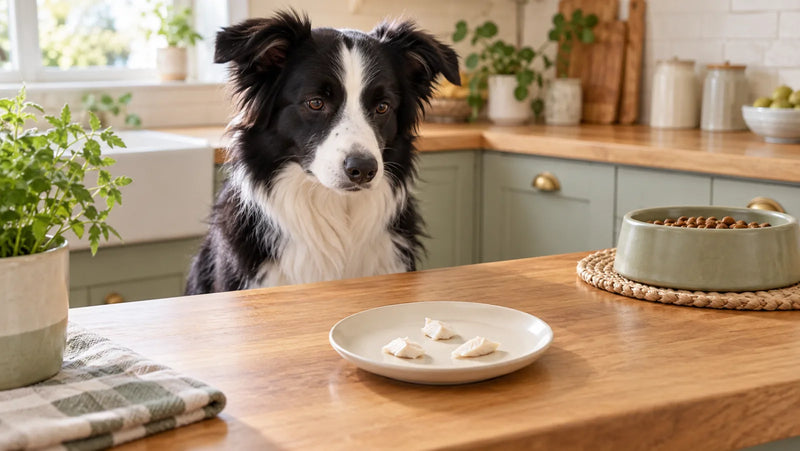

Can dogs eat garlic? No—dogs should not be intentionally fed garlic in any form, and garlic is not a proven natural flea cure. Garlic is a concentrated member of the Allium family that can oxidatively damage red blood cells. Because the most serious anemia signs may be delayed for days, call after known or suspected exposure instead of waiting for a dog to look sick.
Contact your veterinarian, an emergency veterinary clinic, or ASPCA Animal Poison Control at (888) 426-4435. The service is available 24 hours a day, 365 days a year, and a consultation fee may apply. Pale or yellow gums, rapid or difficult breathing, profound weakness, collapse, or red-to-brown urine require immediate emergency transport.
Do not induce vomiting or give hydrogen peroxide, charcoal, salt, milk, oil, food, or another supposed antidote unless the veterinarian or poison-control professional directs it for this dog and exposure. Save the package or recipe and report the greatest amount that could be missing.
Can Dogs Eat Garlic? No—Do Not Use It as Food or Medicine
Garlic does not belong in a dog's meal, dog treat, supplement routine, or flea-control plan. That rule includes raw cloves, cooked or roasted garlic, minced garlic, paste, powder, flakes, granules, extracts, capsules, garlic bread, sauces, seasoned meat, soup, broth, and foods cooked with garlic. Removing visible pieces does not remove garlic already mixed through the food.
The ASPCA's garlic toxicology page lists garlic as toxic to dogs and identifies N-propyl disulfide as a toxic principle. It names vomiting, red-cell breakdown, blood-colored urine, weakness, a high heart rate, and panting among the possible clinical signs.
That warning should be serious without becoming theatrical. A trace of seasoning residue is a different exposure from several missing cloves, a spoonful of concentrated powder, supplement tablets, or repeat access. A tiny residue is less likely to create an acute poisoning crisis than those higher-concentration events, but that relative difference is not a feeding recommendation or a reason to skip professional triage. The form, concentration, maximum possible amount, time, repeat exposure, dog size, breed, and health all matter.
For the category-level list and one response plan across kitchen hazards, use our complete toxic-food guide for dogs. This page owns the garlic question, including concentrated forms and the flea-remedy myth.
Garlic Is More Concentrated Than Onion
Garlic and onion are both Alliums, but they are not interchangeable ingredients. The Merck Veterinary Manual's Allium toxicosis review says garlic is about three to five times more toxic than onion by weight. In practical terms, a smaller-looking amount of garlic can represent more Allium risk than the same weight of onion.
Do not turn that comparison into kitchen arithmetic. It does not tell an owner how many grams, cloves, shakes of powder, or bites of garlic bread are safe. Products vary, actual amounts are often uncertain, concentrated forms fit more material into a small volume, and dogs differ. “More concentrated than onion” is a reason to identify and report the exposure accurately—not a home dose calculator.
Why no home “safe dose” appears in this guide
A published toxicology amount describes a particular form, study, case, or observed outcome. It is not a universal clearance line for a different recipe and dog. The owner may not know how much garlic was in a restaurant sauce, whether a seasoning blend used powder or extract, how many servings were accessible, or whether the dog reached the food more than once.
Call with a worst-case estimate rather than choosing the smallest reassuring guess. The professional can combine the product, time, amount range, dog weight, health history, and current signs to decide whether the event needs examination, testing, treatment, or case-specific observation.
A trace of seasoning is not permission to feed garlic
Sometimes the only exposure is a lick of sauce or a crumb carrying a trace of garlic seasoning. That is not automatically the same emergency severity as a missing bulb or supplement bottle, and a professional may determine that severe toxicity is unlikely. The responsible next step is still to report what happened and follow the case-specific advice.
“This trace did not cause an acute crisis” and “garlic is safe to feed” are different statements. One incident cannot establish a supplement dose, a daily habit, or a flea-prevention benefit. Do not repeat the exposure to test the conclusion.
How Garlic Can Damage a Dog’s Red Blood Cells
Garlic contains sulfur-bearing compounds that can become oxidants after the plant is chopped, chewed, cooked, or digested. Merck explains that these oxidants are thought to damage red blood cells. Oxidized hemoglobin can clump into structures called Heinz bodies, and some hemoglobin can become methemoglobin, which does not carry oxygen normally.
The body may remove or destroy the injured red cells. That process is hemolysis; when functional red cells fall too low, the dog develops hemolytic anemia. The oxygen-delivery problem explains signs such as pale gums, weakness, exercise intolerance, rapid breathing, a fast heart rate, fainting, or collapse. Released hemoglobin can darken the urine, while red-cell breakdown may contribute to yellow gums or skin.
Visible illness can lag behind cellular injury. Merck reports that Heinz bodies and methemoglobinemia can begin within 24 hours and peak at roughly 72 hours, while hemolysis commonly develops three to five days after exposure. These are common toxicology windows, not a countdown that clears a dog at a particular hour.
Every Garlic Form Counts
When you call, “garlic” is only the start of the history. Identify the form, product, full ingredient list, maximum amount missing, earliest and latest possible time, and whether access could have happened repeatedly.
| Garlic form or food | Why it matters | What to preserve and report |
|---|---|---|
| Whole or peeled cloves | The plant material is directly available, and a missing clove can be counted more reliably than garlic hidden in a recipe | Number and size possibly missing, whether chopped or chewed, and time |
| Cooked, roasted, sautéed, or fermented garlic | Preparation does not establish dog safety; garlic remains an Allium ingredient | Recipe, portion size, other Alliums, seasonings, oil, and maximum amount eaten |
| Powder, granules, flakes, paste, or extract | Concentrated products can place more garlic material into a small-looking volume | Original container, ingredient panel, concentration if stated, package size, and amount missing |
| Capsule, chew, powder supplement, or “natural” pet product | A manufactured serving may be concentrated, and the label may list several active or inactive ingredients | Entire label, suggested serving, number missing, lot information, and every product given that day |
| Garlic bread, pizza crust, pasta sauce, soup, broth, gravy, seasoning, or prepared meat | Garlic may be mixed throughout; onion, chives, fat, salt, alcohol, or packaging can add separate concerns | Recipe or restaurant details, labels, number of servings, wrappers, skewers, foil, and time |
| Garlic-infused oil or mixed condiment | Recipes and concentrations differ, so an owner cannot infer the exposure from the word “infused” | Product name, complete ingredients, container volume, missing amount, and whether the dog swallowed packaging |
Fresh, cooked, roasted, minced, and fermented garlic
Cooking can change garlic's flavor, odor, and texture, but it does not make a garlic-containing meal an appropriate dog food. The same conservative rule applies to roasted cloves, jarred minced garlic, garlic confit, black or fermented garlic, and homemade preparations. Do not treat a form as safe merely because this guide does not publish a case report for that exact recipe.
Garlic powder, flakes, extracts, supplements, and mixed foods
Powder and dehydrated forms deserve special attention because they concentrate garlic into a small volume and hide easily in seasoning blends, soup packets, broth, sauces, chips, crackers, meat rubs, and restaurant food. Supplements and flea products may use extracts or manufactured serving sizes. Preserve the exact label; do not estimate the exposure from the smell or the size of the scoop.

Garlic Is Not a Proven Natural Flea Cure
The appeal is understandable: people want flea control that feels simple, gentle, and familiar. But “natural” describes an origin or marketing position; it does not establish that a product works, that the serving is standardized, or that ingestion is safe for a particular dog.
The AKC's veterinarian-reviewed garlic guidance says there is no solid scientific evidence that garlic repels or kills fleas and advises against using garlic as a flea deterrent. That is a measured evidence statement—not an attack on an owner who heard the claim, used a product in good faith, or wants alternatives after a prior medication concern.
Do not add garlic to food, rub it on the coat, hang it from a collar, or give a garlic supplement as an improvised flea program. Topical home mixtures can also be licked during grooming. A veterinarian can consider the dog's age, weight, health, parasite exposure, previous reactions, household pets, and local resistance patterns when recommending a prevention plan.
“Natural” does not establish safety or effectiveness
A testimonial that fleas seemed better after garlic cannot separate garlic from bathing, combing, seasonal changes, environmental cleaning, another product, or ordinary variation. It also cannot detect delayed red-cell injury. Reliable prevention claims need appropriate evidence and a product whose ingredients and directions are controlled.
If a dog already received a garlic-based supplement or topical mixture, do not give another serving while waiting for symptoms. Save the container and call the veterinarian or poison-control service with the complete formulation and schedule.
How to check a real flea-and-tick product label
The FDA's flea-and-tick product label guide explains that an FDA-approved animal drug carries an NADA or ANADA approval statement and an EPA-registered pesticide carries an EPA Registration Number. Those identifiers help verify regulatory status; they do not mean every product suits every dog or has no possible adverse effects.
Ask the veterinarian which product, formulation, dose, and schedule fit this dog. Follow the actual label, do not combine products without guidance, and report previous neurologic, skin, digestive, or other reactions. Garlic is not a substitute for that individualized decision.
Garlic Poisoning Symptoms May Be Delayed
A dog may look normal after stealing garlic food while red-cell changes develop out of sight. Do not use the absence of vomiting, normal play, or normal gum color on the first day as clearance.
| Possible phase | What may be visible or developing | Owner action |
|---|---|---|
| Soon after exposure | There may be no sign, or gastrointestinal irritation may cause drooling, nausea-like behavior, vomiting, diarrhea, abdominal discomfort, or poor appetite | Call now with the product and exposure facts; do not wait for a symptom deadline |
| Within about 24 hours | Oxidative red-cell changes and methemoglobinemia can begin even when the dog appears normal | Follow the professional plan and update the clinic about any change |
| Around 72 hours | Those laboratory changes may peak; external signs can still vary | Do not cancel recommended testing or follow-up because stomach signs settled |
| Often three to five days after exposure | Hemolysis and visible anemia signs may emerge | Pale or yellow gums, dark urine, marked weakness, fast breathing, fainting, or collapse needs urgent care |
Earlier gastrointestinal signs
Vomiting, diarrhea, drooling, poor appetite, or abdominal discomfort can occur, but there is no dependable home onset clock. A dog can develop stomach upset without severe anemia, or develop red-cell injury after little obvious gastrointestinal distress. Symptoms do not let an owner calculate the swallowed amount.
Later anemia and oxygen-delivery warning signs
- Pale, white-looking, or unusually yellow gums
- Lethargy, weakness, reluctance to walk, or poor exercise tolerance
- Rapid breathing, panting at rest, or a fast heartbeat
- Wobbling, fainting, inability to stand, or collapse
- Red, brown, or unusually dark urine
- Reduced appetite or a dog that seems progressively less responsive
Do not wait for the entire list. Breathing difficulty, profound weakness, fainting, collapse, or abnormal gum or urine color after possible garlic exposure warrants emergency care.
What to Do If Your Dog Ate Garlic
1. Remove access and save the label or recipe
Move the garlic, food, supplement, flea product, trash, wrappers, skewers, foil, and remaining portions away from every pet. Keep the evidence. Photograph the complete ingredient panel, directions, concentration, package size, and lot information if the container cannot travel with you.
2. Call a veterinarian or ASPCA Poison Control now
Call your veterinarian, an emergency clinic, or ASPCA Animal Poison Control at (888) 426-4435 after known or suspected exposure. Call before signs. If a severe sign is already present, begin emergency transport while another adult calls when possible.
3. Report the form, maximum possible amount, time, and dog details
Give the garlic form, exact product or recipe, all ingredients, highest amount that could be missing, earliest and latest exposure time, possible repeat access, and any swallowed packaging. Also give the dog's weight, age, breed, health conditions, medicines, prescription diet, and every current symptom. Say “unknown” where the facts are unknown.
4. Do not induce vomiting or give a home antidote
Do not give hydrogen peroxide, charcoal, salt, oil, milk, bread, food, forced water, or another remedy unless the veterinarian or poison-control professional specifically directs it for this case. A veterinary team may choose professional decontamination after evaluating timing and aspiration risk; that does not make a general online emetic instruction safe at home.
5. Go directly to emergency care for red flags
Go now for pale, white-looking, yellow, or blue-tinged gums; rapid or difficult breathing; extreme weakness; inability to stand; fainting; collapse; red-to-brown urine; seizures; uncontrolled vomiting; or unresponsiveness. Bring the label, recipe, remaining product, poison-control case number, and a timeline of exposure and symptoms.
What a Veterinarian May Evaluate
The veterinary team may evaluate the exposure history, hydration, circulation, gum color, heart and breathing rates, and signs of gastrointestinal irritation or anemia. Testing may include a complete blood count, blood smear for red-cell changes such as Heinz bodies, and other laboratory work chosen for the dog's condition. Repeat testing may matter because one early result cannot always rule out delayed hemolysis.
Depending on timing and findings, a veterinarian may consider professional decontamination, supportive fluids, oxygen support, or a blood transfusion for severe anemia. These are possible clinical tools, not a prediction or a home plan. Ask what signs require an immediate return and how long the dog needs professional follow-up.
Garlic, Onion, Chives, and Leeks Are Separate Search Questions
Garlic, onion, chives, leeks, and shallots share Allium risk, but the foods and search decisions differ. This article stays with garlic concentration, hidden forms, supplements, and the flea-remedy myth. Our onion-poisoning guide owns onion powder, onion-containing foods, and the onion-specific delayed-anemia decision.
For ordinary produce after an exposure is professionally closed, the complete vegetable-safety guide separates plain dog-compatible choices from toxic Alliums and preparation hazards. Do not use a safe vegetable to dilute, absorb, or counteract garlic.
Prevent Hidden Garlic Exposure
Garlic is often hidden in foods that do not show a clove on the front. Check and secure:
- Soup, broth, stock, bouillon, gravy, dry soup mix, and seasoning packets
- Pasta sauce, pizza, garlic bread, dips, hummus, marinades, salad dressing, and flavored oils
- Meat rubs, rotisserie meat, burgers, sausage, casseroles, stuffing, restaurant leftovers, and meal kits
- Chips, crackers, pretzels, savory snacks, and flavored nuts
- Garlic powder, flakes, paste, capsules, extracts, pet supplements, and “natural” flea products
- Compost, trash, grocery bags, garden beds, counters, pill organizers, and open cabinets
Not every product in those categories contains garlic. Read the complete ingredient list instead of approving or rejecting a food by appearance. If a restaurant recipe, seasoning blend, or supplement concentration is unclear, preserve what information exists and report the uncertainty.
Choose Predictable Dog Treats After the Incident Is Closed
No dog treat can treat or dilute garlic exposure. The emergency question comes first. After a veterinarian or poison-control professional has assessed and closed the event, return to routine rewards with a complete label, an appropriate size and texture, and a measured share of the dog's daily calories.
For future routine rewards only, browse all current American Paws dog treats, read the actual ingredient panel and feeding directions, and choose an option appropriate for the individual dog's diet. A dog with anemia, liver disease, kidney disease, a prescription diet, or another medical condition needs the veterinarian's guidance before any new extra.
Frequently Asked Questions
Can dogs eat cooked garlic?
No. Cooking, roasting, sautéing, baking, fermenting, or mixing garlic into a sauce does not make it an appropriate dog food. Report the complete recipe and maximum amount after an accidental exposure.
Is garlic powder toxic to dogs?
Yes. Powder is a concentrated form and can be hidden in seasoning blends, soup mix, broth, sauces, snacks, and prepared meat. Preserve the label and call after known or suspected exposure rather than judging risk from the small volume.
What if my dog ate a tiny amount of garlic seasoning?
A trace residue is less concerning than missing cloves, concentrated powder, supplements, or repeat access, and it does not guarantee severe poisoning. It also does not prove garlic is safe to feed. Call with the actual product, maximum amount, time, dog weight, health, and symptoms for case-specific triage.
Does garlic kill or repel fleas on dogs?
There is no solid scientific evidence that feeding garlic reliably repels or kills fleas, and ingestion adds Allium risk. Ask your veterinarian for a prevention plan suited to the dog and verify that the product is appropriately FDA-approved or EPA-registered from its label.
How long after eating garlic can a dog get sick?
Stomach upset may occur earlier, while serious red-cell effects can be delayed. Merck describes oxidative changes beginning within 24 hours, peaking around 72 hours, and hemolysis commonly developing three to five days after exposure. Call before symptoms rather than using that window to wait.
Should I make my dog vomit after eating garlic?
No—not unless a veterinarian or poison-control professional specifically directs it for this dog and exposure. Home-induced vomiting can create additional harm or delay appropriate evaluation.
Call First—Do Not Wait for Anemia Signs
If your dog ate garlic, garlic powder, a supplement, a garlic-based flea product, or food that may contain garlic, call your veterinarian, an emergency clinic, or ASPCA Animal Poison Control at (888) 426-4435 now. Save the label or recipe, report a worst-case amount and time, and do not wait for pale gums, weakness, dark urine, or collapse.
The practical conclusion is simple: do not intentionally feed garlic and do not use it as an improvised flea treatment. Treat a trace exposure with proportion rather than panic, but let a professional make that case-specific judgment.