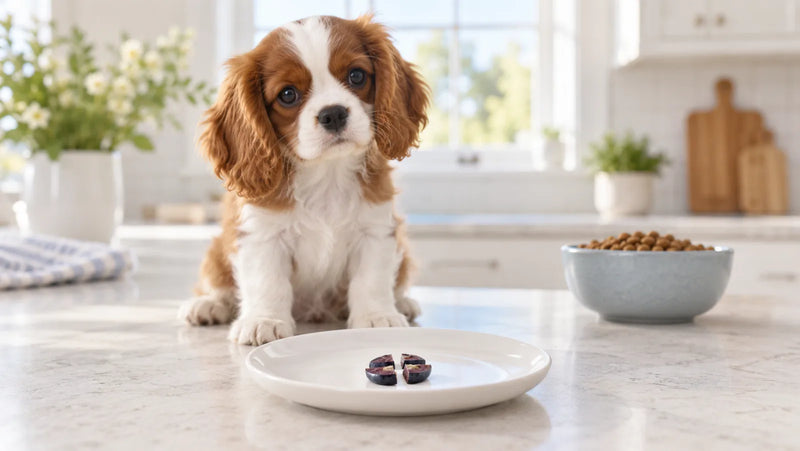

Toxic foods for dogs include xylitol, chocolate, grapes and raisins, onion and garlic, alcohol, raw yeast dough, macadamia nuts, concentrated caffeine, and some wild mushrooms. Several can injure a dog before an owner sees any sign. If exposure is known or even reasonably suspected, remove access and call for professional help now rather than waiting to “see how the dog does.”
Call your veterinarian, an emergency veterinary clinic, or ASPCA Animal Poison Control at (888) 426-4435. The ASPCA service is available 24 hours a day, and a consultation fee may apply. If the dog is having trouble breathing, collapsing, bleeding, seizing, or becoming unresponsive, begin transport to emergency care immediately while another adult calls if possible.
Do not induce vomiting or give hydrogen peroxide, salt, milk, oil, bread, charcoal, forced water, or another home remedy unless the veterinarian or poison-control professional gives case-specific instructions. The right response depends on the ingredient, timing, amount, product form, the dog's size and health, and whether the dog can swallow safely.
Toxic Foods for Dogs: Call Now, Even Before Symptoms
The most dangerous mistake is using a normal-looking dog as proof that the food was harmless. Xylitol may act within minutes. Grape-related kidney injury may develop after early stomach signs. Onion-related anemia can remain hidden for days. Some mushroom toxins have a quiet period before liver or kidney failure. The clock belongs to a veterinary professional, not a home observation experiment.
The phrase potentially life-threatening describes what an exposure can become; it does not mean every bite has the same outcome. Risk changes with the exact substance and concentration, the maximum possible amount, the dog's weight and medical history, other ingredients, and the time since exposure. Because an owner usually cannot settle all of those questions at home, the safe action for a suspected true toxin is to call about any amount.
The ASPCA's people-food hazard guide places its poison-control number beside the list and tells owners to note the amount and contact a veterinarian or poison control. That is the operating rule for this page. The list below covers common kitchen hazards, but it is not a substitute for reviewing the actual package or recipe.
Quick Danger List: What Dogs Must Not Eat
| Food or form | Main danger | Typical signs and timing | First action |
|---|---|---|---|
| Xylitol in some sugar-free foods, gum, toothpaste, medicines, or supplements | Rapid insulin release, severe low blood sugar, and possible liver injury | Vomiting, weakness, poor coordination, collapse, tremors, or seizures can begin within 20–60 minutes; some serious effects are delayed | Call immediately; do not wait or induce vomiting at home |
| Chocolate, cocoa, coffee grounds, beans, tea bags, or concentrated caffeine | Methylxanthine stimulation of the heart and nervous system | Vomiting, restlessness, fast or irregular heart rate, panting, tremors, or seizures may begin within hours | Call with the product, type, maximum amount, time, and dog weight |
| Grapes, raisins, Zante currants, or foods containing them | Acute kidney injury in susceptible dogs | Vomiting or diarrhea often begins in 6–12 hours; reduced or absent urine can develop in 24–72 hours | Treat every suspected exposure as urgent |
| Onion, garlic, chives, leeks, and their powders | Oxidative red-blood-cell damage and hemolytic anemia | Weakness, pale gums, fast breathing, dark urine, jaundice, or collapse may be delayed for several days | Call even if the dog looks normal now |
| Alcohol and raw yeast dough | Central-nervous-system depression; dough also expands and makes ethanol in the stomach | Vomiting, wobbling, sleepiness, low body temperature, abdominal swelling, breathing trouble, or seizures can progress rapidly | Call immediately; keep the recipe or bottle |
| Macadamia nuts | Dog-specific toxicosis with an unknown mechanism | Hind-limb weakness, vomiting, poor coordination, tremors, or fever usually begins within 12 hours | Call promptly, including after a cookie exposure |
| Avocado pit, skin or leaves; guacamole | Choking or obstruction, persin in plant parts, high fat, and onion/garlic in guacamole | Gagging may be immediate; vomiting, abdominal pain, poor appetite, or obstruction can be delayed | Call for a swallowed pit, plant material, guacamole, or symptoms |
| Wild or unidentified mushrooms | Species-dependent GI, neurologic, liver, or kidney toxins | Signs can begin within minutes or be delayed for many hours or days | Photograph and safely save a sample if possible, but call without delay |
This table intentionally gives no gram, piece, or body-weight threshold. A number copied from the internet can be wrong for the product in front of you, and it can encourage a dangerous delay. Give the veterinary professional a worst-case estimate instead.

Potentially Life-Threatening Toxic Foods
Xylitol in sugar-free foods and non-food products
Xylitol is a sweetener, not a synonym for every artificial sweetener or every product labeled “sugar-free.” It can appear in gum, candy, baked goods, desserts, some nut butters, toothpaste, mouthwash, cough syrup, chewable medicines, vitamins, and supplements. A label may also use names such as birch sugar or wood sugar. Our dedicated xylitol guide for dogs covers sources, timelines, and what to do.
In dogs, xylitol can trigger a strong insulin release and a profound drop in blood sugar. Vomiting may be followed by decreased activity, weakness, staggering, poor coordination, collapse, shaking, or seizures. Some dogs can also develop liver injury and abnormal bleeding. The FDA's xylitol warning for dog owners says poisoning can begin within 20 minutes and directs owners to call a veterinarian, emergency clinic, or animal poison-control center immediately.
Do not let a normal first hour clear the product. Onset can vary with the formulation, and later liver effects are possible. Preserve the wrapper and full ingredient list, including the ingredient order and serving information. Our candy and xylitol guide explains how to inventory sugar-free candy, wrappers, sticks, and co-ingredients without assuming the exposure was “just sugar.”
Chocolate, cocoa, coffee, and concentrated caffeine
Chocolate and concentrated caffeine contain methylxanthines that stimulate a dog's nervous system and heart. Cocoa powder, unsweetened baking chocolate, and dark chocolate generally contain more concerning cocoa compounds than milk chocolate. White chocolate has much less methylxanthine, but its fat and sugar still make it an unsuitable dog food. Coffee grounds and beans, tea bags, energy products, caffeine tablets, and some workout supplements can be concentrated sources.
Early findings can include vomiting, diarrhea, thirst, frequent urination, restlessness, panting, or hyperactivity. More serious exposure can cause a fast or irregular heart rate, high body temperature, muscle tremors, seizures, collapse, or death. The FDA's chocolate guidance says signs can appear within a few hours and emphasizes that product type, amount, dog size, and individual sensitivity all matter.
Do not use color alone to classify the risk, and do not wait to perform a home calculation before calling. Give the exact label, cocoa percentage when available, maximum amount, time range, and dog weight. The dedicated chocolate exposure guide owns the detailed comparison of cocoa forms and the response after a theft.
Grapes, raisins, Zante currants, and foods that contain them
Grapes and dried grapes can cause acute kidney injury in dogs. That includes common table grapes, seedless grapes, raisins, and Zante currants, as well as trail mix, cereal, raisin bread, cookies, cakes, stuffing, or another food that contains them. A package that says only “dried fruit” needs closer identification.
The toxic mechanism has not been completely settled. Tartaric acid is a leading proposed toxic principle, but concentration and individual susceptibility vary. That uncertainty is exactly why there is no dependable home “safe amount.” The Merck Veterinary Manual's grape and raisin review reports vomiting or diarrhea commonly within 6–12 hours, with lethargy, poor appetite, abdominal pain, weakness, dehydration, or increased thirst also possible. Oliguric or anuric kidney failure can develop within 24–72 hours.
A dog that has not vomited yet is not cleared. Call after any suspected grape or raisin exposure and report foods that may hide dried fruit. Our dedicated grape and raisin emergency guide owns the Zante-currant distinction and the detailed 6–72-hour timeline; this pillar keeps the category-level warning. Our broad fruit-safety overview for dogs separates safe fruit preparation from toxic fruit, pits, rinds, and risky plant parts; this page remains the emergency parent guide.
Onion, garlic, chives, leeks, and powders
Alliums can injure red blood cells through sulfur-containing oxidants. Raw, cooked, dehydrated, granulated, and powdered forms can all be harmful. Onion or garlic powder in soup mix, gravy, broth, seasoning, baby food, sauce, stuffing, meat rub, or canned food can be easy to miss and may be more concentrated than a visible fresh piece.
The delay is deceptive. The Merck Veterinary Manual's allium review describes oxidative changes beginning within 24 hours, while hemolysis commonly occurs 3–5 days after exposure. Signs can include poor appetite, lethargy, exercise intolerance, weakness, pale or yellow gums, rapid breathing or heart rate, dark urine, collapse, and death.
Cooking does not neutralize the problem, and the absence of an immediate stomach reaction does not make the meal safe. Call with the recipe and every seasoning packet. Our dedicated onion-poisoning guide owns onion forms and the delayed hemolysis timeline; our dedicated garlic safety and flea-myth guide owns garlic concentration, supplements, and the “natural flea cure” claim. This pillar keeps the Allium-group warning. The complete vegetable-safety guide handles ordinary vegetable choices and preparation while yielding toxic alliums to this emergency pillar.
Alcohol and raw yeast dough
Alcohol can be present in beer, wine, spirits, cocktails, eggnog, desserts, sauces, extracts, fermenting fruit, and other foods. It is rapidly absorbed and depresses the central nervous system. Vomiting, diarrhea, drooling, wobbling, disorientation, marked sleepiness, tremors, low body temperature, low blood sugar, breathing difficulty, seizures, coma, or death can occur.
The Merck Veterinary Manual's alcohol review says clinical signs generally begin within 30–60 minutes and that peak blood concentrations occur later. That short window is a reason to call, not a countdown to use at home.
Raw yeast dough creates two hazards at once. It can continue expanding in the warm stomach, causing painful distention and potentially compromising breathing or circulation, while fermentation produces ethanol. Early findings may include an enlarged abdomen, unproductive retching, and lethargy; intoxication can add ataxia, disorientation, weakness, low body temperature, coma, or seizures. The Merck raw-dough review treats this as both a mechanical and biochemical emergency. Do not feed cold water or induce vomiting unless a professional directs it. Our bread guide keeps plain baked bread separate from raw dough and hazardous add-ins.
High-Risk Foods and Forms That Need Prompt Advice
Macadamia nuts
Macadamia nuts cause a toxicosis reported particularly in dogs, although the specific toxic mechanism remains unknown. Weakness—often most obvious in the hind legs—is characteristic. Vomiting, lethargy, poor coordination, tremors, and fever can also occur. The ASPCA master guide says symptoms usually appear within 12 hours and recovery is commonly expected within 24–72 hours.
Recovery in many treated cases does not mean an owner should wait without advice. A macadamia cookie can add chocolate, xylitol, raisins, or swallowed packaging. The American Kennel Club's macadamia guidance advises calling a veterinarian after suspected ingestion. Our dog-specific macadamia nut guide owns the hind-leg weakness timeline, unknown-mechanism evidence, mixed-cookie triage, and recovery guardrails. Report the entire recipe, not only the nut.
Avocado pit, skin or leaves, and guacamole
“Avocado is deadly to dogs” is too broad. Dogs are relatively tolerant of persin compared with birds, rabbits, horses, and ruminants, and a small amount of plain ripe flesh is generally a lower-risk event than the foods in the section above. The practical canine hazards still matter.
- The pit: a large smooth seed can cause choking or lodge in the esophagus, stomach, or intestines.
- Skin, leaves, and plant material: these contain more persin than the flesh and deserve prompt professional review.
- The fatty flesh: a larger amount may cause vomiting or diarrhea and can be a poor fit for a dog with pancreatitis risk or a prescribed fat restriction.
- Guacamole: onion, garlic, salt, and other seasonings can make it a completely different exposure.
The FDA's pet-hazard overview describes avocado as only mildly toxic to dogs and cats while separately warning that an avocado pit can obstruct the gastrointestinal tract. That distinction prevents both panic and false reassurance. Our dog-specific avocado guide separates persin sensitivity from the pit, high-fat flesh, plant-part, and guacamole decisions. Call promptly for a swallowed pit, plant parts, guacamole, repeated vomiting, abdominal pain, poor appetite, or difficulty swallowing; an obstruction does not have a reliable home clearance time.
Wild or unidentified mushrooms
Not every mushroom is poisonous. Washed, plain grocery mushrooms intended for human consumption are generally a different decision from a mushroom found in a yard, park, or trail. A cooked mushroom dish can still contain butter, oil, onion, garlic, alcohol, or salt that changes the assessment.
Wild and unidentified mushrooms are urgent because visual identification is unreliable and the toxins vary. Depending on the species, signs may include vomiting, diarrhea, abdominal pain, heavy drooling, weakness, wobbling, tremors, seizures, yellow gums or skin, altered urination, liver failure, kidney failure, or death. Some syndromes begin within minutes to a few hours; others have a quiet period, and a dog may appear to improve before organ injury becomes evident.
The Merck Veterinary Manual's poisonous-mushroom overview separates mushrooms by onset and toxin syndrome. If it can be done safely, photograph the mushroom in place and collect a complete sample in a paper bag, keeping it away from people and animals. Do not delay the veterinary or poison-control call while searching online for a match.
Caution Foods: Harmful Does Not Always Mean Poisonous
Accurate safety guidance should not label every stomach irritant a toxin. These foods can still cause real harm, especially in a large amount or in a medically vulnerable dog, but the mechanism and response differ from xylitol, grapes, or alliums.
Fatty foods and most ordinary nuts
Almonds, pecans, walnuts, and many other ordinary nuts are not all toxic in the way macadamias are. They can still be hard enough to choke a small dog, lodge in the gut, fracture a tooth, or deliver a dense load of fat. Salt, chocolate coating, xylitol-containing sweetener, garlic seasoning, rancidity, or mold can add separate hazards.
Fatty table scraps, grease, skin, gravy, fried food, and rich dairy can trigger vomiting or diarrhea and may contribute to pancreatitis in susceptible dogs. Watch for repeated vomiting, poor appetite, marked lethargy, abdominal pain, a hunched or “prayer” posture, dehydration, weakness, or collapse. There is no single meal-to-symptom clock that clears every dog. Call for a large exposure, ongoing signs, known pancreatitis risk, or a dog on a prescription or fat-restricted plan.
Excessively salty foods
A lick of an ordinarily seasoned food is not automatically salt poisoning. Acute excessive sodium is the concern, particularly when a concentrated salty item, salt dough, brine, seasoning mix, or large quantity is involved or when water access has been limited. Vomiting, diarrhea, extreme thirst or urination, weakness, incoordination, tremors, seizures, and collapse can occur.
Do not force a large amount of water or try to correct sodium at home. A veterinary team must manage fluids and electrolytes at an appropriate rate. Call with the product concentration, amount, time, access to water, and current signs.
Milk and dairy products
Many dogs digest lactose poorly, but tolerance varies. Plain milk, cream, cheese, or yogurt is more likely to cause gas, loose stool, diarrhea, vomiting, or abdominal discomfort than classic poisoning. High fat can create a separate pancreatitis concern. Chocolate milk, coffee drinks, alcohol-containing dairy desserts, and sugar-free ice cream or yogurt add ingredients that may move the event into an emergency category.
Check the full label before assuming a white or creamy food is plain. Our plain-yogurt and xylitol-check guide owns the narrow question of dairy tolerance and choosing an unflavored product. It does not turn yogurt into a home remedy for a toxin.
What to Do If Your Dog Eats a Toxic Food
1. Remove access and identify every ingredient
Move the food, wrappers, broken containers, spills, trash, and remaining servings away from the dog and other pets. Do not throw away the evidence. Save the package, recipe, supplement bottle, gum wrapper, bakery label, or ingredient photo. For a mixed food, inventory every component rather than naming only the base dish.
2. Call the veterinarian, emergency clinic, or ASPCA now
For a suspected true toxin or unknown wild mushroom, call before symptoms. Use your regular veterinarian when immediately available, an emergency clinic when the exposure or signs are urgent, or ASPCA Animal Poison Control at (888) 426-4435. The ASPCA's poisoning-response guidance emphasizes gathering the container or label and seeking help promptly.
3. Bring the packaging and a worst-case estimate
Prepare the details a professional needs:
- Dog's weight, age, breed, health conditions, medications, and current diet restrictions
- Exact product, complete ingredient list, concentration or cocoa percentage when available
- The greatest amount that could be missing—not the smallest comforting guess
- Earliest and latest possible exposure time
- Any missing wrapper, pit, cap, skewer, foil, string, tea bag, or other object
- Every symptom, when it began, and whether it is changing
Say “unknown” when a fact is unknown. That is safer than inventing precision.
4. Do not induce vomiting or give a home remedy
Vomiting can be unsafe for a sleepy, seizing, weak, or poorly coordinated dog and for some substances or swallowed objects. Even when decontamination is appropriate, the method and timing should come from a veterinarian or poison-control professional. Do not give hydrogen peroxide, salt, oil, milk, bread, charcoal, syrup, a forced meal, or forced water without direct instructions for this dog and this exposure.
5. Go straight to emergency care for red-flag signs
Do not wait on a callback if the dog is collapsing, unconscious, seizing, unable to stand, bleeding, struggling to breathe, repeatedly retching without producing vomit, developing a swollen or painful abdomen, showing pale or blue gums, or passing little or no urine after a grape or raisin exposure. Prevent falls during transport, and bring the package or sample.
Signs of Food Poisoning in Dogs
No single symptom identifies the food, and different toxins can overlap. Report the entire pattern:
- Gastrointestinal: drooling, vomiting, diarrhea, poor appetite, abdominal pain, swelling, or unproductive retching
- Neurologic: unusual agitation or sleepiness, disorientation, wobbling, weakness, tremors, seizures, collapse, or coma
- Heart, breathing, and temperature: panting, rapid or irregular heartbeat, fast or difficult breathing, fever, or abnormally low body temperature
- Blood and oxygen delivery: pale or yellow gums, rapid breathing, exercise intolerance, weakness, dark urine, or unusual bleeding
- Kidney and hydration: extreme thirst, increased urination, dehydration, then reduced or absent urine
- Mechanical obstruction: gagging, repeated vomiting, inability to keep water down, abdominal pain, poor appetite, or failure to pass stool
The absence of every sign on this list does not clear a recent xylitol, grape, allium, alcohol, raw-dough, macadamia, or unknown-mushroom exposure.
Hidden Places Toxic Foods Turn Up
- Xylitol: sugar-free gum or candy, baked goods, “skinny” desserts, some nut butters, dental products, cough syrup, chewable medicine, vitamins, and supplements
- Grapes and raisins: trail mix, cereal, oatmeal cookies, raisin bread, fruitcake, stuffing, snack bars, and children's lunch remnants
- Onion and garlic: soup, broth, gravy, sauce, seasoning packets, meat rubs, stuffing, chips, baby food, and restaurant leftovers
- Macadamias and chocolate: cookies, brownies, candy, nut mixes, ice cream, and bakery packaging
- Alcohol: cocktails, eggnog, soaked cake, sauces, extracts, fermenting fruit, and unattended glasses
- Raw yeast dough: proofing bowls, countertop scraps, home pizza kits, and discarded dough in trash or compost
- Caffeine: grounds, beans, tea bags, energy drinks, pills, supplements, and spilled concentrate
- Wild mushrooms: lawns, mulch, parks, trails, compost, and damp areas after rain
Close cabinets and trash cans, use a covered proofing container, clear coffee grounds and tea bags immediately, inspect the yard after wet weather, and ask guests to keep bags and plates off the floor. Prevention is more reliable than trying to estimate a toxin after it disappears.
Safer Sharing Starts with a Complete Label
American Paws does not sell a poison remedy, and no dog treat can treat or dilute a toxic exposure. Call first and follow professional guidance. Once the emergency question is resolved, return to a simple prevention rule: offer only a familiar item with a complete ingredient label, a texture appropriate for the dog, and a measured place in the diet.
For ordinary future rewards—not emergency care—you can browse all current American Paws dog treats and evaluate the actual ingredients and feeding directions on the individual product. Do not assume the whole catalog has one ingredient or that a product fits a medical diet; a veterinarian should guide any dog with a health condition or prescription plan.
Frequently Asked Questions
What are the most toxic foods for dogs?
Xylitol, chocolate and concentrated caffeine, grapes and raisins, alliums such as onion and garlic, alcohol, raw yeast dough, macadamia nuts, and certain wild mushrooms are among the most important common food hazards. The correct urgency depends on the exact product, but any suspected exposure to one of these deserves an immediate veterinary or poison-control call.
What should I do first if my dog ate a toxic food?
Remove access, save the package or recipe, estimate the maximum amount and time, and call your veterinarian, an emergency clinic, or ASPCA Animal Poison Control at (888) 426-4435. Begin emergency transport for breathing trouble, seizures, collapse, bleeding, an unresponsive dog, or another severe sign.
Can a dog look normal after eating something toxic?
Yes. Onion-related anemia can be delayed for days, grape-related kidney injury can progress after early or absent stomach signs, and some mushroom toxins have a quiet phase. Xylitol and alcohol may act rapidly. A normal appearance immediately after exposure is not a safe observation plan.
Should I make my dog vomit after eating poison?
No—not unless a veterinarian or poison-control professional specifically directs it for this dog, substance, and time. Home vomiting can cause aspiration or other injury and can delay the treatment that is actually needed.
Is avocado toxic to dogs?
Plain ripe avocado flesh is relatively low risk to dogs compared with species that are highly sensitive to persin. The pit can choke or obstruct, skin and leaves contain more persin, the fatty flesh can upset the gut, and guacamole may contain onion, garlic, or excess salt. Call about a swallowed pit, plant material, guacamole, a large amount, or any symptoms.
Are all mushrooms toxic to dogs?
No. Plain grocery mushrooms intended for human consumption are generally not treated like unknown wild mushrooms. Wild species can be deadly, are difficult to identify visually, and may cause immediate or delayed signs. Treat any wild-mushroom ingestion as urgent and call before symptoms.
Call First, Then Prevent the Next Exposure
If your dog may have eaten a true toxin, make the call now: contact your veterinarian, an emergency clinic, or ASPCA Animal Poison Control at (888) 426-4435, save the packaging, and follow case-specific instructions. Do not wait for symptoms or try a home antidote.
After the dog is safe and the professional has closed the exposure, prevent a repeat: secure human food, read every label, control trash and compost, inspect the yard, and choose only clearly labeled, appropriately sized dog treats for routine rewards.