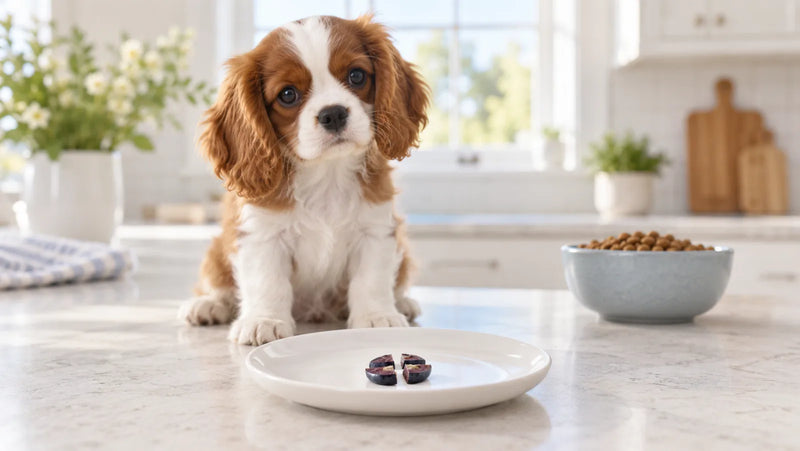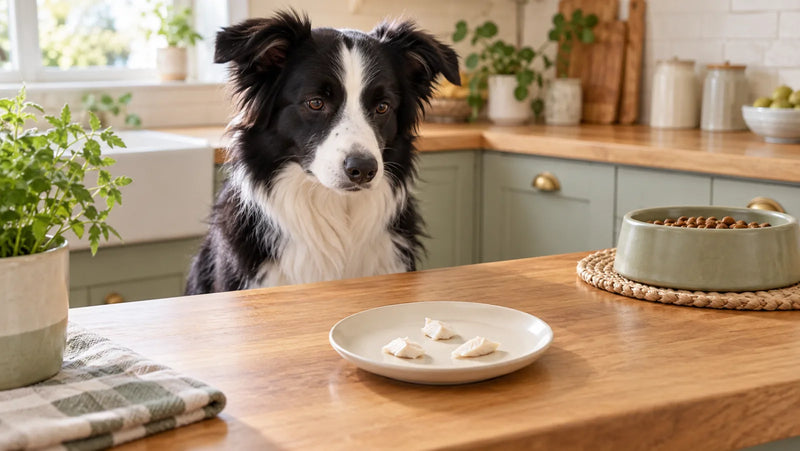

Can dogs eat candy? No—dogs should not be given human candy. Sugar-free products may contain xylitol; raisins or grapes can injure the kidneys; macadamia nuts and chocolate can cause poisoning; and hard candy, wrappers, or lollipop sticks can choke or obstruct.
If your dog got into candy, save the package and call your veterinarian, the nearest emergency animal hospital, or ASPCA Animal Poison Control at 888-426-4435 now. The right response depends on every ingredient, the missing amount, your dog’s weight, the time, current symptoms, and whether any wrapper or stick was swallowed.
Dog ate candy? Check these five things now
- Find the package: identify the exact product, flavor, ingredient list, net weight, and whether it is labeled sugar-free or reduced-sugar.
- Scan the ingredients: look first for xylitol, birch sugar, wood sugar, birch bark extract, raisins or grapes, macadamia nuts, and chocolate.
- Estimate the maximum exposure: note how much may be missing and when access occurred. Do not delay a call to make the estimate perfect.
- Count nonfood pieces: check for missing foil, plastic, cellophane, paper wrappers, gum packaging, or lollipop sticks.
- Call with the facts: give the professional your dog’s weight, age, health conditions, medications, symptoms, and all the details above.
Do not induce vomiting or give hydrogen peroxide, salt, milk, activated charcoal, food, or another home treatment unless a veterinarian or animal-poison specialist specifically directs it. A toxin, a sharp stick, and a dog already showing neurologic signs require different decisions.
Can dogs eat candy?
No. “Candy” is a category, not one substance, so its danger cannot be judged by sugar alone. A piece may combine a toxic ingredient, a high-fat or high-sugar recipe, and a wrapper or stick that the digestive tract cannot break down.
That distinction matters. Ordinary sugar is not xylitol, and an empty wrapper is not a chemical poison. But neither belongs in a dog’s planned diet. When the product is unknown, treat the uncertainty as a reason to call—not as reassurance.
Xylitol is the fastest label check
Names to look for
Read the ingredient list for xylitol. The FDA also lists birch sugar and wood sugar as names consumers may see; FDA materials additionally warn about birch bark extract. Xylitol can appear in sugar-free gum, mints, candy, chocolate-style products, baked goods, nut butters, medicines, and supplements.
Do not assume every sugar-free candy contains xylitol, and do not assume every sugar alcohol is xylitol. Read the exact label. If the package is missing, the ingredient list is unclear, or xylitol is present, call immediately.
Why xylitol is an emergency
In dogs, xylitol can trigger a rapid release of insulin and a dangerous fall in blood sugar. Signs may begin quickly and include vomiting, decreased activity, weakness, stumbling, poor coordination, collapse, shaking, or seizures. Liver injury and abnormal bleeding can develop later in some exposures.
A dog that looks normal immediately after eating sugar-free gum or candy is not cleared. Product concentrations vary, some gum delays absorption, and labels may not reveal how much xylitol is in each piece. Do not use a piece-count “safe dose” from the internet.
Raisins, grapes, and fruit-filled candy
Raisins, grapes, sultanas, and dried grape ingredients can be hidden in chocolate clusters, yogurt-coated pieces, trail-mix candy, baked sweets, or fruit-and-nut bars. Exposure has been associated with acute kidney injury in dogs, and individual sensitivity and tartaric-acid content vary.
The ASPCA advises contacting a veterinarian or poison control after suspected grape or raisin ingestion. Do not wait for vomiting, diarrhea, reduced appetite, lethargy, thirst changes, or reduced urination, and do not promise that one piece is safe.
Nuts are not one risk category
Macadamia nuts
Macadamia nuts cause a recognized toxicosis in dogs. Signs can include vomiting, weakness—often especially in the hind legs—poor coordination, depression, tremors, and increased temperature. Candy may hide macadamias under chocolate or caramel, so inspect the package rather than relying on the outside appearance.
Other nuts and nut candy
Do not describe every nut as if it causes macadamia-type poisoning. Almonds, pecans, walnuts, and many nut mixes are primarily concerns because whole nuts can choke, shells can injure or obstruct, salt and flavorings add risk, and high fat can cause digestive upset or contribute to pancreatitis in susceptible dogs. Moldy nuts create a separate neurologic hazard.
A mixed cluster can contain several problems at once: nuts, chocolate, raisins, xylitol-sweetened coating, and a wrapper. Give the full ingredient list to the professional. Our complete list of toxic foods for dogs covers each of these ingredients with symptom timelines.

Chocolate candy belongs in the chocolate guide
Chocolate contains theobromine and caffeine, and darker or more concentrated cocoa products generally pose greater methylxanthine risk. The product type, amount, dog weight, timing, and other ingredients all matter. Use our dedicated dog-ate-chocolate response guide for the full risk gradient, symptoms, and call-ready checklist; do not wait for signs before seeking advice.
Hard candy, gum, wrappers, and sticks can cause physical injury
The AKC notes that hard candy or gum can collect in the stomach and create an obstruction risk. A round hard sweet can also choke, especially when swallowed whole. Very hard objects are poor chewing material; Cornell explains that chewing very hard objects is a common cause of fractured teeth.
Foil, cellophane, plastic, and paper wrappers do not become harmless because they once held food. They may lodge in the throat, stomach, or intestines. A lollipop stick is a rigid foreign body that may become stuck or injure tissue; do not make a dog vomit it back up without professional direction.
Call promptly when any wrapper or stick is missing. Breathing difficulty, choking sounds, blue or pale gums, repeated retching, or collapse requires immediate emergency care. Repeated vomiting, drooling, refusal to eat, abdominal pain or swelling, marked lethargy, diarrhea, straining, or failure to pass stool can signal a foreign-body problem hours or days later and also requires veterinary assessment.
What regular sugar does to dogs
Table sugar does not produce the same rapid insulin-release poisoning as xylitol. That does not make ordinary candy appropriate. It delivers concentrated calories without the balanced nutrition a dog needs, can cause stomach upset when eaten in quantity, and repeated sugary extras can contribute to weight gain and dental disease.
A dog with diabetes or another condition requiring controlled carbohydrate intake needs an individualized feeding plan; unplanned candy can disrupt that management. Fatty chocolate bars, caramel, nut clusters, and cream-filled sweets add another concern because rich food can contribute to pancreatitis in susceptible dogs. One piece does not diagnose obesity, diabetes, dental disease, or pancreatitis—but there is no nutritional reason to build candy into a dog’s routine.
A practical call-ready checklist
| Have ready | Why it matters |
|---|---|
| Original package or clear photos | Shows the product, ingredients, flavor, cocoa percentage, net weight, and lot details |
| Maximum possible amount missing | Lets the professional use a conservative exposure estimate |
| Time or time range | Changes which veterinary options may still be appropriate |
| Dog’s current weight and health history | Supports case-specific toxin and treatment assessment |
| Missing wrappers, foil, gum, or sticks | Adds choking, injury, or obstruction risk beyond ingredients |
| Current signs | Helps determine whether direct emergency transport is needed |
When the dog is symptomatic, have another adult make the call while you travel if possible. Bring the package and remaining material to the clinic in a separate sealed bag.
Halloween prevention
- Store candy in a closed high cabinet: a table, counter edge, backpack, or child’s room is not secure.
- Control bags and purses: sugar-free gum and mints often arrive with guests.
- Set a household rule: children and visitors give the dog nothing from the human candy supply.
- Use a lidded trash can: sweet-smelling wrappers and sticks remain attractive after the candy is gone.
- Sweep floors and the yard: check after sorting candy, parties, and neighborhood walks.
- Prepare the dog’s rewards first: one adult controls a small daily portion so guests have a safe alternative.
For that planned portion, use our daily dog-treat calorie budget. For any packaged pet reward, read the dog treat ingredient label and confirm it fits the individual dog.
Frequently asked questions
Is sugar-free candy worse for dogs?
It can be if it contains xylitol, but “sugar-free” does not identify the sweetener by itself. Check for xylitol, birch sugar, wood sugar, or birch bark extract and call immediately if any appears or the ingredients are unknown.
Is regular sugar poisonous to dogs?
Ordinary sugar is not the same acute toxin as xylitol. Candy still adds concentrated calories, may upset the stomach, can complicate a prescribed diet or diabetes management, and often comes with fat, hazardous ingredients, or swallowable packaging.
What if my dog swallowed a candy wrapper?
Call your veterinarian with the dog’s size, wrapper material and number, timing, and symptoms. A wrapper may pass, lodge, or irritate, and that cannot be determined safely from the wrapper’s appearance alone. Choking, repeated retching, breathing trouble, collapse, persistent vomiting, pain, or swelling requires urgent care.
Can one raisin in candy hurt a dog?
Individual sensitivity and tartaric-acid content vary, so do not use a home “safe raisin count.” Call a veterinarian or animal-poison center for any suspected grape or raisin exposure.
What if the candy also contained chocolate?
Report the chocolate type or cocoa percentage, possible amount, dog weight, and time along with every filling and wrapper. Chocolate, xylitol, raisins, macadamias, and foreign objects must all be considered together.
Give dogs their own treats, not human candy
If candy may already have been eaten, stop here and call your veterinarian, emergency animal hospital, or ASPCA Animal Poison Control at 888-426-4435.
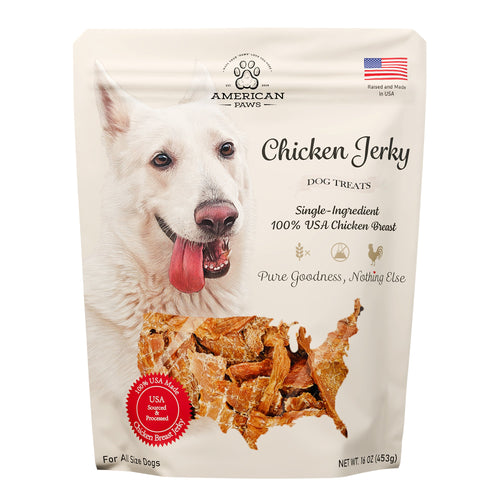
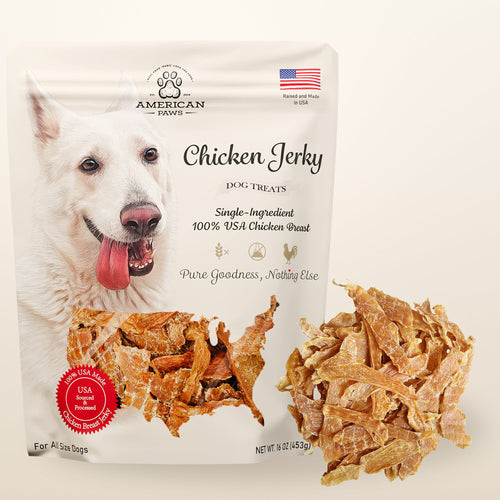
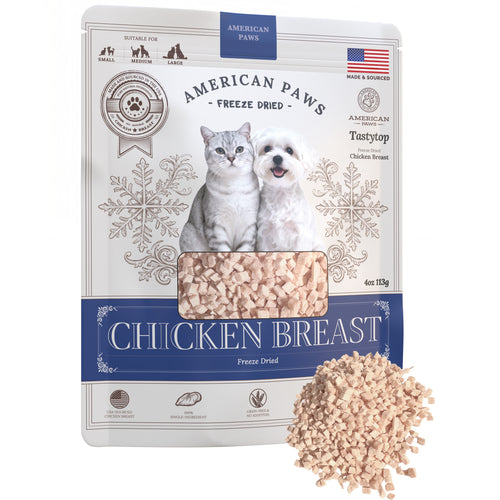
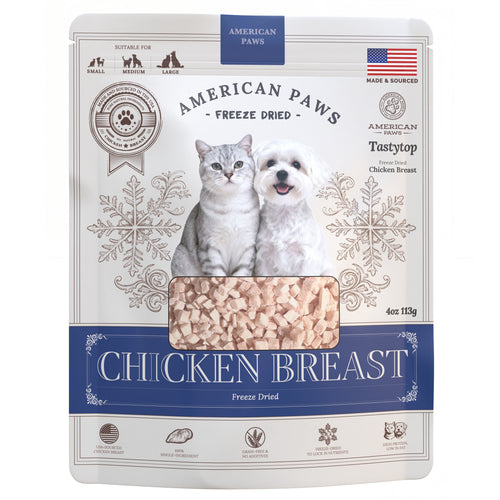
For ordinary celebrations, keep the human candy sealed away and give the dog a familiar, measured reward made for pets. Browse all American Paws dog treats, choose an option that fits the dog’s diet, and let one adult manage the portion.