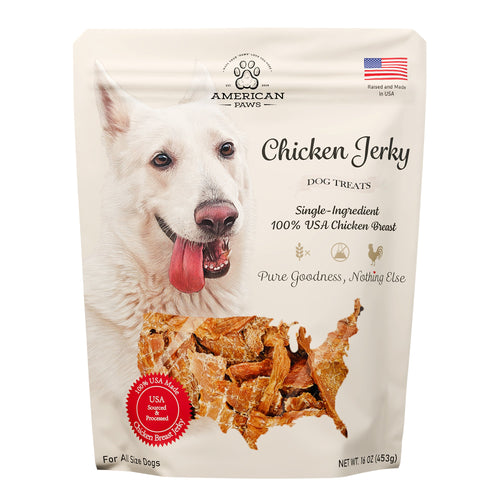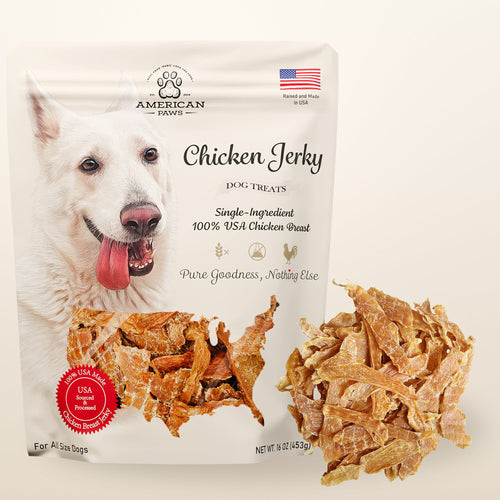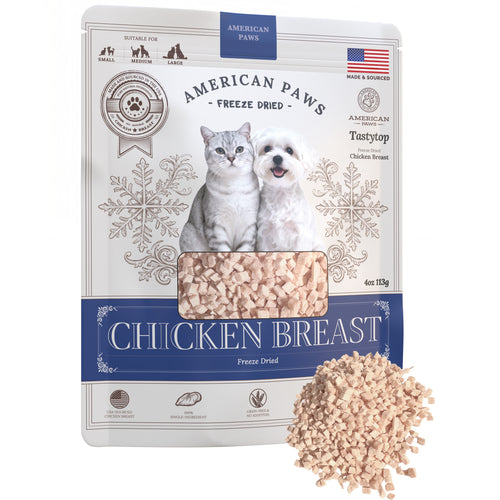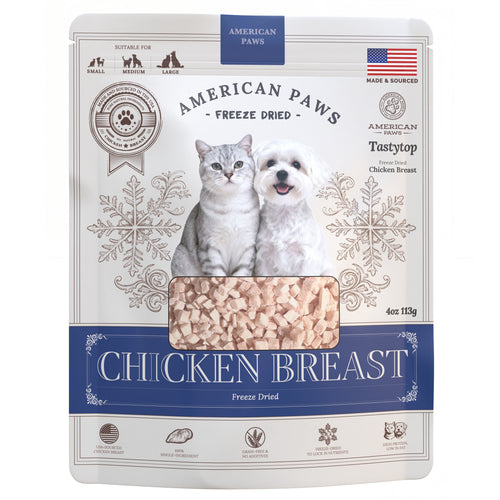

How many treats can a dog have per day? A practical rule is to keep treats at 10% or less of your dog's daily calories. The other 90% should come from complete-and-balanced food, because treats are rewards, not the foundation of the diet.
That does not mean every dog gets the same number of treats. A tiny training piece and a large chew are not equal. The right amount depends on your dog's size, activity level, body condition, health needs, and the calories in the treat.
How many treats can a dog have per day?
Most dogs can have a few small treats per day when the total stays within the 10% treat guideline. WSAVA's pet nutrition guidance uses this same idea: treats should be limited so they do not crowd out balanced meals. For a small dog, that may mean just a few tiny pieces. For a large active dog, it may allow more, but the math still matters.
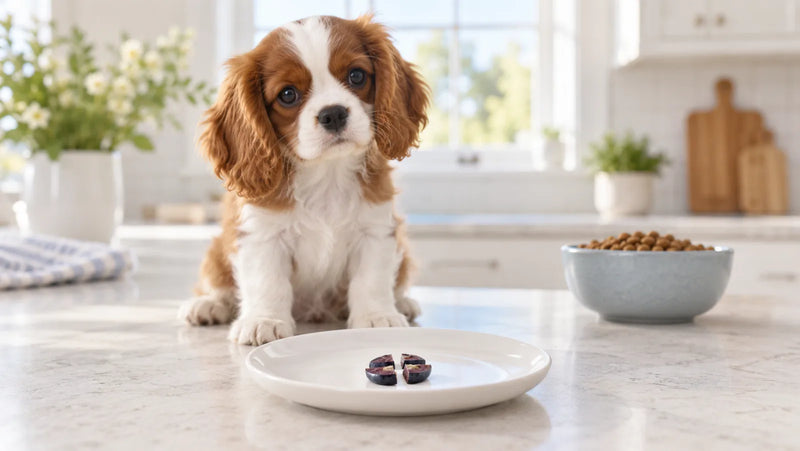
The safest way to think about treats is by portion, not count. Ten pea-size training rewards can be reasonable. Ten full-size rich treats may be too much. If you use treats often, cut them smaller.
The 10% rule in plain English
The 10% rule means only a small slice of your dog's daily calories should come from treats, chews, toppers, or table extras. If your dog's food provides the main nutrition, treats stay in their proper role: motivation, enrichment, and bonding.
For example, if a dog eats 500 calories per day, treat calories should usually stay around 50 calories or less. If a dog eats 1,000 calories per day, treat calories should usually stay around 100 calories or less. These are rough examples, not a medical feeding plan.
Why treat size matters more than treat count
Dogs do not care whether a reward is large. They care that the reward arrives at the right moment and tastes interesting. This is good news for pet parents because a single treat can often become many reward moments.
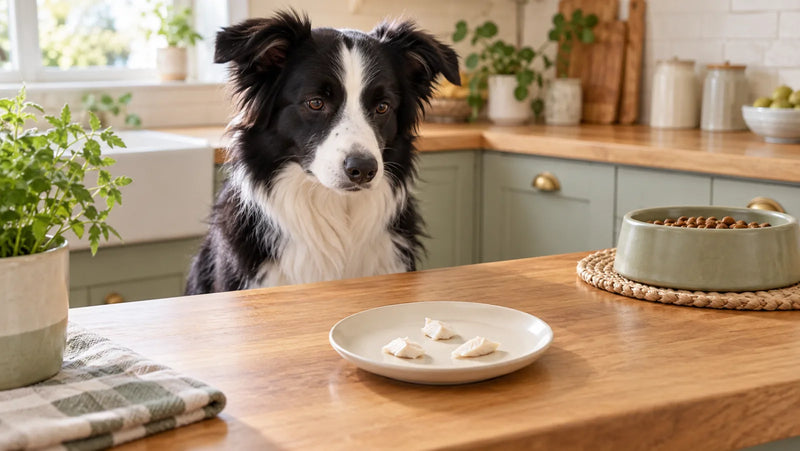
Soft treats are useful because they can be cut down. American Paws soft chicken training treats are all-natural, made with real chicken and natural glycerin, and can be snipped into small pieces for training. They are not single-ingredient, so we position them for texture, aroma, and easy portioning rather than a one-ingredient claim.

A quick dog treat portion guide by size
These are practical starting points, not hard veterinary rules. Always adjust for your dog's calorie needs and the treat's nutrition label.
- Small dogs: use crumbs or pea-size pieces. A little goes a long way.
- Medium dogs: use small training pieces, especially during repeated practice.
- Large dogs: you can use slightly larger rewards, but small pieces still work for training.
- Overweight or less active dogs: shrink portions and use treats more selectively.
- Puppies and seniors: keep portions conservative and ask your veterinarian if diet needs are specific. For older dogs, our guide to the best treats for senior dogs covers gentler textures and portions.
How many training treats is too many?
Training creates a special challenge because good timing often requires many rewards. The answer is not to stop rewarding. It is to make each reward tiny. A pea-size piece can teach the same lesson as a large treat when the timing is clear.
If you are doing a long session, split one normal treat into several smaller rewards. You can also use part of your dog's regular meal for easy repetitions and save higher-value treats for harder distractions. For training technique, see our guide on how to train a dog with treats.
When rich treats need extra care
Some treats are nutrient-dense or richer than others. Freeze-dried organ treats, for example, can be high-value and useful for training, but they should be portioned carefully. More is not always better.
American Paws freeze-dried beef liver training treats are single-ingredient beef liver, made in the USA, and best used in small reward pieces. If you feed liver treats, read our detailed guide on how much beef liver a dog can eat because vitamin A moderation matters.
How to count chews, toppers, and table scraps
The 10% rule includes more than bagged treats. Chews, toppers, training rewards, peanut butter, cheese, chicken scraps, and bites from the table all count. If it is not your dog's complete-and-balanced meal, treat it as part of the treat budget.
This is where many households accidentally overfeed. A dog may get training treats in the morning, a chew in the afternoon, a topper at dinner, and table scraps at night. Each one may look small alone, but together they can push the day too far.
Signs your dog may be getting too many treats
Too many treats can show up gradually. Watch for weight gain, softer stool, picky eating at mealtime, begging that gets stronger, reduced interest in regular food, or an upset stomach after training sessions.
If your dog starts skipping meals but still wants treats, reduce the extras. Meals should not have to compete with constant high-value snacks.
How to reduce treats without losing training progress
You do not need to remove rewards. Instead, make rewards smaller and more varied. Use praise, toys, sniffing, permission to go outside, or a short play session when those rewards fit the moment. Food is powerful, but it is not the only reinforcement.
For easy behaviors your dog already knows, use lower-value rewards or occasional food. For hard behaviors, new places, and distractions, keep high-value treats available but cut them tiny.
What if your dog has a sensitive stomach?
If your dog has a sensitive stomach, introduce any new treat slowly and count the first test pieces within the daily treat budget. A treat can be high quality and still be new to your dog's system.
Use one new item at a time, wait 24 hours, and watch stool, appetite, energy, and skin. Our guide on how to introduce new treats to dogs explains a simple step-by-step method.
How to choose treats that make portion control easier
The best treats for daily use are easy to divide. Look for small pieces, soft texture, or freeze-dried pieces that can be broken down. Strong aroma also helps because the dog feels rewarded even when the portion is tiny.
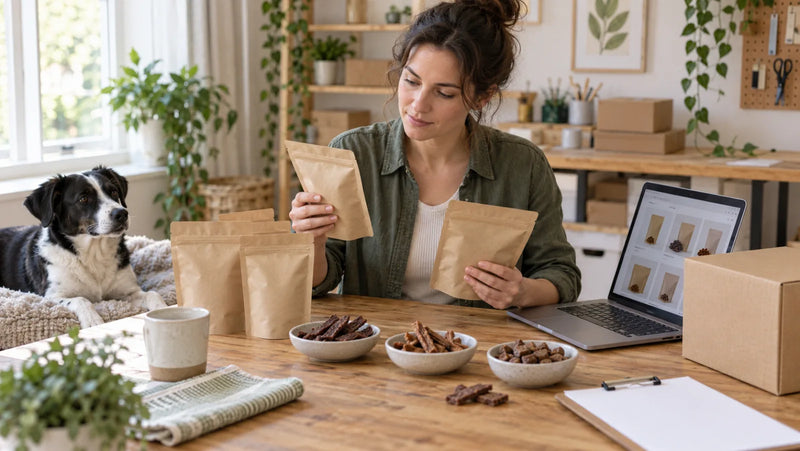
Browse our training treats collection if you want treats designed for small reward moments. A good training treat should let you reward often without turning every session into a meal.
When to ask your veterinarian
Ask your veterinarian for guidance if your dog is overweight, underweight, diabetic, has pancreatitis history, has kidney disease, has food allergies, or is on a prescription diet. Treat math changes when health needs are involved.
Also ask if you are unsure how many calories your dog should eat per day. The 10% rule depends on the total daily calorie target, and that target can vary widely between dogs.
Frequently asked questions
Can I give my dog treats every day?
Yes, many dogs can have treats daily as long as total treat calories stay modest and meals remain the main nutrition source.
Is the 10% rule exact?
No. It is a practical guideline. Some dogs need stricter limits, especially if they gain weight easily or have medical needs.
Do training treats count as treats?
Yes. Training rewards count toward the same daily treat budget, even when each piece is tiny.
Should I reduce dinner after a lot of training?
Sometimes, but do it carefully. For frequent heavy training, ask your veterinarian how to balance meal calories and treat calories.
What is the best treat size for training?
Pea-size or smaller is usually enough. Small pieces help you reward more often without overfeeding.
Keep treats small, useful, and intentional
Treats should make life with your dog better, not accidentally replace balanced nutrition. Keep the 10% rule in mind, cut rewards small, and choose treats that fit the job. For daily training, start with small, high-value pieces and adjust based on your dog's body condition, digestion, and energy.