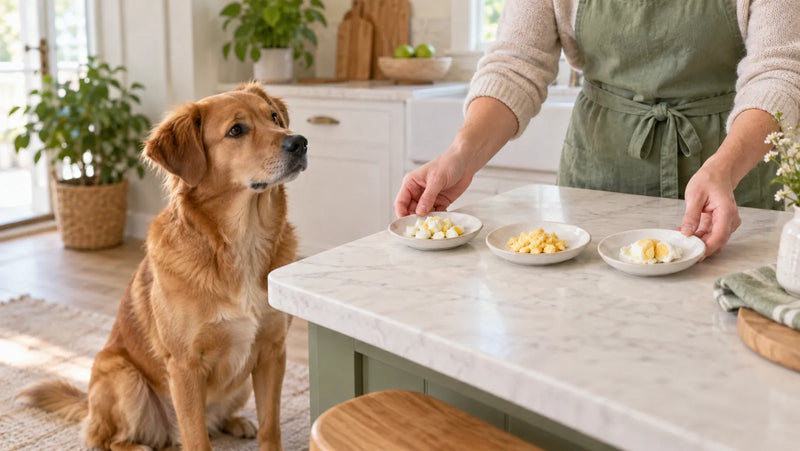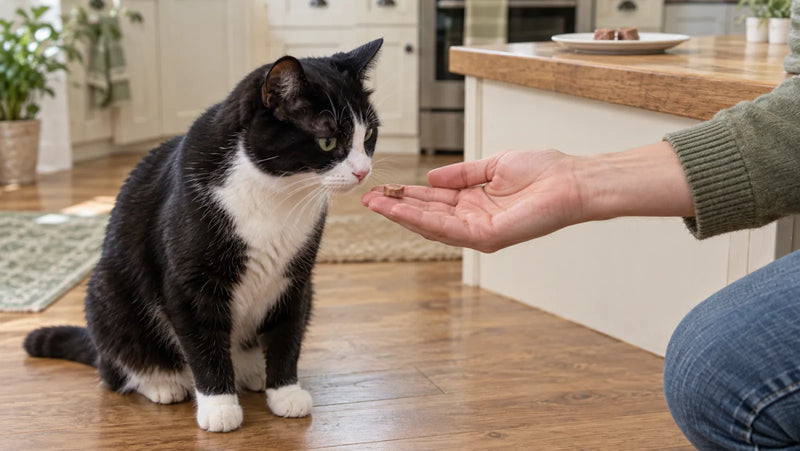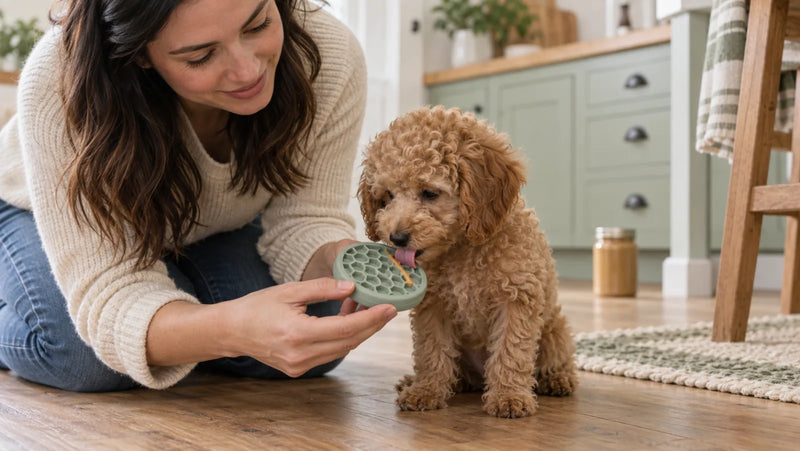

How to train a dog with treats comes down to timing: reward the behavior you want the instant it happens, using a tiny high-value treat your dog can eat quickly. Mark the right moment with a consistent word such as "yes" or with a clicker, then deliver the reward so your dog understands exactly what worked.
Treat training is not bribery when it is done correctly. You are using food as clear feedback, then gradually fading the food as the behavior becomes reliable. Keep pieces pea-size, keep sessions short, and use the best rewards for the hardest moments.
How to train a dog with treats
The quick version is simple: ask for one behavior, mark the correct moment, reward immediately, and repeat in short sessions. If your dog sits, mark the second the rear touches the floor. If your dog comes when called, mark as soon as the dog turns and moves toward you. The faster your feedback, the faster the lesson makes sense.
Use small treats so you can reward often without overfeeding. A training treat should be a teaching tool, not a snack break. If your dog spends more time chewing than learning, the treat is too big.
Why treat-based reward training works
Reward-based training works because dogs repeat behaviors that lead to good outcomes. A treat is easy to deliver, easy for the dog to understand, and easy to scale from low-value to high-value depending on the difficulty of the lesson.
For anxiety, reactivity, fear, or behavior problems, work with a certified trainer or your veterinarian. VCA Hospitals notes that calm behavior training and reward-based methods should be built gradually and consistently, especially when emotions are involved.
Step 1: Pick the right training treat
The right treat is small, soft, high-value, and low-mess. Small pieces keep calories down. Soft texture lets your dog eat fast. Strong aroma helps hold attention. Low mess means you can train indoors, outside, or on walks without greasy hands.
American Paws soft chicken training treats are all-natural, made with real chicken and natural glycerin, grain-free, and made in the USA. They are soft and chewy, so you can snip them with scissors into pea-size pieces. They are not single-ingredient; their training advantage is texture, aroma, and easy portioning.

Step 2: Get your timing right
Timing is the difference between rewarding the right behavior and rewarding whatever happened after it. Aim to mark the correct moment within about one second. The marker word or click tells your dog, "That thing you just did is what earned the reward."
Choose one marker and keep it consistent. "Yes" works well because it is short and natural. A clicker also works if you prefer a sharper sound. After the marker, deliver the treat calmly.
Step 3: Lure, then capture
Luring means using a treat to guide your dog's body. For sit, move the treat from your dog's nose slightly upward and back. When the rear touches the floor, mark and reward. For down, move the treat from the nose toward the floor and slightly forward.
Capturing means rewarding a behavior your dog offers naturally. If your dog lies down on their own, mark and reward. Capturing builds a dog who thinks and offers good choices. Once the dog understands the motion, fade the visible treat from your hand so you are not stuck bribing.
Step 4: Keep sessions short and fun
Most dogs learn better in short bursts. Train for two to five minutes, end on a win, and come back later. Long sessions can create frustration, over-arousal, or boredom.
Watch your dog's body language. If your dog turns away, snatches treats, jumps, barks, or stops responding, the session may be too hard or too long. Make the task easier and reward a simple success.
Step 5: Fade the treats over time
Do not reward every repetition forever. In the beginning, pay often so your dog understands the behavior. As the behavior becomes reliable, switch to variable rewards: sometimes food, sometimes praise, sometimes a toy, sometimes permission to sniff or go outside.
Fading treats does not mean removing all rewards. It means making rewards less predictable and more natural. Reliable behavior is maintained by a mix of reinforcement, practice, and real-life payoff.
Step 6: Practice in easier places first
Dogs do not automatically understand that "sit" in the kitchen also means "sit" at the front door, on a sidewalk, or near another dog. Start in a quiet room, then practice in a slightly harder place, then a harder one. Each new environment is a new layer of the lesson.
When distractions increase, raise the value of the reward and lower the difficulty of the task. Ask for an easy behavior your dog already knows, reward it, then build from there. This keeps training fair and prevents frustration.
How many treats is too many?
A common guideline is to keep treats under about 10% of daily calories. This is why piece size matters. Ten pea-size rewards are very different from ten full-size treats.
If you train heavily, use part of your dog's meal for easy repetitions and save higher-value treats for harder work. Adjust meals only with common sense, and ask your veterinarian if your dog needs weight control or has a medical condition.
Common treat-training mistakes
The first mistake is treating too late. If your dog sits, then jumps, and you reward after the jump, you may be teaching the jump. The second mistake is holding the treat in front of the dog's face forever, which becomes bribery. Use the treat to teach, then move it out of sight.
Other mistakes include using treats that are too large, training too long, raising criteria too fast, and using the same low-value reward in a distracting environment. Match the reward to the difficulty.
Bribing vs rewarding
A bribe appears before the behavior and stays visible until the dog decides whether it is worth listening. A reward comes after the behavior and pays the dog for the correct choice. Early luring is fine, but the treat should disappear from your hand as soon as your dog understands the movement.
Practice with an empty hand signal, then reward from your pouch or pocket. This teaches your dog to respond to the cue, not to the sight of food.
Choosing a treat that keeps your dog motivated
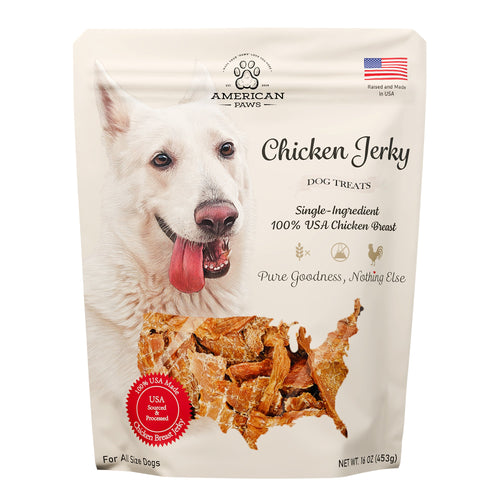
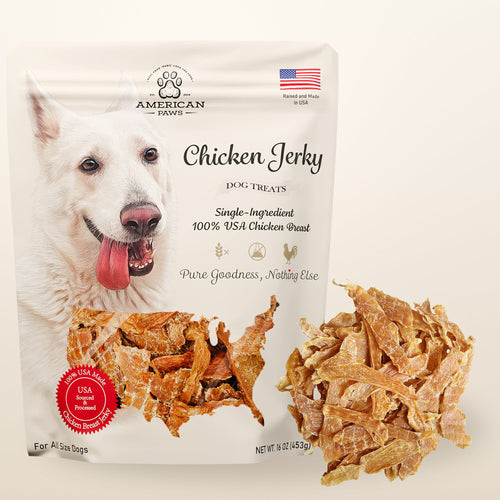
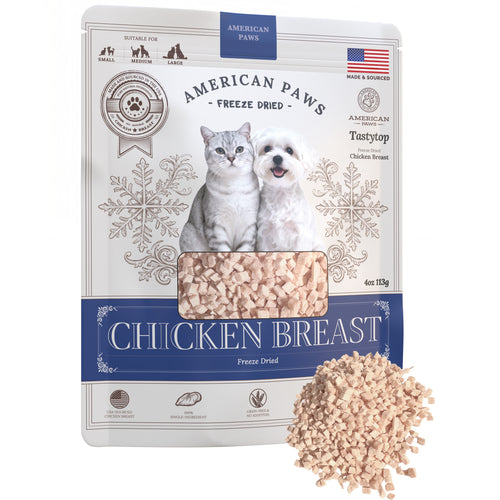
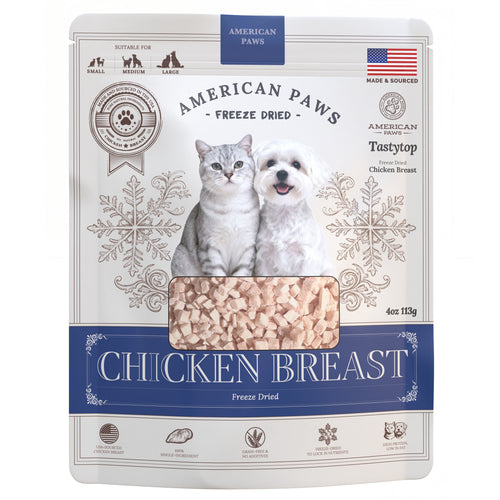
Motivation depends on the dog. Some dogs work for kibble indoors but need real meat aroma outdoors. Soft chicken, tiny jerky pieces, or other high-value rewards can help when distractions rise.
For a buyer-focused comparison, read our guide to the best dog training treats. If you are working with a young dog, the puppy training treats guide explains how to cut pieces even smaller. You can also browse the training treats collection.
A sample five-minute session
Start with ten tiny treats. Ask for an easy behavior your dog knows, such as name response, and reward two or three clean repetitions. Move to one new skill for one minute. If your dog succeeds, repeat a few times. If your dog struggles, make the task easier and reward a small step.
End with an easy win. Put the treats away while your dog still wants to play. Short, successful sessions build more enthusiasm than long sessions that end in confusion.
Frequently asked questions
What treats are best for training a dog?
The best treats are tiny, soft, high-value, and quick to eat. Use higher-value treats for harder tasks and lighter rewards for easy repetitions.
How small should training treats be?
Pea-size or smaller is usually enough. The treat should disappear quickly so the session keeps moving.
How many treats can I use in a training session?
It depends on treat size and your dog's daily calories. Keep pieces tiny and keep total treats under about 10% of daily calories.
Can I train a puppy with treats?
Yes, many puppies can learn with tiny treats and short sessions. Ask your veterinarian if your puppy is very young, sick, or on a special diet.
How do I stop relying on treats?
Fade gradually. Reward often at first, then move to variable rewards and add praise, toys, sniffing, and real-life privileges.
Build the habit, then lower the food
Treats are a clear way to teach. Use them with good timing, tiny pieces, and short sessions. Once your dog understands the behavior, keep rewarding smartly while slowly asking for more reliability in more places.