
Dog training treats work best when they are high-value, small, and quick to eat. High-value means the smell is interesting enough that your dog wants to work for it. Small means you can reward often without overfeeding. Quick to eat means the session keeps moving instead of turning into a chewing break.
Once you understand value, size, and texture, choosing treats becomes much easier. The right reward can help you mark good choices, build focus, and keep training sessions upbeat.
What makes great dog training treats?
A great training treat is not simply the treat your dog likes most on the couch. It is the treat that works inside a training session. It needs to be exciting enough to earn attention, but small and tidy enough that you can repeat many rewards in a few minutes.
The 3 things that matter
High value: real-meat aroma your dog will work for
Dogs learn faster when the reward matters to them. Real chicken aroma can be especially useful because it is clear and motivating without needing added oils or heavy coatings. For harder environments, such as recall practice or distracting walks, use the most valuable reward you have.
Small size: reward often without overfeeding
Training pieces should usually be pea-size or smaller. A tiny reward is enough when the flavor is strong. Small pieces let you reward several correct choices in a row while keeping treats within the guideline that snacks should make up about 10% or less of daily calories.
Quick, low-distraction texture
If a treat takes too long to chew, the training rhythm breaks. Soft treats are useful when you need fast repetitions. Crunchy treats can work too if the pieces are tiny and do not crumble everywhere.

High-value vs everyday treats
Think of treats like a two-tier economy. Everyday treats are for easy practice at home. High-value treats are for harder skills, new environments, recall, leash work, or anything your dog finds difficult. You do not need the most exciting reward for every cue; saving high-value rewards can make them more powerful.
How to use training treats well
Reward timing matters. Mark the behavior the instant it happens, then deliver the treat. If you use a clicker or marker word such as yes, keep it consistent. When luring a new behavior, move from lure to reward quickly so your dog learns the cue rather than simply following food.
Portion math matters too. If you plan a longer session, set aside the day's training treats in advance. Use tiny pieces, keep sessions short, and stop before your dog gets bored. If your dog has a medical condition, allergies, or a weight plan, ask your veterinarian how treats should fit into daily calories.
Training treats for puppies
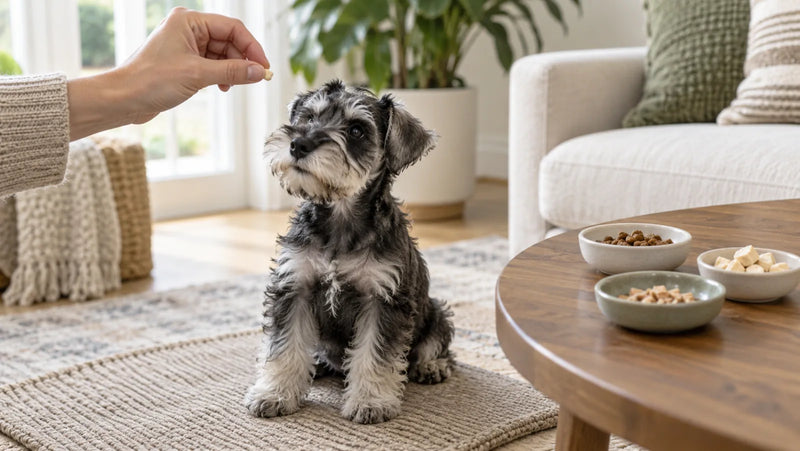
Puppies need very small pieces, gentle textures, and short sessions. A puppy may only need a few minutes at a time. Focus on easy wins: name response, sit, touch, crate comfort, and coming when called. Keep the reward size tiny so the session is about learning, not filling up on snacks.
A simple pick for dog training treats
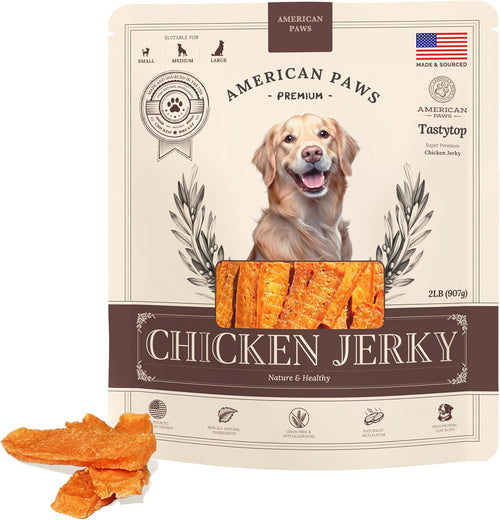
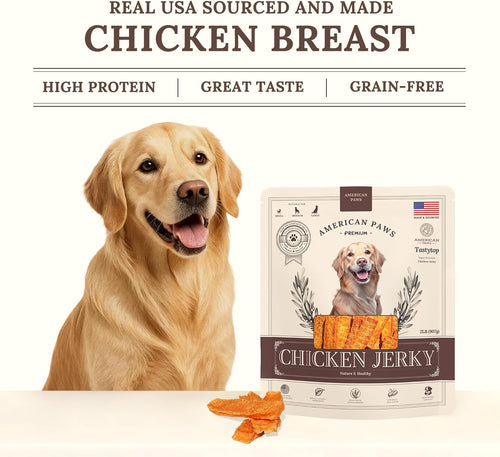
American Paws soft chicken training treats are made with USA chicken and a touch of natural glycerin for softness. They are all-natural, fragrant from real chicken, and easy to snip with scissors into the exact size your dog needs. The 2 lb resealable bag is practical for frequent training.
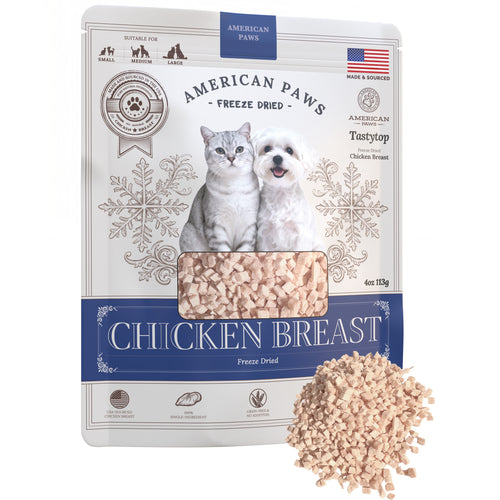
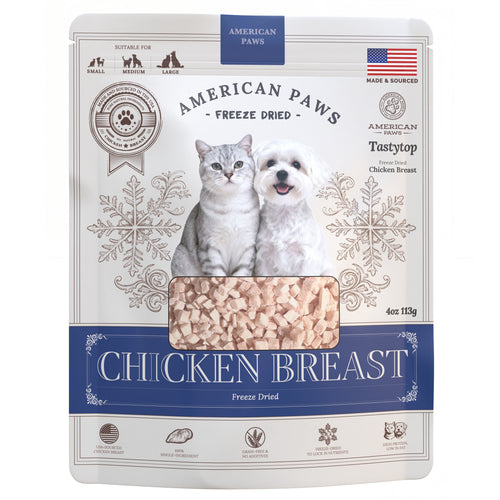
For tiny crunchy rewards, freeze-dried chicken breast is a single-ingredient option with naturally small pieces. You can also compare our single-ingredient chicken jerky and freeze-dried beef liver depending on your dog's reward value. For label basics, read our guide to single-ingredient dog treats, or browse the chicken collection.
Reward timing: the part most people miss
The treat is only one half of the training loop. Timing is the other half. Your dog needs to know exactly which behavior earned the reward. If your dog sits, then stands, then gets the treat, the lesson becomes unclear. Mark the sit the instant it happens, then deliver the reward. A clicker works because it creates a crisp sound at the exact moment of success.
If you do not use a clicker, pick a short word such as yes. Say it once, in the same tone, every time. The word becomes a bridge between the behavior and the treat. That bridge is especially useful when the dog is a few feet away, turning back toward you, or working around distractions.
How to fade treats without losing behavior
Treats help teach the behavior, but they do not have to stay visible forever. Once your dog understands a cue, start rewarding unpredictably. Sometimes reward with a treat, sometimes with praise, sometimes with a toy, and sometimes with permission to do something your dog wants, like sniffing or going through a door. This keeps the behavior strong without making the dog dependent on seeing food first.
Do not remove treats too quickly. If a behavior is new, hard, or happening in a distracting place, pay generously. If the behavior is easy and well practiced, you can reward less often. Good training adjusts the reward to the difficulty of the moment.
Training treat storage and prep
Prepare training pieces before the session starts. If you are cutting soft jerky, snip it into tiny pieces and put them in a pouch or small container. Keep the bag sealed between sessions so aroma and texture stay consistent. For outdoor sessions, bring only what you need and keep the rest fresh at home.
That small preparation step matters. When treats are ready, your timing improves, the session moves faster, and your dog spends less time waiting while you break pieces apart.
Common mistakes with training treats
The biggest mistake is using pieces that are too large. A large treat slows the session and adds calories quickly. The second mistake is rewarding late. If the reward comes after the dog has already moved into a different behavior, the lesson gets muddy. The third mistake is practicing too long. A tired dog learns less, even with a great treat.
Keep sessions short, count out your pieces, and end while your dog still wants more. That rhythm makes the treat feel valuable and keeps training fun.
Frequently asked questions
What treats do dog trainers use?
Many trainers use tiny, high-value treats that are easy to eat quickly. Real-meat treats are popular because aroma helps hold attention.
How small should training treats be?
Pea-size or smaller is a useful rule. For small dogs and puppies, go even smaller.
How many training treats a day is OK?
Keep treats around 10% or less of daily calories unless your veterinarian gives different guidance.
Are soft or crunchy treats better for training?
Soft treats are often faster to eat, but tiny crunchy pieces can work well for high-frequency rewarding.
What are the best training treats for puppies?
Choose very small, easy-to-chew pieces with simple ingredients. Keep sessions short and positive.
Keep rewards small and meaningful
The best training treat is the one your dog wants, can eat fast, and can enjoy in tiny portions. Start with real chicken, cut it small, and reward the moment your dog gets it right.