

dog treats
Best Treats for Puppies: Size, Softness, Calories & Age-by-Age Picks
Choose puppy treats by readiness, delivery size, texture, calories, and exact ingredients, with age-by-age guidance from weaning through later growth.
Your Cart 0
Item added to your cart

The American Paws Journal
Expert guides, ingredient insights, and care tips from our team — for dogs and the people who love them.
Browse ArticlesBrowse by topic
bulk dog treats
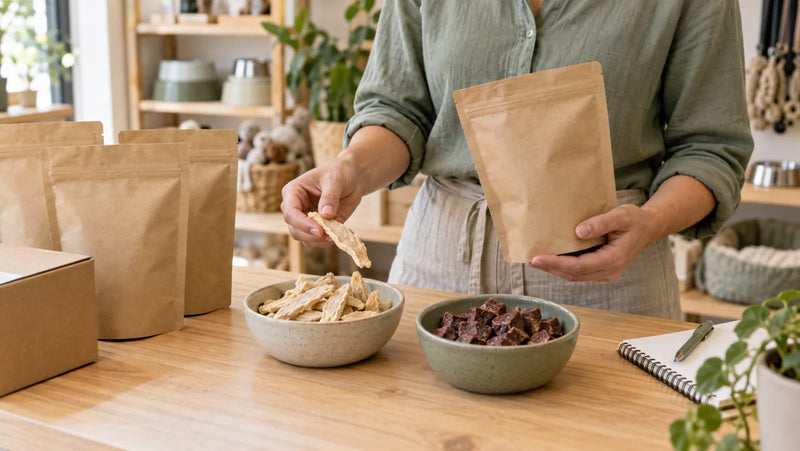
A retailer’s practical guide to evaluating wholesale freeze-dried dog treats—from crumbs and moisture-sensitive handling to mer...
dog treats
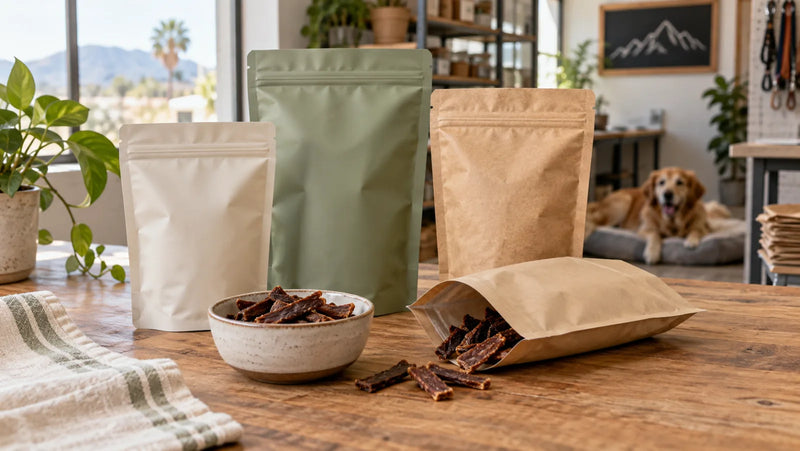
Choose the treat and fill weight first, then confirm the pouch, barrier, seal zone, artwork version, and customer-supplied bag ...
dog treats
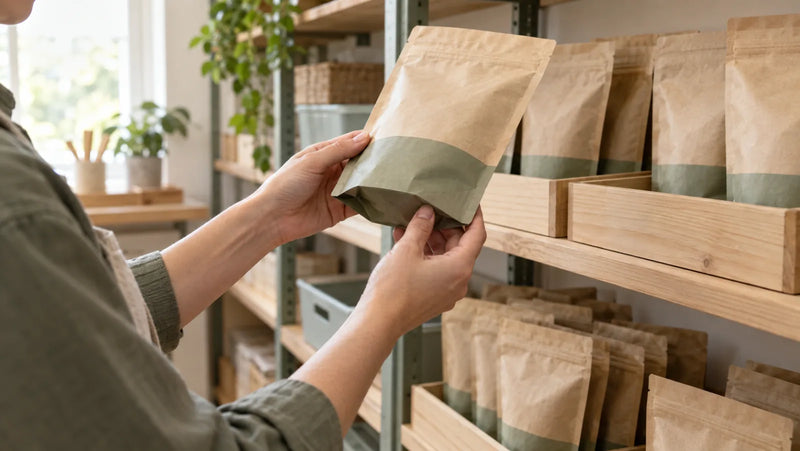
A retailer-ready shelf-life system starts with exact-item evidence, readable date and lot codes, earliest-date-first rotation, ...
chicken jerky
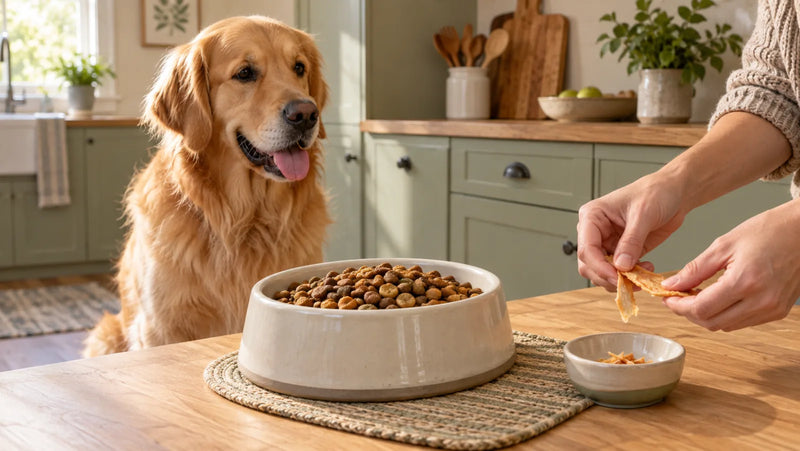
Learn why ordinary chicken jerky cannot replace complete dog food, how to read the nutritional adequacy statement, and how to u...

dog treats
A practical ecommerce supplier checklist covering inventory versus dropshipping, listing assets, product evidence, pricing term...
dog treats
A practical sourcing guide for subscription-box curators comparing treat formats, package size, shelf-life documentation, brand...
chicken feet
A conservative puppy guide to dental readiness, body size, calm chewing, first-session supervision, frequency, and dehydrated-v...

boarding
A practical buying and handling guide for dog daycare and boarding operators managing ingredient restrictions, bulk stock, staf...

bulk treats
A practical buying guide for trainers comparing usable reward size, value, handling, bulk working stock, packaged resale invent...

business guide
Use a repeatable retailer checklist to request, inspect, document, and compare wholesale dog treat samples before planning a tr...
business guide
Build a focused dog-treat assortment, merchandise it by shopper need, track samples and lots, and reorder each item from real s...
No articles in this topic yet.