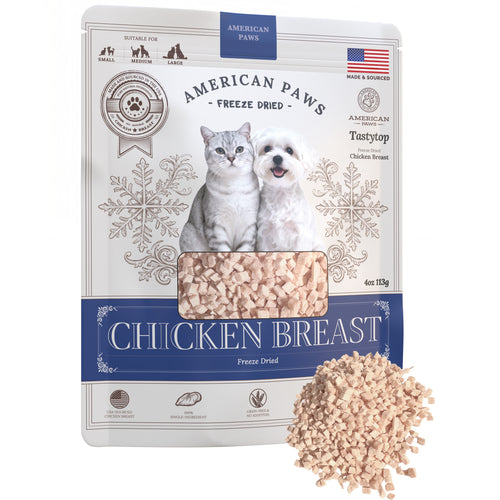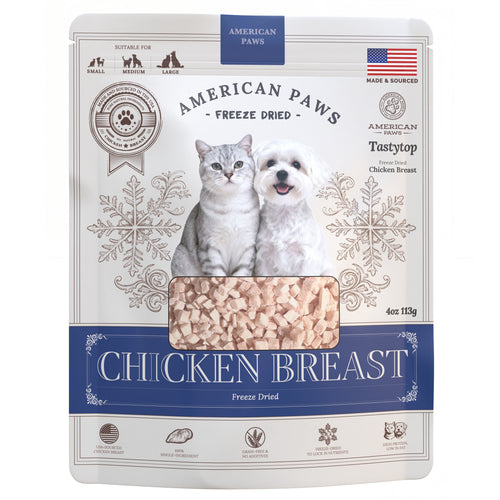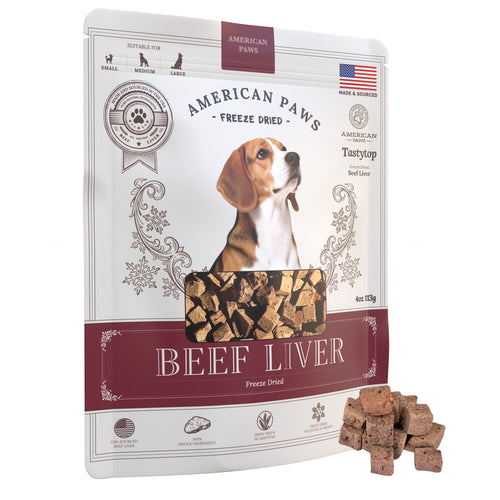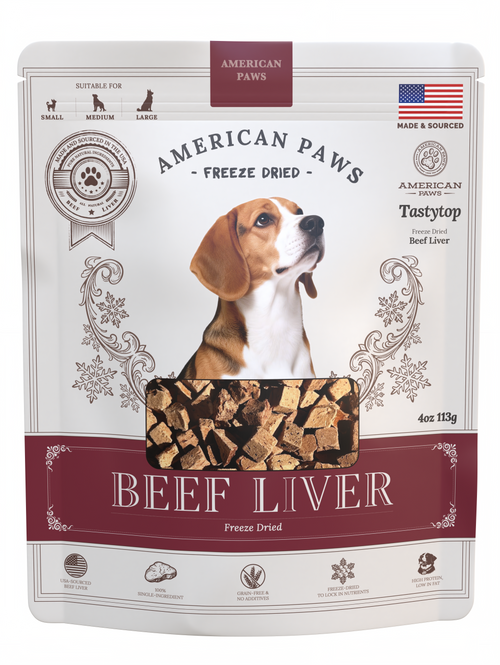

If you are wondering how to store freeze dried dog treats, use the original resealable bag, close it tightly after every use, and keep it in a cool, dry cabinet away from sunlight, steam, and wet hands. Most dry freeze-dried treats do not need routine refrigeration. The label on the specific bag always comes first.
Good storage protects the light, crunchy texture that makes freeze-dried rewards useful. It also keeps the lot number and best-by date available if there is a product question. If the treats become unexpectedly damp, sticky, moldy, badly discolored, or foul-smelling, do not try to save them. Throw them away.
How to store freeze dried dog treats: the quick answer
Use this routine each time you open the bag:
- Start with clean, completely dry hands or a dry scoop.
- Take only the amount you need.
- Press out excess air gently without crushing the pieces.
- Close the zipper seal all the way across.
- Return the bag to a cool, dry, pet-proof cabinet.
For a second layer of protection, place the closed original bag inside a clean, dry container with a snug lid. That setup blocks pantry humidity and pests while preserving the product name, lot code, storage directions, and best-by date.
| Situation | Best storage move | Main risk to avoid |
|---|---|---|
| Unopened bag | Keep sealed in a cool, dry cabinet and rotate by best-by date | Heat, sunlight, punctures, and humidity |
| Opened bag | Reseal immediately; keep the original bag inside a dry outer bin if useful | Open zipper, wet hands, old crumbs, and steam |
| Travel portion | Pack only the session or day’s amount in a clean, dry container | Hot cars, rain, slobber, and returning dirty pieces |
| Moistened or rehydrated | Prepare only what will be used promptly and follow the maker’s directions | Putting wet leftovers back into the dry bag |
Why freeze-dried treats need protection from moisture
Freeze-drying removes water from frozen food under a vacuum. The finished pieces are dry, light, and often porous. That low-moisture state helps the product remain shelf-stable, but it is not permanent if the package stays open in humid air.
Utah State University Extension’s dried-food packaging guidance explains the general principle: dried foods need airtight packaging so they do not pull moisture from the air, which can contribute to mold or spoilage. Freeze-dried dog treats follow the same moisture-control logic.
Low moisture helps only while the treat stays dry
A tightly sealed bag slows the exchange of humid room air with the dry air around the treats. A bag left open beside a boiling pot, sink, dishwasher, humid window, or wet training gear loses that protection. Even a clean hand can carry water after washing if it was not dried fully.
Moisture is not the only concern. Heat and direct sun can affect aroma, color, fats, and texture over time. The U.S. Food and Drug Administration advises keeping dry pet food and treats in a cool, dry place below 80°F. An interior pantry shelf is usually a better home than a garage, sunny counter, top of the refrigerator, or parked car.
Texture is an early quality signal
Fresh freeze-dried chicken and beef liver pieces are normally dry and crunchy. A topper is naturally finer, but it should still feel dry and pour or sprinkle freely. Unexpected softness, damp stickiness, or new clumps can signal that moisture entered the package.
A texture change alone cannot tell you exactly what happened, and crushing in transit can create harmless crumbs. Compare the product with how it looked and felt when the bag was first opened. When the change is clearly moisture-related, the package was damaged, or you are uncertain about safe handling, discard the questionable product instead of trying to dry it again.
The best way to store an opened bag
Opening a bag creates a simple daily job: keep the product dry without losing the information printed on its package. A tidy system matters more than an expensive container.
Keep the original package and its codes
The FDA’s pet food and treat storage guidance recommends retaining the original bag because it carries the product name, manufacturer, UPC, lot number, and best-by date. Those details help identify a batch if there is a complaint, quality question, or recall.
If the original zipper no longer works, save the entire labeled bag inside a clean lidded container. If you must transfer the treats, photograph or cut out the lot code, best-by date, product name, and directions, then keep that information with the new container.
Reseal immediately with clean, dry hands
Open the bag only as wide and as long as needed. Use dry fingers or a dedicated dry scoop, then run your fingers across the full zipper to confirm it closed. Crumbs lodged in the zipper can create a small gap, so brush them away with a clean, dry towel rather than wiping inside the bag with water.
Do not hold the main bag open through an entire training session. Portion rewards before you begin, close the main bag, and keep it away from the dog. This also prevents an enthusiastic pet from eating the full supply at once.
Add a clean airtight outer container when useful
An airtight container for freeze dried dog treats can add protection from humidity, pests, torn bags, and curious pets. The easiest arrangement is the sealed original bag placed inside the container. Choose a container that is food-safe, odor-free, completely dry, and large enough that the zipper is not forced open.
Wash the container between bags, then let it dry fully before reuse. Water trapped under a gasket or in a lid groove defeats the purpose. A container that once held strongly scented human food may also transfer odor, so dedicate one to pet treats when possible.
Never mix a new bag with old crumbs
Do not top off a jar with a new bag while old pieces, crumbs, or oils remain at the bottom. You would lose the link between the food and its lot code, mix two best-by windows, and carry residue into the fresh batch. Finish one bag, clean and dry the container, and then start the next.
Do freeze-dried dog treats need refrigeration?
Usually not when they are sold as a dry, shelf-stable treat and the label says to store them in a cool, dry place. The current American Paws freeze-dried chicken, beef liver, and chicken topper labels do not call for routine refrigeration. They call for tight resealing and dry pantry storage.
A cool pantry is usually the right default
Repeatedly moving a cold bag into warm, humid air can allow condensation to form on or inside the package. That is exactly the moisture a freeze-dried product needs protection from. A stable, cool pantry is simpler for these three dry products.
Freezing is not a routine freshness shortcut either. A freezer can protect a properly packaged product in some manufacturer-approved situations, but opening a cold package before it returns to room temperature can invite condensation. Do not improvise a freeze-and-thaw routine when the label already gives a pantry method.
Follow a different label when it requires cold storage
Not every freeze-dried product has the same recipe, processing method, packaging, or directions. Some products may be complete foods, raw-labeled formulas, rehydrated meals, or products with instructions that differ from a dry treat. Follow the exact label in your hand and contact the manufacturer if the storage wording is unclear.
Rehydrated treats are no longer dry pantry treats
Once you add water, broth, or another moist food, the dry-storage rules no longer apply. Make only the amount your dog will use promptly, keep the wet mixture separate from the main supply, and never pour damp leftovers back into the dry bag. Follow the product maker’s directions for any refrigerated leftovers; if none are provided, discard leftovers rather than inventing a storage window.
How long do freeze-dried dog treats last?
There is no honest universal number. Shelf life depends on the ingredient, moisture level, packaging barrier, seal, manufacturing process, best-by date, and conditions after opening. A salmon treat, chicken breast cube, beef liver bite, and powdered topper should not inherit one deadline from a generic article.
Use the package best-by date for unopened bags
For an intact unopened bag, read the manufacturer’s best-by date and storage directions. Use older bags first, and inspect the seal before opening. A puncture, broken zipper, swelling, leak, pest damage, or evidence that the package got wet is a reason to stop and contact the maker rather than rely on the printed date.
Follow the after-opening window on the specific product
American Paws currently recommends using its single-ingredient freeze-dried chicken treats within 30 days of opening. The freeze-dried beef liver training treats carry the same 30-day best-quality window for aroma and effectiveness as a reward. The freeze-dried chicken meal topper also says to use it within 30 days after opening for maximum quality.
That 30-day guidance belongs to these specific current labels. It is not a universal safety rule for every brand, and it does not replace the best-by date or the directions on a different bag.
Why a date cannot overrule moisture or contamination
A well-stored bag may remain dry and appealing through its intended quality window. A badly stored bag can become questionable much sooner. Do not feed a product merely because the calendar says time remains if it got wet, sat in a hot car, was chewed open, collected insects, or developed an abnormal odor or appearance.

Signs freeze-dried dog treats should be thrown away
Discard the bag if you notice any of the following:
- Visible mold, fuzzy growth, or unexplained dark, gray, green, or wet spots.
- A sour, rancid, rotten, chemical, or otherwise abnormal odor.
- Dampness, sliminess, stickiness, or major unexpected softness in pieces that began crisp.
- New wet clumps or caking in topper crumbles.
- Insects, webbing, foreign material, or a bag damaged by pests.
- A torn, punctured, leaking, unsealed, swollen, or water-damaged package.
- Known exposure to rain, a wet scoop, standing water, or prolonged heat in a vehicle.
Do not remove one moldy piece and keep the rest, taste the product yourself, or attempt to re-dry it at home. If your dog becomes ill after eating a treat, stop feeding the product, preserve the bag and lot information, and contact your veterinarian and the manufacturer.
Travel and training-pouch storage
A training pouch is a serving tool, not a pantry. It collects crumbs, lint, outdoor humidity, and sometimes saliva from repeated handling. Before a walk or class, move only the expected session amount into a clean, dry mini container or pouch. Keep the main bag sealed at home.
On a trip, store the travel portion out of direct sun and never leave it in a parked car. Keep it physically separate from ice, wet towels, water bottles that may leak, and refrigerated food that can create condensation. A small rigid container helps prevent the brittle pieces from turning into dust.
For a route-specific selection and packing checklist, see our guide to dog treats for hiking, including portable formats, hydration, and calorie control.
At the end of the session, return unused pieces only if they stayed clean, dry, and untouched. Discard anything that contacted a wet hand, slobber, rain, dirt, or a dirty pocket. Empty crumbs from the pouch and clean it according to its care instructions before the next use.
Storage notes for chicken, beef liver, and topper formats
The same sealed-and-dry routine works across the line, but each format gives slightly different clues when storage slips.
Freeze-dried chicken pieces
American Paws chicken pieces are made from 100% USA chicken breast and have a light, crunchy texture. The label lists moisture at 5% maximum and specifically says to reseal tightly after opening to prevent moisture absorption. Unexpected softness or dampness is more meaningful than harmless crumbs created by normal breakage.
Freeze-dried beef liver pieces
The beef liver treats are made from 100% USA beef liver and are naturally aromatic, crunchy rewards. Their label lists moisture at 7% maximum. Because aroma is part of their training value, tight sealing protects both texture and the scent that makes a tiny piece motivating.
Freeze-dried chicken topper crumbles
The chicken topper is 100% USA chicken breast that is finely ground and freeze-dried. Its crumb format is supposed to be small, so powder alone is not a spoilage signal. Watch instead for damp caking, stickiness, a changed odor, or clumps that appear after humidity exposure. Use a dry spoon and close the bag before adding the topper to a moist meal.
You can compare the two crunchy treat products in the American Paws freeze-dried treats collection, then view the topper separately on its product page. For other textures and recipes, browse all American Paws dog treats and follow the storage statement on each product rather than assuming the whole catalog shares one rule.
Freeze-dried storage is not the same as jerky storage
Freeze-dried pieces are typically light, brittle, and porous. Dehydrated jerky is denser and chewy. Both formats benefit from a sealed, cool, dry environment, but they may show moisture uptake differently: a freeze-dried cube may lose its crunch or a topper may cake, while jerky may become newly sticky or damp.
For the process and texture distinction, see our guide to freeze-dried versus dehydrated dog treats. If the bag in your hand contains jerky, use the separate instructions for how to store chicken jerky dog treats. Keeping those formats separate gives each product the storage routine it actually needs.
A 30-second storage checklist
- Dry: clean hands, dry scoop, dry bag, dry container.
- Sealed: close the full zipper immediately after portioning.
- Cool: choose an interior cabinet away from sun, steam, and appliances.
- Traceable: retain the original label, lot code, and best-by date.
- Small: carry only a day or session portion away from home.
- Observed: compare aroma, color, and texture before feeding.
- Discarded when doubtful: no treat is worth guessing over.
Frequently asked questions
Can I put freeze-dried dog treats in a glass jar?
Yes, if the jar is food-safe, odor-free, airtight, and completely dry. The stronger setup is to place the closed original bag inside the jar or bin so the lot number and best-by date remain attached. If you transfer the pieces, save those details and wash and fully dry the jar before the next bag.
Can freeze-dried dog treats be frozen?
Do not freeze them by default when the label calls for cool, dry pantry storage. Freezing and thawing can introduce condensation if the package is opened while cold. If a manufacturer specifically recommends freezing, follow its packaging, thawing, and after-opening directions exactly.
What if the treats have become soft?
A piece can crumble from handling, but a broad change from crisp to damp, sticky, or unusually soft suggests moisture exposure. Check the seal, smell, color, package condition, and storage history. When the change is unexplained or the product may have gotten wet, discard it rather than trying to make it crisp again.
Should I keep the packet that came inside the bag?
Follow the package or manufacturer instructions. Leave a manufacturer-supplied packet intact only as directed, and keep it away from pets and children. Never feed the packet, cut it open, or add a household desiccant or oxygen absorber that was not approved for that product.
Can I return unused treats from a training pouch to the bag?
Only if they remained completely clean and dry. Do not return pieces exposed to saliva, rain, wet hands, dirt, lint, or a leaking water bottle. When in doubt, discard the small travel portion so contamination does not reach the main bag.
Keep every bag dry, sealed, and easy to trace
The best freeze dried dog treats storage system is simple enough to repeat every day: preserve the original package, use clean dry hands, reseal immediately, store the bag in a cool cabinet, and portion travel rewards separately. Follow the specific best-by and after-opening directions instead of borrowing a universal shelf-life number from another product. For the cross-format overview, see our guide on how to store dog treats by type.
Ready to choose a format that fits your routine? Explore American Paws freeze-dried treats for light chicken and beef liver rewards, or compare all our dog treats. Whichever product you choose, treat moisture control as part of feeding with care: dry, sealed, cool, and never questionable.