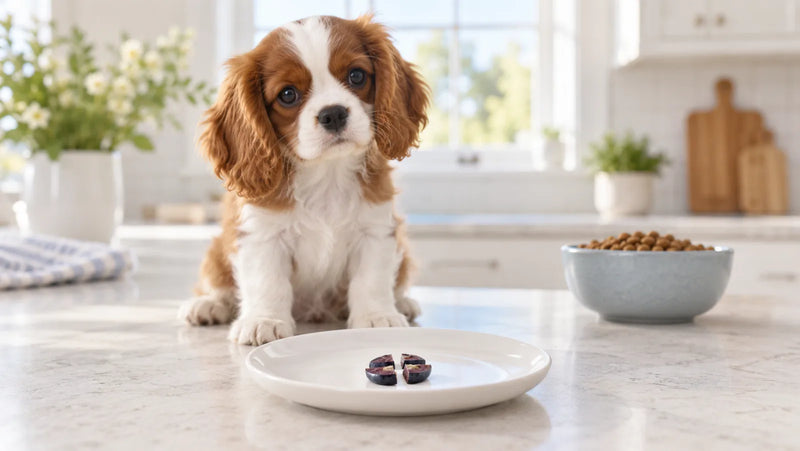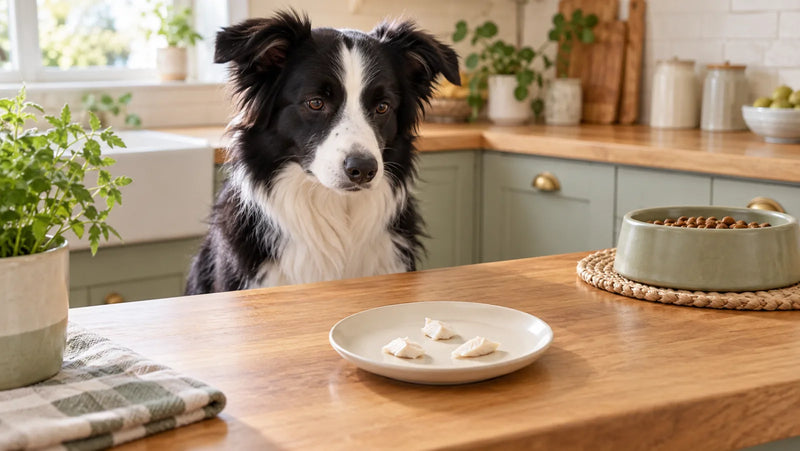

If you have ever compared freeze-dried dog treats with dehydrated jerky, you have probably noticed the obvious difference first: one is light and crunchy, the other is chewy and dense. But the difference is more than texture. The way moisture is removed affects how the treat feels, how it breaks apart, how dogs respond to it, and where it fits best in your routine.
At American Paws, we make both styles because they solve different problems for pet parents. Freeze-dried bites can be excellent for training and quick rewards. Dehydrated chicken jerky is a satisfying everyday treat with a chewy, high-value feel. Both can fit a simple-ingredient approach when they are made with real protein and no unnecessary fillers.
The short answer
Freeze-dried treats are made by freezing the ingredient and removing moisture under low pressure. The result is usually light, airy, crunchy, and easy to break into small pieces.
Dehydrated treats are made by gently removing moisture with low heat and airflow. The result is usually denser, chewier, and closer to a traditional jerky texture.
Neither process is automatically "better" for every dog. The better choice depends on how you plan to use the treat, what texture your dog likes, and how much value you place on portability, chew time, aroma, and portion control.
Freeze-dried dog treats: light, crunchy, and training-friendly
Freeze-drying is popular because it can create a very lightweight treat with strong natural aroma. Since the final pieces are dry and brittle, they are easy to portion into tiny rewards without much mess. That makes freeze-dried treats especially useful when you need frequent reinforcement.
For training sessions, a small reward matters. You want something your dog notices, but you do not want to overfeed while practicing recall, leash manners, crate comfort, grooming cooperation, or basic cues. A freeze-dried bite can often be broken smaller and delivered quickly.
Best uses for freeze-dried treats
- Training sessions that need many small rewards
- Puppy classes and recall practice
- Dogs who prefer a light crunch
- Travel bags or treat pouches where low weight helps
- Meal topping when crumbled over food
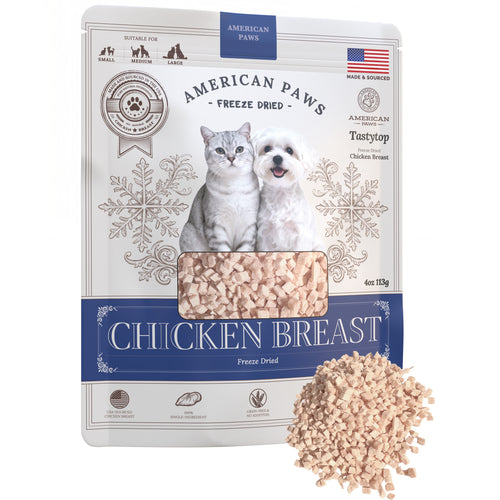
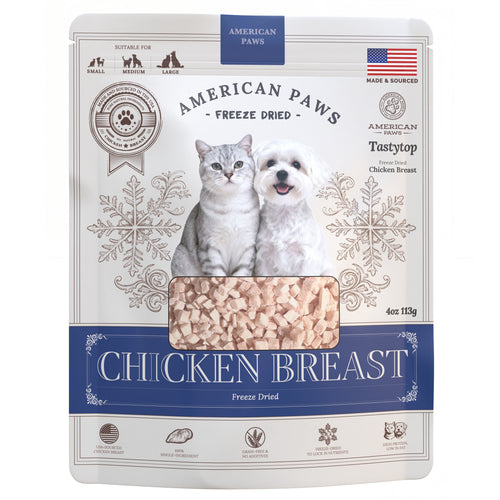
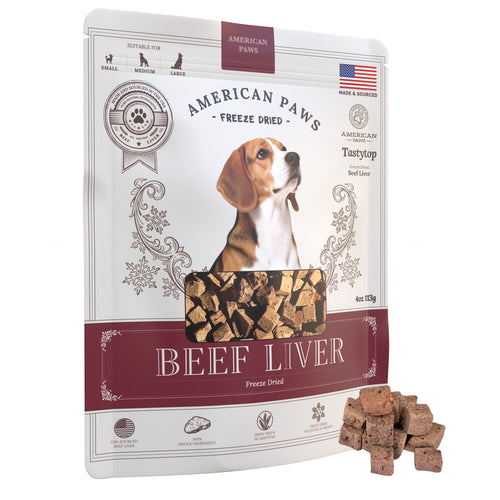
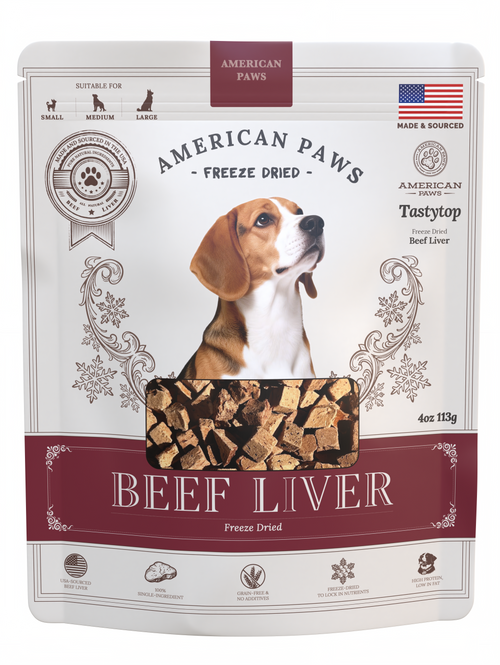
If your dog responds well to rich aroma, our freeze-dried beef liver training treats are built for high-value reward moments. For a lighter chicken option, our freeze-dried chicken treats keep the ingredient list simple and easy to understand.
Dehydrated dog treats: chewy, satisfying, and simple
Dehydration removes moisture through controlled airflow and gentle heat. For meat treats, this often produces a chewy texture dogs can spend a little more time enjoying. Dehydrated chicken jerky is not meant to disappear quite as quickly as a tiny training bite. It is more of a satisfying reward.
That chewy texture is one reason many pet parents keep jerky on hand for daily treating. It can be used after walks, as an occasional high-value reward, or broken into smaller pieces for dogs who like a meatier chew.
Best uses for dehydrated treats
- Everyday rewarding
- Dogs who enjoy chewy texture
- Break-apart treats for different dog sizes
- Special rewards after walks or grooming
- Pet parents who want a simple, recognizable jerky-style treat
Our chicken jerky dog treats are made for that kind of simple daily reward: real chicken, a chewy bite, and a label that does not need a dictionary.
Freeze-dried vs. dehydrated: quick comparison
| Feature | Freeze-dried treats | Dehydrated treats |
|---|---|---|
| Texture | Light, dry, crunchy | Chewy, dense, jerky-like |
| Training use | Excellent for small, frequent rewards | Good when broken into smaller pieces |
| Chew time | Usually quick | Usually longer and more satisfying |
| Portability | Very lightweight | Still portable, but denser |
| Best fit | Training, topping, quick rewards | Everyday treats, chewy rewards |
Which treat is better for training?
For most structured training, freeze-dried treats have an edge because they are light, easy to portion, and quick to eat. Dogs can take the reward and get right back to the next repetition. That makes them practical for puppy training, recall work, leash skills, and any session where timing matters.
That said, dehydrated jerky can still be a strong training reward if your dog finds it especially motivating. The key is portion size. Break jerky into small pieces before the session so your dog does not spend too long chewing between cues.
Which treat is better for picky dogs?
Picky dogs often respond to aroma and texture. Some prefer the rich smell and crunch of freeze-dried pieces. Others get more excited about chewy jerky. If you are not sure which direction your dog prefers, try matching the treat to the moment: freeze-dried for quick reward sessions, dehydrated jerky for a more satisfying snack.
For mealtime interest, freeze-dried chicken can also be crumbled lightly over food. If your dog needs more encouragement at the bowl, a simple chicken topper may be an even better fit.
What about storage?
Both freeze-dried and dehydrated treats should be stored thoughtfully. Keep the bag sealed, store it in a cool and dry place, and avoid leaving treats exposed to humidity. Moisture is the enemy of texture and freshness.
Always follow the storage guidance on the package. If a treat changes smell, texture, or appearance, do not feed it. When in doubt, replace it.
Are these treats good for sensitive dogs?
Simple-ingredient treats can be helpful for pet parents who want to avoid long labels, but no treat is perfect for every dog. Protein choice matters. Portion size matters. Your dog's health history matters too.
If your dog has allergies, pancreatitis, kidney disease, digestive issues, or a special diet plan, ask your veterinarian which proteins and treat types are appropriate. Simple labels make that conversation easier because you can clearly explain what the treat contains.
How American Paws thinks about both styles
We do not see freeze-dried and dehydrated treats as competitors. We see them as different tools for different moments. A training pouch may need lightweight freeze-dried rewards. A treat jar may need chewy chicken jerky. A multi-dog household may keep both.
For a product-specific choice between our two chicken formats, compare dehydrated versus freeze-dried chicken for dogs by piece size, texture, and reward pace.
The shared standard is simple: real ingredients, careful preparation, and treats made in the USA with pet parents in mind.
Explore our full treat collection to compare freeze-dried bites, chicken jerky, toppers, and natural chews.
Frequently asked questions
Are freeze-dried dog treats the same as dehydrated dog treats?
No. Both remove moisture, but the processes are different. Freeze-dried treats are usually lighter and crunchier, while dehydrated treats are usually denser and chewier.
Are freeze-dried treats good for dog training?
Yes, freeze-dried treats are often a practical training choice because they are lightweight, aromatic, and easy to break into small rewards.
Is dehydrated chicken jerky good for dogs?
Dehydrated chicken jerky can be a good reward for many dogs when it is made with simple ingredients and fed in appropriate portions. Choose the size and texture that fit your dog.
Can I use both freeze-dried and dehydrated treats?
Yes. Many pet parents use freeze-dried treats for training and dehydrated jerky for everyday rewarding. Introduce new treats gradually and feed them as part of a balanced routine.
How many treats should I give my dog?
Treats should complement your dog's regular diet, not replace meals. Portion based on your dog's size, activity level, and your veterinarian's guidance.
Ready to find your dog's favorite texture? Shop American Paws treats and compare chewy jerky with light freeze-dried rewards.