dog treat safety
Freeze-Dried Raw Dog Treats: What 'Raw' Really Means
Learn what “raw” means on freeze-dried dog treats, how the process differs from cooking, which safety and label checks matter, and why treats are not complete diets.
Your Cart 0
Item added to your cart
The American Paws Journal
Expert guides, ingredient insights, and care tips from our team — for dogs and the people who love them.
Browse ArticlesBrowse by topic

chicken jerky
Trail rewards should be small, portable, and protected from heat and moisture. Compare formats, pack a dry day portion, and cou...

cat treats
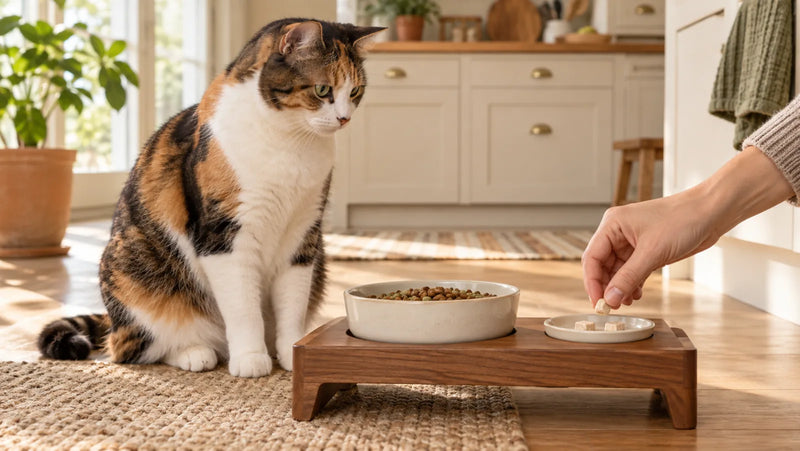
A calorie-first guide to daily cat treats, with the 10% rule, body-weight examples, a simple count formula, and an all-extras b...

cats
A label-first guide to regular and adult cat treats for kittens, covering age readiness, piece size, portions, and when to ask ...

chicken jerky
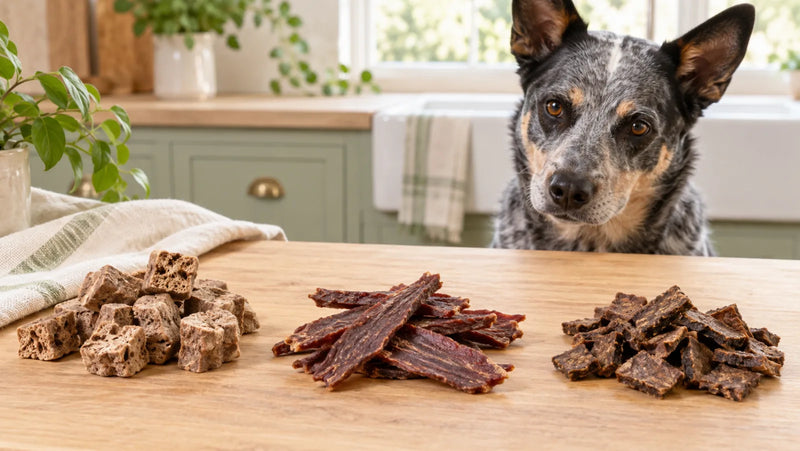
Compare two single-ingredient chicken formats—whole-cut chewy jerky and small crunchy freeze-dried pieces—to match training, da...

beef liver
Keep freeze-dried treats dry and crunchy with a simple routine for opened bags, pantry storage, travel portions, shelf-life lab...

dog treats
Compare dog treats by fat guarantees, calories, and portion size, with separate guidance for weight goals and veterinarian-mana...

cats
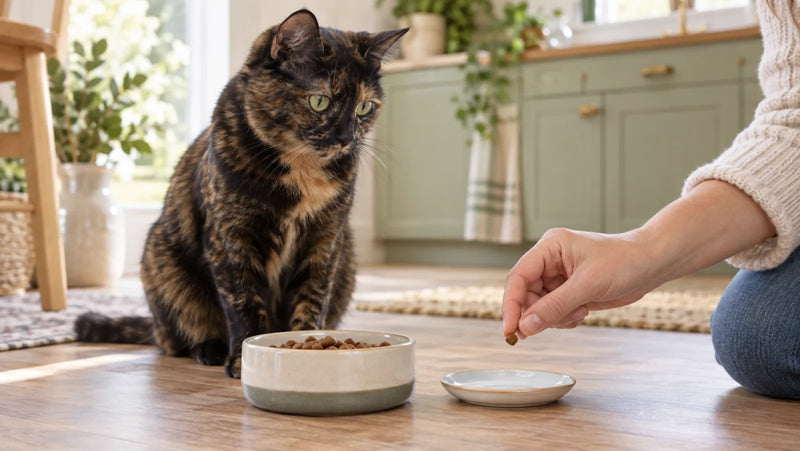
A safety-first guide to when kittens can start treats, how much to give, which textures are easiest, and why tiny freeze-dried ...

freeze dried
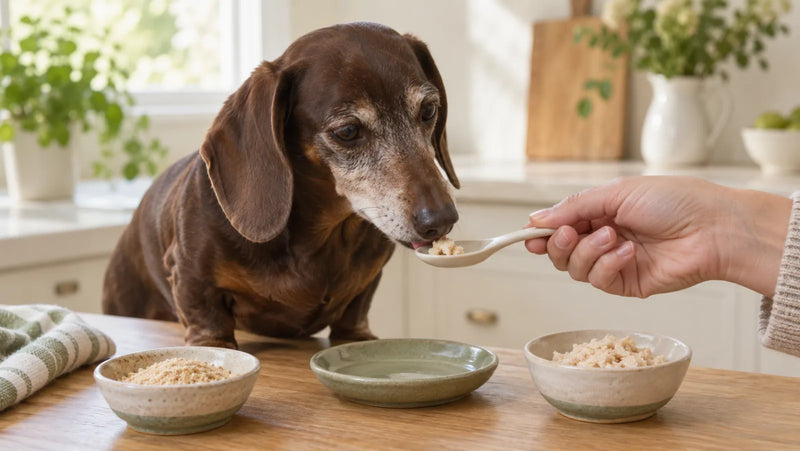
Choose and use senior dog training treats with practical guidance on texture, tiny portions, calorie planning, reward value, an...

chicken jerky
Small dogs need treats selected for their mouths, chewing habits, and limited calorie room. Use this practical guide to compare...

cat food topper
A practical guide to choosing and using a cat food topper for an otherwise healthy picky eater—without replacing balanced meals...

chicken
Compare freeze-dried toppers with wet foods, broths, and treat pieces, then learn how to choose, portion, store, and serve a si...
No articles in this topic yet.