
The best training treats for senior dogs are easy for the individual dog to chew, aromatic enough to stay motivating, and simple to divide into very small rewards. Choose the texture around your dog's teeth and swallowing ability, prepare the session's portion in advance, and keep all treats within the day's calorie plan.
Older dogs can keep learning. A thoughtful reward helps make short practice sessions enjoyable without asking the dog to eat a large snack or perform uncomfortable movements. Age alone, however, does not tell you which texture or ingredient is right. Watch how your dog takes, chews, and finishes each piece, and adapt as those abilities change. For the wider comparison, see our guide to the best dog training treats.
Training treats for senior dogs: the quick checklist
A useful senior training reward should pass three practical tests before a session begins.
Easy for this dog to chew and swallow
Choose a texture your dog handles comfortably today. Some older dogs manage crisp pieces that break cleanly; others need a flexible reward or a food their veterinarian has approved for moistening. Stop if your dog repeatedly drops food, coughs, gags, paws at the mouth, or seems reluctant to chew.
Small enough for frequent rewards
Training works through repetition, so prepare tiny pieces rather than handing out full-size treats. The reward only needs to be large enough for the dog to notice and enjoy. Breaking one treat into several rewards increases the number of learning moments without increasing the total amount eaten.
Motivating without becoming the whole diet
Pick a familiar ingredient with enough aroma to hold your dog's attention, then use the lowest reward value that works for the task. Complete-and-balanced food should remain the nutritional foundation. Treats, toppers, chews, and table samples all count as extras.
Why keep training an older dog?
Training is not reserved for puppies. Brief, comfortable practice can preserve useful routines, give a senior dog predictable one-on-one time, and provide manageable mental activity. Familiar skills such as hand targeting, waiting at a doorway, settling on a mat, or accepting gentle grooming can also make daily care easier.
The goal is not to prove that an older dog can perform like a young athlete. Adjust the exercise to the dog. Work on a nonslip surface, keep sessions short, allow rest, and avoid repeated jumping, tight turns, or positions that appear difficult. Ask your veterinarian about suitable activity when pain, weakness, balance changes, or a diagnosed mobility condition is involved.
Match treat texture to teeth and chewing ability
“Senior” on a label does not guarantee that a treat will suit every older mouth. Dental disease, missing teeth, jaw comfort, swallowing ability, and chewing style matter more than the dog's birthday. Inspect the actual piece and supervise the first servings.
Crisp, breakable freeze-dried pieces
Freeze-dried meat is light and can often be divided into small pieces before training. It can work well for a dog that comfortably handles a crisp texture because a tiny prepared reward is quick to deliver. Break oversized pieces on a clean surface; do not assume that light texture eliminates choking risk.
Soft or flexible rewards
A softer reward may suit a dog with fewer teeth, but softness is not an automatic safety claim. Flexible treats can still be too large or sticky, and added ingredients may be used to create their texture. Read the complete ingredient list, calorie statement, and feeding directions rather than choosing by texture words alone.
When to avoid hard chews
Training rewards should be quick to finish. Very hard items and long-lasting chews serve a different purpose and may be inappropriate for dogs with dental problems. Do not cut a firm chew into a gulp-size piece and treat it as a rapid reward. Your veterinarian can advise on texture when your dog has broken teeth, mouth pain, prior choking, or swallowing difficulty.
Make every reward senior-size
Prepare the entire session amount before calling your dog. For many training exercises, pea-size or smaller is a useful visual starting point, but there is no universal safe measurement. Use the smallest piece that motivates your dog and is taken comfortably.
Place the planned amount in a pouch or small cup and put the main bag away. Watch the first several repetitions. A suitable piece should be accepted and finished without a long chewing delay, repeated dropping, coughing, or hard gulping. Our dog training treat size guide explains how piece size, repetition count, and reward speed work together.

Plan treats within the daily calorie budget
A senior dog's calorie needs can change with activity, body condition, muscle mass, and health. The common guideline is to keep treats and all other extras under about 10% of daily calories while complete-and-balanced food supplies at least 90%. That percentage is a general planning guide, not an individualized prescription.
Count calories, not just pieces. One dense cube can contribute more than several airy crumbs, and breaking a treat changes the number of rewards but not its total calories. Review the product label and include treats given by every family member. The daily dog treat allowance guide provides a step-by-step way to plan extras.
Ask your veterinarian to set an appropriate allowance if your dog is gaining or losing weight, eats a therapeutic diet, has a condition affected by nutrients or calories, or has recently changed activity. You can also reserve part of the dog's measured meal for easy indoor practice when the regular food is motivating enough.
Choose reward value for the difficulty
Not every behavior needs the richest treat. Use lower-value rewards for familiar skills in a quiet room and save a more aromatic reward for harder tasks, distractions, grooming cooperation, or a new behavior. This makes each high-value piece more meaningful and helps control the session total.
Reward value belongs to the dog, not the package. One dog may work eagerly for regular food while another needs a tiny meat reward. Preferences can also change. If a senior dog suddenly rejects a long-time favorite, do not keep escalating to richer foods indefinitely; look for pain, nausea, medication effects, or another change that needs veterinary attention.
Practical American Paws options for older dogs
No product is automatically right for every senior dog. These two formats illustrate how to choose around texture, protein familiarity, and the training situation.
Freeze-dried chicken for a light, breakable reward
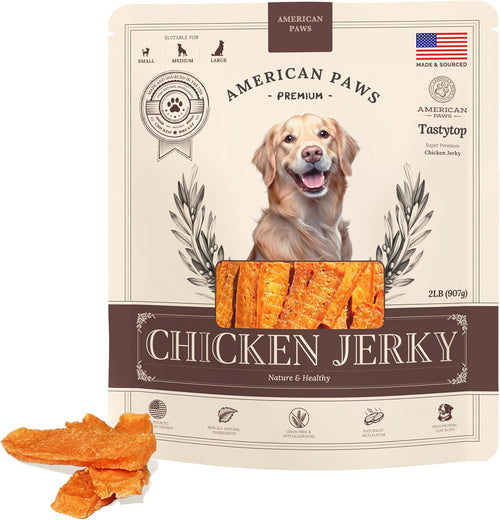
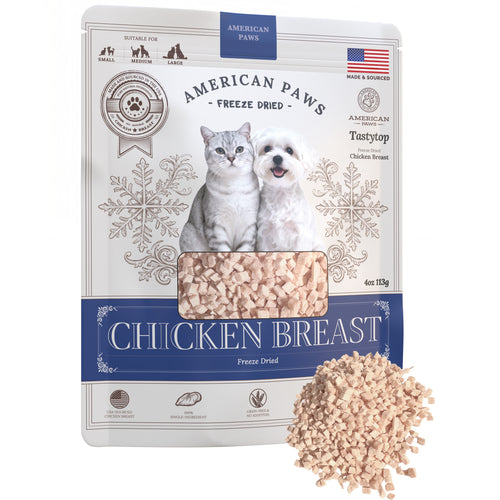
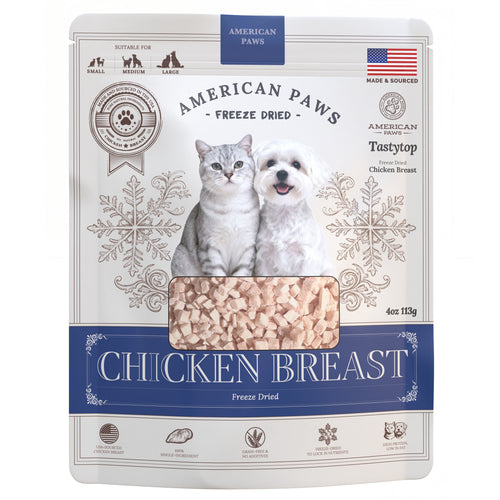
American Paws single-ingredient freeze-dried chicken is made with 100% USA chicken breast. Its light pieces can be broken smaller before a session, which is useful when frequent rewards are needed. Choose it only if your dog tolerates chicken, and follow the package directions.
Freeze-dried beef liver for high-distraction moments
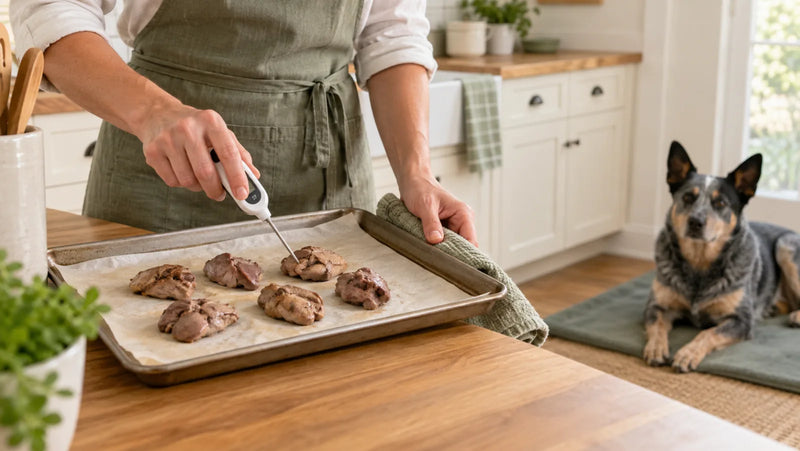
American Paws freeze-dried beef liver training treats contain single-ingredient USA beef liver. Liver's aroma can make a tiny piece valuable during a difficult exercise. It is nutrient-dense, so use deliberately small portions rather than handfuls and ask your veterinarian before using it with a restricted diet or relevant health condition.
For a broader comparison of textures and treat purposes beyond training, see our guide to the best treats for senior dogs.
A low-impact senior training session
- Set up the surface. Choose a quiet, nonslip area with comfortable footing and fresh water nearby.
- Prepare the portion. Break or measure tiny rewards, then close and store the package.
- Pick one comfortable skill. Practice a hand target, chin rest, mat settle, name response, or another movement your dog performs without strain.
- Reward quickly. Deliver the piece close enough that the dog does not need to jump, twist, or scramble.
- Stop while the dog is engaged. A few successful repetitions can be enough. End before fatigue or frustration.
Several one- or two-minute sessions may suit an older dog better than one long session. Observe breathing, posture, footing, and enthusiasm. Training quality matters more than repetition count.
Adjust the setup for mobility, vision, and hearing changes
Bring the reward to a comfortable height instead of luring a dog through a deep bend or overhead stretch. Use rugs or mats for traction, keep pathways clear, and avoid making the dog turn tightly. If hearing has changed, pair a consistent hand signal with the reward. If vision is limited, use a calm voice, predictable positioning, and a treat with a noticeable aroma.
Do not diagnose age-related changes yourself. A dog that hesitates, startles, wanders, slips, or stops responding may be experiencing pain, sensory change, medication effects, or another medical issue. Record what you see and discuss it with your veterinarian.
Safety and veterinary red flags
- Introduce only one new treat at a time and start with a tiny amount.
- Avoid known allergens and ingredients that conflict with a prescription diet.
- Supervise every new size and texture; separate pets if competition causes gulping.
- Keep treats sealed, dry, and stored according to the label. Discard damp, moldy, damaged, or unusually odorous product.
- Stop and seek prompt veterinary advice for coughing, gagging, trouble breathing, inability to swallow, facial swelling, repeated vomiting, collapse, or another acute reaction.
- Arrange a veterinary evaluation for persistent appetite change, mouth pain, repeated food dropping, weight change, diarrhea, lethargy, or a major behavior change.
Treats should support a safe training plan, not cover up a problem. A sudden change in willingness to eat or participate deserves attention even when a dog is old.
Frequently asked questions
Can senior dogs still be trained with treats?
Yes. Older dogs can learn and practice skills when sessions match their comfort, mobility, and attention. Use tiny rewards, a nonslip setup, and short exercises that do not require painful movement.
What texture is best for an old dog?
There is no single best texture. Choose what the individual dog chews and swallows comfortably. Crisp breakable pieces suit some dogs, while others need a softer veterinarian-approved option. Dental and swallowing problems require professional guidance.
How many training treats can a senior dog have?
There is no universal piece count because treats vary in calories and senior dogs have different needs. Plan all extras within the general daily treat guideline, check the label, and ask your veterinarian for an individual calorie target.
Are beef liver treats good for senior dogs?
Tiny beef liver pieces can be highly motivating for a dog that tolerates beef. Liver is nutrient-dense, so moderation matters. Confirm suitability with your veterinarian when the dog has a medical condition or follows a restricted diet.
What if my senior dog suddenly stops taking treats?
End the session and observe the dog rather than continually offering richer food. Sudden refusal can accompany dental pain, nausea, medication effects, stress, or other changes. Contact your veterinarian when the change persists or comes with other symptoms.
Keep rewards small and the learning worthwhile
Good senior dog training treats fit the dog's current chewing ability, diet, motivation, and movement. Prepare tiny portions, choose reward value to match the task, keep sessions comfortable, and adjust when your dog communicates that something has changed.
Compare American Paws freeze-dried chicken and beef liver if a light, breakable meat reward fits your veterinarian-approved plan. Choose one familiar protein, prepare a few tiny pieces, and begin with one short, comfortable skill your dog can succeed at today.