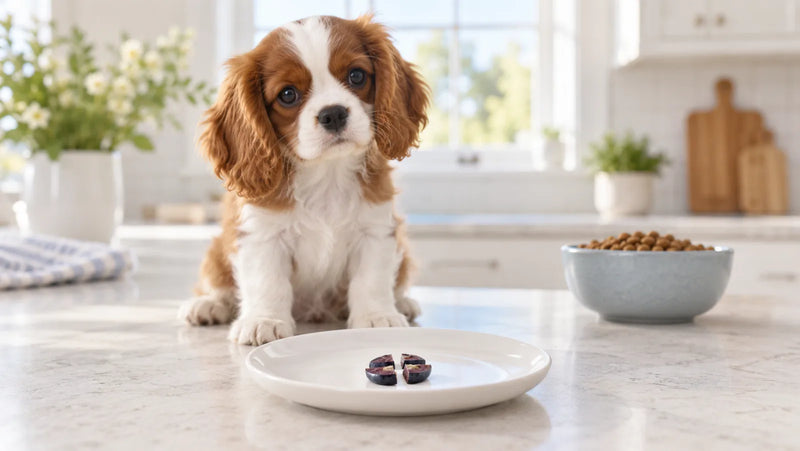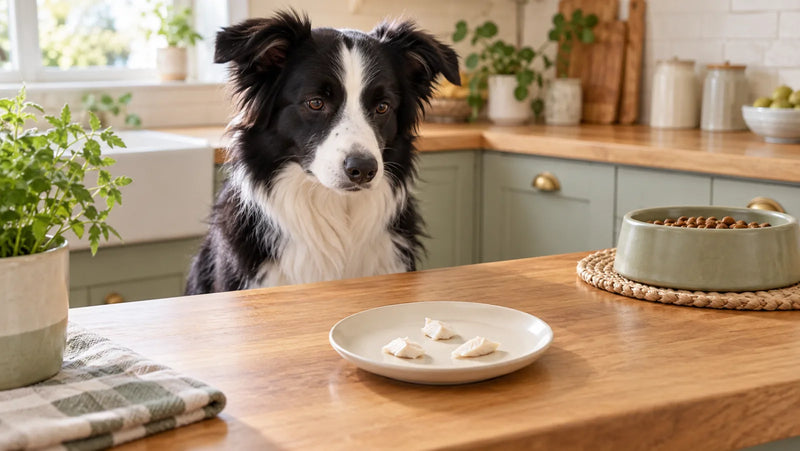

Dog training treat size guide advice is simple: most rewards should be pea-size or smaller, especially when you are practicing repeated cues. Tiny pieces let you reward quickly, keep calories under control, and help your dog stay in the learning rhythm instead of stopping to chew.
The right size depends on your dog's body size, the difficulty of the skill, and the texture of the treat. A strong-smelling real-meat reward can be much smaller than a bland biscuit because the value comes from aroma and flavor, not bulk.
Dog training treat size guide: the quick rule
Start with a piece about the size of a pea for medium and large dogs. For puppies, toy breeds, and frequent repetitions, cut smaller. For a very large dog working on a hard skill, you may use a slightly bigger piece occasionally, but most training sessions still work best with tiny rewards.
A useful test is speed. If your dog needs more than a second or two to eat the reward, it is probably too large for training. Save bigger pieces for calm chewing moments and use tiny pieces when you need fast feedback.
Why small training treats work better
Training is a sequence: cue, behavior, marker, reward, reset. Large treats interrupt that sequence. Your dog chews, looks around, sniffs the floor, and the lesson loses momentum. Small pieces keep attention on the next repetition.
Small rewards also make portion control easier. Many pet parents are surprised by how quickly full-size treats add up. If treats are part of daily training, they should usually stay around 10% or less of daily calories unless your veterinarian gives different guidance.
Size by dog and session type
Puppies and toy breeds
Use crumb-size to half-pea-size pieces. Puppies often train in very short sessions, and tiny rewards prevent the session from turning into a snack meal. Soft textures are helpful because young dogs can eat them quickly.
Small and medium adult dogs
Use half-pea to pea-size pieces for most indoor skills. For outdoor work or recall practice, increase value before increasing size. A tiny piece of a better-smelling treat usually works better than a large piece of a low-value one.
Large dogs
Large dogs can still learn with pea-size rewards. The piece does not need to match the dog's mouth size. It only needs to be noticeable, motivating, and fast to eat. Use extra-small pieces for high-repetition work such as loose-leash walking or name response.

How to cut soft jerky into training-size pieces
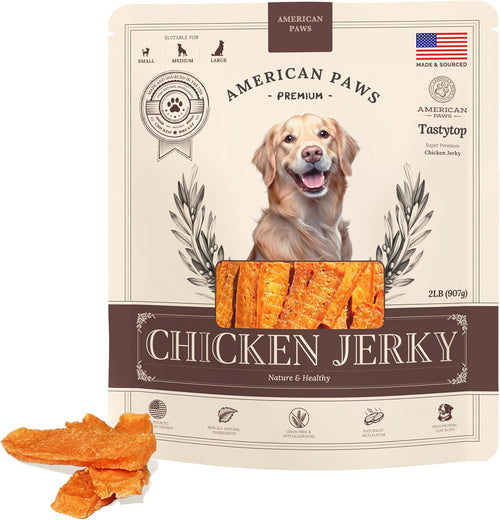
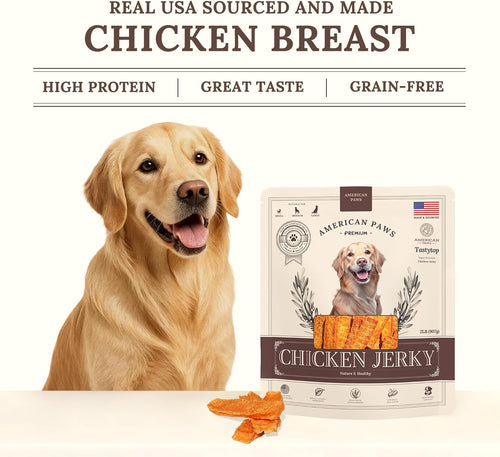
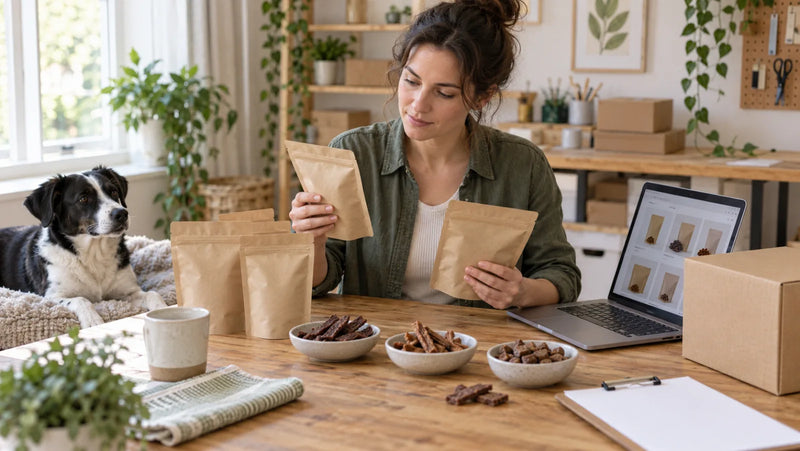
American Paws soft chicken training treats are made with real USA chicken and a touch of natural glycerin for a softer texture. They are all-natural, grain-free, fragrant from real chicken, and practical for training because you can snip them to fit the dog and the session.
Use clean kitchen scissors to cut a strip lengthwise first, then snip across into tiny squares. Put the pieces in a treat pouch before you begin. That prep step matters because it keeps your reward timing sharp and your hands free.
For high-frequency sessions, cut smaller than you think you need. A small pile of pea-size pieces can support dozens of repetitions without turning training into overfeeding.
When a bigger reward makes sense
Most rewards should be small, but there are moments when a bigger jackpot is useful. If your dog comes away from a major distraction, ignores food on the ground, or chooses you instead of chasing something exciting, a few small pieces delivered one after another can feel like a big reward without requiring one oversized bite.
This is usually better than handing over a large chunk. Multiple tiny rewards keep your dog engaged with you, and they are easier to count against the day's treat allowance.
Texture changes the right size
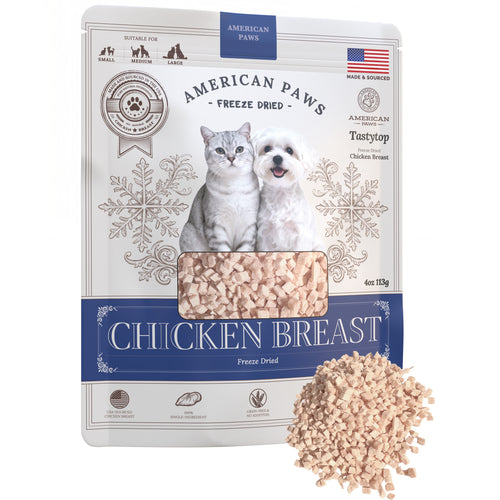
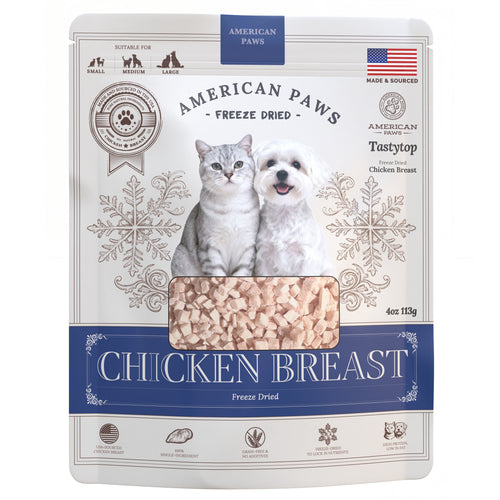
Soft treats can be a little larger because they disappear quickly. Crunchy treats should be smaller because chewing takes time and crumbs can distract your dog. Freeze-dried pieces can work well when they are naturally small, but break larger pieces before the session starts.
If a treat crumbles heavily in your pouch, it may be better for a food puzzle or meal topper moment than for clean training reps. The best size is the one your dog notices immediately and finishes cleanly.
How many pieces should you prep?
For a five-minute home session, start with 15 to 30 tiny pieces. For a walk or class, bring more, but keep them small and count the session as part of the day's treat budget. If your dog is on a weight plan, ask your veterinarian how to adjust meals and treats.
For a deeper portion guide, read how many treats a dog can have per day. That article explains the 10% guideline and why treat size changes the math.
Match size to skill difficulty
Easy indoor behaviors can use the tiniest pieces. Harder behaviors, new places, and distracting environments may need higher-value treats. The first adjustment should be quality, not size. Real-meat aroma can make a tiny piece feel important.
If you are choosing rewards for the first time, our guide to the best dog training treats explains value, texture, and when to use soft or crunchy rewards. If you need the training steps, read how to train a dog with treats.
Common sizing mistakes
Using full treats for every repetition
Full-size treats are usually too much for training. They slow the lesson and add calories quickly. Cut them down before you start.
Making puppy rewards too large
Puppies do not need big bites to learn. Tiny pieces help keep sessions short, successful, and gentle on their stomachs.
Breaking treats during the session
If you are tearing pieces while your dog waits, your timing suffers. Prep first, then train.
Frequently asked questions
How small should dog training treats be?
Pea-size or smaller is a good default. Use even smaller pieces for puppies, toy breeds, or high-repetition sessions.
Can treats be too small for training?
Yes, if your dog does not notice them or loses motivation. If that happens, raise the treat value or use a slightly larger piece for hard moments.
Should I use bigger treats for big dogs?
Not usually. Large dogs can work for pea-size rewards when the treat has enough aroma and value.
Are soft treats better for cutting small?
Soft jerky-style treats are often easier to cut into consistent training pieces. Crunchy treats can work too if they break cleanly.
How do I store cut training treats?
Cut only what you need for the session, keep the main bag sealed, and use a clean pouch or container for the pieces you bring.
Prep small, reward fast
The best training rewards are small, meaningful, and ready before you ask for the first cue. Start with the American Paws training treats collection, cut pieces to match your dog, and keep each reward quick enough that the next repetition can begin right away.