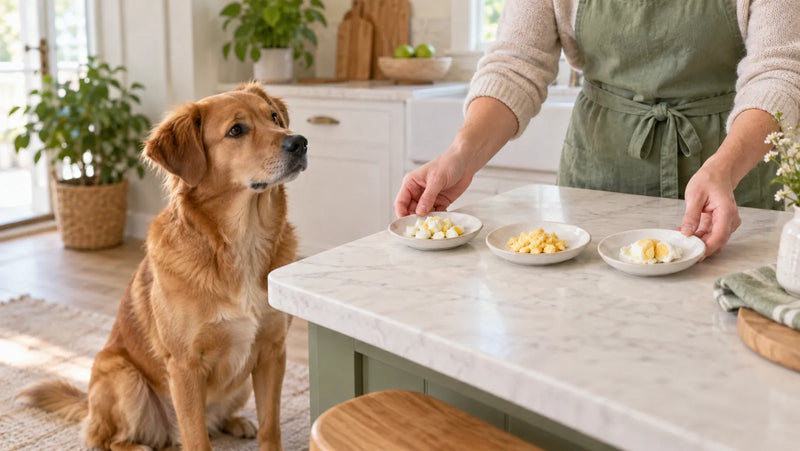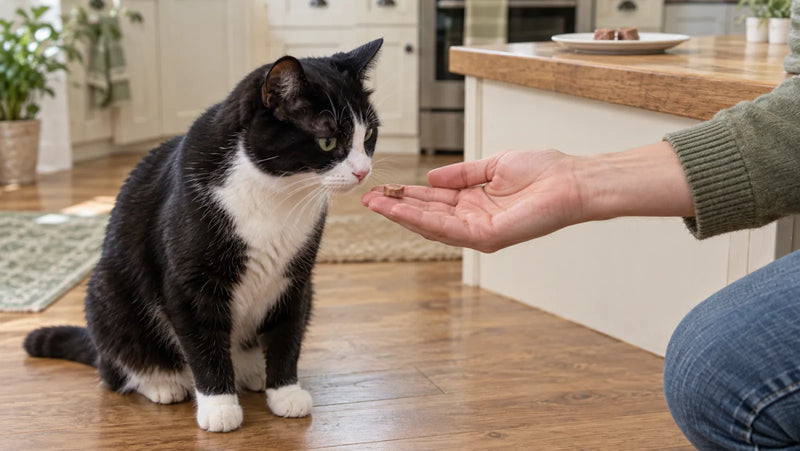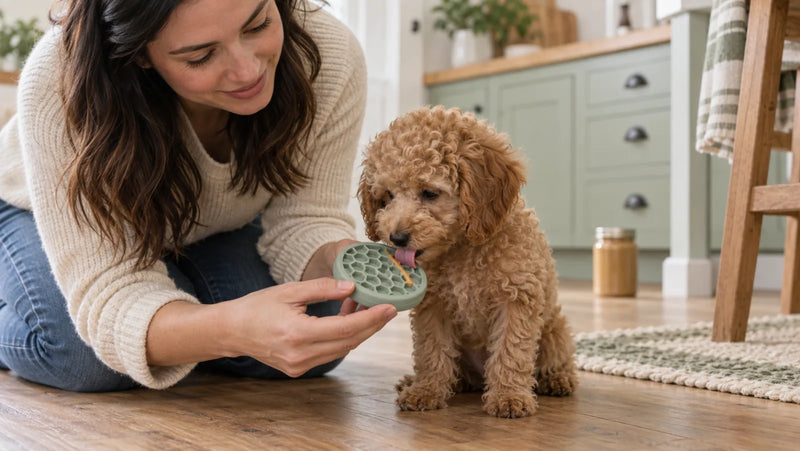

Can dogs eat green beans? Yes—when the beans are plain and cut into bite-size pieces. Raw, lightly steamed, frozen or partly thawed, and no-salt-added canned beans can all work as occasional snacks. The answer changes when green beans arrive with butter, oil, salt, bacon, sauce, onion, garlic, or a casserole recipe.
Green beans can replace a richer reward for some dogs because they contain plenty of water and fiber for relatively few calories. They are still treats, not unlimited “free food,” and they do not create a complete weight-loss plan. Use a small portion, watch how your dog chews and digests it, and let a veterinarian design any actual calorie-reduction program.
Can dogs eat green beans?
Most healthy dogs can have a few plain green-bean pieces. The American Kennel Club's green-bean guidance says chopped, steamed, raw, or canned green beans can be safe as long as they are plain. AKC separately warns about added salt, oils and spices, onion and garlic, and large whole beans that can become choking hazards.
“Can eat” does not mean “needs.” A complete and balanced dog food already supplies the dog's essential nutrients in the proper ratios. Green beans add variety, crunch, water, and fiber; they should not displace the nutritional foundation.
Are green beans safe for dogs?
The safe version is plain and bite-size
Choose fresh-looking beans without mold, slime, or an off odor. Wash fresh beans, trim tough stem ends, and cut the pod crosswise into short pieces that fit your dog's mouth. Serve cooked beans cool, never hot. When using canned beans, choose no-salt-added when possible, then drain and rinse them.
Green beans are not toxic to dogs, but preparation matters. A plain vegetable and green beans simmered with bacon grease, onion, and garlic are not the same food. Dog-safe serving means no butter, oil, salt, sauce, spice blend, sweetener, or rich topping.
Choking and stomach-upset risks
A long whole pod can be awkward for a small dog or a dog that gulps. Even a large dog can try to swallow several beans at once. Cut beans into manageable segments and observe the first servings. Soften the texture for puppies, seniors, dogs with missing or painful teeth, and dogs that bolt food.
Fiber is useful in the right amount, but a sudden large serving can cause gas, loose stool, vomiting, or abdominal discomfort. Start with one small piece rather than a bowl. If your dog has repeated vomiting or diarrhea, a swollen or painful abdomen, marked lethargy, trouble swallowing, or breathing difficulty, contact a veterinarian promptly.
Raw, steamed, frozen, or canned: which form is best?
There is no single best form for every dog. Choose the texture you can prepare plainly and the dog can chew safely.
Raw green beans
Raw beans are crisp and easy to portion after washing and trimming. Cut them short rather than using a whole pod as a chew. The firm texture may not suit a puppy, a senior, a dog with dental disease, or a dog that swallows without chewing.
Steamed green beans
Light steaming softens the bean without requiring butter or oil. Steam until the pieces are tender enough to pierce but not coated or seasoned, let them cool completely, then cut to the dog's size. Steamed beans are often the easiest starting texture for dogs with smaller mouths or less confident chewing.
Frozen or partly thawed green beans
Plain frozen green beans can be refreshing, but “frozen” is not a universal safety upgrade. A rock-hard whole pod may be too hard or too large for a small dog, dental patient, or gulper. Cut the beans before freezing when practical, or partly thaw and soften them before serving. Never hand over a frozen clump.
For another vegetable format, our frozen carrot serving guide explains the same size, hardness, and supervision questions. Different vegetables have different textures, but the dog's teeth and swallowing style always matter.
Canned green beans
Choose a plain no-salt-added product. Drain and rinse the pieces and check the ingredient list for salt, onion, garlic, broth, sugar, preservatives you did not intend to feed, or seasoning. Regular canned beans are not automatically poisonous; they may simply add unnecessary sodium and recipe uncertainty.
Canned pieces are softer, which can help some dogs, but softness does not make the serving unlimited. Count the portion with every other treat and discard any can that is bulging, leaking, badly damaged, or smells abnormal after opening.

Green beans to avoid
Do not share green beans prepared with:
- Onion, garlic, shallot, leek, or chive: these allium ingredients are unsafe for dogs.
- Butter, bacon grease, oil, or cream sauce: rich fat adds calories and can upset the digestive tract.
- Heavy salt, salty broth, or cured meat: these turn a low-sodium vegetable into a much less useful snack.
- Spice mixes and flavored coatings: the individual ingredients may be unclear or unsuitable.
- Green bean casserole: common recipes can combine salty soup, dairy, fat, onion, garlic, and fried toppings.
- Moldy, slimy, fermented, or spoiled beans: discard them rather than trimming around damage.
If a dog steals a small amount of a seasoned dish, save the recipe or package and call your veterinarian for advice based on the ingredients, amount, dog, and symptoms. Do not wait for symptoms after a known onion or garlic exposure, and do not induce vomiting without professional direction.
Are green beans a low-calorie dog treat?
Plain green beans are mostly water, contain fiber, and provide fewer calories than many biscuits, cheese pieces, fatty chews, or table scraps of equal size. That can make a measured bean piece a practical training or “just because” reward for a dog that enjoys the texture.
The benefit comes from substitution, not addition. Replacing one calorie-dense treat with a few cut beans may reduce treat calories. Adding beans on top of the dog's normal biscuits, chews, toppers, and table bites does not create a deficit. Portion size still controls the result.
“Low calorie” also differs from “low fat.” A plain green bean is naturally low in fat, but a dog may need an entire diet with a specific fat level for pancreatitis, hyperlipidemia, or another condition. Our guide to how to compare low-fat dog treats explains why a veterinarian and the actual nutrient label—not a vegetable reputation—should direct a medical fat restriction.
Can green beans help a dog lose weight?
Swap a measured treat; do not replace balanced meals
Green beans can be one tool in a veterinarian-approved plan when they replace a higher-calorie reward. They cannot identify the dog's ideal weight, calculate a safe calorie target, protect lean muscle, choose the correct complete food, or decide how quickly the dog should lose weight.
The veterinarian-authored Merck Veterinary Manual guidance on obesity nutrition says effective weight-loss programs combine calorie restriction with exercise and that therapeutic weight-loss diets are formulated to restrict calories while supplying appropriate nutrients. It also recommends keeping treats below 10% of total calories because most treats are not complete and balanced.
Why the “green bean diet” needs veterinary oversight
Online versions of a “green bean diet” often replace an increasing share of regular food with beans. That looks simple by volume, but it can dilute essential amino acids, fats, vitamins, and minerals while providing no individual calorie calculation. A large bowl may make a dog feel full without delivering the balanced nutrition the body needs.
Sudden weight gain, difficulty losing weight, extreme hunger, reduced activity, or body-shape changes can also involve medication, pain, endocrine disease, or another health issue. The veterinarian should examine the dog, assign a body-condition score and target, review every food and treat, and choose a sustainable plan. Do not turn a vegetable snack into a home-prescribed meal replacement.
How many green beans can a dog eat?
There is no evidence-based universal bean count because bean length, dog size, calorie needs, health, and the rest of the diet vary. Use this as a conservative first taste, not a daily prescription:
| Dog size | First serving of short cut pieces |
|---|---|
| Under 15 lb | 1 small piece |
| 15–40 lb | 1–2 small pieces |
| 41–70 lb | 2–3 small pieces |
| Over 70 lb | 3–4 small pieces |
A “piece” means a short segment, not a full pod. If the first taste is tolerated, future portions can be discussed in the context of the dog's total calorie allowance. Smaller is appropriate for dogs with sensitive stomachs; some dogs do not need green beans at all.
All rewards share one budget. Green beans, commercial dog treats, dental chews, training food, toppers, and table extras together should generally stay near or under 10% of daily calories. Our daily dog-treat calorie guide shows how to count the whole mix rather than treating vegetables as invisible.
How to introduce green beans safely
- Check the diet first. Ask the veterinarian before adding beans to a prescribed diet, elimination trial, kidney or heart plan, gastrointestinal plan, or weight-loss program.
- Choose one plain form. Do not test raw, canned, and frozen beans on the same day.
- Wash, trim, and cut. Make short pieces appropriate to the dog's mouth and dental comfort.
- Offer one piece. Feed it while the dog is calm and observed, not during frantic competition with another pet.
- Watch for tolerance. Note vomiting, diarrhea, gas, appetite change, itching, hives, facial swelling, coughing, gagging, or swallowing trouble.
- Increase only if useful. A dog that does not enjoy or digest beans well loses nothing by skipping them.
Store leftovers as human food: refrigerate cooked or opened canned beans promptly in a covered container and follow food-safety guidance for the specific product. Do not keep a room-temperature dog bowl of damp beans for later.
Frequently asked questions
Can puppies eat green beans?
A weaned puppy may be able to try one tiny soft plain piece after the veterinarian approves extras. Puppy food must remain the priority for growth, and hard frozen or whole raw beans can be poor matches for small mouths and developing teeth. Introduce one new food at a time.
Can dogs eat green beans every day?
Some healthy dogs can have a measured plain portion regularly, but daily use is not necessary. The beans must fit the total treat allowance and should not displace complete food. A dog on a medical or weight-loss diet needs a veterinarian-approved amount and form.
Can dogs eat green bean casserole?
No planned serving is worthwhile. Casserole commonly includes salty soup, butter or cream, fried toppings, onion, garlic, and other seasonings. Offer plain beans before the recipe is assembled. After a theft, identify the ingredients and amount and call the veterinarian when onion, garlic, a large portion, or symptoms are involved.
Are frozen green beans safe for small dogs?
They can be when plain, cut very small, and softened enough for the individual dog. Do not give a toy breed a whole rock-hard pod or frozen clump. Partly thaw pieces for small dogs, gulpers, puppies, seniors, or dogs with dental problems, and supervise the serving.
Can dogs eat canned green beans?
Yes, choose plain no-salt-added beans when possible, drain and rinse them, and serve a small portion. Read the full ingredient list. Regular salted beans are not automatically an emergency, but they are a less suitable routine snack, especially for a dog with a sodium-restricted medical plan.
Keep the bean plain and the plan complete
Green beans can be a crisp, low-calorie alternative to a richer reward when they are plain, short, and matched to the dog's teeth and swallowing style. Raw, steamed, partly thawed, and rinsed no-salt canned forms can all work; seasoning, whole gulpable pods, unlimited portions, and meal replacement are the real mistakes to avoid. For the wider safe-and-toxic list, see our overview of which vegetables dogs can eat.
American Paws does not currently sell a green-bean product, so there is no imaginary SKU to recommend. If you want to compare the real products we do make, browse all current American Paws dog treats and count any choice inside the same daily allowance. For weight loss, let the veterinarian build the complete plan and use green beans only where that plan says they fit.