

dog food topper
How to Cook Oatmeal for Dogs: Plain Oats, Water Only
A water-only rolled-oat method for dogs with exact ratio, stovetop timing, soft endpoint, cooked-portion guidance, topper use and safe refrigerator or freezer handling.
Your Cart 0
Item added to your cart

The American Paws Journal
Expert guides, ingredient insights, and care tips from our team — for dogs and the people who love them.
Browse ArticlesBrowse by topic
carrots
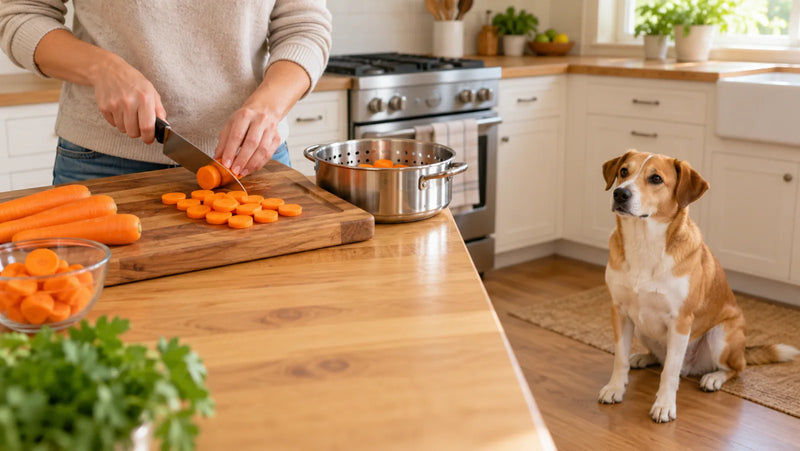
Cook plain carrot pieces by steaming, boiling, or roasting until fork-soft, then cool, resize, portion, and store them for the ...
cooking
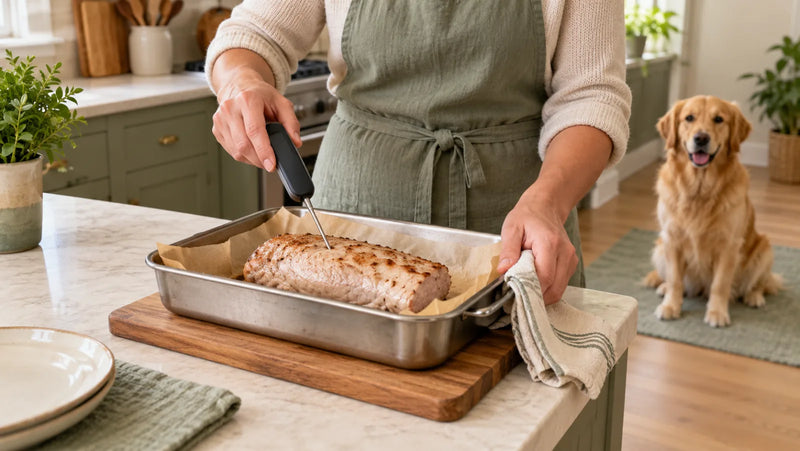
Cook a lean boneless pork cut without seasoning, verify 145°F plus a 3-minute rest, cool and dice it, measure it as an extra, a...
cooking
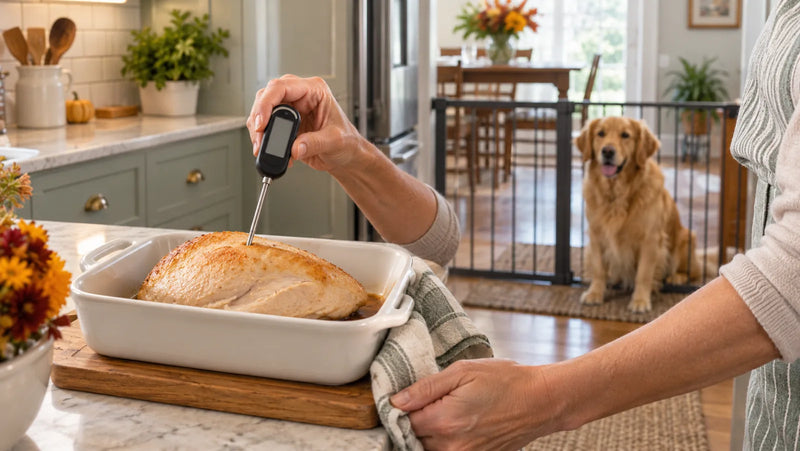
Reserve a separate plain turkey portion before Thanksgiving seasoning, cook it to 165°F, remove every skin and bone hazard, and...
chicken
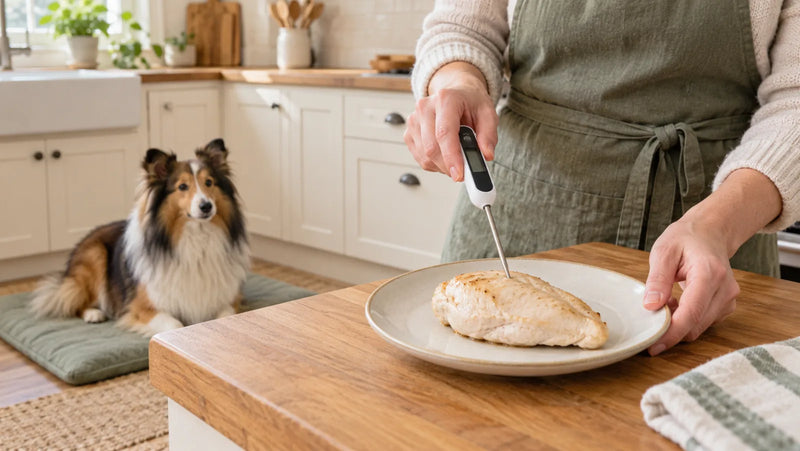
A practical guide to simmering or baking plain chicken to 165°F, removing every skin and bone hazard, portioning by calorie bud...
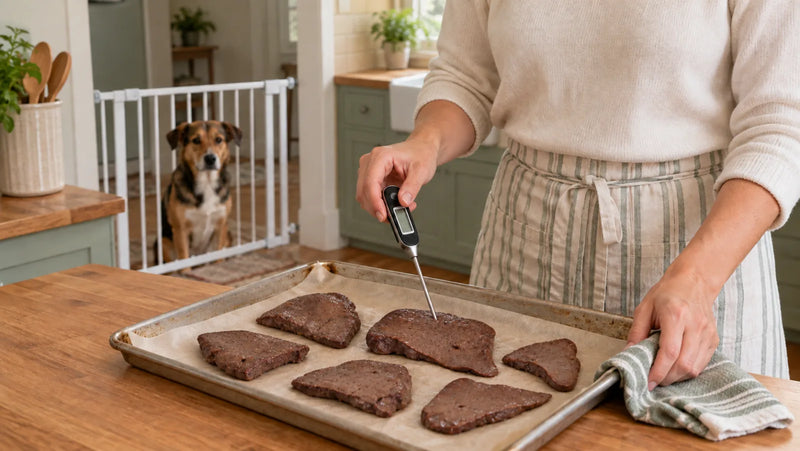
beef liver
Three thermometer-led ways to prepare plain beef liver for dogs—gentle simmer, 375°F bake, or heat-first dehydration—plus cutti...
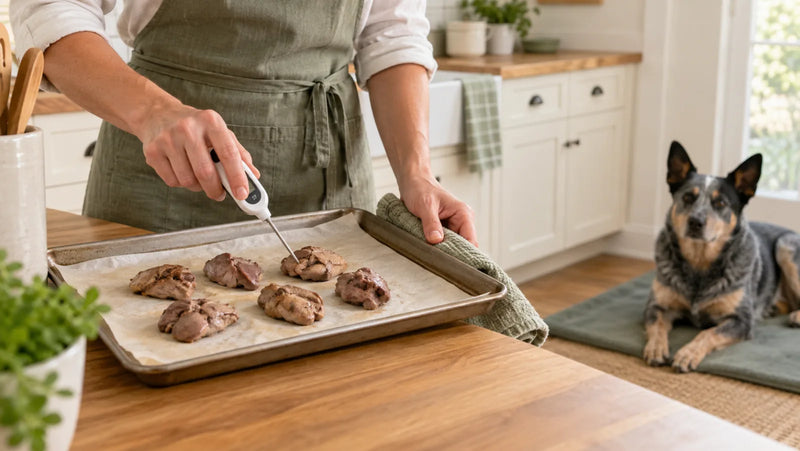
chicken liver
A practical plain-cooking workflow for chicken liver: prevent raw-poultry cross-contamination, simmer or bake to 165°F, cool, d...
dog treats
A retailer-ready shelf-life system starts with exact-item evidence, readable date and lot codes, earliest-date-first rotation, ...
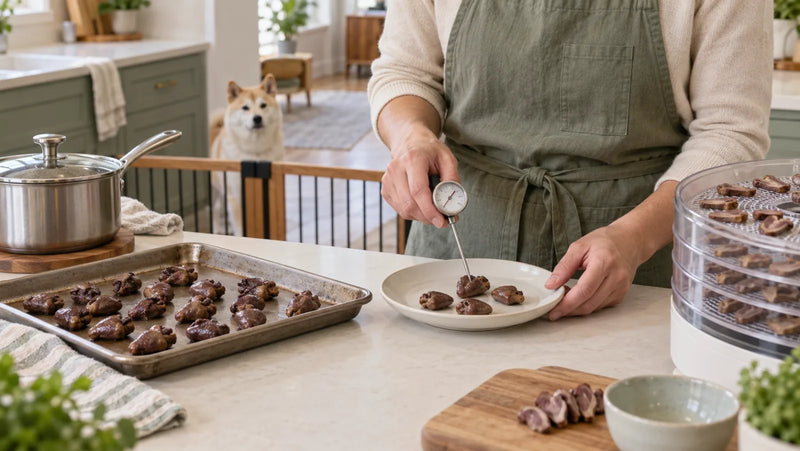
chicken hearts
Cook plain chicken hearts for dogs by boiling, baking, or using a verified heat step before dehydration, then cool, cut, portio...

chicken
Compare five foods for dehydrator dog treats, use a separate verified heat step, test the thickest cooled piece, and store ever...
air dried
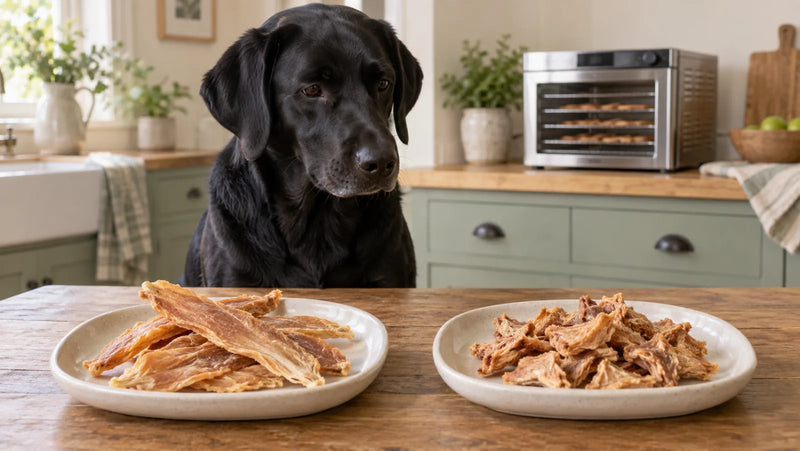
“Air-dried” and “dehydrated” can overlap. Learn which process, heat, texture, storage, and label details matter when choosing d...

chicken jerky
Learn why chicken jerky drying time varies, how thickness changes the checking schedule, why poultry must reach 165°F first, an...
No articles in this topic yet.