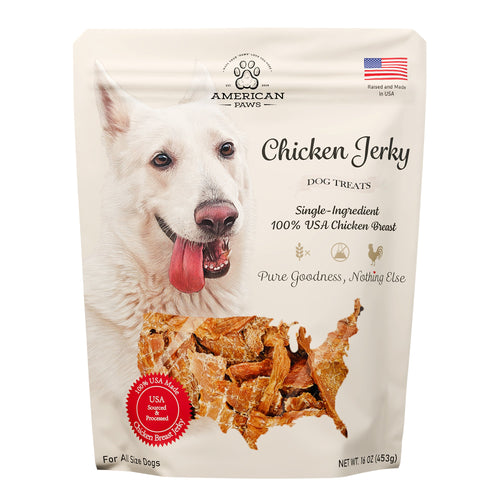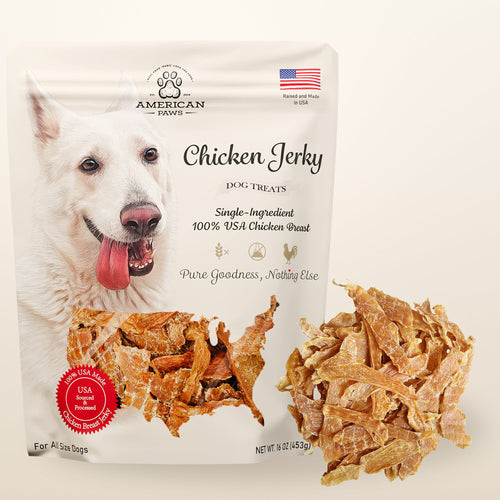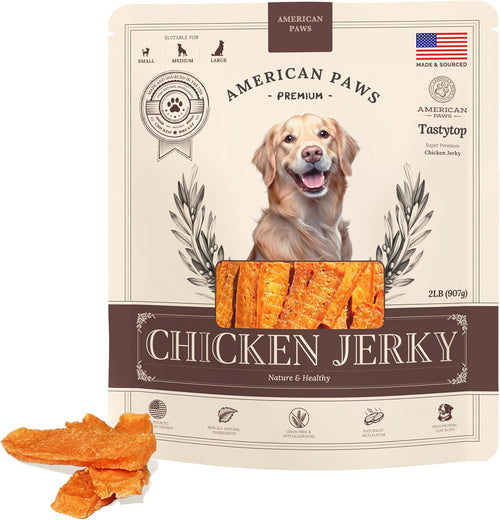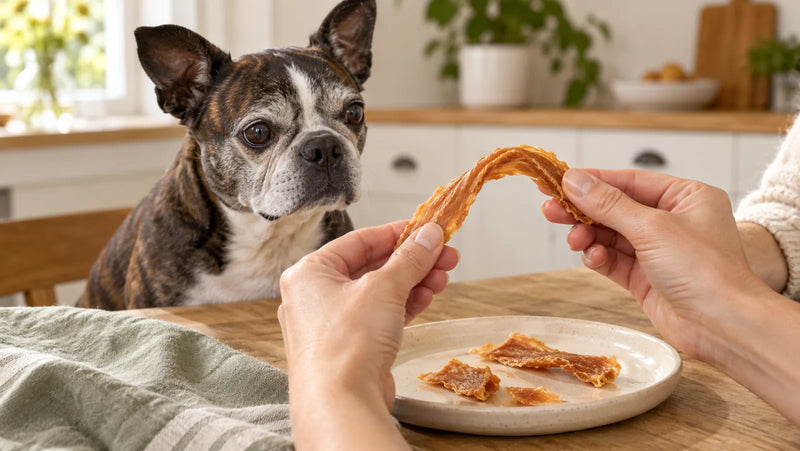

How to store chicken jerky dog treats comes down to four habits: keep them cool, keep them dry, seal the package tightly, and use clean hands or a scoop. Once a bag is open, moisture and crumbs do more damage than normal pantry air.
If a jerky treat smells sour or rancid, feels damp or sticky in a new way, shows mold, or has changed color or texture, do not feed it. The safest rule is simple: when a dog treat looks or smells wrong, throw it out.
How to store chicken jerky dog treats: quick answer
Store chicken jerky dog treats in their original resealable bag when possible, then keep that bag in a cool, dry pantry or cabinet away from sunlight, steam, sinks, and curious pets. Fold or zip the top closed after every use so the treats are not exposed to kitchen moisture.
The FDA gives similar guidance for dry pet food and treats: store them in a cool, dry place, keep original package information when possible, and use clean, dry containers if you transfer food or treats. That advice matters for jerky because dried meat still needs protection from moisture, heat, pests, and handling contamination.
For American Paws single-ingredient chicken jerky dog treats, the best everyday setup is the resealed bag inside a pantry bin or cabinet. The bag preserves product and lot information, while the outer space keeps the treats protected and easy to find. New to jerky? Start with our complete guide to chicken jerky for dogs.
Why moisture is the real enemy of dog jerky
Chicken jerky is made to be dry and chewy. That low-moisture texture is part of why it stores better than fresh cooked chicken. The problem starts when moisture gets back into the bag from wet hands, a damp scoop, kitchen steam, refrigerator condensation, or a training pouch left outside.
Moisture can change texture, encourage mold, and make the treats less pleasant for your dog. Heat and sunlight can also affect aroma and quality over time. A bag on top of a refrigerator, beside a stove, or near a bright window is not as stable as a cool pantry shelf.
Think of jerky storage as moisture control. Dry treat, dry hands, dry container, dry room. That simple chain prevents most avoidable storage problems.
Best storage spot for unopened chicken jerky treats
Unopened chicken jerky treats usually belong in a pantry, cabinet, or clean storage shelf at normal room temperature. Choose a spot that stays dry and does not swing between hot and cold. Avoid garages, hot cars, laundry rooms with humidity, and windowsills.
Keep the bag sealed until you are ready to use it. Do not poke a small opening and leave it half-open. If you buy more than one bag, rotate by best-by date so the oldest unopened bag gets used first.
It is also smart to keep unopened treats somewhere your dog cannot reach. A determined dog may eat far more than a normal treat portion if the bag is left on a counter or low shelf.
How to store an opened bag
Opening the bag changes the job from "store the product" to "protect the product every day." Most storage problems happen after the first few uses, when the bag is left unsealed, crumbs collect, or a container is refilled without cleaning.
Keep the original bag when it reseals well
The original bag is useful because it keeps the product name, best-by date, lot number, and manufacturer information together. If there is ever a product question or recall, that information matters. Reseal the bag tightly, press out extra air gently, and store it upright where it will not spill.
If the seal gets dusty with crumbs, wipe the outside edge with a clean dry towel. Do not use a wet cloth inside the package, and do not leave the top open while you train.
Use an airtight container only if it stays clean and dry
An airtight container can be helpful, especially if the original bag does not close well or if you want extra protection from pests. The container must be clean, completely dry, and used only for pet treats. A damp container is worse than no container at all.
The best method is often to place the closed original bag inside a lidded bin. If you pour treats directly into a container, save or photograph the best-by date and lot code first. Wash and fully dry the container before refilling it with a new bag.
Do not mix old and new treats
Do not top off a container by pouring new jerky on top of old crumbs. Old crumbs and oils can cling to the bottom and affect the next batch. Finish one bag, clean and dry the container, then start the next bag.
This is especially important for bulk storage. The bigger the bag, the more disciplined the handling needs to be. Separate a small working amount for the week and keep the main supply sealed. If you buy at retail scale, our guide to wholesale dog treats for pet stores covers ordering sizes and stock rotation too.

Should chicken jerky dog treats be refrigerated?
Most dry chicken jerky dog treats do not need refrigeration unless the package specifically says they do. In fact, moving dry treats in and out of the refrigerator can create condensation if the package warms and cools repeatedly.
A cool pantry is usually better for dry jerky than a refrigerator. Refrigeration makes more sense for wet pet food, fresh cooked meat, or products with storage instructions that require it. Always follow the label on the specific product in your hand.
If your home is unusually hot or humid, focus first on a sealed package, an interior cabinet, and smaller opened quantities. If you are unsure because a product feels moist or is labeled differently, contact the manufacturer before feeding it.
How long do chicken jerky dog treats last after opening?
The best answer is the product's own best-by date plus the package instructions. A best-by date assumes normal storage, so an opened bag that is repeatedly left in heat or humidity may lose quality faster.
For a practical home routine, open one bag at a time and use it consistently. If a bag will take a long time to finish, divide the treats: keep a small amount in a clean working pouch or jar and leave the rest sealed in the original package.
Do not use calendar math to override your senses. A treat can be within date and still be unsafe if it got wet, contaminated, or left open. It can also look normal but be past its best eating quality if it was stored badly.
Signs chicken jerky treats should be thrown away
Throw chicken jerky treats away if you notice any of these signs:
- Visible mold, fuzzy spots, or unusual speckling that was not there before.
- Sour, rotten, rancid, chemical, or unusually strong odor.
- Dampness, sliminess, wet clumps, or unexpected stickiness.
- Major color change, especially dark wet spots or gray-green areas.
- Insects, pantry pests, damaged packaging, or evidence the bag was chewed open.
- A treat pouch that was left in a hot car, rain, or a damp training bag.
Do not cut off a bad-looking piece and feed the rest. Dog treats are not worth that risk. If your dog eats a questionable treat and then vomits, has diarrhea, seems painful, or acts unusually tired, call your veterinarian.
Storage tips for travel, training pouches, and bulk bags
Training pouches are convenient, but they are not long-term storage. Put only the amount you need for the session into the pouch. At the end of the day, return clean unused pieces to the main bag only if they stayed dry and uncontaminated. If they picked up lint, dirt, slobber, rain, or pocket debris, discard them.
For road trips, keep jerky in the passenger area rather than the trunk on hot days, and do not leave the bag in a parked car. Heat can build quickly and affect both texture and aroma. A small insulated lunch bag can help keep treats away from direct sun, but the treats should still stay dry.
For larger bags, avoid opening the main supply every hour. Use a clean dry scoop to portion a few days' worth into a smaller container. Keep the larger bag sealed, labeled, and stored in the coolest dry cabinet you have.
How storage changes with soft, dehydrated, and freeze-dried treats
Not every dog treat stores exactly the same way. Traditional chewy chicken jerky, softer jerky, dehydrated pieces, and freeze-dried treats all benefit from being sealed and dry, but texture changes can show up differently.
Soft jerky may feel more flexible by design, so judge it against how it felt when fresh. American Paws' 2 lb softer chicken jerky is all-natural chicken with a touch of natural glycerin; it should not be described as single-ingredient. The 1 lb chicken breast jerky is the single-ingredient chicken option.
Freeze-dried treats are usually lighter and more brittle. They can absorb moisture quickly if left open, so they also need tight resealing. For broader treat choices, browse our chicken dog treats and match the storage routine to the product label.
Where storage fits into treat safety
Good storage is one part of safe feeding. The other parts are choosing a clear label, feeding a reasonable amount, supervising your dog, and keeping treats away from children or pets that might eat the whole bag.
If you are comparing ingredients, our guide on how to read a dog treat label explains what to look for before you buy. If your bigger question is whether jerky itself is appropriate, read is chicken jerky safe for dogs.
Storage also protects value. Good jerky should smell like real meat, break or tear predictably, and stay useful as a high-value reward. That is one reason many pet parents like chicken jerky in the first place; see our article on why chicken jerky can be a useful dog treat.
Frequently asked questions
Can chicken jerky dog treats get moldy?
Yes. Any treat can develop mold if moisture, contamination, or poor storage creates the wrong conditions. Keep jerky sealed and dry, and throw it away if you see mold or smell anything off.
Should I freeze dog jerky treats?
Usually no, unless the package or manufacturer recommends it. Freezing and thawing can introduce moisture if the bag is not protected. For most dry jerky treats, a cool dry pantry is the better everyday choice.
Can I leave jerky treats in a training pouch?
Only for a short training session. A pouch collects crumbs, lint, slobber, and outdoor moisture. Empty it after training, clean it regularly, and keep the main supply sealed elsewhere.
Is it safe to use treats past the best-by date?
Do not rely on expired treats, especially if the bag has been open. The best-by date is part of the product's quality guidance, and poor storage can shorten usable life even before that date.
What container is best for dog treats?
A clean, dry, airtight container works well when paired with the original package or saved label information. Avoid containers with old crumbs, moisture, soap residue, or lingering smells from human food.
Keep jerky simple, sealed, and dry
The best storage routine is not complicated: buy clear-label treats, open one bag at a time, keep the original package sealed, use clean dry hands or a scoop, and store the bag in a cool dry cabinet. That keeps chicken jerky closer to the way it should be: aromatic, chewy, and easy to use as a reward. For every other format, see our overview of how to store dog treats by type.
For a USA-made option from American Paws' Highland, California facility, choose our single-ingredient chicken jerky dog treats, then treat storage as part of feeding well: simple, sealed, dry, and never questionable.