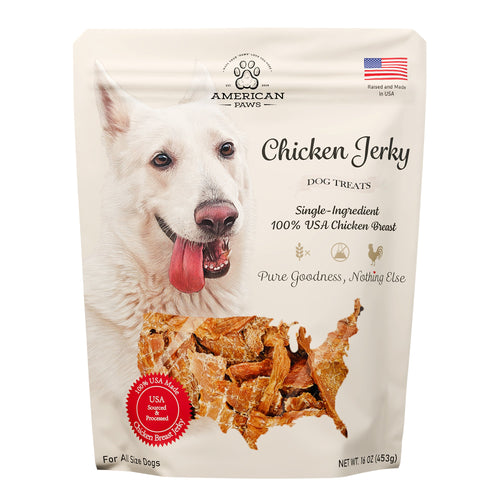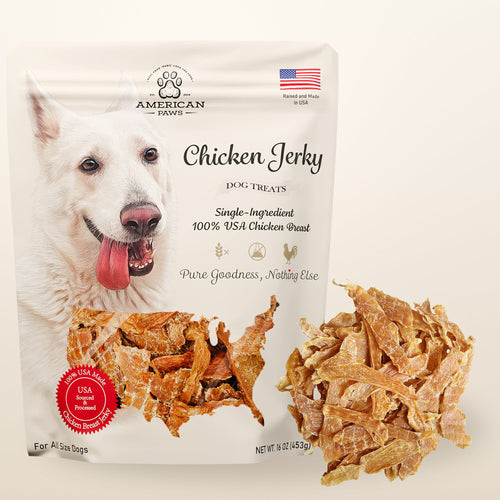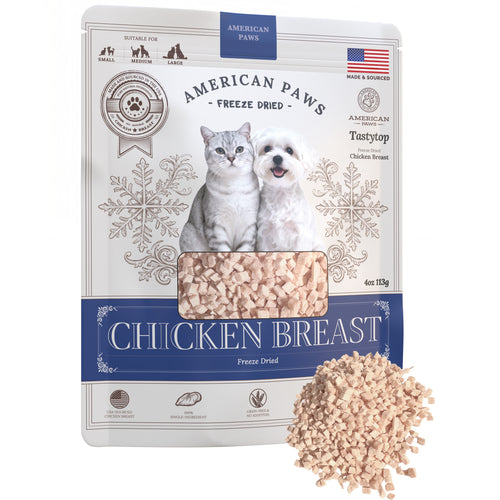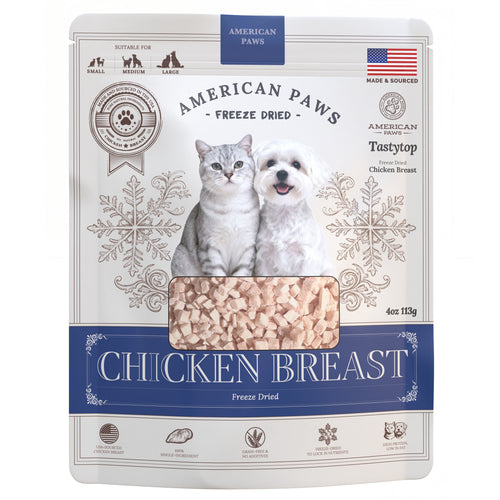

To learn how to read a dog treat label, start with the ingredient list, not the front of the bag. Look for named proteins, a short ingredient panel, clear calorie information, and claims that match what is actually in the product. A good label should make it easy to answer three questions: what is this treat made from, how much should my dog get, and does the marketing language line up with the ingredients?
That simple habit protects you from vague flavor claims, oversized portions, and treats that sound cleaner than they are. It also helps you choose the right American Paws product for the moment, whether you want crunchy freeze-dried chicken, whole-cut chicken jerky, soft training pieces, or beef liver rewards.
How to read a dog treat label in five quick checks
Use these five checks when you pick up any dog treat bag:
- Ingredient list: look for named ingredients, especially named animal protein.
- Ingredient order: ingredients are listed by weight before processing, so the first few ingredients matter most.
- Guaranteed analysis: compare protein, fat, fiber, and moisture in context.
- Calories and feeding guidance: treats should stay a small part of the daily diet.
- Claims: make sure phrases like single-ingredient, grain-free, or made in USA are supported by the rest of the label.
You do not need to become a nutrition scientist to make better choices. You just need a repeatable way to separate clear labels from noisy ones.
Start with the first ingredient
The first ingredient tells you a lot. If you are buying a chicken treat, you should expect to see chicken, chicken breast, or another clearly named chicken ingredient near the front. If the label leads with a vague term or a long list of starches, sweeteners, and flavorings, pause and compare it with a simpler option.
Named proteins are easier to understand than generic phrases. “Chicken breast” tells you more than “meat flavor.” “Beef liver” tells you more than “animal by-product.” Clear names also help if your dog has known sensitivities and your veterinarian has asked you to watch specific ingredients.
For a simple example, American Paws freeze-dried chicken treats are built around 100% USA chicken breast. That kind of label is easy to read because the ingredient story is direct.
Know what ingredient order can and cannot tell you
Ingredient order is useful, but it is not magic. Ingredients are listed by weight before cooking, drying, or freeze-drying. A fresh meat ingredient naturally contains moisture, while a dry ingredient weighs differently. That means you should read ingredient order together with the full product format.
Still, the first few ingredients are worth your attention. If a treat claims to be meat-focused but the first ingredients are mostly fillers, sweeteners, or vague flavor systems, the label is sending a mixed message. If a treat is meant to be a meat reward, the label should make the meat easy to find.
Check whether “single-ingredient” is actually true
Single-ingredient dog treats can be helpful because they remove guesswork. If the product says single-ingredient, the ingredient panel should support that claim with one ingredient, not one main ingredient plus extras.
This distinction matters at American Paws too. Some products are truly single-ingredient, including whole-cut chicken breast jerky, freeze-dried chicken, and freeze-dried beef liver treats. The soft 2 lb chicken jerky is different: it is all-natural and grain-free, made with real chicken and a touch of natural glycerin for texture, but it is not single-ingredient.
If you want a deeper explanation of that idea, read our guide to single-ingredient dog treats and simple labels.

Read the guaranteed analysis in context
The guaranteed analysis lists minimum or maximum amounts for nutrients such as crude protein, crude fat, crude fiber, and moisture. It can help you compare treat styles, but it should not be read as the whole story.
A freeze-dried meat treat may show high protein because most of the water has been removed. A softer treat may have a different moisture level because texture is part of the product design. A chew may be used differently from a tiny training reward. Compare products that serve the same purpose rather than treating every number as a ranking.
If protein is your main question, our high-protein dog treats guide explains how to think about meat treats, labels, and daily portions without overfeeding.
Look for calories and serving guidance
A clean label still needs portion control. Treats should stay a small part of your dog's daily calories, commonly under about 10% unless your veterinarian gives you different guidance. That is why small pieces matter for training and why a rich treat should be used intentionally.
When a label lists calories per piece, per treat, or per ounce, use that information before a long training session. If the treat is large, break or cut it smaller. If the treat is a chew, think of it as a longer reward, not a handful snack.
For training, American Paws soft chicken training treats can be snipped with scissors into pea-size pieces. That makes portion control easier while keeping the real chicken aroma that many dogs find motivating.
Be careful with front-of-bag claims
The front of the bag is written to get your attention. The ingredient panel is where you confirm the claim. Words like natural, simple, limited ingredient, grain-free, high-protein, and made in USA can be meaningful, but only when they are specific and consistent with the rest of the label.
For example, “grain-free” does not automatically mean meat-first. “Chicken flavor” does not always mean a chicken-based treat. “Simple” should show up as a readable ingredient list, not just a design style. “Made in USA” should fit the brand's actual manufacturing story.
American Paws treats are made in the USA with small-batch care in Highland, California. The right label still depends on the exact product, so match the claim to the ingredient list instead of assuming every product has the same formula.
Match the label to your dog’s job for the treat
Different treats do different jobs. A tiny training reward needs fast delivery, strong aroma, and easy portion control. A chew should be sized and supervised appropriately. A topper should support the meal without replacing balanced dog food. A simple everyday reward should be easy to understand and easy on your routine.
If you want crunchy, clean pieces for dogs or cats, freeze-dried chicken may fit. If you want a chewy chicken reward, whole-cut jerky or soft chicken pieces may fit different moments. If your dog loves beef liver, a small freeze-dried liver piece can be a high-value training reward. Browse the American Paws chicken collection or the beef collection to compare formats.
Red flags on dog treat labels
Not every long ingredient list is automatically bad, but some patterns are worth questioning. Watch for vague protein terms, unclear flavor systems, heavy sweetening, colors that serve people more than pets, and claims that are not backed by the ingredient panel.
Also be careful when treats try to sound like a complete diet. Most treats are supplemental. They can reward, train, enrich, or add variety, but they should not replace balanced meals unless your veterinarian is guiding a specific plan.
For a broader safety framework, see our safe dog treats guide.
Frequently asked questions
What should be first on a dog treat label?
For a meat treat, a clearly named meat ingredient should usually be easy to find near the front. Look for specific names like chicken breast or beef liver instead of vague flavor words.
Are fewer ingredients always better?
Fewer ingredients can make a label easier to understand, but the ingredients still need to fit your dog. Some soft treats use a small additional ingredient for texture, while true single-ingredient treats should list only one ingredient.
What does guaranteed analysis mean on treats?
Guaranteed analysis lists basic nutrient minimums and maximums, such as crude protein, crude fat, crude fiber, and moisture. Use it as one comparison tool, not the only reason to buy a treat.
Should I avoid all treats with glycerin?
No. Glycerin can be used for soft texture in some treats. The important thing is transparency: the label should list it clearly, and the product should not be described as single-ingredient if it includes glycerin.
How do I compare freeze-dried and dehydrated treats?
Compare texture, moisture, serving purpose, and your dog's preference. Our freeze-dried vs dehydrated dog treats guide explains the difference in more detail.
Choose labels that make decisions easier
A good dog treat label should reduce confusion. You should be able to spot the main ingredient, understand the treat's purpose, check portions, and confirm that the claims are accurate. Start with simple, named proteins and match the format to your dog's routine.
When you are ready to compare clear-label options, choose from American Paws chicken, beef liver, and training treats made in the USA with practical formats for everyday rewards, training, and simple snacking.