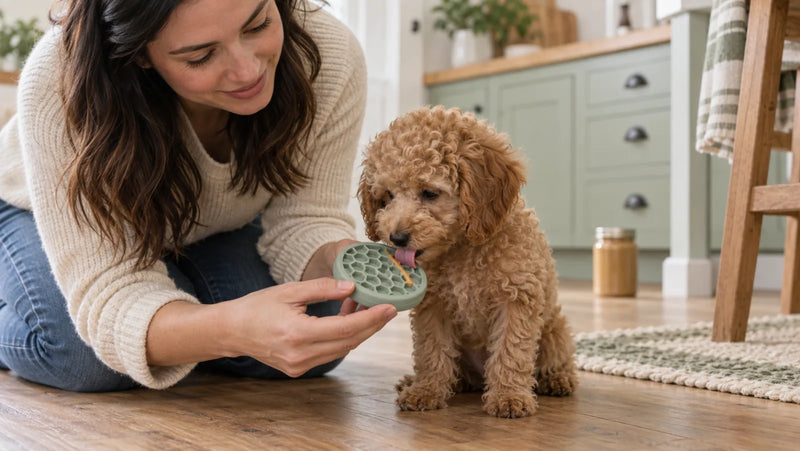

Chicken jerky for senior dogs can be a practical treat when its texture matches the dog's teeth and chewing ability. Soft, flexible strips are easy to cut into small pieces, while firmer whole-cut jerky may suit an older dog that still chews comfortably. Supervise every serving, start with a small portion, and ask a veterinarian about new chewing difficulty, mouth pain, or diet restrictions.
Age does not create one universal texture requirement. Some senior dogs still manage firm treats confidently; others need thin, soft pieces or a different format altogether. The useful question is not simply whether a dog is old enough for jerky. It is whether that particular piece can be chewed, swallowed, and included in the dog's diet comfortably.
Is Chicken Jerky for Senior Dogs a Good Choice?
It can be. Chicken jerky is flavorful, can be divided into controlled portions, and provides animal protein. Those qualities make it useful as an occasional reward, especially for an older dog whose appetite for ordinary biscuits has faded. For the full quality and sourcing picture, see our guide on whether chicken jerky is good for dogs.
The best choice depends on three things: texture, ingredients, and portion size. A treat should flex or break in a way the dog can manage, avoid ingredients that conflict with known allergies or a prescribed diet, and remain a small supplement to complete and balanced meals.
Jerky is not a dental treatment, a complete meal, or a solution for age-related health changes. If a dog suddenly drops food, chews on one side, paws at the mouth, coughs while eating, or refuses a formerly easy treat, stop and arrange a veterinary exam. A softer snack can reduce effort, but it should not hide a painful tooth or swallowing problem.
Choose Soft Chicken Jerky for Senior Dogs Who Need Easier Chewing
Texture varies substantially between jerky products. Before serving a full strip, bend it with your fingers, tear off a small piece, and consider how much work the dog must do to break it down. Older dogs with missing teeth, worn teeth, sensitive gums, or reduced jaw strength often do better with a thin, flexible format.
Soft strips: flexible and easy to portion
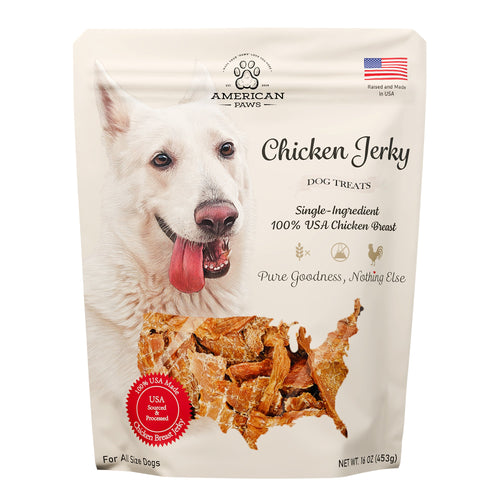
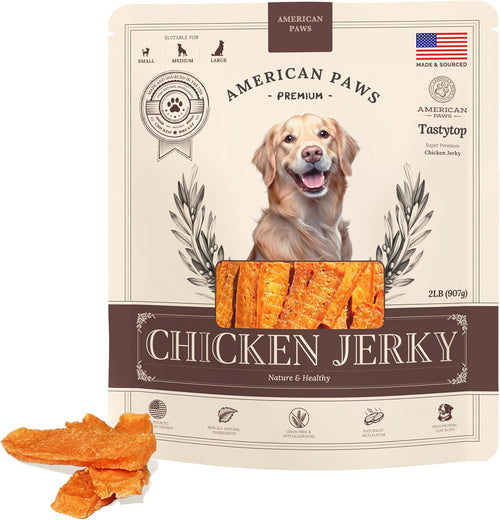
American Paws soft, all-natural chicken jerky strips are designed with a more flexible texture. They contain chicken plus natural glycerin, which helps retain softness. That means they are all-natural, but they are not single-ingredient.
The flexible strip can be cut with clean kitchen scissors into small squares or narrow slivers. That makes one strip useful for several rewards and lets a pet parent adjust the piece size to the dog's mouth and chewing style. Soft does not mean swallow-proof, so offer one piece at a time and watch the dog finish it.
Whole-cut jerky: firmer and single-ingredient
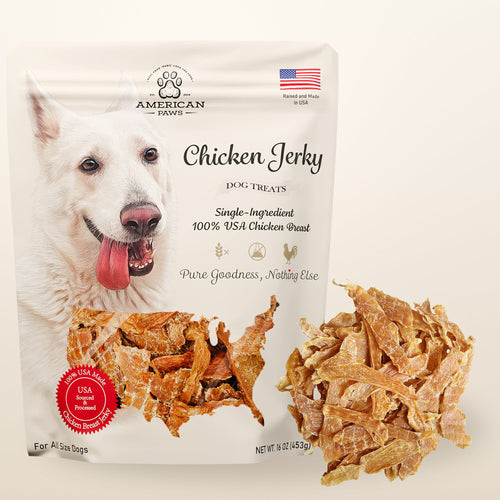
The single-ingredient whole-cut chicken breast jerky contains chicken breast only and has a firmer, drier chew. It can work well for a senior dog with healthy teeth that enjoys chewing deliberately. It may be less suitable for a dog with dental discomfort or a habit of gulping large pieces.
Neither format is automatically better. The soft strip prioritizes flexibility and easy portioning; the whole-cut strip prioritizes a one-ingredient label and a firmer texture. Compare both in the American Paws chicken jerky collection, then choose based on the dog in front of you rather than age alone.
A Simple Chewability Check Before Serving
Use this quick check each time you open a package, since natural meat treats can vary slightly:
- Bend it: A softer strip should flex without requiring much force. A firm strip should break cleanly rather than splinter into sharp fragments.
- Size it: Cut a piece smaller than the dog's usual bite, especially during the first serving. Tiny rewards are generally more useful than a full strip.
- Watch the first bite: Look for comfortable chewing and an easy swallow. Remove the treat if the dog repeatedly drops it, struggles, or tries to gulp it whole.
- Check the mouth afterward: Excessive drooling, blood, pawing, or reluctance to eat warrants veterinary attention.
Do not soak a whole package, leave moistened meat at room temperature, or return damp pieces to the original bag. If a veterinarian recommends softening a portion, prepare only what the dog will eat promptly and discard leftovers.
Why Protein Matters for Older Dogs
Protein supplies amino acids used throughout the body, including in muscle. Senior dogs still need nutritionally complete meals with appropriate protein, although the right amount depends on the individual dog's overall health and veterinary plan. Chicken jerky contributes some protein, but treats are too limited and unbalanced to replace a complete diet.
Think of jerky as a high-value reward layered onto the dog's normal nutrition. It may help make a training moment, gentle enrichment activity, or medication routine more positive when the veterinarian approves. It does not prevent or treat age-related muscle loss, and more jerky is not a substitute for an appropriate senior diet or medical assessment.
Dogs with kidney disease, pancreatitis, food allergies, swallowing disorders, or another condition may have specific ingredient, fat, calorie, or texture limits. Follow the veterinarian's diet plan rather than general treat advice.
How to Cut and Serve Chicken Jerky Safely
Start by washing your hands and using clean scissors or a clean knife and board. Cut across the strip into pieces that the dog can chew without trying to swallow a long ribbon. For a small senior dog or a training session, a piece around pea size may be enough; larger dogs still benefit from modest pieces because the reward value comes from taste, not volume.
Offer the piece while the dog is settled and upright. Avoid tossing firm jerky toward a dog that catches and gulps food. Keep fresh water available and supervise until the piece is fully swallowed. Store the remaining jerky according to the package directions with the bag sealed against moisture.
If the dog eats too quickly, hold back the full strip and dispense pre-cut pieces individually. A lick mat or soft commercial treat may be a better format for a dog that cannot safely manage solids. Our guide to training treats for senior dogs covers reward size, calorie control, and lower-effort training options in more detail.
Portion Chicken Jerky for Senior Dogs Thoughtfully
A widely used general guideline is to keep all treats combined to about 10% or less of daily calories, leaving at least 90% for complete and balanced food. That is a ceiling, not a target. A senior dog that is less active, gains weight easily, or follows a therapeutic diet may need much less.
Check the package for calorie information and count every reward given by everyone in the household. Cutting one strip into many small pieces can preserve the fun while reducing the total amount. On treat-heavy training days, use part of the dog's measured meal when appropriate or reduce other extras under veterinary guidance.
Introduce chicken jerky gradually. Give one small piece, then observe appetite, stool, skin, and comfort. Stop if vomiting, repeated diarrhea, itching, facial swelling, or other concerning signs occur. Facial swelling, breathing trouble, collapse, or severe distress requires urgent veterinary care.
When Chicken Jerky May Not Be the Right Choice
Choose another treat or consult a veterinarian when a senior dog:
- has a known chicken allergy or reacts poorly to chicken;
- has painful, loose, fractured, or recently extracted teeth;
- coughs, gags, or has difficulty swallowing;
- gulps pieces without chewing despite careful sizing;
- has pancreatitis, kidney disease, or a veterinary-prescribed diet;
- needs a calorie level that leaves little room for extras; or
- develops an unexpected change in chewing or appetite.
These are reasons to individualize the plan, not evidence that jerky is bad for every older dog. A veterinary exam can distinguish a simple texture preference from dental disease or another problem that needs treatment.
Other Treat Options for Older Dogs
Jerky is one option within a larger senior-friendly toolbox. Small freeze-dried pieces may crumble easily for training, a veterinarian-approved soft treat may suit a dog with limited teeth, and part of a measured meal can work for dogs on tight calorie budgets. Texture, ingredient tolerance, and calorie needs should lead the decision.
For a broader comparison beyond chicken jerky, read our guide to the best treats for senior dogs. You can also browse all our dog treats to compare proteins and formats without assuming that one product fits every senior.
Frequently Asked Questions
Can senior dogs eat chicken jerky every day?
Some can have a small amount regularly if they tolerate chicken and the treat fits their calorie and health plan. Count it within the total treat allowance and follow veterinary advice for dogs with medical conditions or prescribed diets.
How small should I cut chicken jerky for an older dog?
Cut it small enough for comfortable chewing and controlled delivery. Pea-size pieces often work for small dogs and training, but the right size depends on the dog's mouth, teeth, and swallowing habits. Supervision matters more than a universal measurement.
Is soft jerky better for a senior dog with missing teeth?
A flexible strip may require less chewing than firm whole-cut jerky, but missing teeth can affect dogs differently. If the dog has mouth pain, recent extractions, or difficulty swallowing, ask a veterinarian before offering jerky.
What if my senior dog suddenly struggles to chew treats?
Stop offering the difficult treat and schedule a veterinary assessment. Sudden chewing changes can signal dental pain, a damaged tooth, an oral growth, weakness, or another issue that should not be managed only by switching textures.
Pick the Texture Your Senior Dog Can Enjoy Comfortably
The right chicken jerky for a senior dog is the one with an accurate label, manageable texture, sensible portion, and good fit with the dog's health plan. Choose flexible all-natural chicken jerky strips when easy cutting is the priority, or consider firmer single-ingredient whole-cut jerky for an older dog that still chews confidently.
Start small, supervise closely, and let the dog's comfort decide. Explore the full chicken jerky collection to compare formats, and involve a veterinarian whenever chewing ability or dietary needs have changed.