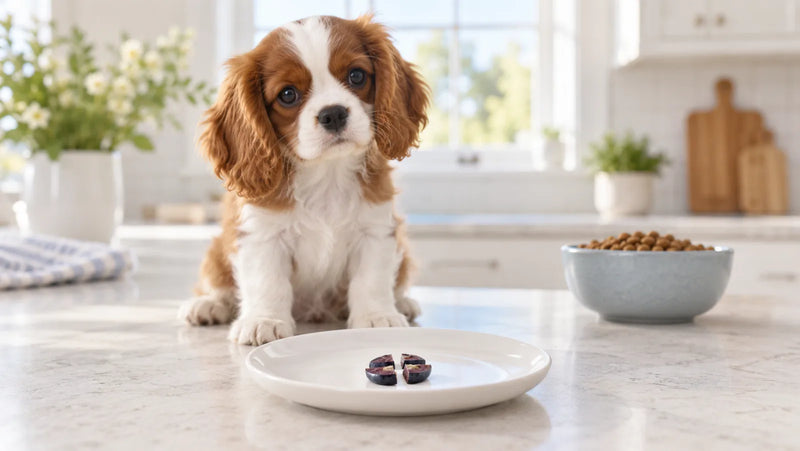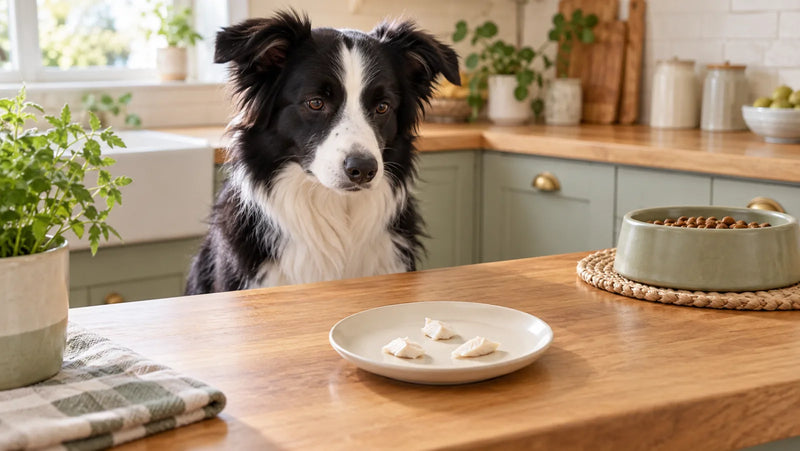

How to introduce new treats to dogs safely is simple: start with a tiny piece, give it on an otherwise normal day, then watch your dog for 24 hours before increasing the amount. New treats should feel like a small test, not a sudden diet change.
This matters even when the treat looks clean and simple. A dog's stomach still needs time to adjust to a new texture, protein, fat level, or chew style. Slow introduction helps you spot what works before you feed enough to cause avoidable digestive upset.
How to introduce new treats to dogs
The safest first serving is smaller than most people think. For a small dog, start with a crumb or pea-size piece. For a medium or large dog, start with a small bite, not a full treat. Keep the rest of the day normal: same meals, same water, same routine, and no other new foods.
If your dog does well, you can offer a little more the next day. If your dog has loose stool, vomiting, itchiness, unusual gas, or a sudden change in appetite, stop the new treat and wait. For repeated symptoms or any serious reaction, call your veterinarian.
Why slow introductions work
Dogs can react to a new treat for several reasons. Sometimes the issue is the protein. Sometimes it is richness, fat level, size, texture, or simply too much too soon. A slow test makes it easier to tell whether the treat itself is a problem or whether the portion was too large.
The American Kennel Club recommends gradual transitions when changing dog food, often over several days. Treats are smaller than meals, but the same idea applies: the digestive system does better when change is not sudden.
Start with the right treat type
Before you open the bag, read the ingredient list. Short, clear labels are easier to introduce because you know what your dog is actually trying. If your dog has known allergies or a prescription diet, check with your veterinarian before adding anything new.
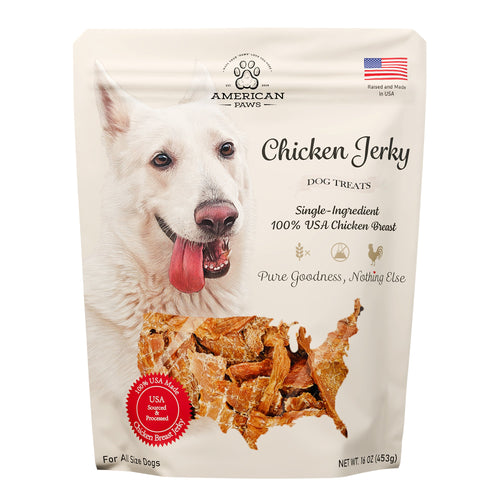
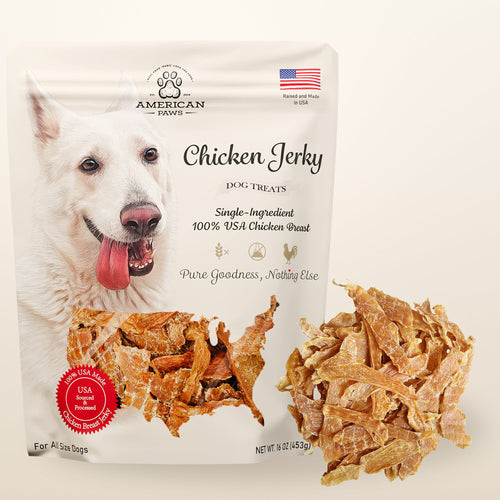
American Paws makes several simple treat styles. Our whole-cut chicken jerky is single-ingredient chicken breast, while our soft chicken training treats are all-natural chicken treats made with natural glycerin for a softer texture. That softer 2 lb training treat is not single-ingredient, so use the accurate label when choosing for your dog.

A simple 3-day new treat plan
Day 1 is the test day. Offer one tiny piece and stop there. Do not combine it with table scraps, new chews, new toppers, or a new food flavor. The goal is a clean read on your dog's response.
Day 2 is the confirmation day. If stool, appetite, energy, and skin all look normal, offer two or three tiny pieces. Day 3 is the normal-use day. If everything still looks good, you can begin using the treat in the way you intended, while keeping total treat calories modest. See how many treats a dog can have per day to set that limit.
What to watch for after a new treat
Most dogs either do fine or show mild digestive signs when something does not agree with them. Watch for loose stool, vomiting, extra gas, drooling, refusal to eat, scratching, paw licking, ear redness, or a sudden change in behavior. One small sign does not always mean a true allergy, but it does mean you should pause.
Keep notes if your dog has a sensitive stomach. Write down the treat, protein, portion, and timing. This makes patterns easier to see and gives your veterinarian better information if you need help.
How much is too much?
Treats should stay a small part of the total diet. WSAVA's dog treat guidance uses the common rule that treats should make up no more than 10% of daily calories. That means portion size matters more than the number of reward moments.
If you want to train heavily, cut treats smaller instead of feeding more total treat. You can also reserve higher-value treats for harder moments and use a lower-calorie reward for easy repetitions. For portion details, see our guide on how much beef liver a dog can eat; the same moderation logic applies across treat types.
Introducing treats to dogs with sensitive stomachs
For sensitive dogs, slow down even more. Start with a crumb. Wait 24 to 48 hours. Keep meals plain and unchanged. Avoid introducing a rich chew, a new topper, and a new training treat in the same week.
Single-ingredient treats can be useful when you are trying to keep the label simple, but they are not automatically right for every dog. A dog who does not tolerate chicken may still react to a single-ingredient chicken treat. Match the treat to your dog's history, not just the marketing phrase.
When to use soft treats vs chews
Soft treats are easiest for first introductions because you can cut them into tiny pieces. They are also useful for training because your dog can eat them quickly and stay focused. If you are teaching cues, read our guide on how to train a dog with treats.
Chews need a different kind of introduction. Start with a short supervised chew session, then take the chew away before your dog gets too excited or tries to gulp. Choose a size and texture that fit your dog's chewing style.
One new thing at a time
The biggest mistake is stacking changes. If you introduce a new treat, a new food, a new supplement, and a new chew in the same two days, you will not know what caused a problem. Keep the test clean.
This is especially important for puppies, seniors, dogs with allergies, dogs with pancreatitis history, and dogs on veterinary diets. For these dogs, ask your veterinarian before making treat changes.
How to use new treats for training
Once your dog tolerates the treat, you can start using it as a reward. Cut pieces small enough that your dog does not need to stop and chew for a long time. A training reward should be quick, clean, and motivating.
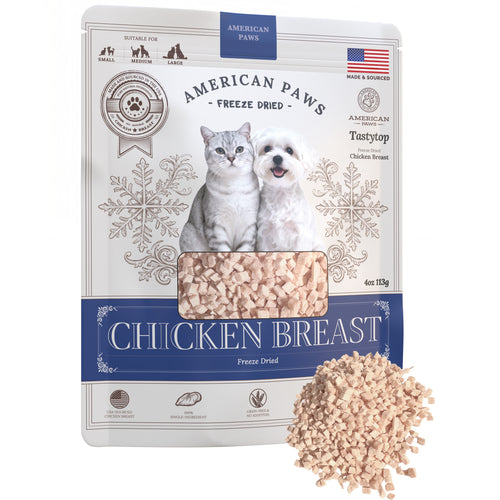
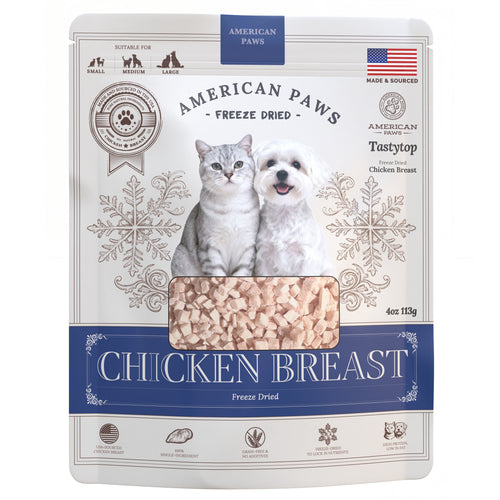
Our training treats collection includes soft and freeze-dried options for different reward styles. If your goal is daily practice, pick a treat you can portion carefully and use consistently.
How to tell if the treat is a good fit
A good fit is boring in the best way. Your dog likes it, eats it easily, has normal stool, keeps normal energy, and does not show itchiness or stomach trouble. The treat should also fit your training or chewing goal without making portion control hard.
If the treat is too rich, too large, too crumbly, or too hard for the job, choose a different format. The best treat is the one your dog handles well and you can use responsibly. If your dog is simply hard to please, our guide to the best dog treats for picky eaters compares aroma-forward options that tempt reluctant eaters.
Storage matters too
After opening a new bag, close it tightly and store it according to the label. Moisture, heat, and air can change texture and freshness. If a treat smells off, looks moldy, or has changed texture in a strange way, do not feed it.
Use clean hands or a scoop when possible, especially with treats you plan to use over many short sessions. Simple storage habits help keep the treat experience consistent.
Frequently asked questions
How long should I wait after giving a new dog treat?
Wait about 24 hours before increasing the amount. Sensitive dogs may need 48 hours between increases.
Can a new treat give my dog diarrhea?
Yes, especially if the portion is too large or the treat is richer than your dog is used to. Stop the treat and restart only when your dog is normal.
Should puppies try new treats differently?
Yes. Puppies need very small pieces and short tests. Ask your veterinarian if your puppy is very young or on a specific diet.
Are single-ingredient treats safer for introductions?
They can be easier to evaluate because the label is simple, but they are not safe for every dog. Avoid proteins your dog already reacts to.
Can I introduce two new treats at once?
It is better not to. Introduce one treat at a time so you can tell what your dog tolerates.
The simple rule
Start tiny, wait, watch, then build slowly. That one rule protects your dog's stomach, helps you spot problems early, and makes it easier to choose treats that truly fit your dog's routine.