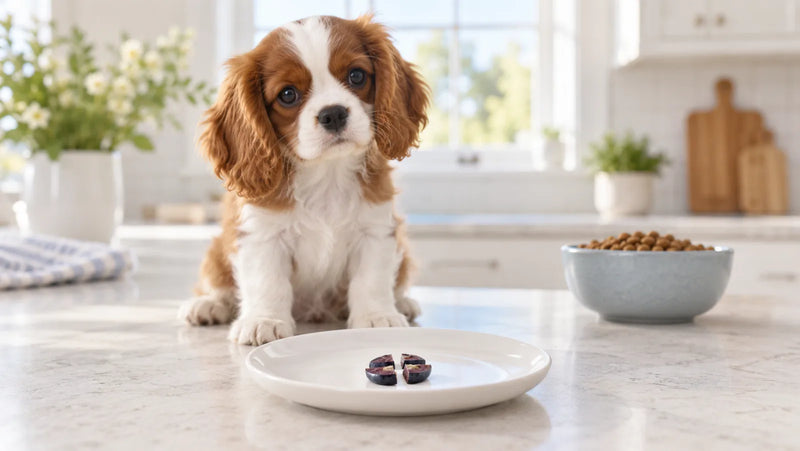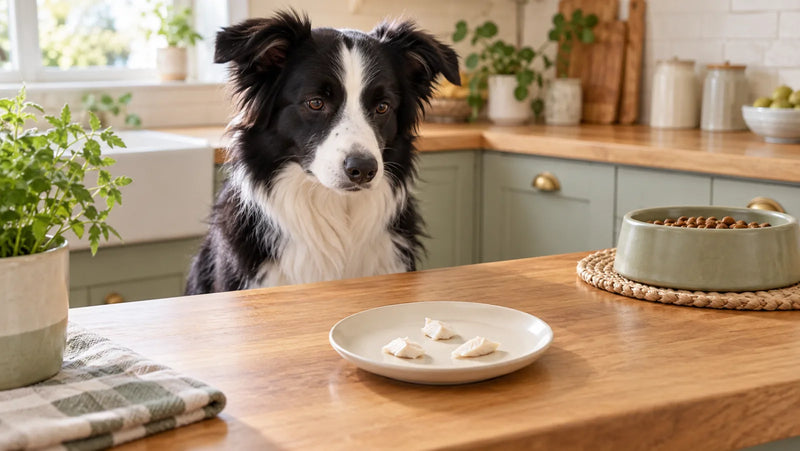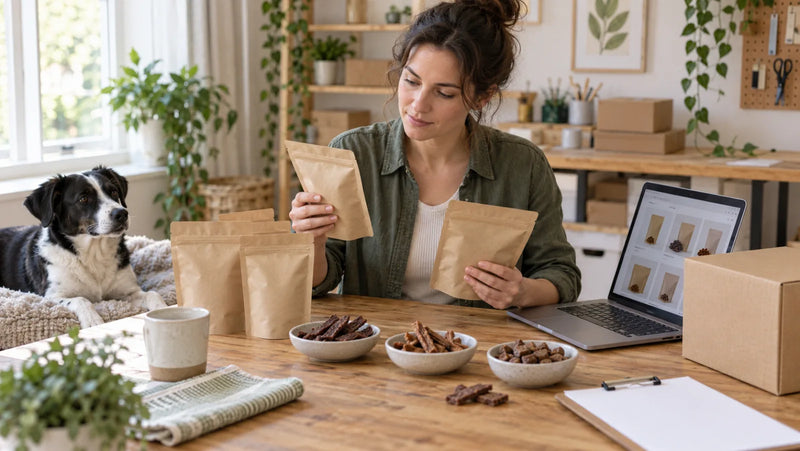

The best dog treats for picky eaters usually have three things in common: real meat aroma, a texture your dog enjoys, and a small enough serving size that you can test without overfeeding. Some picky dogs want crunchy freeze-dried pieces. Others want soft jerky. Some ignore treats until the same ingredient is sprinkled over their regular food.
That does not mean you need a complicated ingredient list or a cupboard full of novelty snacks. Start with simple chicken-based options, watch what your dog actually chooses, and keep portions small while you learn their preferences. For the wider checklist, see our guide to choosing safe dog treats.
Best dog treats for picky eaters: the quick rule
Choose treats that smell like real food, break into small pieces, and fit the moment. A picky dog may reject a large biscuit but work happily for a tiny piece of fragrant chicken. Another dog may ignore dry treats but eat dinner when a simple topper changes the aroma of the bowl.
The goal is not to train your dog to hold out for richer and richer snacks. The goal is to find a clean, reliable reward that helps with training, appetite support, or calm daily routines without turning treats into the main diet.
Why picky dogs refuse treats
Picky behavior can come from preference, texture, smell, stress, overfeeding, or a treat that simply is not valuable enough for the setting. A dog who eats treats at home may ignore them outside. A dog who loves soft pieces may spit out hard biscuits. A dog who gets too many snacks may be less interested at mealtime.
Sudden appetite changes are different. If your dog suddenly refuses normal food, seems tired, vomits, has diarrhea, loses weight, or acts painful, call your veterinarian. Treat choice can help with ordinary preference, but it should not cover up a health problem.
Start with aroma before size
Many pet parents make the treat bigger when the dog is not interested. A better first move is to make the treat more aromatic. Dogs often respond to smell before volume, especially during training or in distracting places.
Real chicken is useful here because it has a clear aroma without needing sugary coatings, heavy seasoning, or mystery flavors. Small, high-value pieces can feel exciting to the dog while still helping you control calories.
Three treat styles that often work
Freeze-dried chicken for clean crunch
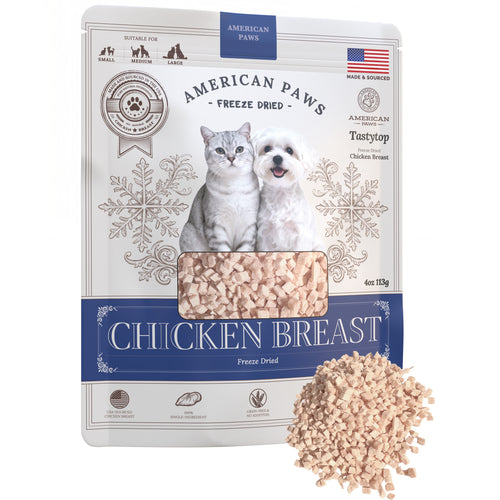
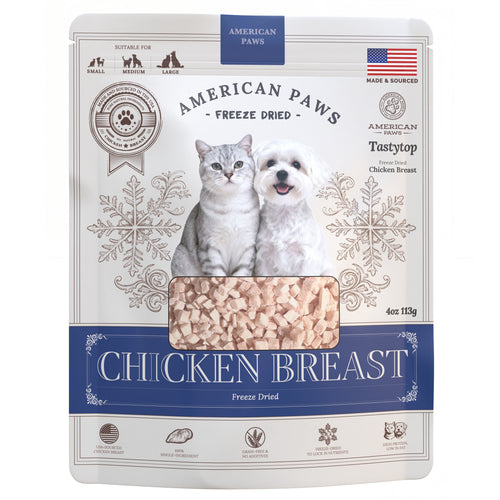
Freeze-dried chicken treats are a strong first option for picky dogs who like crisp texture and concentrated meat aroma. American Paws freeze-dried chicken is made with 100% USA chicken breast, so the label is easy to understand and the pieces are simple to portion.
This style works well when you want a lightweight reward for walks, training, or quick praise. If a piece is too large for your dog, break it before the session starts.
Soft chicken jerky for chewy rewards
Some picky dogs prefer soft, chewy treats over crunchy pieces. American Paws soft chicken jerky treats are made with real chicken and a touch of natural glycerin for texture. They are all-natural and grain-free, but they are not single-ingredient, so the right claim is texture and aroma, not a one-ingredient label.
Soft jerky is useful because you can snip it into tiny pieces. That matters for picky dogs: one strip can become many rewards, and each reward still smells like chicken.
Chicken topper for bowl interest
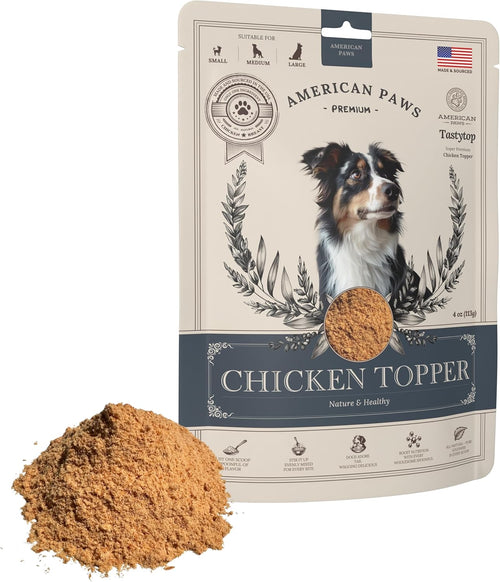
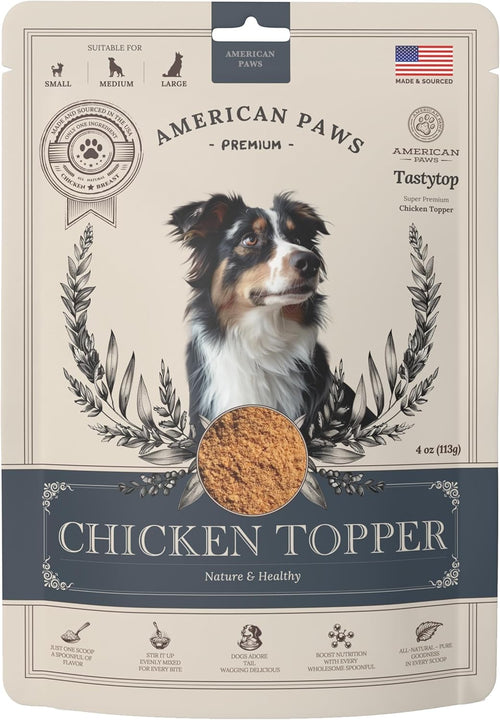
If your dog is picky at mealtime, a treat may not be the best format. A small amount of chicken meal topper can add aroma to regular food without replacing the meal. Use it as a topper, not as a complete diet, and follow the feeding directions on the product.
Toppers are especially practical when a dog likes chicken flavor but does not want to chew a separate treat. Keep the amount modest so the bowl still centers on balanced dog food.

How to test treats without creating a habit problem
Use a calm, simple test. Offer one tiny piece of a treat before your dog has had a pile of other snacks. If they sniff and walk away, do not immediately bring out five richer options. Put it away and try a different texture later.
When you compare options, change one variable at a time. Try freeze-dried chicken one day, soft jerky another day, and a topper at mealtime. This gives you better information than mixing everything together and guessing what worked.
If you are introducing a new protein, new texture, or richer reward, go slowly and change one thing at a time. For a deeper label-reading foundation, read our guide to single-ingredient dog treats and simple labels.
Use tiny pieces for training
Picky dogs often do better with many tiny chances to succeed than with one large treat. Cut soft jerky into pea-size or smaller pieces. Break larger freeze-dried pieces before you start. Put the rewards in a pouch so timing stays fast.
Small pieces also protect your daily treat budget. If a dog needs twenty rewards during a training walk, those rewards should be small enough that the session does not become a second meal. Our guide to why chicken jerky can work well for dogs explains where chewy chicken rewards fit best.
Look for simple labels
A picky dog does not need a longer ingredient panel. In many cases, simple is better because it helps you understand what your dog likes and what their stomach tolerates. Look for named animal protein, clear country-of-origin information, and treat formats that match your dog's chewing style.
American Paws makes chicken treats in the USA with small-batch care. Some products are single-ingredient, like freeze-dried chicken and whole-cut chicken breast jerky. Others, like the soft 2 lb chicken jerky, are all-natural formulas designed for a softer texture. The distinction matters, and the label should make it clear.
Simple labels also make comparison easier. If your dog prefers crunchy pieces, you can compare that texture with softer dehydrated or jerky-style treats instead of guessing from marketing language.
What to avoid with picky dogs
Avoid heavily seasoned human food, greasy table scraps, sugary coatings, and treats that make vague flavor claims without naming the main ingredient. Also avoid using treats to replace meals unless your veterinarian has given specific instructions.
Do not keep escalating value every time your dog refuses something. If a dog learns that walking away always produces a richer snack, pickiness can become a negotiation. Keep the routine steady: offer a reasonable option, keep portions small, and use mealtime structure.
When a topper is better than a treat
Some picky dogs are not treat-motivated between meals but need more interest in the bowl. In that case, a topper can be more useful than another handheld reward. Sprinkle a small amount over regular food, mix lightly, and give your dog a calm chance to eat.
If your dog only eats the topper and leaves the meal, reduce the amount and mix more thoroughly. The topper should help the main food become more appealing, not become the whole meal.
Match the treat to the moment
For training, use tiny, high-aroma pieces. For a quick clean reward, try freeze-dried chicken. For a soft chewy texture, try snipped jerky. For mealtime interest, use a chicken topper. For browsing across formats, start with the American Paws chicken collection.
The best choice is the one your dog accepts consistently, digests well, and can eat in the right portion. If you are choosing between crunchy and chewy options, our freeze-dried vs dehydrated dog treats comparison can help you match texture to the dog and the moment.
Frequently asked questions
What treats are best for picky dogs?
Real-meat treats with clear aroma are a good starting point. Freeze-dried chicken, soft chicken jerky, and simple chicken toppers are practical options to test.
Are soft treats better for picky eaters?
Sometimes. Dogs who dislike crunchy biscuits may prefer soft jerky because it is chewy, aromatic, and easy to cut into tiny pieces.
Can I use meal topper as a treat?
A topper is better for the food bowl than for handheld training. Use it to add aroma to regular meals, and follow product feeding guidance.
Should I switch treats if my dog refuses one?
Yes, but do it calmly. Test one new texture or format at a time instead of constantly offering richer options in the same moment.
When should I call a veterinarian about picky eating?
Call your veterinarian if pickiness is sudden, your dog refuses normal meals, or you see vomiting, diarrhea, weight loss, lethargy, or pain.
Choose simple, then test calmly
The best dog treats for picky eaters are simple enough for you to understand and appealing enough for your dog to notice. Start with one chicken format, use tiny portions, and build a routine that rewards interest without turning every snack into a negotiation. Explore American Paws chicken treats to compare freeze-dried chicken, soft jerky, toppers, and other simple options.