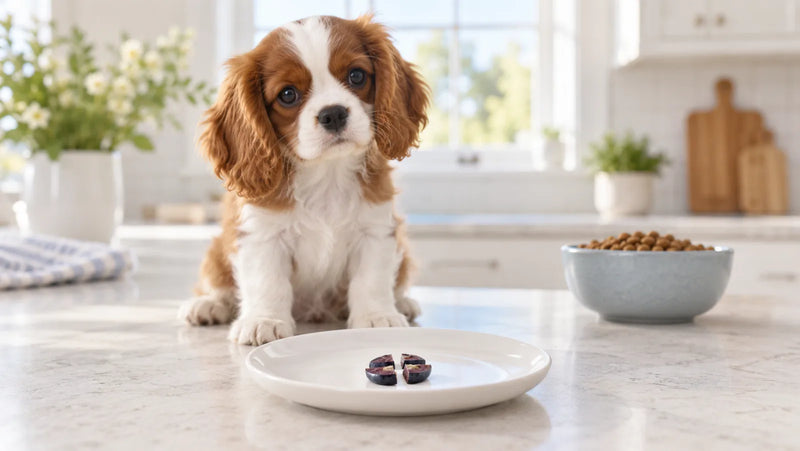

Can dogs eat chocolate? No—dogs should never be given chocolate. Chocolate contains theobromine and caffeine, and an exposure can become a veterinary emergency. Darker, more concentrated cocoa products generally pose more risk, but there is no useful “just wait and see” amount for a pet parent to decide at home.
If your dog ate chocolate, call your veterinarian, the nearest emergency animal hospital, or the ASPCA Animal Poison Control Center at 888-426-4435 now. Do not wait for symptoms. The type of chocolate, possible amount, timing, and your dog’s weight all matter, so let a veterinary professional assess the exposure.
Dog ate chocolate? Call now
Act first, investigate while you call:
- Move the remaining chocolate, candy, baked goods, and wrappers out of reach.
- Save the package. Find the product name, chocolate type, cocoa percentage if shown, package size, and ingredient list.
- Estimate the most your dog could have eaten and note when it happened. Do not delay the call to make the estimate perfect.
- Have your dog’s current weight, age, health conditions, medications, and present symptoms ready.
- Call your veterinarian, an emergency animal hospital, or ASPCA Animal Poison Control at 888-426-4435.
If your dog is trembling, seizing, collapsing, struggling to breathe, extremely agitated, or otherwise in severe distress, head to the nearest emergency veterinary hospital while you call. Do not try to induce vomiting or give hydrogen peroxide, salt, milk, activated charcoal, or another home treatment unless a veterinarian or animal-poison specialist specifically directs you.
Can dogs eat chocolate?
No. Cocoa naturally contains the methylxanthines theobromine and caffeine. The FDA explains that both compounds stimulate the nervous system and heart, and that dogs break them down more slowly than people do. Theobromine is the main concern in most chocolate exposures.
That difference in metabolism is why a human dessert is not a dog treat. A dog may also eat the product quickly, swallow the wrapper, or consume a filling with another hazardous ingredient. Even when the methylxanthine dose turns out to be low, fat and sugar can still cause stomach upset and may contribute to pancreatitis in susceptible dogs.
Why the type of chocolate changes the risk
Cocoa concentration changes how much theobromine and caffeine are packed into an ounce. In general, the more concentrated and darker the cocoa product, the less of it is needed to create concern. This order is a risk guide—not a serving guide:
| Chocolate type | Relative concern | What to tell the professional |
|---|---|---|
| Cocoa powder | Very concentrated; among the highest-risk forms | Brand, whether it was pure cocoa or a drink mix, and possible amount |
| Unsweetened baking chocolate | Very concentrated and highly concerning | Package weight, missing pieces, and time |
| Dark or semisweet chocolate | More concentrated than milk chocolate; cocoa percentage matters | Percentage, bar or chip size, and possible amount |
| Milk chocolate | Less concentrated than dark chocolate, but still toxic to dogs | Product size, missing amount, dog weight, and time |
| White chocolate | Very little theobromine, but still fatty, sugary, and not appropriate for dogs | Amount plus every filling, sweetener, and wrapper involved |
The ASPCA notes that darker chocolate generally contains more theobromine. It also warns that filled or sugar-free products may add hazards such as raisins, macadamia nuts, or xylitol. Coffee or espresso fillings add more caffeine. A wrapper, foil, stick, or plastic bag creates a separate choking or gastrointestinal-obstruction question.

What counts as a toxic dose?
Veterinary toxicology uses the dose of methylxanthines relative to body weight. That means the same missing square can represent very different exposure for a 7-pound dog and a 70-pound dog. It also means that an ounce of cocoa powder, baking chocolate, dark chocolate, and milk chocolate cannot be treated as equivalent.
An online calculator or a rule such as “one bite is fine” cannot account reliably for an uncertain amount, an unknown cocoa percentage, individual sensitivity, an existing heart condition, or extra ingredients. Professionals use the package details, dog’s weight, timing, and symptoms to decide whether decontamination, examination, monitoring, or treatment is needed.
The conservative rule is simple: report any suspected amount promptly. A quick call does not mean every exposure will become severe. It means the decision is made while early veterinary options may still be available, rather than after signs develop.
Signs of chocolate poisoning in dogs
Do not wait for clinical signs before calling. The American Kennel Club reports that signs commonly appear within 6 to 12 hours and may persist for as long as 72 hours. Some dogs can show problems sooner.
Early or milder signs
- Vomiting or diarrhea
- Restlessness, pacing, or unusual hyperactivity
- Increased thirst or urination
- Rapid breathing or difficulty settling
Severe signs
- Fast or abnormal heart rhythm
- Muscle twitching or tremors
- Overheating, weakness, or loss of coordination
- Seizures, collapse, or loss of consciousness
A dog does not need to show every sign. The absence of symptoms soon after ingestion does not clear the exposure, and a dog that vomits once has not necessarily removed the full risk.
What to do while you call
Keep the dog calm and prevent access to more food. Photograph the package and remaining product if that is faster than reading every detail aloud. Count what remains only if it can be done without delaying the call, and tell the professional when your estimate is uncertain.
Be specific about the whole product. “Chocolate cookie” may also contain raisins, macadamia nuts, coffee, alcohol, or a sugar-free sweetener. “Halloween candy” may include a plastic or foil wrapper. Those details can change the advice.
Do not force food or water, exercise the dog, or use an internet remedy. Whether vomiting should be induced depends on timing, clinical condition, aspiration risk, and what else was swallowed. That decision belongs to a veterinarian or poison-control professional.
Why “just a little” is not useful reassurance
Three uncertainties make casual reassurance unsafe. First, chocolate products vary widely in cocoa content. Second, smaller dogs receive more exposure per pound from the same piece. Third, people rarely know the exact missing amount after a dog raids a bowl, bag, purse, counter, or trash can.
Mixed foods create additional uncertainty. A brownie, protein bar, candy cluster, or filled truffle is not only “chocolate.” It may include xylitol, raisins, macadamias, espresso, alcohol, or a high fat load. When the package is gone or the product is homemade, say so during the call rather than guessing. Each of those ingredients is covered in our guide to toxic foods for dogs.
Halloween prevention that works
- Use a closed high cabinet: a countertop, open shelf, or child’s bedroom is not secure from a determined dog.
- Control bags and purses: guests may carry gum, candy, or chocolate at dog height.
- Give children one rule: no sharing human sweets with the dog, even as a joke.
- Use a lidded trash can: wrappers can smell like food and create a separate obstruction risk.
- Check the floor: do a quick sweep after trick-or-treat sorting and after guests leave.
- Set aside measured dog treats: one adult can distribute the dog’s normal rewards so guests never reach into the candy bowl.
For a broader plan covering guest feeding, party food, and the day’s total treats, use our safer holiday dog-treat guide. Whatever the occasion, all extras share one daily calorie budget; the celebration does not create a second allowance.
Frequently asked questions
Is dark chocolate worse than milk chocolate for dogs?
Generally, yes. Dark chocolate usually contains more cocoa and therefore more theobromine than milk chocolate. Cocoa percentage, amount, dog weight, and timing still matter, so call a veterinarian or poison-control center for any suspected exposure.
Is white chocolate safe for dogs?
No. White chocolate contains very little theobromine compared with darker chocolate, but it is high in fat and sugar and may be part of a product containing another hazardous ingredient. It should not be offered as a dog treat.
How soon do symptoms start after a dog eats chocolate?
Signs can begin within hours and often appear within 6 to 12 hours, but you should call immediately rather than waiting for them. Earlier professional assessment preserves more options.
Should I make my dog vomit after eating chocolate?
Not without direct professional instruction. Home-induced vomiting can create additional harm in the wrong dog or situation. Call your veterinarian, an emergency hospital, or ASPCA Animal Poison Control at 888-426-4435 and follow the instructions for your specific case.
What information should I give poison control or my veterinarian?
Provide your dog’s weight, age, health conditions, current symptoms, the chocolate type and cocoa percentage, the most that may be missing, the time of ingestion, and the full ingredient list. Keep the package and wrappers available.
Keep chocolate off the dog-treat menu
Chocolate belongs in a closed cabinet, never in a dog’s bowl. If an exposure may already have happened, stop here and call your veterinarian, emergency animal hospital, or ASPCA Animal Poison Control at 888-426-4435.
For ordinary celebrations, give the dog a separate, measured reward made for pets. Browse all American Paws dog treats, choose a familiar option that fits the dog’s diet, and keep the human candy completely out of reach.