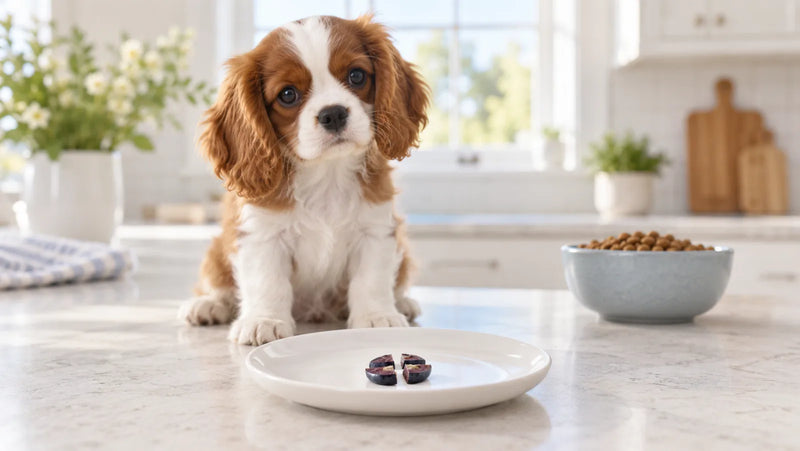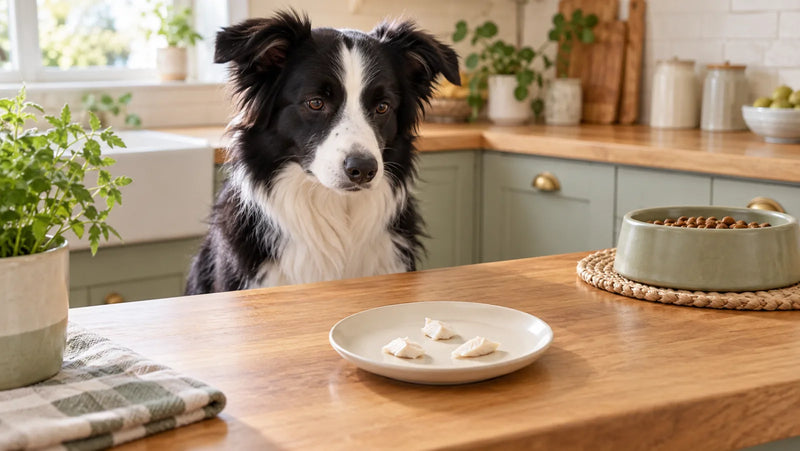

Can dogs eat gravy? Skip traditional gravy as a planned serving. Pan drippings, butter, fatty meat juices, salt, bouillon, onion, garlic, and seasoning can turn a spoonful into an avoidable stomach, pancreatitis, sodium, or toxic-ingredient risk. Gravy adds little that a dog's complete food needs.
A tiny lick of a confirmed allium-free, lower-fat recipe is not automatically an emergency. A ladleful, packet gravy, unknown restaurant recipe, gravy made with onion or garlic, or an exposure in a dog with previous pancreatitis is a different case. Identify the exact recipe, amount, dog, timing, and symptoms before deciding what happens next.
Can Dogs Eat Gravy? The Short Answer
Do not pour turkey, chicken, beef, pork, sausage, giblet, mushroom, or instant gravy over a dog's meal. Traditional recipes are designed for concentrated human flavor, not for a dog's treat budget or medical needs.
If a dog steals a taste, ask these questions immediately:
- Was onion, garlic, leek, chive, bouillon, stock concentrate, seasoning salt, or a packet mix used?
- Did the gravy contain pan drippings, skin fat, butter, cream, sausage, bacon, or another rich ingredient?
- How much is missing, and did the dog also reach bones, foil, twine, a spoon, packet, or packaging?
- What does the dog weigh, and is there a history of pancreatitis, kidney or heart disease, a prescribed diet, or another relevant condition?
- When did it happen, and is the dog vomiting, painful, weak, unusually thirsty, uncoordinated, pale, or otherwise abnormal?
For the wider holiday plate, use our guide to Thanksgiving foods dogs can eat and should avoid. This page keeps the decision narrow: what is actually in the gravy and how much was eaten?
Why Traditional Gravy Is a Poor Dog Topper
Gravy usually combines several concerns rather than one forbidden ingredient. A roux may begin with butter or rendered fat. Pan drippings can carry concentrated fat, salt, rub, brine, and browned seasoning. Stock or bouillon may add sodium and allium powders. Cream, sausage, giblets, bacon, wine, mushrooms, pepper, herbs, and commercial flavor systems can add more variables.
The finished sauce is also easy to overpour. A spoonful disappears across a bowl, so several servings may look like a light coating. Guests can add more without knowing what someone else already gave. The dog then receives a rich new food on top of the normal meal and every other holiday handout.
“Homemade” does not mean plain, and “store-bought” does not identify the formula. Read the complete packet, jar, can, bouillon, stock, and seasoning labels. If the recipe cannot be reconstructed, do not use it as dog food.
Fat, Dietary Indiscretion, and Pancreatitis
The FDA's holiday pet-safety guidance warns that rich, fatty table scraps can cause vomiting and diarrhea and may contribute to painful, potentially serious pancreatitis. Gravy made from drippings, skin fat, butter, cream, sausage, or bacon belongs in that rich-food category.
The Merck Veterinary Manual's pancreatitis review notes that dietary indiscretion together with vomiting and abdominal pain may suggest pancreatitis in a dog. It does not mean every lick of gravy causes the disease. Risk depends on the recipe, amount, individual dog, and medical history, and diagnosis requires veterinary assessment.
Contact a veterinarian for repeated vomiting, a painful or tense abdomen, unusual restlessness or a hunched posture, refusal of food, diarrhea, weakness, or worsening lethargy. A dog with previous pancreatitis or a veterinary low-fat plan should not receive a holiday exception just because the serving looks small.

Sodium, Bouillon, and Seasoned Stock
Gravy can concentrate sodium from brined meat, drippings, broth, bouillon cubes, stock concentrate, packet seasoning, soy sauce, and added salt. “Reduced sodium” compares a product with its regular version; it does not mean salt-free, allium-free, or appropriate for a dog.
Merck's salt toxicosis reference explains that excessive sodium chloride—especially when water is limited—can cause gastrointestinal and neurologic signs. Ordinary gravy exposures vary too much to publish one universal safe spoon count. Product sodium, amount, dog size, water access, health, and other exposures all matter.
Dogs with kidney disease, heart disease, hypertension, fluid-balance problems, or a prescribed diet need their veterinary team's answer. Do not try to correct a suspected high-salt exposure by forcing water or improvising an electrolyte treatment. Keep the recipe or package and call for case-specific advice.
Onion and Garlic Can Hide in Gravy
Onion and garlic may enter gravy as chopped vegetables, roasted aromatics, pan seasoning, stock, bouillon, soup mix, packet powder, “spices,” or a restaurant base. Scraping out visible onion does not remove what dissolved into the sauce.
The Merck allium toxicosis review states that raw, cooked, dehydrated, granulated, and concentrated onion or garlic can damage red blood cells in dogs and cats. Powdered and dried forms deserve attention because they may be concentrated, and signs of hemolytic anemia can take several days to appear.
Known or possible onion, garlic, leek, or chive exposure deserves prompt professional advice even if the dog looks normal. Our toxic foods for dogs safety pillar covers the broader ingredient list and emergency framework; this gravy guide does not recreate every toxin.
Flour Is Usually Not the Main Problem
Fully cooked wheat flour or cornstarch used to thicken a gravy is generally not the central toxic ingredient for most dogs. It still adds calories, and wheat can conflict with an individual allergy evaluation, elimination trial, gastrointestinal plan, or other veterinary diet. Raw flour or raw yeast dough raises different food-safety and physical questions, but an ordinary cooked roux is not why traditional gravy is usually rejected.
The important point is that a thickener does not neutralize the drippings, fat, salt, onion, garlic, bouillon, or seasoning around it. A gluten-free gravy can still be rich and seasoned; a vegan mushroom gravy can still contain onion, garlic, salt, alcohol, and concentrated stock. Marketing labels do not replace the ingredient list.
Gravy Types: What Changes and What Does Not
| Gravy type | Common concerns to verify | Decision |
|---|---|---|
| Turkey, chicken, beef, or pork pan gravy | Drippings, skin fat, butter, brine, rub, stock, onion, garlic, salt | Skip as a planned dog serving |
| Giblet gravy | All of the above plus concentrated organ pieces and a richer mixed recipe | Skip; do not assume “meat” makes it suitable |
| Sausage or milk gravy | Sausage fat, salt, spices, dairy, butter, flour | Skip |
| Packet, jarred, canned, or instant gravy | Sodium, onion/garlic powder, flavoring, fat, sweeteners, complete formula | Read the label after exposure; do not serve intentionally |
| Mushroom or vegetarian gravy | Mushroom identity, onion, garlic, alcohol, stock, salt, fat | “Vegetarian” does not establish dog safety |
| Low- or reduced-sodium gravy | Remaining sodium, alliums, fat, seasoning, serving size | Not automatically dog-safe |
| Product marketed as dog gravy | Ingredients, calories, nutritional adequacy, directions, medical-diet fit | Evaluate as a supplemental topper, not by the word “gravy” |
What to Do If a Dog Eats Gravy
- Stop access. Move the gravy, pan, plate, trash, utensils, and packaging out of reach.
- Reconstruct the exposure. Save every label and the recipe. Record the type of gravy, all ingredients, estimated amount, time, dog's weight, medical history, and current signs.
- Call when the recipe or dog raises concern. Contact the veterinarian, emergency clinic, or ASPCA Animal Poison Control at (888) 426-4435 after a known or possible allium exposure, a large or very rich serving, concentrated bouillon or high-salt product, an unknown recipe, a vulnerable dog, symptoms, or missing packaging. A consultation fee may apply.
- Follow case-specific instructions. Do not induce vomiting or give hydrogen peroxide, salt, oil, milk, bread, charcoal, antacids, or a forced meal unless the professional handling the case instructs you.
- Escalate urgent signs. Repeated vomiting, marked abdominal pain, collapse, seizure, severe weakness, breathing trouble, pale gums, inability to stand, or rapidly worsening signs require emergency care.
Do not rely only on the first hour. Gastrointestinal signs may begin sooner, while red-blood-cell injury from alliums can become apparent days later. Follow the monitoring window and recheck instructions the veterinarian or poison professional gives for the exact exposure.
What to Use Instead of Gravy
Plain Unsalted Meat-and-Water Broth
A small measured splash of broth may fit some dogs when it is truly plain: meat and water, with no onion, garlic, leek, chive, salt, bouillon, alcohol, seasoning, bones in the bowl, or fatty drippings. Cool it, remove every bone and foreign object, skim visible fat, and count any calories. “No salt added” still requires a full ingredient check.
Broth is a liquid, not a complete meal or treatment. Our guide to preparing and evaluating pork bone broth for dogs owns the detailed cooking, cooling, straining, fat-removal, storage, and serving questions.
Warm Water
Warm water is the simplest way to moisten a dog's regular food without introducing a new protein, seasoning, or calorie source. Add only enough to achieve the desired texture, serve at a safe temperature, and discard the moistened meal according to appropriate food-handling timing. For a dog on a fluid plan or therapeutic diet, follow the veterinary team's instructions.
A Measured Dog Food Topper
A topper is concentrated food, not flavored water. Read its exact ingredients, calories per unit, directions, and nutritional-adequacy statement, then subtract it from the dog's total extras budget. The WSAVA dog treat feeding guide recommends keeping all treats and extras below 10% of daily calories; an individual veterinary plan may allow less or none.
The current American Paws single-ingredient chicken meal topper lists 100% USA chicken breast, finely ground and freeze-dried, at approximately 25 kcal per teaspoon. It is intended for intermittent or supplemental feeding and may be served dry or rehydrated with a splash of warm water. Measure it; do not call a heaped spoon “just gravy,” and do not use it when chicken or the calorie load conflicts with the dog's plan.
Our guide to what a dog food topper is explains how supplemental toppers differ from complete food. No topper treats pancreatitis, salt exposure, poisoning, or poor appetite caused by disease.
A Veterinary-Diet-Compatible Option
For a dog on a prescribed diet, the safest flavor boost may be a spoon of the matching canned formula blended with warm water or another option approved by the veterinary team. Do not use generic broth or topper advice to work around a renal, cardiac, allergy, gastrointestinal, pancreatitis, or elimination-diet plan.
Frequently Asked Questions
Can dogs have turkey gravy?
Skip traditional turkey gravy. It often contains drippings, skin fat, butter, salt, brine, stock, bouillon, onion, garlic, and seasoning. Plain unseasoned turkey meat set aside before the recipe is a different food decision.
Is a tiny lick of gravy an emergency?
Not automatically. A tiny lick of a confirmed allium-free, lower-fat recipe may only require observation, but an unknown recipe, onion or garlic, concentrated stock, a high-salt or very rich product, symptoms, or a medically vulnerable dog warrants a prompt call.
Can dogs have gravy made with flour?
Cooked flour is usually not the central toxin, but gravy made with flour can still contain fat, salt, onion, garlic, bouillon, dairy, and seasonings. The entire recipe and amount matter. Wheat may also conflict with an individual allergy or elimination plan.
Can dogs have low-sodium gravy?
“Low sodium” or “reduced sodium” does not prove a gravy is allium-free, low-fat, low-calorie, or suitable for a medical diet. Use warm water or a confirmed plain meat-and-water broth instead when the individual dog is allowed those options.
What is a safe dog gravy topper?
Think in ingredients and measured calories, not the word “gravy.” Warm water adds moisture without calories. A plain unsalted meat-and-water broth may fit some dogs. A clearly labeled commercial topper can be measured and optionally rehydrated when its protein and calories fit.
Can dogs have plain broth instead of gravy?
A small amount may fit if the broth contains only a suitable meat and water and has no alliums, salt, bouillon, alcohol, seasoning, bones, or fatty drippings. Check the exact recipe and the dog's medical plan.
What signs should I watch after gravy?
Watch for repeated vomiting, diarrhea, abdominal pain, restlessness, refusal of food, weakness, marked thirst, uncoordinated movement, tremors, seizures, pale gums, rapid breathing, dark urine, or collapse. Signs and timing depend on the ingredients; call promptly rather than waiting after a known toxic exposure.
Keep the Dog Bowl Separate From the Gravy Boat
Traditional gravy bundles too many avoidable variables into one rich pour. Keep it on the human table. If the dog needs moisture, use warm water or a veterinarian-approved plain broth. If the dog needs aroma and chicken fits, measure the current chicken topper by its calories and add only a splash of warm water.
For a planned reward rather than a holiday sauce, browse all current American Paws dog treats and supplemental products, then verify the exact ingredient, label, calories, texture, and individual fit. A readable package does not make an extra a complete meal, and no product is a remedy after unsafe gravy.