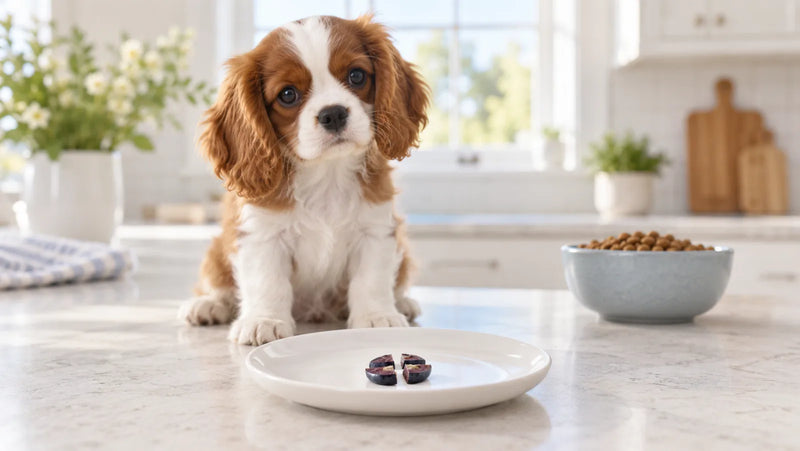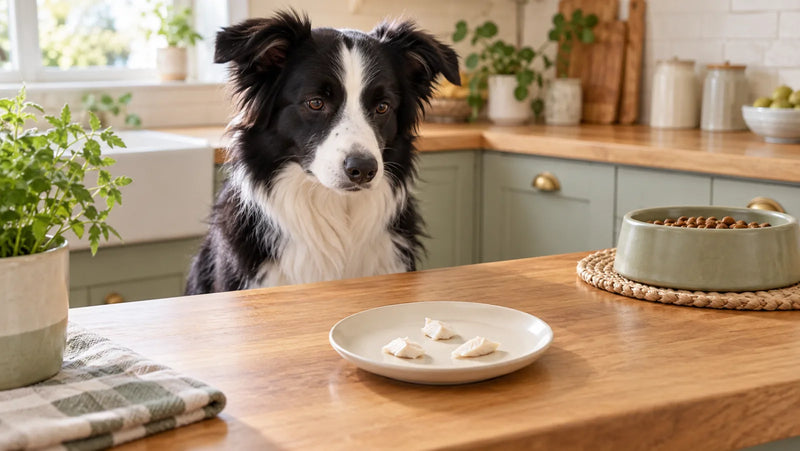

Before you mix pumpkin peanut butter dog treats, read the complete peanut-butter ingredient list. It must contain no xylitol, birch sugar, wood sugar, or birch bark extract. The FDA warns that xylitol can be poisonous to dogs and may occur in some peanut and nut butters. If a dog may have eaten it, contact a veterinarian, emergency animal hospital, or animal poison control center immediately—do not wait for symptoms.
Once both labels pass, the recipes are simple. Use 100% plain pumpkin puree, not pumpkin pie filling. Choose either a three-ingredient baked biscuit made with flour or a three-ingredient chilled bite made with plain oats. Both versions keep the pumpkin-and-peanut-butter combination clear, and both need small portions and cold storage.
Before making pumpkin peanut butter dog treats, check for xylitol
Read the complete peanut-butter ingredient list every time
A front label is not enough. Words such as “natural,” “no added sugar,” “low sugar,” and “sugar-free” do not prove that a peanut butter is suitable for a dog. Turn the jar around and read every ingredient before every batch, because formulas can change.
For these recipes, choose smooth, unsalted peanut butter with a short, understandable list and no xylitol or alternate name. Smooth texture mixes evenly and avoids adding whole nut pieces to small treats. “Dog-safe peanut butter” in this article means that you personally checked the current jar; it is not a blanket approval of a brand or a promise that peanut fits every dog's diet.
The FDA explains that xylitol can trigger a rapid, dangerous drop in a dog's blood sugar and may lead to weakness, collapse, seizures, or other severe effects. It can also appear as birch sugar or wood sugar; an FDA animal-health poster additionally lists birch bark extract. Keep the jar and package available if you need to call the veterinary team or poison control.
Choose 100% pumpkin puree, not pumpkin pie filling
The pumpkin can should list pumpkin or 100% pumpkin puree. Pumpkin pie filling and pie mix are dessert products. Depending on the formula, they may contain sugar, salt, dairy, fat, spices, or sweeteners that do not belong in these dog treats.
The American Kennel Club's pumpkin recipe guide makes the same distinction: use canned pumpkin puree rather than pie mix with added sugar and spices. If you want the broader food-safety context before baking, our pumpkin benefits and safe serving guide covers fresh, canned, cooked, and raw forms without turning them into a recipe.
Do not add pumpkin-spice blend, cinnamon, nutmeg, sugar, honey, syrup, frosting, butter, oil, or salt. The recipe is meant to be plain and supplemental, not a human cookie adapted only by changing its shape.
Recipe 1: Easy 3-ingredient pumpkin peanut butter dog treats
This baked baseline comes from a veterinarian-reviewed University of Georgia College of Veterinary Medicine recipe and is also published by the AKC. It uses exactly three measured ingredients. Do not add egg, leavening, oil, sweetener, or decorative icing.
Ingredients and equipment
- 2 cups plain all-purpose flour, plus only a light dusting for the work surface if needed
- 1 cup 100% plain canned pumpkin puree, not pie filling
- 1/2 cup smooth, unsalted peanut butter whose full ingredient list contains no xylitol, birch sugar, wood sugar, or birch bark extract
- a mixing bowl and sturdy spoon;
- a rolling pin and small cutter or clean knife;
- a parchment-lined baking sheet; and
- a wire cooling rack.
Flour is raw food until it is baked. The FDA's flour-safety guidance says not to taste raw dough and to wash hands, bowls, utensils, and work surfaces after handling flour. Keep the dog away from the mixing bowl and dropped dough.
Mix, roll, cut, and bake at 375°F for about 12 minutes
- Preheat the oven to 375°F. Line a clean baking sheet with parchment.
- Stir the plain pumpkin and checked peanut butter together until the color and texture are even.
- Add the flour gradually and mix until a workable dough forms. Flour packing and puree moisture vary, so scrape the bowl and bring the dough together before deciding it is too wet.
- Move the dough to a lightly floured surface and roll it evenly to roughly 1/4 inch thick.
- Cut small, consistent pieces—about one inch is more useful for portioning than a large decorative biscuit.
- Place the pieces about 1/2 inch apart on the lined sheet.
- Bake for about 12 minutes, then check that the surfaces and centers are set. Ovens, thickness, and humidity vary, so give a soft center a little more time rather than serving raw flour dough.
- Move the biscuits to a rack and cool them completely before one reaches the dog or a storage container.
Twelve minutes is the published starting point, not a universal guarantee. A thicker shape may need longer; a very thin piece may finish sooner. Complete cooling matters because warm biscuits can create condensation when sealed.
Recipe 2: Chilled pumpkin peanut butter oat bites
This no-oven option follows the ASPCA's pumpkin, peanut-butter, and oat treat formula. It is still a moist perishable treat, not a shelf-stable energy ball. Keep the pieces tiny because peanut butter carries many calories in a small volume.
Ingredients and equipment
- 1 cup 100% plain pumpkin puree with no spices
- 3/4 cup plain regular oatmeal with no flavor packet, sweetener, raisins, chocolate, salt, or spice blend
- 1/4 cup smooth peanut butter checked for every xylitol name listed above
- a mixing bowl, spoon, teaspoon measure, and clean covered refrigerator container
Use plain oats, not a breakfast packet. Apple-cinnamon, raisin, chocolate, maple, protein, or sugar-free oatmeal can bring ingredients that are unnecessary or unsafe for a dog. Do not roll the bites in cereal, sugar, coconut, sprinkles, or another decorative coating.
Mix, shape small, and refrigerate for 1–2 hours
- Stir the pumpkin and checked peanut butter until evenly combined.
- Fold in the plain oats and mix until every portion looks consistent.
- Use a teaspoon or smaller measure to form many equal-size bites. Keep clean hands and utensils, and do not let the dog lick the main bowl.
- Arrange the bites in a clean covered container without stacking them deeply while soft.
- Refrigerate for 1–2 hours until chilled and somewhat firmer.
- Serve one appropriately small bite within the dog's calorie plan and return the container to the refrigerator immediately.
The chilled texture remains soft. If the mixture will not hold a perfect ball, use a smaller spoon and treat it as a measured soft dollop rather than adding extra peanut butter. More peanut butter makes the batch denser in calories; it is not the right fix for appearance.

Flour or oats: which version fits your dog?
The baked biscuit is firmer, easier to cut into consistent shapes, and less messy for a short supervised outing. It requires an oven, raw-flour hygiene, and a reliable check that the center is set. The chilled oat bite is faster and softer, but it must remain refrigerated and can be sticky in warm hands.
| Decision point | Baked flour biscuit | Chilled oat bite |
|---|---|---|
| Ingredients | Flour, pumpkin, peanut butter | Plain oats, pumpkin, peanut butter |
| Preparation | Roll, cut, bake, cool | Mix, scoop, chill |
| Texture | Set and biscuit-like | Soft and moist |
| Main handling concern | Raw flour and complete baking | Continuous refrigeration |
| Best portion control | Small uniform cutter | Teaspoon or smaller scoop |
Neither version is automatically better for allergies. Wheat, oats, and peanuts can each be unsuitable for an individual dog, and a shared kitchen may introduce cross-contact. If a dog follows an elimination or prescription diet, do not improvise a flour swap; ask the managing veterinary team whether any version fits the plan.
How to size the treats and estimate calories per piece
Do not promise a yield before choosing the cutter or scoop. A one-inch cutter makes many more baked pieces than a three-inch novelty shape. A level teaspoon makes smaller chilled bites than a rounded tablespoon. Uniform pieces are more useful than decorative variety because they make calorie estimates and daily portions more consistent.
Estimate each batch in four steps:
- Use the actual package labels to find the calories in the measured pumpkin, peanut butter, and flour or oats.
- Add those ingredient calories to estimate the full batch.
- Count the equal-size finished biscuits or chilled bites.
- Divide the estimated batch calories by the finished number of pieces.
For example, if a hypothetical batch contains 1,200 calories and yields 60 equal pieces, the estimate is about 20 calories each. That is arithmetic only, not the verified calorie count for either recipe here. Brands, measuring methods, bowl residue, moisture loss, cutter size, and uneven pieces all change the result.
Peanut butter is the calorie-dense ingredient. The WSAVA treat guide uses about 81 calories for one tablespoon of peanut butter as a general example, but your jar's label controls. Pumpkin color does not make a peanut-butter biscuit low-calorie.
How many pumpkin peanut butter treats can a dog have?
The World Small Animal Veterinary Association's dog-treat guide recommends keeping all treats below 10% of daily calories and feeding a complete and balanced diet first. The ceiling includes these biscuits or bites, training rewards, chews, toppers, pill foods, and table extras.
There is no safe universal count because dogs and finished pieces differ. Use the per-piece estimate with the dog's established energy target and our daily dog-treat calorie budget. Do not cut a large amount of complete food simply to create room for homemade treats.
Start with part of one small piece when the ingredients are familiar and the dog is healthy. Introduce only one new recipe at a time. Stop feeding it and contact the veterinary team if the dog develops repeated vomiting, diarrhea, itching, swelling, pain, marked lethargy, or another concerning change.
How to store pumpkin peanut butter dog treats
Refrigerate and use within 3 days
These recipes contain moist pumpkin and have not been tested for water activity or shelf stability. Keep both versions in clean, covered containers in the refrigerator. The University of Georgia recipe directs readers to freeze leftovers after three days, so use 3 days refrigerated as the conservative working window.
For the baked version, cool every biscuit completely before closing the container. Trapped warmth creates condensation. For the chilled version, return the container to the refrigerator immediately after serving. Do not pack either recipe for an all-day warm car, hike, or countertop treat jar.
Freeze extra pieces in small portions
Freeze extra treats on the day they are made in small daily portions. Once firm, keep the pieces sealed and dated so family members know the recipe and batch date. Thaw only the next portion in the refrigerator; do not repeatedly thaw and refreeze the main container.
Discard treats with visible mold, wet or slimy patches, an unusual fermented or rancid odor, insect activity, a damaged container, or a major texture change. Never taste a questionable dog treat to test it. Cold storage slows change; it does not rescue contaminated ingredients or an underbaked center.
When to skip or ask the veterinarian first
These recipes may not fit a dog with diabetes, a history of pancreatitis, obesity, kidney disease, gastrointestinal disease, a food allergy, or a prescription diet. Peanut butter is rich, and the flour or oat component introduces another ingredient to evaluate. A three-ingredient recipe is still not a three-dog universal.
Puppies have small calorie budgets and need complete growth nutrition. Senior dogs and dogs with dental disease may need a softer or smaller texture, but a new chewing problem deserves a veterinary assessment rather than a recipe workaround. A dog that must avoid peanut, wheat, or oats should not receive a casual substitute batch.
Do not assume coconut, almond, chickpea, or another specialty flour can replace all-purpose flour cup-for-cup. Absorbency, fat, calories, texture, and baking behavior differ. Use a recipe developed for the chosen flour or consult a veterinary nutrition professional when a restriction matters.
Frequently asked questions
What peanut butter is safe for dog treats?
Use smooth, unsalted peanut butter only after reading the full current ingredient list and confirming it contains no xylitol, birch sugar, wood sugar, or birch bark extract. Keep the portion small. A front-label claim such as natural or sugar-free is not a substitute for checking every ingredient.
Can I use pumpkin pie filling?
No. Use 100% plain pumpkin puree. Pie filling and pie mix can contain sugar, salt, fat, dairy, spices, or sweeteners and are not interchangeable with plain puree in these recipes.
Can I substitute oat flour for wheat flour?
Not automatically. Oat flour absorbs and structures dough differently from all-purpose flour, so a one-for-one swap may leave a wet center or crumbly result. Use the chilled plain-oat recipe on this page or a separately tested oat-flour formula rather than guessing.
Do pumpkin peanut butter dog treats need refrigeration?
Yes. These moist home recipes are not laboratory-verified as shelf-stable. Cool baked biscuits completely, keep both versions covered in the refrigerator, use within three days, and freeze extra portions promptly.
Can puppies have pumpkin peanut butter treats?
Only in a tiny amount if the puppy is ready for solid treats and the veterinary team agrees that pumpkin, peanut, and flour or oats fit the growth diet. Complete puppy food remains the nutritional foundation, and every bite counts toward the small extras budget.
Check the labels, bake or chill, and portion small
Reliable pumpkin peanut butter dog treats begin with two label checks: plain pumpkin rather than pie filling, and peanut butter with no xylitol or alternate name. From there, choose the baked three-ingredient biscuit or chilled oat bite, make consistent small pieces, store them cold, and count each one within the under-10% treat allowance.
For a wider set of methods and ingredients, see our other homemade pumpkin dog-treat recipes. When cooking and cold storage are not practical, browse ready-made natural dog treats from American Paws and select a labeled ingredient list, texture, and portion that fit your dog. American Paws does not currently sell a pumpkin treat; the collection is simply a measured ready-made alternative.