

Christmas
Is Christmas Tree Water Safe for Dogs? No—Keep It Covered
Christmas tree water is not a dog water bowl. Learn how additives, stagnant water, sap, needles and decorations change the risk, what evidence to save, and when to call for help.
Your Cart 0
Item added to your cart

The American Paws Journal
Expert guides, ingredient insights, and care tips from our team — for dogs and the people who love them.
Browse ArticlesBrowse by topic
cooking
There is no safe recipe for cooking a whole bone-in turkey neck as a dog chew. Learn the boneless cooked-meat route, raw and de...
cat treats
A label-by-label guide to chicken jerky for cats: which ingredients rule it out, how to manage chewy strips and calories, and w...
cat treats
Cats may have a tiny bite of fully cooked, skinless, boneless, unseasoned turkey. Learn portions and why skin, bones, alliums, ...
chicken feet
A conservative puppy guide to dental readiness, body size, calm chewing, first-session supervision, frequency, and dehydrated-v...
chicken
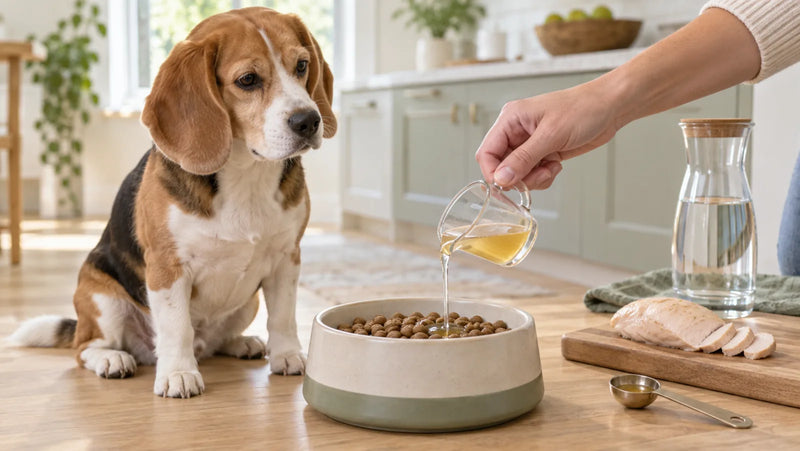
Learn how to screen store-bought chicken broth for onion, garlic, seasonings, and sodium, make a plain version, and use only a ...
bell peppers
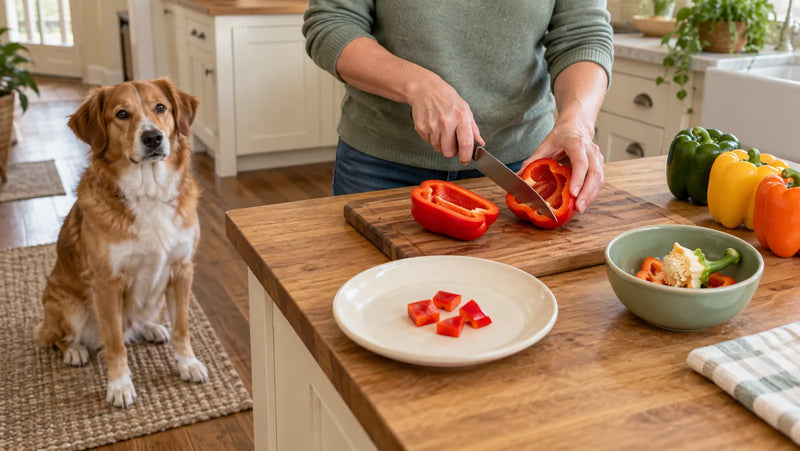
Learn which bell pepper colors dogs can eat, how to remove the stem and seeds, prepare the flesh, avoid spicy peppers, and port...
asparagus
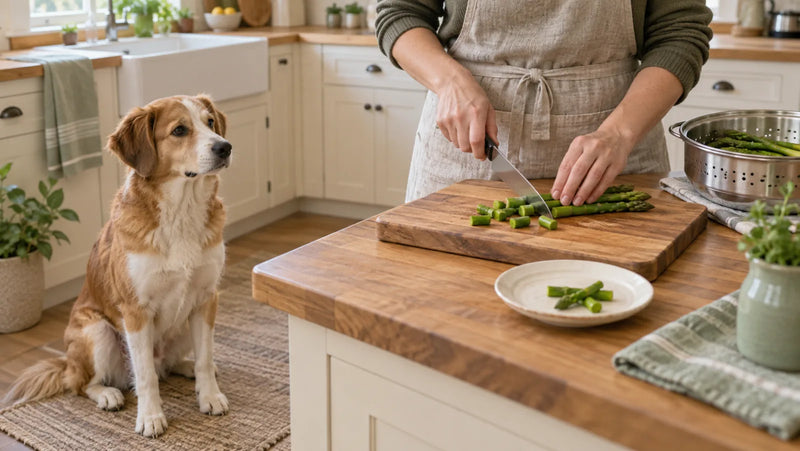
Learn how to identify, cook, cut, and portion edible asparagus for a dog—and why raw spears and ornamental asparagus fern need ...

Christmas
Poinsettia sap usually causes mild irritation in dogs. Learn the likely signs, what to do after exposure, and which holiday pla...
beef liver
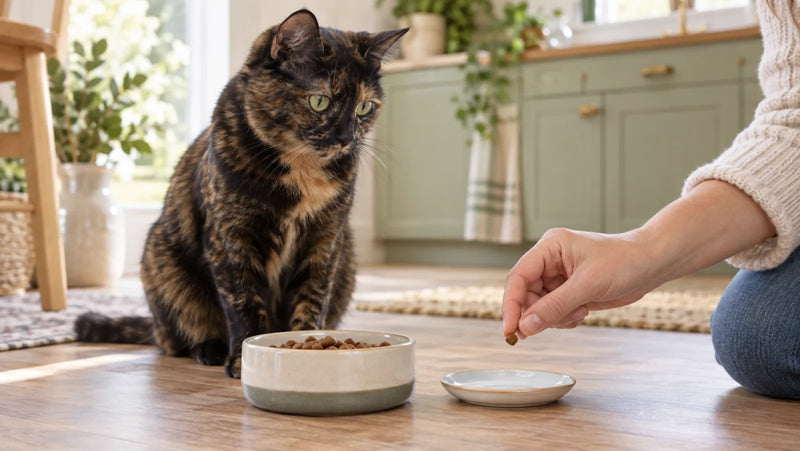
Cats may have a tiny amount of plain beef liver occasionally. Learn the vitamin A limit, compare raw, cooked, and freeze-dried ...
dog treats
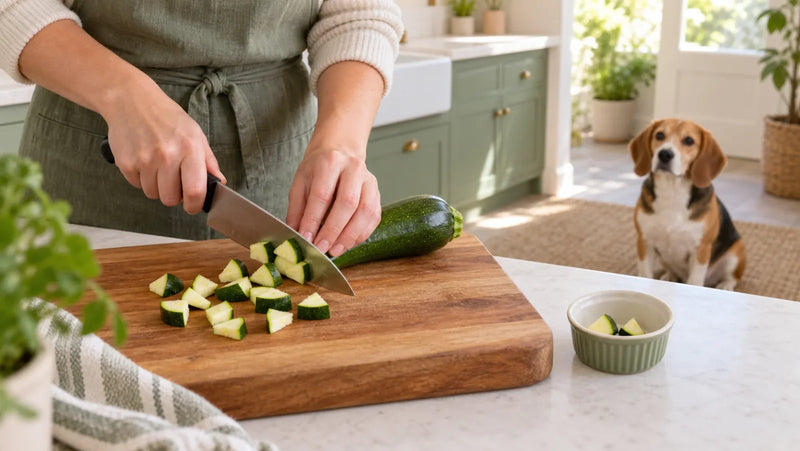
Plain fresh zucchini can be an occasional dog treat when washed, cut small, and served raw or cooked; learn parts, portions, bi...
dog treats
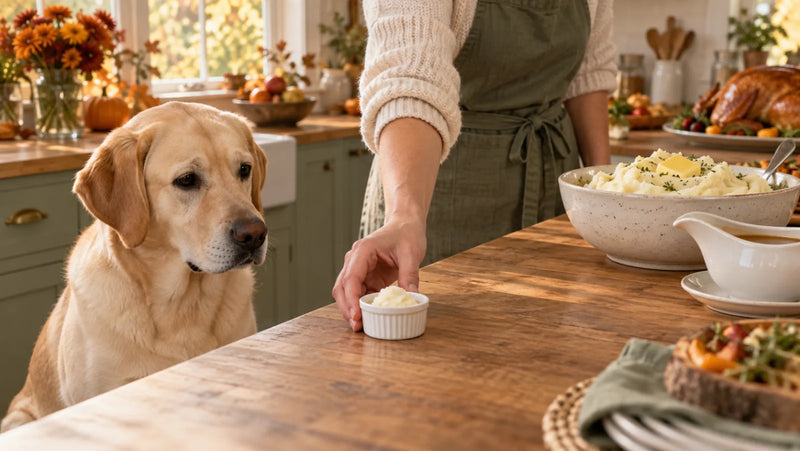
A tiny amount of fully cooked potato mashed only with water may fit some healthy dogs; use this recipe audit for butter, dairy,...
No articles in this topic yet.