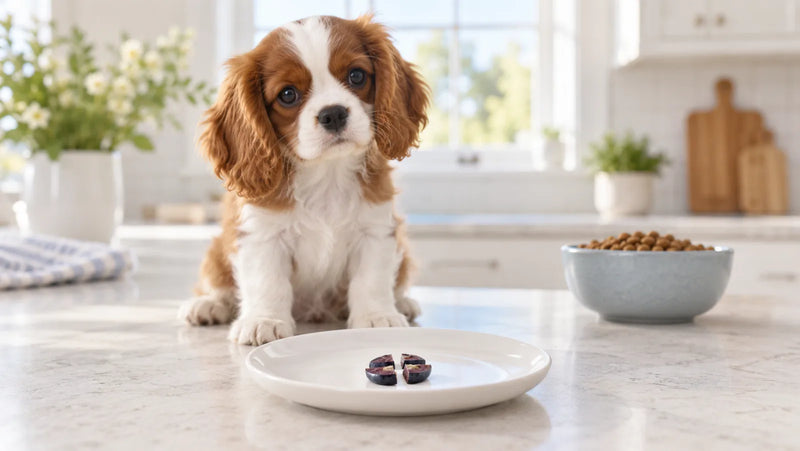

Can dogs eat bell peppers? Yes—dogs can have small pieces of fresh, plain sweet bell pepper. Red bell pepper is generally the most nutrient-rich color, but green, yellow, and orange bell peppers can also be offered when they are identified, fresh, and unseasoned.
Wash the pepper, remove the stem, core, white pith, and seeds, then cut the flesh into small dog-size pieces. A dog who handles crunchy produce may eat it raw; steaming it plain can soften the skin and flesh. Do not substitute jalapeño, cayenne, chili pepper, hot sauce, or a spicy dish.
Can Dogs Eat Bell Peppers? The Short Answer
Sweet bell peppers are non-spicy cultivars of Capsicum annuum. The American Kennel Club's bell-pepper guide says dogs can eat any bell-pepper color and describes red as the most nutritious. It also recommends moderation, removing the seeds and stems, avoiding seasoning and alliums, and never substituting spicy pepper varieties.
The safest practical serving is deliberately boring: one small piece of washed bell-pepper flesh, with no stem, core, pith, seeds, oil, butter, salt, garlic, onion, sauce, or spice. Treat it as an occasional extra rather than a meal ingredient, supplement, or daily requirement.
If the dog ate a pepper from a mixed dish, garden, decorative plant, jar, skewer, or takeout container, identify more than the word “pepper.” The variety, recipe, amount, missing nonfood pieces, dog, timing, and symptoms can change the response.
Red vs Green, Yellow, and Orange Bell Peppers
All four common bell-pepper colors are sweet peppers, not four separate safety categories. Color can reflect cultivar and ripeness. Green peppers are typically harvested earlier, while red peppers have ripened further; yellow and orange cultivars occupy their own color paths. Flavor, texture, and nutrient profile can differ, but plain flesh from any of these colors can fit a dog who tolerates it.
“Red is best” is a nutrition comparison, not a medical claim. AKC describes red bell pepper as containing the highest amounts of vitamins and antioxidants among the colors. That does not prove that a red pepper improves a dog's immune system, eyesight, skin, coat, weight, or disease outcome, and it does not justify a larger portion.
Choose the color based on freshness, plain preparation, and the dog's acceptance. There is no need to rotate colors or add bell pepper when a complete and balanced diet already meets the dog's nutritional needs.
Bell Peppers Are Not Hot Peppers
The distinction is sweetness versus heat, not simply red versus green. A green bell pepper is non-spicy; a green jalapeño is not a bell pepper. Likewise, a red bell pepper and a red cayenne pepper are different foods.
A veterinarian-reviewed PetMD bell-pepper guide explains that sweet bell peppers lack the spicy capsaicin component and warns against hot peppers and capsaicin seasonings. Jalapeño, serrano, cayenne, habanero, chili flakes, chili powder, and hot sauce can cause mouth discomfort and gastrointestinal upset such as vomiting or diarrhea.
Do not run a taste test to decide whether an unknown pepper is hot. Keep its package, plant tag, or recipe. If a dog has marked mouth discomfort, drooling, repeated vomiting or diarrhea, breathing trouble, weakness, or another concerning sign after an unknown or spicy pepper, contact a veterinarian.
Why Remove Seeds, White Pith, Core, and Stem?
Ordinary bell-pepper seeds are not being removed because they contain a known dog poison. AKC advises removing seeds and stems to help prevent indigestion. Separating all internal material also makes the serving easier to inspect, cut, and portion.
- Stem: tough, fibrous, and unnecessary; a swallowed stem can be difficult to chew.
- Core and seed cluster: bulky internal structure that adds no benefit to the dog portion.
- White pith: can be firm or bitter and is simpler to remove with the core.
- Loose seeds: small but numerous; removing them keeps the serving tidy and reduces avoidable digestive material.
A whole pepper, large ring, or broad slippery piece can still be awkward for a dog to chew or swallow even after the seeds are gone. Cut the edible wall into small pieces appropriate to the individual dog's size and chewing style.
How to Prepare Bell Pepper for a Dog
- Choose an identified sweet bell pepper. Skip rotten, moldy, badly damaged, spicy, decorative, or unknown peppers.
- Clean the prep area. Keep the produce and its tools separate from raw meat, poultry, seafood, and surfaces used for them.
- Rinse before cutting. The FDA's produce-safety guidance recommends washing produce under running water and advises against soap, detergent, or commercial produce wash.
- Halve and inspect it. Remove the stem, core, white pith, and every accessible seed. Cut away damaged areas and discard a pepper that looks rotten.
- Cut a small piece. Slice the clean pepper wall into short, dog-size pieces rather than rings or long strips.
- Choose raw or softened texture. Serve raw only when the dog can chew the crisp skin comfortably. Steam plain and cool fully if a softer texture is more appropriate.
- Separate before seasoning. Set aside the dog's piece before adding oil, butter, salt, sauce, cheese, garlic, onion, or a spice blend to the human portion.

How Much Bell Pepper Can a Dog Have?
If bell pepper is appropriate for the dog, begin with one small dog-size piece. This is a conservative first taste, not a universal safe dose or daily serving. A new food should not arrive as a bowlful simply because its plain flesh is non-toxic.
All extras count together. Vegetables, training rewards, chews, table tastes, toppers, and supplements with calories must fit the same nutrition plan. Our daily extras and treat-budget guide explains the commonly used guideline that treats stay within about 10% of daily calories while complete and balanced food supplies the rest. Bell-pepper pieces vary too much in size to turn that guideline into an honest piece count.
Consider chewing style, body size, current food, other extras, gastrointestinal history, health conditions, medication, and any veterinarian-directed or prescription diet. Stop offering bell pepper if vomiting, diarrhea, uncomfortable gas, or another concerning change follows. Choking, repeated signs, severe pain, weakness, blood, or a mixed or spicy exposure needs veterinary advice.
Prepared Pepper Dishes Change the Answer
A bell pepper can be acceptable while the dish around it is not. Check every ingredient and nonfood piece in:
- stuffed peppers with onion, garlic, cheese, fatty meat, or rich sauce;
- fajitas, stir-fries, pizza, pasta, soup, and casseroles;
- salsa, hot sauce, chili, pepper jelly, dips, and spice blends;
- roasted peppers packed in oil or seasoned marinade;
- jarred or pickled peppers with brine, sodium, acids, sweeteners, or spices;
- grilled pepper skewers, toothpicks, foil, plastic wrap, produce bands, and takeout packaging.
Cooking does not erase allium ingredients, capsaicin, salt, fat, alcohol, or an unsafe sweetener. Rinsing a seasoned or pickled piece does not guarantee that the relevant ingredients have been removed. Use a separate fresh plain pepper instead.
Bell Peppers and Tomatoes Share a Family, Not One Rule
Bell peppers and tomatoes both belong to the nightshade family, but “nightshade” is not a complete safety verdict. The exact species, plant part, ripeness, preparation, and amount matter. Plain ripe bell-pepper flesh has one answer; tomato fruit, green tomato, leaves, stems, and vines have their own questions.
Our ripe tomato and tomato-plant safety guide owns those tomato-specific distinctions. This article stays with sweet bell-pepper color, texture, internal parts, spice, recipes, and portions rather than copying rules from a botanical relative.
The broader dog-safe vegetable guide uses the same exact-item approach across produce: identify it, remove hazardous or tough parts, prepare it plainly, cut it for the dog, and keep the amount inside the complete diet.
Are Bell Peppers Good for Dogs?
Bell peppers contain fiber, vitamins, and antioxidant compounds, and red peppers are generally the most nutrient-rich color. Those facts do not turn a small extra into a treatment or a nutritional requirement. A complete and balanced dog food is responsible for supplying the dog's essential nutrition.
Do not use bell pepper as an immune booster, eye or skin treatment, weight-loss program, detox, cancer-prevention food, urinary remedy, or substitute for a veterinarian-directed diet. A dog that dislikes the taste, has trouble with the skin, develops gastrointestinal signs, or must follow a restricted plan can skip it completely.
What to Do if a Dog Ate a Bell Pepper
Identify the full exposure before deciding what matters:
- sweet bell pepper or hot pepper;
- plain flesh or stem, core, pith, seeds, or a whole pepper;
- raw, steamed, roasted, fried, stuffed, pickled, jarred, or spoiled;
- garlic, onion, salt, fat, sauce, spice, alcohol, sweetener, or other recipe ingredients;
- skewer, toothpick, foil, plastic, jar lid, produce band, or packaging;
- ornamental or unknown plant material.
Record the approximate amount, time, dog's size and health, and current signs. A small known piece of plain sweet-pepper flesh in a comfortable dog is different from a missing stem or skewer, a bowl of spicy food, an unknown plant, choking, repeated vomiting or diarrhea, severe pain, marked lethargy, or blood.
Contact a veterinarian or animal poison professional for significant signs, unknown ingredients or plants, spicy exposures, possible foreign objects, or any case that does not fit the simple plain-flesh scenario. Do not induce vomiting or give a home remedy unless the professional managing the case directs it.
Frequently Asked Questions
Can dogs eat red bell peppers?
Yes. Red sweet bell pepper is plain, non-spicy bell-pepper flesh and is generally the most nutrient-rich color. Wash it, remove the stem, core, pith, and seeds, cut it small, and offer only a modest piece.
Can dogs eat green, yellow, or orange bell peppers?
Yes. These sweet bell-pepper colors can also be offered plain in a small amount. Red being comparatively nutrient-rich does not make the other colors unsafe or deficient.
Can dogs eat bell pepper seeds?
Bell-pepper seeds are not treated as a dog toxin, but remove them. AKC advises removing seeds and stems to help prevent indigestion, and a seedless piece is easier to inspect, chew, and portion.
Can dogs eat bell pepper stems?
Do not serve the stem. It is tough, fibrous, unnecessary, and can be difficult to chew or swallow. Remove the stem and attached core before cutting the pepper flesh.
Can dogs eat raw bell peppers?
A dog who chews crunchy produce comfortably may have a small raw piece of washed, seedless, stemless sweet bell pepper. Cut it short and small. Steam it plain if the skin or flesh is too tough.
Can dogs eat cooked bell peppers?
Yes, when sweet bell-pepper flesh is steamed plain, cooled, and cut small. Roasted, fried, stuffed, sauced, or restaurant peppers require a complete ingredient and nonfood-object check.
Can puppies eat bell peppers?
Puppies do not need bell pepper, and extras can displace nutrition during growth. Ask the veterinarian before adding people food; if approved, use only a tiny plain, seedless, stemless piece with a texture the puppy can manage.
Keep Bell Pepper Plain and Optional
Choose a fresh sweet bell pepper, wash it, remove the stem, core, pith, and seeds, and cut one small plain piece. Red is the most nutrient-rich color, not a cure; the other bell-pepper colors can fit too. Keep every hot pepper and seasoned dish out of the dog's serving.
For a more predictable packaged reward, browse American Paws dog treats and use the selected item's own ingredient list and feeding guidance. Neither a vegetable nor a treat replaces complete food, an individualized calorie plan, or veterinary care.