

beef
How to Cook Ground Beef for Dogs: Lean, Drained, Plain — 160°F and Portions
Cook lean ground beef for a dog without seasoning: verify 160°F, drain rendered fat, cool promptly and weigh it within the dog's total extras budget.
Your Cart 0
Item added to your cart

The American Paws Journal
Expert guides, ingredient insights, and care tips from our team — for dogs and the people who love them.
Browse ArticlesBrowse by topic
dog nutrition
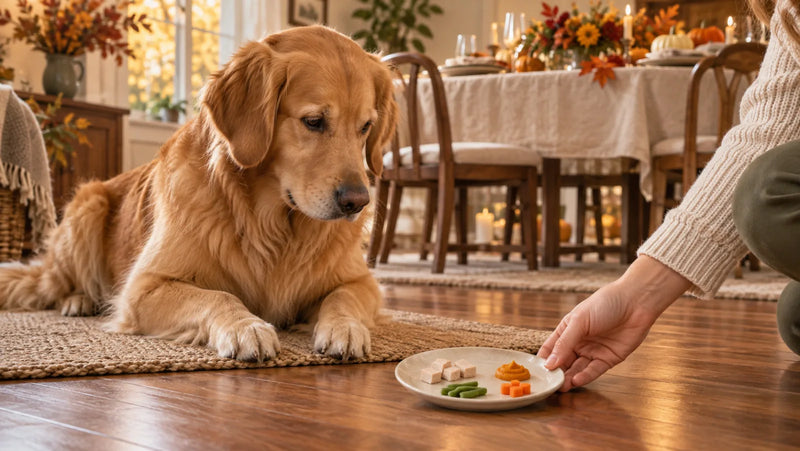
Build a genuinely small Thanksgiving plate from four plain ingredients, fit it inside the daily extras budget, keep the normal ...
Brussels sprouts
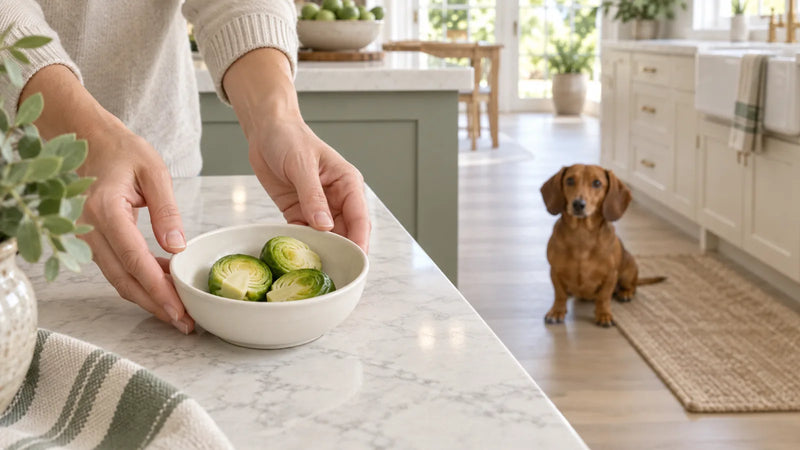
Dogs may have a few plain, tender pieces of Brussels sprout, but even a modest portion can cause gas. Learn safe prep, conserva...
bell peppers
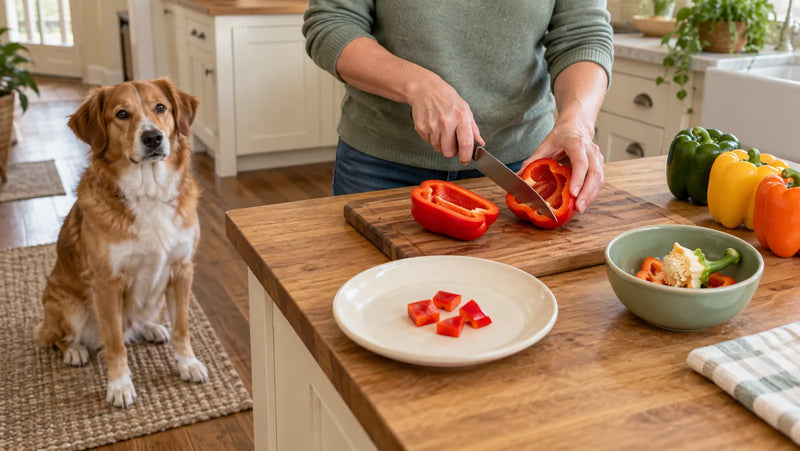
Learn which bell pepper colors dogs can eat, how to remove the stem and seeds, prepare the flesh, avoid spicy peppers, and port...
asparagus
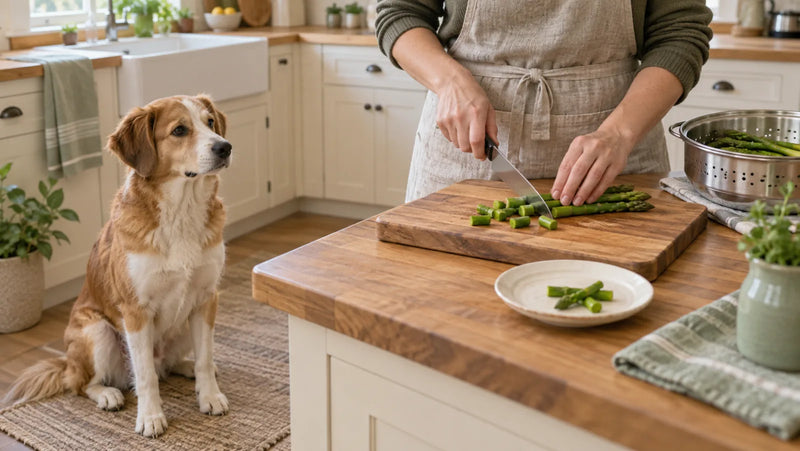
Learn how to identify, cook, cut, and portion edible asparagus for a dog—and why raw spears and ornamental asparagus fern need ...
can dogs eat
Plain green or red cabbage can be an occasional dog treat. Start tiny, prepare it safely, expect possible gas, and keep thyroid...
cheese
Some dogs can use one tiny piece of plain, lower-fat cheese as a high-value reward. Learn how lactose, fat, salt, blue mold, an...
chicken hearts
Raw chicken hearts are not chemically poisonous, but they can bring raw-poultry germs into a dog’s bowl and the household. Lear...
dog nutrition
A Thanksgiving ingredient is shareable only when both the food and its preparation are dog-safe. Reserve a tiny plain portion b...
dog nutrition
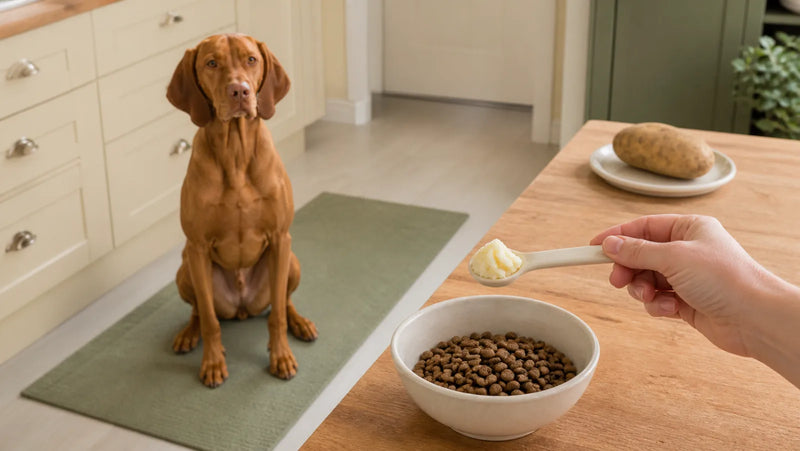
A tiny amount of plain fully cooked potato may fit some dogs. Learn why raw, green, and sprouted potatoes are unsafe, plus prep...
dog nutrition
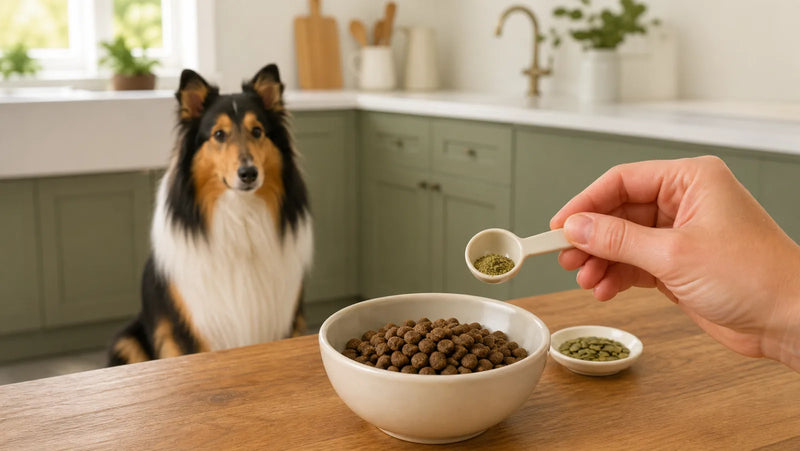
Dogs can try a tiny amount of plain ground pumpkin seed. Learn the safest preparation, hull and portion risks, and why seeds ar...

dog nutrition
Plain cooked sweet potato can add fiber, beta-carotene, and soft texture. See the honest benefits, starch and calorie limits, a...
No articles in this topic yet.