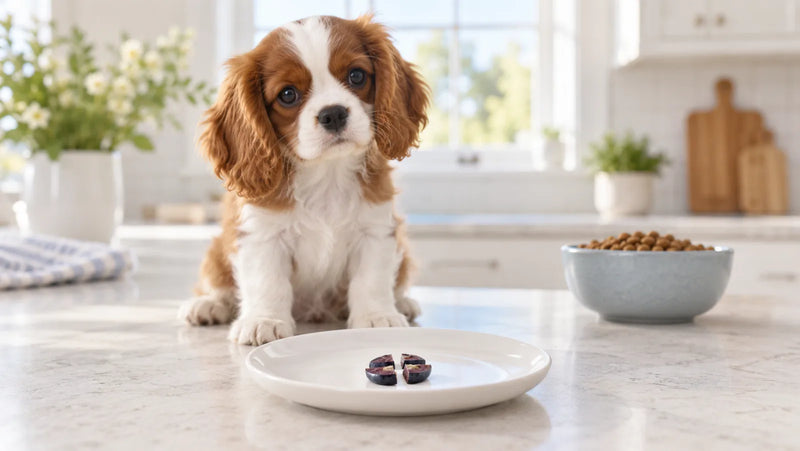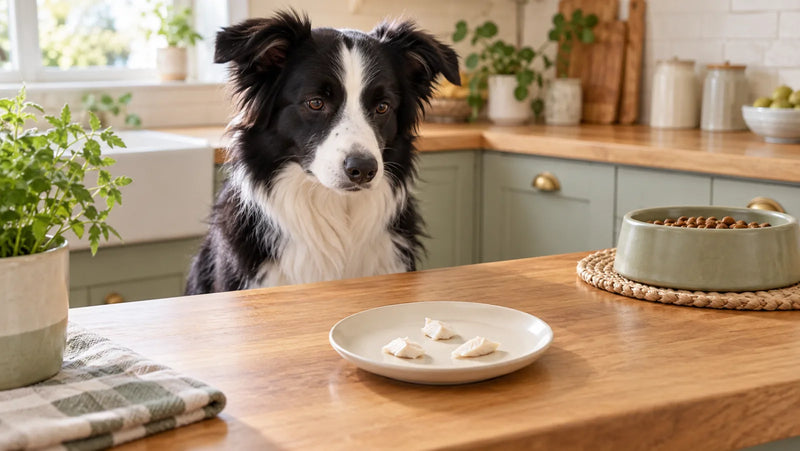

Can cats eat beef liver? Yes—a cat may have a very small amount occasionally, provided beef fits the individual cat's diet and the liver is plain, safely prepared, and counted with every other extra. Liver supplies preformed vitamin A, which cats need, but repeated large servings or a liver-heavy diet can create harmful excess. Treat it as a tiny supplemental reward—not a meal, daily vitamin, or cure.
One crumb is not the same exposure as a diet built around liver. The practical safeguards are to choose the exact format carefully, avoid raw or seasoned preparations, keep complete and balanced cat food in charge of the diet, and ask the veterinary team before using liver for a kitten, a cat with kidney disease, or any cat on a prescribed feeding plan.
Can Cats Eat Beef Liver? The Short Answer
A healthy adult cat may be able to have one tiny piece of plain beef liver as an occasional treat. Pause before offering it when any of these apply:
- The liver is raw, spoiled, heavily handled, or of uncertain origin.
- It was cooked with onion, garlic, chives, shallot, salt, butter, oil, gravy, alcohol, or another seasoning.
- The cat is a kitten, pregnant or nursing, takes a vitamin supplement, eats an organ-rich diet, or has a health condition.
- The cat is on a kidney, urinary, allergy, diabetes, gastrointestinal, weight-loss, or other veterinary diet.
- The amount, ingredient list, calories, storage, or intended species cannot be confirmed.
Liver is nutrient-dense, but “nutrient-dense” does not mean unlimited. It is also not complete and balanced by itself. A cat's regular complete food should remain the nutritional foundation, and liver should never displace a meaningful portion of it.
Why Vitamin A Is the Limit for Cats
Cats cannot rely on plant carotenoids in the same way some species do; they need preformed vitamin A from animal-derived ingredients or a properly formulated food. The Merck Veterinary Manual's small-animal nutrition reference identifies liver as one source and explains that cats are more sensitive than dogs to excess dietary vitamin A.
The same reference describes vitamin A toxicity in growing kittens fed diets high in liver. Excess over time can cause abnormal bone and cartilage growth, especially around the cervical vertebrae, restricting neck movement and interfering with grooming. Merck's spinal nutrition disorder review likewise connects chronic excess—usually diets consisting largely of liver—with bony growths along the neck and chest portion of the spine.
That is a chronic feeding warning, not a claim that one tiny taste causes skeletal disease. Watch the pattern. Repeated generous liver servings, several people feeding without a shared record, vitamin supplements, and liver already present in the main diet can quietly add up.
Possible signs that deserve veterinary evaluation include stiffness, pain, reduced neck movement, reluctance to jump or move, difficulty grooming, and an increasingly unkempt coat. Those signs have many possible causes. Do not diagnose vitamin A toxicity at home or try to correct a suspected imbalance with another supplement.

Raw vs Cooked vs Freeze-Dried Beef Liver for Cats
Raw Beef Liver Adds a Pathogen and Household-Handling Risk
Raw liver is not necessary for a cat to receive a small liver treat. The FDA's raw pet food safety review reports that raw pet-food samples were more likely than the other tested categories to contain disease-causing bacteria. It also warns that contaminated food can affect the animal, the person handling it, and household surfaces.
Freezing does not make raw tissue sterile. If raw liver has already been eaten, save the source and packaging, prevent further access, clean contacted surfaces and utensils, wash hands, and call the veterinary team when the amount is large or unknown, the food was spoiled or recalled, the cat is young or medically vulnerable, or symptoms appear.
Plain Cooked Beef Liver Avoids the Raw-Food Question
If a veterinarian says liver fits the cat, use a tiny piece that has been thoroughly cooked plain and cooled. Do not use sautéed restaurant liver, liver and onions, pâté, gravy, stuffing, seasoned organ mixtures, or scraps from a pan. Added fat and salt are unnecessary, and onion, garlic, chives, and related alliums are unsafe for cats.
Cooking reduces foodborne-pathogen risk when done properly, but it does not erase liver's vitamin A concentration. Plain cooked liver still belongs in a small, occasional, measured role.
Freeze-Dried Beef Liver Is Convenient, Not Automatically Sterile
Freeze-dried liver can be dry, aromatic, crunchy, and easy to break into a crumb. Those are useful handling traits, not proof that every product had a validated pathogen-control step, is sterile, is labeled for cats, or fits a veterinary diet. Read the exact ingredient statement, species and life-stage information, calorie declaration, processing statement, storage directions, lot code, and date.
Keep the package sealed and dry, wash hands after handling animal-based treats, and discard a product that is damp, spoiled, damaged, recalled, or outside its instructions. “Freeze-dried” describes a process family; it does not replace product-specific evidence.
How Much Beef Liver Can a Cat Eat?
There is no responsible universal daily liver count. Cats differ in body weight, body condition, health, regular diet, and calorie needs. Liver pieces differ in weight, energy, and vitamin A. A calorie budget can limit extras, but it cannot prove that filling the budget with liver is nutritionally appropriate.
The World Small Animal Veterinary Association's cat treat feeding guide says treats should provide no more than 10% of a cat's daily calories. Its body-weight table gives these maximum calories for all treats combined for an average healthy adult at ideal body condition:
| Cat body weight | Maximum daily calories from all treats | What this means for liver |
|---|---|---|
| 2.5 kg / 5.5 lb | 18 kcal | Not an 18-kcal liver allowance; begin with one tiny crumb only if approved |
| 3 kg / 6.6 lb | 20 kcal | Count liver with every topper, pill food, and reward |
| 3.5 kg / 7.7 lb | 21 kcal | Do not turn calorie headroom into a daily liver dose |
| 4 kg / 8.8 lb | 22 kcal | Use current label calories or measured grams, then round down |
| 4.5 kg / 9.9 lb | 24 kcal | The veterinary team may set a lower or zero extras limit |
| 5 kg / 11 lb | 25 kcal | Main complete food still supplies at least 90% of calories |
| 5.5-6 kg / 12.1-13.2 lb | 26 kcal | Body weight does not cancel vitamin A moderation |
| 7 kg / 15.4 lb | 28 kcal | A larger cat still should not receive a liver-heavy diet |
These are population-level planning figures, not prescriptions for an individual cat. If the veterinary team has supplied a different daily calorie target, use that. Count every treat, topper, table bite, pill food, and reward from every person. Our guide to building a daily cat-treat calorie budget owns the full calculation and shared-household tracking method.
A Practical First-Taste Method
- Confirm the exact food. Use only plain beef liver with a known ingredient list, preparation method, storage history, and intended use.
- Check the cat. Pause for veterinary guidance if the cat is growing, pregnant, nursing, medically managed, supplement-fed, or already eating liver or organ-rich foods.
- Avoid raw. Choose a thoroughly cooked plain crumb or a clearly labeled commercial product whose handling and process information you understand.
- Make it tiny. Break off one crumb, reserve it before the session, and put the package away. Do not use visual enthusiasm as a portion guide.
- Supervise and record. Offer the crumb where the cat can chew and swallow comfortably, then count it with all extras.
- Observe before repeating. Watch for vomiting, diarrhea, facial swelling, itching, breathing difficulty, unusual lethargy, or another change. Do not establish a daily routine without veterinary advice.
Cats Who Need a Veterinarian's Answer First
A cat with chronic kidney disease should not receive an unplanned organ treat simply because the ingredient list is short. The International Renal Interest Society's feline kidney-diet guidance treats nutrition as a central part of CKD management and emphasizes phosphorus, electrolyte, acid-base, and adequate-nutrition goals. Ask whether the exact liver product fits the cat's stage, laboratory results, appetite, prescribed diet, and total plan.
The same stop-and-ask rule applies to cats with urinary disease, diabetes, obesity, gastrointestinal disease, pancreatitis history, a suspected food reaction, or an elimination trial. A tiny unapproved extra can interfere with a carefully controlled diet even when it would be ordinary for another cat.
Kittens also need extra care because growth depends on complete and balanced nutrition, and Merck specifically describes liver-heavy feeding in growing kittens in the vitamin A toxicity context. Pregnant or nursing cats, cats taking vitamin supplements, and cats whose main food already contains substantial organ ingredients need an individual review rather than additive guesswork.
Finally, do not use liver to cover a persistent appetite problem. A cat that stops eating, loses weight, drops food, seems painful, or abruptly changes preferences needs veterinary attention. A highly aromatic treat may briefly tempt a cat without addressing the reason the regular diet is being refused.
What If a Cat Eats Too Much Liver?
First identify what happened. Preserve the package or recipe, ingredient list, raw/cooked/freeze-dried form, approximate amount, time, cat's weight and age, medical conditions, supplements, usual diet, and symptoms. Prevent access to the remainder.
Call the veterinarian or an emergency clinic promptly when the amount is large or unknown, the food was raw, spoiled, recalled, or seasoned, the cat is a kitten or medically vulnerable, a foreign object or package is missing, or any concerning sign develops. Repeated heavy liver feeding also deserves a veterinary nutrition review even if the cat seems normal today.
Vomiting or diarrhea after a rich food is different from the chronic stiffness, painful movement, limited neck motion, and grooming difficulty described with long-term vitamin A excess. Both require context. Severe weakness, collapse, breathing trouble, repeated vomiting, marked pain, or rapidly worsening signs are urgent. Do not induce vomiting or give oil, milk, charcoal, supplements, or another home remedy unless a veterinarian gives case-specific instructions.
A Product Example: Read the Species and Portion Information
The current American Paws single-ingredient freeze-dried beef liver training treats list 100% USA beef liver, approximately 5 kcal per piece, and intermittent or supplemental use. The product page is written as a dog-treat page and its feeding table is for dogs. Do not borrow those dog piece counts for a cat.
For perspective, one whole approximately 5-kcal piece would use about 18% to 28% of the WSAVA total treat-calorie ceiling shown for 2.5- to 7-kg cats—and calories still do not resolve the vitamin A question. If the veterinary team approves this exact item for an individual cat, break and measure a tiny amount rather than defaulting to a whole piece.
American Paws offers different dog treats and supplemental products with different ingredients, labels, textures, and intended users. One beef-liver product's ingredient statement does not make the whole catalog single-ingredient or appropriate for cats.
Keep the Cat Answer Separate From the Dog Answer
This page owns the feline question: cats' sensitivity to dietary vitamin A excess, the cat-specific total treat budget, and compatibility with feline medical diets. Dog caregivers should use the separate guide to beef liver safety and portions for dogs. Do not transfer dog-size portions, dog product directions, or canine health assumptions to a cat.
For broader comparisons among ingredients, calories, texture, life stage, and health-plan fit, start with the cat treat selection framework. It can help decide whether liver belongs on the candidate list at all.
Frequently Asked Questions
Can cats eat beef liver every day?
Do not make beef liver a daily treat without a veterinary nutrition plan. Repeated large servings or a liver-heavy diet can provide excess vitamin A, and liver is not a complete and balanced meal. Use a tiny occasional amount only when it fits the individual cat.
Can kittens eat beef liver?
Ask the veterinarian before giving liver to a kitten. Growing cats have little room for extras, need complete growth nutrition, and liver-heavy diets in growing kittens are specifically associated with vitamin A-related skeletal changes.
Is raw beef liver safe for cats?
Raw animal tissue can carry pathogens that affect cats, people, and household surfaces. Raw liver is not necessary for an occasional liver treat. Choose a safely prepared alternative and contact the veterinary team after a concerning raw exposure.
Is cooked beef liver better for cats?
Thoroughly cooked plain liver avoids the raw-food question, but it still needs strict moderation. Serve no butter, oil, salt, onion, garlic, gravy, alcohol, or seasoning, and do not treat cooking as removal of the vitamin A limit.
Can cats eat freeze-dried beef liver?
A tiny amount may fit some cats if the exact product, process, calories, texture, handling directions, and medical-diet compatibility are confirmed. Freeze-dried does not automatically mean sterile, cooked, cat-labeled, or suitable for every cat.
Can cats with kidney disease eat beef liver?
Only with approval from the veterinary team managing the kidney disease. Renal diets are designed around individualized nutrition goals, including phosphorus and electrolyte management. An unplanned organ treat may work against that plan even when another healthy cat could have a crumb.
What are signs of too much vitamin A in a cat?
Chronic excess has been associated with stiffness, painful or restricted movement, reduced neck motion, reluctance to jump, grooming difficulty, and an unkempt coat. These signs are not specific to vitamin A. Arrange veterinary evaluation rather than diagnosing or supplementing at home.
Keep Liver Tiny, Occasional, and Accounted For
For a healthy adult cat, the safest useful answer is narrow: one tiny, plain, safely prepared crumb may fit occasionally, but liver should not become a meal, daily supplement, or way to fill the treat budget. Body weight helps estimate the total calorie room for every extra; it does not create a vitamin A dose.
Before buying or serving liver, use the cat-treat selection framework and daily calorie-budget guide, then check the exact product with the veterinary team when health, life stage, supplements, or a prescribed diet changes the answer. If the individual cat is approved for the product linked above, break off a tiny measured amount and ignore the dog feeding table.