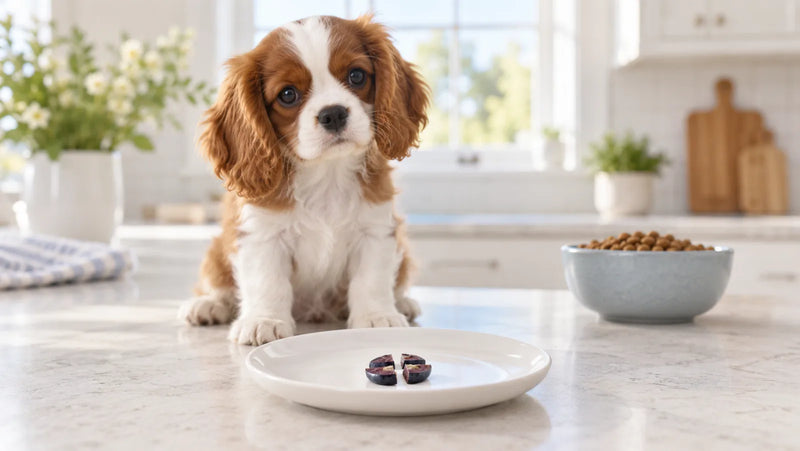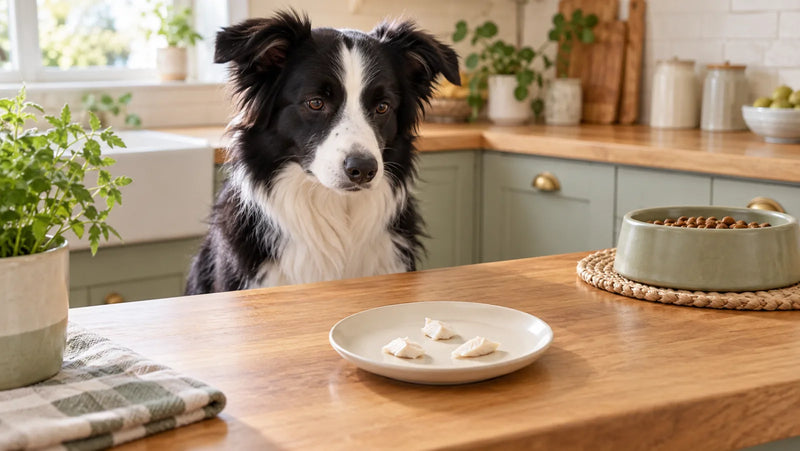

Can dogs eat candy corn? Do not offer it. A small amount of typical regular candy corn is usually not a classic toxin if the exact ingredient list contains no xylitol or other hazardous add-ins, but concentrated sugar and quantity can still cause stomach upset. Sugar-free candy corn—or any product listing xylitol, birch sugar, wood sugar, or birch bark extract—is an emergency.
For known or possible xylitol exposure, call a veterinarian, emergency clinic, or ASPCA Animal Poison Control at (888) 426-4435 immediately. A consultation fee may apply. Do not wait for symptoms, and do not induce vomiting or give food, medicine, or a home remedy unless the professional handling the case directs you.
Can Dogs Eat Candy Corn? The Short Answer
No candy corn belongs in a planned dog-treat rotation. A typical regular version is commonly made from forms of sugar, corn syrup, glaze or wax, flavor, and color. Those ingredients do not make it useful for a dog, and a larger amount can lead to vomiting, diarrhea, abdominal discomfort, or other trouble.
The exact package controls the risk. A sugar-free version can contain xylitol. A specialty flavor or candy mix can add chocolate, raisins, macadamia nuts, coffee ingredients, or another hazard. A torn bag can mean missing wrappers or flexible packaging as well as missing candy. “Candy corn” is therefore the first clue, not the final diagnosis.
The broad decision tree for chocolate, gummies, hard candy, candy bars, and mixed products belongs to our complete candy-risk guide. For securing bowls, trick-or-treat bags, doors, costumes, and party spaces together, use the Halloween safety plan for dogs.
First, Read the Exact Ingredient List
Find the original package before deciding whether this is an ordinary sugar exposure or a poison concern. If several products were mixed in one bowl, collect every package that may be involved. Photograph the front, ingredient list, nutrition panel, product size, lot information, and remaining contents.
Sort the exposure into one of these groups:
- Typical regular candy corn: mostly sugars, syrup, glaze or wax, flavors, and colors; still inappropriate, but not automatically a classic toxin.
- Sugar-free or reduced-sugar candy: check immediately for xylitol and its alternate names.
- Specialty or mixed candy: inspect for chocolate or cocoa, raisins, macadamia nuts, coffee or caffeine, alcohol, xylitol, and every other listed ingredient.
- Unknown product: treat the uncertainty as meaningful and call with the package, amount, timing, and dog details rather than guessing.
Do not rely only on the front label. “Natural,” “keto,” “low sugar,” “no added sugar,” or “diabetic-friendly” does not tell you which sweetener was used. Ingredient lists can change, so an online recipe or last year's package is not a substitute for the package involved today.
Regular Candy Corn Is Mostly Sugar, Not a Dog Treat
Regular candy corn provides no practical advantage over a purpose-made reward. It is concentrated human candy, easy to swallow quickly, and disconnected from the dog's normal feeding plan. The concern grows with amount, dog size, individual medical history, co-ingredients, and whether wrappers disappeared too.
One small dog and one large dog do not have the same exposure after eating the same handful. A dog with a medically managed diet also needs case-specific advice. That is why this page does not publish a universal “safe number” of pieces.
A tiny accidental taste of a confirmed regular recipe in a dog acting normally is different from a whole missing bowl. Preserve the package and contact the dog's veterinary team if you are unsure, if the amount is meaningful or unknown, if the dog is very small or medically vulnerable, or if any signs appear. Repeated vomiting, marked lethargy, abdominal pain or swelling, trouble breathing, collapse, tremors, seizures, or another sudden change needs prompt professional assessment.
Sugar-Free Candy Corn Can Be an Emergency
FDA warns that xylitol is toxic to dogs and may appear in sugar-free candy and mints. The same ingredient can be listed as birch sugar, wood sugar, or birch bark extract. A product does not need “xylitol” on the front to create an emergency.
In dogs, xylitol can trigger a dangerous drop in blood sugar and may cause liver failure and bleeding problems. FDA lists possible signs including vomiting, decreased activity, weakness, difficulty walking or standing, shaking, seizures, collapse, and coma. The agency notes that poisoning can begin quickly—sometimes within about 20 minutes—so waiting for a symptom-free period is unsafe.
If the package lists xylitol or an alternate name, if sugar-free candy is missing and the sweetener is unknown, or if the product cannot be identified, call immediately. Bring the package or clear photographs. The professional will need the product, ingredient list, estimated amount, time, dog's weight, health history, and current signs.
Do not use an internet xylitol dose to clear the dog at home. Concentration varies by product, the amount eaten may be uncertain, and the dog may have consumed wrappers or other candy as well. Our xylitol emergency guide owns the deeper sweetener-specific response, while the toxic-food emergency overview helps organize other possible ingredients.
A Whole Bag Adds Quantity and Packaging Risks
A whole-bag exposure is not merely one piece multiplied. The amount may be unknown, several formulations may be mixed, and the dog may have swallowed individual wrappers, a twist tie, a zipper strip, or part of the outer bag. Those physical hazards require separate questions from ingredient toxicity.
Wrappers can create choking or gastrointestinal obstruction concerns. A flexible food bag can also seal around a pet's nose and mouth. FDA's snack-bag safety guidance warns that food-scented plastic bags can suffocate pets and recommends storing them securely and cutting them open before disposal so they cannot form a seal.
Call promptly after a whole or largely missing bag, an unknown amount, missing wrappers, chewed flexible packaging, or suspected choking or obstruction. Tell the veterinarian or poison-control professional whether the bag itself is intact, how many wrappers can be accounted for, and whether the dog has gagging, repeated retching, trouble breathing, drooling, repeated vomiting, abdominal pain, a swollen abdomen, weakness, or collapse.
What to Do If a Dog Eats Candy Corn
- Secure the dog and remaining products. Move every candy bowl, bag, wrapper, and trash container out of reach. If a bag is around the dog's head and you can remove it safely, free the airway immediately and seek emergency help for any breathing problem or collapse.
- Preserve the evidence. Save packages, ingredient lists, lot information, remaining candy, and intact wrappers. Photograph the scene before cleaning if it helps show quantity or missing packaging.
- Identify the exact product. Determine regular versus sugar-free, every sweetener, specialty flavors, mixed candies, and possible hazardous add-ins. Do not assume candy from an unlabeled bowl is ordinary.
- Write down exposure facts. Record the earliest and latest possible time, best estimate of pieces or bag fraction, dog weight, age, medical conditions, medications, current behavior, symptoms, and any missing wrappers or bag material.
- Call according to the highest-risk fact. Call immediately for known or possible xylitol, hazardous add-ins, trouble breathing, neurologic signs, collapse, a large or unknown amount, or missing packaging. When uncertain, call rather than waiting for the article to fit perfectly.

ASPCA's Halloween guidance specifically warns pet owners to secure candy, with chocolate and sugar-free products containing xylitol among the important seasonal hazards. Prevention is simpler than trying to reconstruct a mixed bowl after the dog finds it.
Symptoms to Watch For
Symptoms do not identify the ingredient reliably, and waiting for them can lose time. Use the label and exposure history first.
- Possible gastrointestinal upset: vomiting, diarrhea, drooling, reduced appetite, restlessness, or abdominal discomfort after a sugar-heavy exposure.
- Possible xylitol emergency: vomiting, unusual sleepiness, weakness, wobbling, difficulty standing, shaking, seizures, collapse, coma, or later signs consistent with liver or bleeding problems.
- Possible choking or bag emergency: frantic pawing at the face, gagging, noisy or difficult breathing, blue or pale gums, collapse, or a bag over the muzzle.
- Possible foreign-body problem: repeated vomiting or retching, painful or swollen abdomen, marked lethargy, refusal of food, or persistent change after wrappers or bag material are missing.
Do not use the absence of signs to clear a known xylitol exposure. Do not give hydrogen peroxide, salt, oil, milk, bread, charcoal, syrup, a forced meal, or medication unless the veterinarian or poison-control professional handling this dog and product tells you to do so.
Better Halloween Rewards
A dog does not need a candy look-alike to take part in Halloween. Set aside a measured portion of the dog's normal diet, or use one familiar dog treat that already fits the ingredient and calorie plan. Prepare a suitable piece before guests arrive so no one improvises from the candy bowl.
Keep the plan physically separate: human candy behind a closed door or inside a latched cabinet; dog rewards in their own container; wrappers straight into a secured trash can; and a calm station away from the front door. Children and guests should know which bowl belongs to the dog.
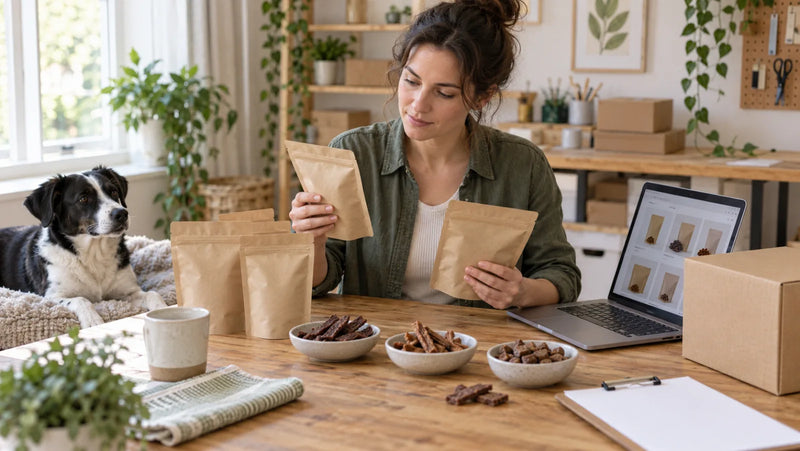
If small, fast rewards fit the dog's needs, compare the current American Paws training treat collection. Read each ingredient list and feeding information rather than assuming every product suits every dog. The broader dog treat assortment offers other formats when a training-size reward is not the right match.
Frequently Asked Questions
Will one piece of candy corn hurt a dog?
One piece of a confirmed regular recipe without xylitol or another hazardous ingredient is not the same as a poison dose, but it is still unnecessary and may upset an individual dog. Check the exact label, dog, amount, and packaging. Call if the formula is unknown, the dog is medically vulnerable, or signs appear.
What if my dog ate a whole bag of candy corn?
Call a veterinarian or poison-control service with the package in hand. A whole bag raises questions about total sugar, xylitol or specialty ingredients, dog size, wrappers, and the outer bag. Do not wait for vomiting or other signs before asking for case-specific guidance.
Does candy corn contain xylitol?
Many regular products do not, but recipes vary and sugar-free or specialty versions can use different sweeteners. Read the current ingredient list for xylitol, birch sugar, wood sugar, or birch bark extract. Treat an unknown sugar-free product as urgent until a professional clears it.
How quickly can xylitol affect a dog?
FDA says signs can begin rapidly, sometimes within about 20 minutes. Do not use that as a waiting period: call immediately after known or possible exposure even if the dog looks normal.
Can puppies eat candy corn?
No. Candy corn is not an appropriate puppy reward, and a small body can make a given quantity more significant. Use a puppy-appropriate food or treat selected with the veterinary team and introduced in a measured amount.
Are candy wrappers dangerous to dogs?
Yes. Wrappers and bag pieces can create choking or obstruction concerns, while a flexible snack bag can create suffocation risk. Report any missing packaging along with the candy ingredients, amount, and timing.
What can I give my dog instead on Halloween?
Use part of the dog's normal food or one familiar dog treat that fits the dog's ingredient, chewing, and calorie needs. Keep the portion measured and human candy physically inaccessible.
Make Halloween Boring for the Dog
The safest candy-corn plan is simple: do not feed it, secure it before guests arrive, preserve the label after an accidental exposure, and escalate based on ingredients, amount, dog, symptoms, and missing packaging. Ordinary sugar, xylitol, chocolate, and a swallowed wrapper are different problems and should not be managed as one.
Prepare the dog's reward in advance. Choose a familiar item from the training treat collection when it fits, size it appropriately, count it within the dog's full feeding plan, and keep the candy bowl, wrappers, and bags behind a closed barrier.