
Halloween safety for dogs starts before the first doorbell: put candy behind a closed barrier, secure your dog away from the opening door, move cords and flames out of reach, and skip any costume that changes breathing, vision, movement, or comfort. A calm room, current identification, and one adult assigned to the dog prevent more problems than trying to manage every hazard after guests arrive.
Even a social dog can react differently to masks, unfamiliar silhouettes, excited children, and a doorbell that rings every few minutes. Build the evening around the dog you actually have—not the photo or party plan you hoped to stage. If your dog would rather sleep through the event, that is a successful Halloween.
Halloween safety for dogs: the five-minute setup
If visitors are almost at the door, do these jobs in order:
- Close the candy away. Put bowls, bags, wrappers, and children's haul containers inside a cabinet, pantry, or closed room—not merely at the back of a low table.
- Create two barriers at the entrance. Use a closed interior door plus a gate, leash, or another physical layer between the dog and the exterior door.
- Prepare a quiet station. Add water, a familiar bed, and a familiar toy in a room away from foot traffic. Use a crate only if the dog already relaxes there.
- Move electrical and flame hazards. Cover or route cords, secure props, and replace accessible candles with pet-inaccessible LED lights.
- Check identification. Make sure the collar tag is readable, the microchip registration has current contact information, and you have a recent photo.
The ASPCA's Halloween safety guidance likewise emphasizes closed-off treat storage, a comfortable room away from front-door traffic, costume function, secure identification, and keeping wires and candle flames away from pets.

Put the candy bowl behind a real barrier
A high surface helps only if every bag stays there. Halloween candy often migrates to a child's bedroom, a tote on the floor, an open backpack, a guest's coat pocket, or a sorting pile on the couch. Choose one closed candy zone, give wrappers their own lidded bin, and ask guests not to leave food within reach.
Keep the food warning brief and specific. Chocolate needs its own response plan; read what to do if a dog eats chocolate. Sugar-free products, raisins, macadamia nuts, wrappers, and lollipop sticks create different problems; our guide to Halloween candy hazards for dogs explains how to check the package and prepare for a professional call.
If you think your dog ate candy, preserve the package and call your veterinarian, the nearest emergency animal hospital, or ASPCA Animal Poison Control at 888-426-4435. Do not induce vomiting or give a home remedy unless a veterinarian or animal-poison specialist directs you. The correct action depends on the ingredient, amount, timing, dog, symptoms, and whether packaging was swallowed. Our toxic foods for dogs guide lists the symptom timelines for chocolate, xylitol, grapes, and macadamia nuts so you can describe the exposure clearly.
Turn the front door into a two-barrier zone
The open front door is a predictable escape point. A dog who normally waits politely may bolt after being startled by a mask, a crowd, or another dog on the walkway. A baby gate by itself may be jumped; a verbal stay may be broken; a person carrying a bowl may not notice a dog slipping behind them. Layer the controls.
Choose the dog's station before dusk
Set up a bedroom, office, or other interior area away from the entry. Close the door, then use a second barrier or supervised leash when the dog comes out for a break. Provide water, a familiar resting spot, and something already known to be safe for that dog. Do not introduce a new chew on a busy evening and assume it can replace supervision.
If the dog is comfortable in a crate, the crate may sit inside the quiet room. Halloween is not the night to lock a crate-naive dog into an unfamiliar space. The objective is a predictable retreat, not forced confinement that adds another source of stress.
Assign one adult to arrivals
Decide who watches the dog and who answers the door. One person should not try to hold a leash, distribute candy, greet children, and monitor a costume at the same time. If the dog greets anyone, keep the interaction structured and short: leash on, distance available, and no reaching or feeding without the handler's permission.
Make escape recovery easier
A collar with a readable phone number and a registered microchip give a finder ways to identify the dog. Confirm the chip company's record before the holiday; implantation alone is not enough if the phone number is stale. A microchip is identification, not a GPS tracker, so it does not replace barriers, a leash, or active supervision.
Save a clear, current photo that shows the dog's face and markings. If the dog gets out, contact local animal control and shelters, the microchip company, and nearby veterinary clinics promptly. Share the photo and the exact last-seen location rather than waiting to see whether the dog returns alone.
Reduce doorbell and costume-crowd stress
Give your dog a walk and toilet break before peak trick-or-treating traffic, preferably while it is still light. Practice a familiar “go to place” cue on ordinary days, lower or silence a configurable doorbell, and use steady background sound in the retreat if that is already comfortable for the dog.
The American Kennel Club's Halloween guidance notes that repeated door traffic and human costumes can be frightening and lists signs such as a tucked tail, ears held back, pacing, shaking, cowering, refusing treats, and persistent panting. Those signs are information, not disobedience.
Increase distance or end the exposure when the dog shows distress. Do not punish fear, drag a hiding dog toward visitors, or let guests corner the dog for a greeting. A dog who stops taking a normally valued reward may already be too worried to learn from the interaction.
If your dog has a history of panic, escape attempts, or aggression around visitors or loud events, ask your veterinarian or a qualified behavior professional for a plan well before Halloween. Do not try a borrowed sedative, calming supplement, or medication without veterinary direction.
Check decorations from a dog's-eye level
Crouch to the dog's height and walk through each accessible room. A cord that looks tucked away from standing height may cross the dog's path; a lightweight prop may topple when brushed; fake cobwebs or dangling pieces may invite chewing. Route cables behind furniture or inside cord covers, unplug damaged items, and unplug unattended displays.
Keep glow sticks, loose batteries, small plastic eyes, costume jewelry, rubber decorations, and adhesive pieces out of reach. A battery-operated light avoids an open flame, but the battery and housing can still be chewed or swallowed. Use a closed compartment and place the light where a nose or paw cannot reach it.
Do not put a real candle where a dog, leash, curtain, or wagging tail can contact it. An accessible jack-o'-lantern can cause a burn or be knocked over. A stable LED display placed outside the dog's space gives the visual effect without asking the dog to navigate an open flame.
Treat carved pumpkins as decorations, not a snack bowl
Plain pumpkin flesh and properly prepared plain seeds may fit some dogs in small amounts, but a carved display can collect wax, dirt, mold, seasoning, and stringy pieces. Do not let a dog self-serve from the jack-o'-lantern; use the separate guide on whether dogs can eat pumpkin seeds for seed preparation and portion context.
Use a costume only if the dog is comfortable
A costume is optional. The test is not whether a dog tolerates ten seconds for a picture; it is whether the outfit preserves normal function and the dog remains relaxed while wearing it. A simple bandana—or no costume at all—is a complete Halloween look.
Run a fit and function test
Try the outfit indoors before the event. Confirm that it does not press on the neck or chest; cover the eyes, ears, nostrils, or mouth; alter the gait; restrict sitting or lying down; block elimination; or trap the tail. Remove masks, tight hoods, elastic loops, drawstrings, bells, buttons, and dangling parts that can snag or be chewed off.
Watch the dog walk, turn, sit, drink, and settle. Check under straps for rubbing and allow normal jaw movement. Dogs with breathing, mobility, skin, or temperature-regulation concerns need an especially conservative decision; ask the veterinarian rather than relying on a generic size label.
Run a short comfort and temperature test
Start with a few supervised minutes in a cool indoor space. Remove the costume if the dog freezes, scratches at it, chews it, tries to escape, moves abnormally, becomes unusually quiet, pants beyond the situation, or feels hot. Do not leave any costumed dog unattended, even if the first fitting went well.
Decide whether the dog should go trick-or-treating
Many dogs are safer and happier at home in the prepared retreat. A dog who fears strangers, children, masks, darkness, sudden motion, or other dogs does not benefit from being taken into the busiest version of those triggers.
If your dog genuinely enjoys outings, use a secure leash and properly fitted harness or collar, add reflective visibility, and assign a responsible adult whose only job is handling the dog. Choose a short, familiar route; stay out of crowded doorways; prevent greetings with unknown dogs; and scan the ground for dropped candy, gum, wrappers, sticks, and costume pieces.
Return home at the first sustained stress sign. Do not let strangers offer human food, and do not rely on darkness or a decorative light to make a dog visible to drivers. Reflective material and a handheld light are visibility aids, not permission to use a poorly fitted restraint.
A before-during-after Halloween checklist
| When | What to do | What to verify |
|---|---|---|
| Before visitors | Walk and toilet the dog; prepare the retreat; close away candy; route cords; replace accessible flames; set barriers | ID tag readable, microchip contact current, recent photo saved, veterinarian and emergency clinic numbers ready |
| During visitors | Keep the dog at the chosen station; let one adult control breaks and any greeting; contain wrappers immediately | Doors and gates latched, costume removed at any distress, water available, visitors not feeding the dog |
| After visitors | Sweep floors, furniture, porch, and yard; store leftover candy; remove costume and decorations from reach | No missing wrappers, batteries, glow sticks, or pieces; normal breathing, movement, appetite, and behavior |
If you use food rewards during the evening, pre-portion them and count them with every other extra. The daily dog-treat allowance is one shared budget, not a separate allowance for the doorbell, costume, walk, and party.
Frequently asked questions
Should I put my dog in another room on Halloween?
For many dogs, yes. A familiar room away from repeated door openings can reduce escape opportunities and unwanted encounters. Add water and familiar bedding, check the dog regularly, and use a crate only if the dog already finds it comfortable.
Is a Halloween costume safe for my dog?
Only if the dog is comfortable and the costume does not restrict breathing, sight, hearing, mouth movement, walking, resting, or elimination. It must have no chewable or snagging pieces, and the dog must be supervised continuously. Remove it at the first sign of stress or heat.
Are LED candles completely safe around dogs?
No. They remove an open flame, but the housing and batteries can still be damaged or swallowed. Use a secured battery compartment and place the light outside the dog's reach.
Can dogs eat pumpkin seeds from a jack-o'-lantern?
Do not let a dog eat directly from a carved display. Seeds may be mixed with stringy pulp, wax, dirt, seasoning, or spoiled material. If plain pumpkin seeds fit the dog, prepare and portion them separately rather than treating the jack-o'-lantern as food.
What should I do if my dog gets out on Halloween?
Search the immediate area safely, contact local animal control and shelters, alert the microchip company, call nearby veterinary clinics, and share a current photo with the exact last-seen location. If the dog is spotted, avoid creating a loud chase that may drive a frightened dog farther away.
Give your dog a quieter Halloween
The strongest Halloween plan is simple: close hazardous food away, put physical barriers between the dog and the front door, create a calm retreat, remove reachable cords and flames, and let the dog's behavior decide whether a costume or outing continues.
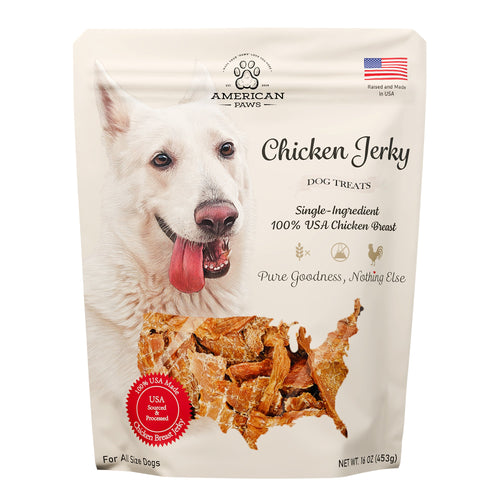
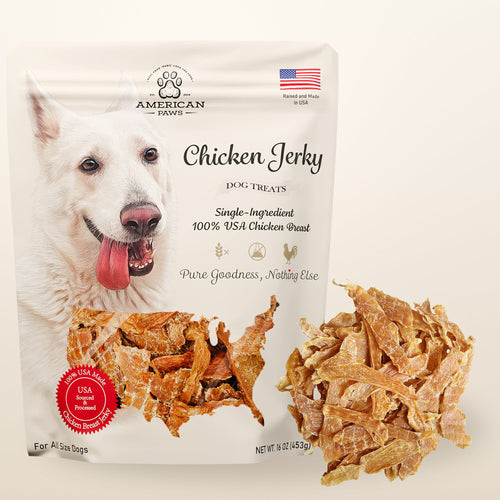
If a familiar food reward already fits your dog's diet, let one adult manage a small pre-portioned amount. You can browse all American Paws dog treats and choose the usual option your dog handles well—without turning a busy night into a taste test.