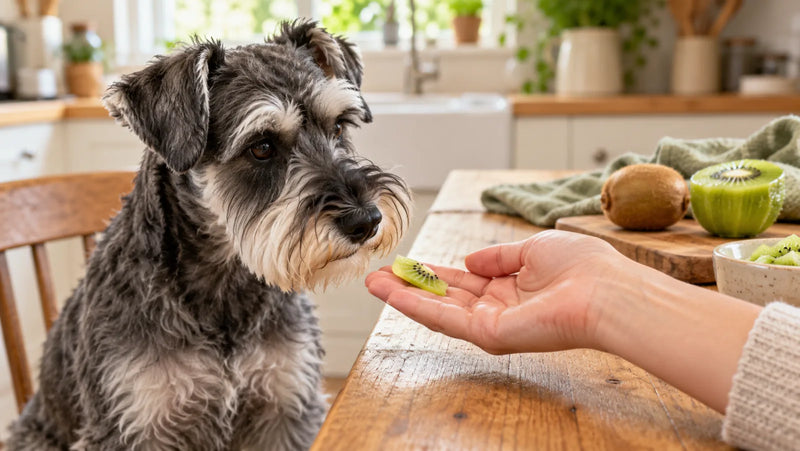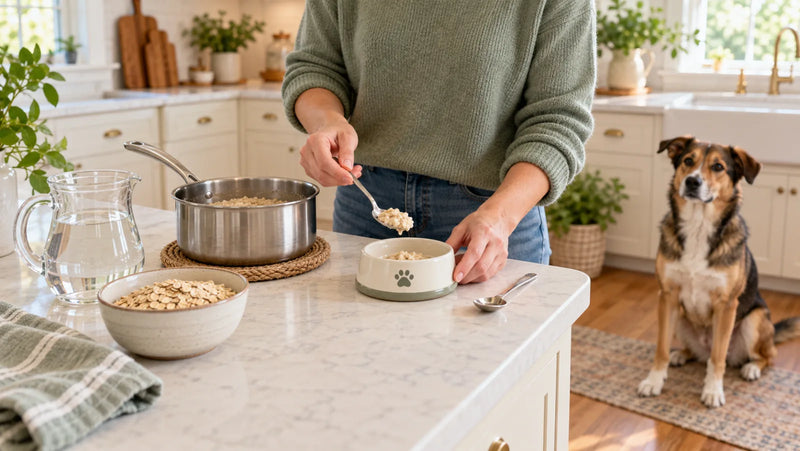

Can dogs eat watermelon? Yes—plain ripe flesh can be an occasional treat after every visible seed and the entire rind are removed. Serve only a few dog-size pieces, introduce the fruit slowly, and remember that its high water content can make it refreshing but cannot replace fresh drinking water, especially in hot weather.
The safe part is the soft red flesh. A triangular human slice with rind attached is not a dog serving, and a large frozen cube is not automatically safer. Preparation, piece size, the dog's health, and the total treat budget all matter.
Can dogs eat watermelon? The quick answer
The AKC's watermelon guidance says dogs can eat the fruit when seeds and rind are removed. It describes watermelon as about 92% water and recommends only a few bite-size pieces, with all treats staying within about 10% of the dog's diet.
Use this checklist before sharing:
- Fresh, ripe, plain watermelon
- Washed before cutting
- Green rind and pale firm border completely removed
- Black, brown, and visible white seed casings removed
- Red flesh cut smaller for the individual dog's mouth
- No sugar, salt, syrup, sweetener, seasoning, or dairy added
- A small portion counted with every other treat that day
Which parts of watermelon can dogs eat?
Red flesh
The red or pink flesh is the shareable part. It contains water, natural sugar, vitamins, minerals, and fiber, but it remains an extra rather than a complete food. Cut it away from the hard pale layer next to the rind and inspect every face of each piece for seeds.
Yellow-fleshed watermelon can follow the same preparation standard if it is plain and ripe. Color does not change the rule: no seeds, no rind, no additions, and no oversized chunks.
Black, brown, and white seeds
Remove black and brown mature seeds before serving. Also pick out visible white seed casings so a small dog or fast eater receives clean flesh rather than a mouthful of material it may not chew. A few stray seeds accidentally swallowed by a healthy larger dog are generally lower concern than many seeds eaten by a toy breed, but that is not permission to serve a seeded slice.
Seeds can be a choking or digestive concern, and a cluster may contribute to blockage risk. If the amount is unknown, the dog is very small, or vomiting, pain, appetite loss, or stool changes appear, call your veterinarian for guidance.
Green rind and pale firm border
Do not feed the green rind or the tough pale layer attached to it. The rind is not being called a chemical poison; it is a physical and digestive hazard. A long strip can be difficult to chew, can lodge in the throat, or can become too large to pass through the gastrointestinal tract.
The veterinarian-reviewed PetMD watermelon guide warns that rind can choke or obstruct and lists vomiting, appetite loss, abdominal pain, lethargy, diarrhea, and difficulty passing stool among signs that need veterinary attention.
Benefits of watermelon without overpromising
Watermelon is mostly water, has relatively few calories for its volume, and supplies vitamins A, B6, and C plus potassium. Those are normal food nutrients, not a treatment. A dog eating a complete and balanced diet should already receive the nutrients it needs from the main food.
The practical benefit is variety: a few soft juicy pieces can be a pleasant summer reward. Watermelon does not detox a dog, cure inflammation, improve kidney disease, replace an electrolyte plan, or compensate for an unbalanced diet. More fruit does not create more benefit once the treat displaces complete food or causes loose stool.
Watermelon helps with variety, not heat treatment
Because watermelon is about 92% water, it contributes some fluid while the dog eats it. That does not make it a substitute for a full water bowl. The ASPCA's hot-weather guidance says pets can dehydrate quickly and need plenty of fresh clean water, shade, careful exercise, and indoor shelter during extreme heat.
Do not use frozen watermelon to keep exercising a dog that is panting hard or struggling in the heat. Excessive panting, breathing difficulty, heavy drooling, weakness, confusion, vomiting, collapse, or an abnormal gum color needs immediate cooling and veterinary guidance—not another fruit cube.
For outdoor planning beyond fruit, our summer hiking dog-treat guide covers water, storage, reward size, heat, and trail handling together.
How much watermelon can a dog eat?
Begin with a first serving that is smaller than an established portion. The table below uses soft, seedless, rindless cubes about 1/2 inch across. These are conservative starting amounts for a healthy adult dog, not daily prescriptions:
| Dog size | Conservative first serving | Texture adjustment |
|---|---|---|
| Under 10 lb | 1 small cube | Mash or cut into four smaller bits |
| 10–25 lb | 2 small cubes | Offer one at a time |
| 26–50 lb | 3 small cubes | Watch chewing before the next piece |
| 51–75 lb | 4 small cubes | Keep pieces bite-size, not a rind slice |
| Over 75 lb | 5 small cubes | Do not scale up to a bowlful |
Wait to see how the dog responds before offering the fruit again. Watermelon contains natural sugar, and a large watery serving can cause gas, bloating, or diarrhea. Dogs with diabetes, active weight-loss plans, chronic gastrointestinal disease, kidney or heart disease, or prescription diets need veterinary approval or another treat.
Watermelon, training rewards, chews, toppers, and table bites all share the same extra-calorie allowance. Use our daily dog-treat calorie guide to count the whole day rather than treating fruit as “free” because it contains water.
How to prepare watermelon for a dog
- Wash the outside of the whole melon under running water before the knife passes through the rind.
- Cut a wedge on a clean board with a clean knife.
- Slice the red flesh completely away from the green rind and pale firm border.
- Remove every visible black, brown, or white seed casing.
- Cut the flesh into pieces that suit the dog; use about 1/2-inch cubes or smaller for a first taste.
- Offer one piece at a time and supervise.
- Refrigerate the remaining human portion promptly and keep rind scraps in dog-proof trash or compost.

Do not hand the dog the cutting-board wedge “just to lick.” Teeth can catch the rind, and a determined dog may tear off a strip before you can intervene. Make the safe serving in the kitchen, then put every discard out of reach.
Frozen watermelon for dogs
Frozen seedless, rindless watermelon can be a refreshing variation. The AKC includes frozen chunks among safe serving ideas after seeds and rind are removed, and the ASPCA's summer treat guidance also names watermelon as an option in a frozen melon treat.
Keep the method simpler than a human dessert:
- Prepare the flesh exactly as for fresh serving.
- Cut very small pieces or mash the fruit into a thin layer in a silicone mold.
- Freeze plain, with no sugar, syrup, sweetener, yogurt, or juice mix.
- Offer one piece under supervision.
- For a puppy, toy breed, gulper, senior, or dog with dental trouble, let it soften in the refrigerator or mash it before serving.
A large hard cube can be a choking or tooth risk and encourages gulping. The point is cool variety, not a long-lasting ice chew. Keep a separate bowl of fresh water available before, during, and after the snack.
What to do if your dog ate seeds or rind
A few stray seeds
If a healthy medium or large dog swallows one or two stray seeds and remains completely normal, a veterinarian may advise observation. Remove the rest, estimate the number, and watch appetite, comfort, vomiting, and stool. Call sooner for a toy breed, a puppy, many seeds, an unknown amount, or any symptoms.
Do not induce vomiting or give oil, bread, pumpkin, or another home remedy unless a veterinary professional instructs you. A low-concern event does not need extra ingredients that may create a new upset stomach.
A rind bite or swallowed strip
Record the approximate dimensions and thickness of the missing rind, whether it was chewed or swallowed whole, the time, and the dog's weight. Take a photo of a similar piece. Check whether plastic wrap, a skewer, toothpick, or trash-bag material is also missing.
Call your veterinarian promptly for a large or unknown piece, a small dog relative to the rind, a fast gulper, a dog with a prior obstruction, or any uncertainty about whether the piece can pass. A tiny well-chewed nibble in a symptom-free large dog is different from a long strip swallowed by a small dog, but only the veterinary team can individualize the monitoring plan.
When to seek veterinary help
Seek urgent veterinary guidance for repeated vomiting or retching, inability to keep water down, loss of appetite, marked drooling, repeated swallowing, abdominal pain or swelling, lethargy, weakness, diarrhea, straining, little or no stool, trouble breathing, pale or blue gums, or collapse. Do not wait several days for a suspected blockage to become severe.
Bring the facts: what part was eaten, approximate size and number, when it happened, symptoms, health conditions, and any other missing objects. Do not induce vomiting unless the veterinary professional specifically tells you to do so.
Watermelon products dogs should skip
Plain fruit is not the same as a watermelon-flavored product. Skip:
- Watermelon candy, gummies, gum, and hard sweets
- Sweetened juice, soda, slushes, and drink mixes
- Syrup-packed fruit or sweetened puree
- Pickled watermelon rind
- Fruit salad with grapes, raisins, sweetener, or unknown dressing
- Frozen bars, sherbet, ice cream, and yogurt blends with added ingredients
- Any sugar-free product containing xylitol or an ingredient list you cannot verify
Do not assume a natural color or watermelon picture means the product contains safe fruit. Read every ingredient, and keep human sweets out of reach.
Dogs that may need another summer treat
Watermelon may be a poor fit for dogs with diabetes, medically directed carbohydrate limits, a weight-loss plan, recurring diarrhea, inflammatory bowel disease, kidney or heart disease, fluid restrictions, swallowing difficulty, or a prescription diet. Ask the veterinary team before adding it.
A dog in an elimination diet should receive only approved foods, even if watermelon is not a common allergen. A puppy or senior may need mashed fresh fruit rather than frozen chunks. If fruit does not fit, use a measured piece of the dog's regular food or another approved reward.
Frequently asked questions
Can puppies eat watermelon?
A weaned puppy may be able to try a tiny seedless, rindless piece, but complete puppy food must remain the nutritional priority. Mash the flesh or cut it very small, introduce one new food at a time, and ask the veterinarian if the puppy has loose stool or a restricted diet.
Can dogs eat seedless watermelon?
Yes, after the rind and pale firm border are removed. “Seedless” melons may still contain soft white seed casings, so inspect the pieces and remove anything visible before serving.
Can dogs eat watermelon every day?
Daily watermelon is not necessary. A small portion may fit some healthy dogs, but variety should not crowd out complete food or push total treats above the calorie budget. Stop if stool becomes loose or the dog begins refusing regular food.
Can watermelon give dogs diarrhea?
Yes. Too much fruit, natural sugar, fiber, or a sudden new food can cause loose stool, gas, or bloating. Start with one small serving, stop if symptoms appear, and contact the veterinarian for persistent or severe signs.
Keep it seedless, rindless, and small
The safe watermelon rule is easy to remember: washed fruit, soft flesh only, every visible seed removed, no rind, no additions, and a few dog-size pieces. Pair the snack with fresh water and normal heat-safety habits rather than treating fruit as hydration therapy. For the wider safe-and-toxic list, see our overview of which fruit dogs can eat.
For more fruit-specific choices, compare our banana safety and portion guide and blueberry safety and serving guide. American Paws does not currently sell watermelon treats; browse all our dog treats for the real products available now and choose a portion and texture that fit your dog.