

dog treats
Can Dogs Eat Honeydew? Small Seedless Pieces, No Rind
A healthy adult dog may try one small piece of ripe honeydew flesh after the melon is washed and every seed and strip of rind is removed.
Your Cart 0
Item added to your cart

The American Paws Journal
Expert guides, ingredient insights, and care tips from our team — for dogs and the people who love them.
Browse ArticlesBrowse by topic

cantaloupe
A form-by-form cantaloupe guide for dogs covering rind washing, seed and rind removal, small-cube portions, sugar cautions and ...

blueberries
Plain blueberries are not considered toxic to cats, but they are optional. Learn who may try one flattened berry, how to handle...

dog treats
Fresh pomegranate is not a classic dog poison, but seeds can upset the stomach and rind can obstruct. Use this form-by-form res...
can dogs eat
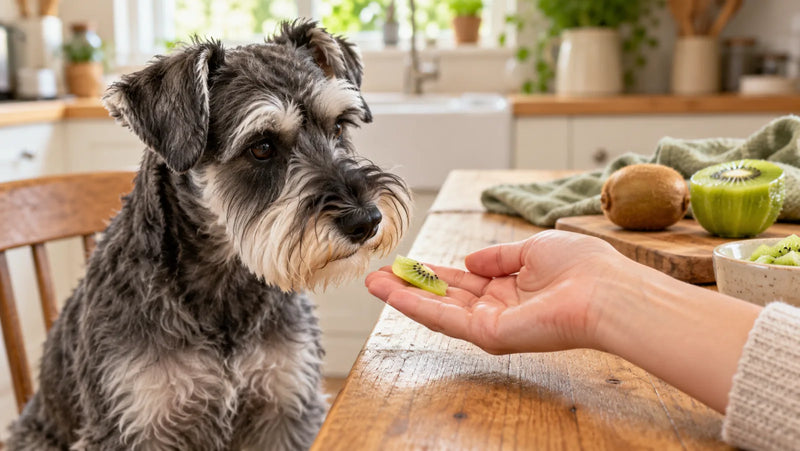
A preparation-first kiwi guide for dog owners: which part to serve, why the fuzzy skin comes off, what the tiny seeds mean, how...

dog treats
A healthy, fully weaned puppy may try one or two tiny pieces of fresh strawberry after it is washed, hulled, cut for that puppy...
dog safety
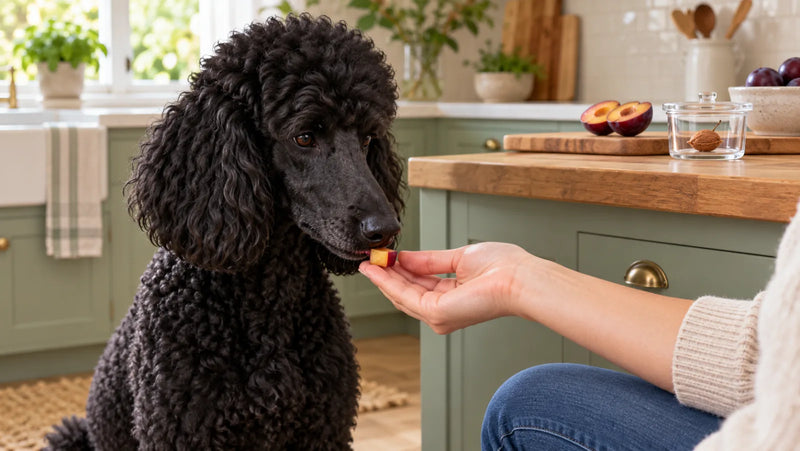
A small piece of prepared ripe plum flesh may be an occasional dog treat, but pits, stems, leaves, prunes, and mixed plum foods...

dog safety
Ripe peach flesh can be an occasional dog treat when it is washed, pitted, cut small, and served plain. Learn why the pit, stem...

citrus
A small peeled, seedless taste of ripe orange flesh may suit some healthy dogs, but peel, juice, sweetened recipes, and concent...
cherries
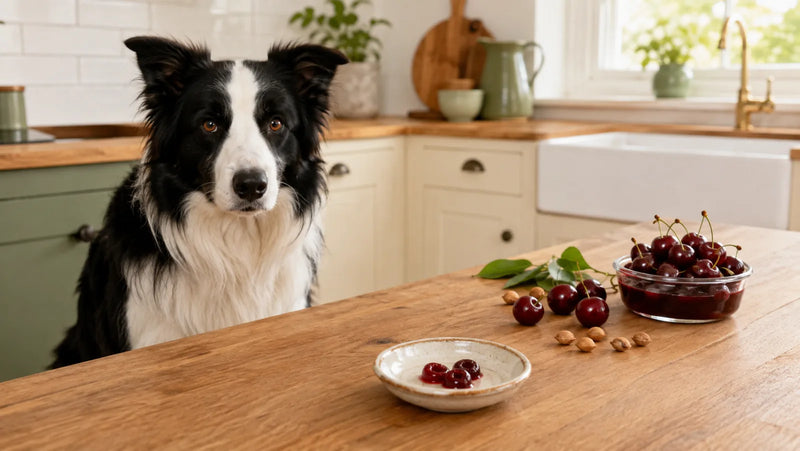
Only plain ripe cherry flesh is considered after every pit, stem, and leaf is removed. Learn how cyanogenic glycosides, pit obs...

coconut
A little plain, unsweetened coconut flesh is usually non-toxic, but coconut oil, milk, water, sweetened products, and the shell...

can dogs eat
Most healthy dogs can try a few small pieces of ripe mango flesh. Learn why the peel and pit stay out, how portions fit the tre...
No articles in this topic yet.



