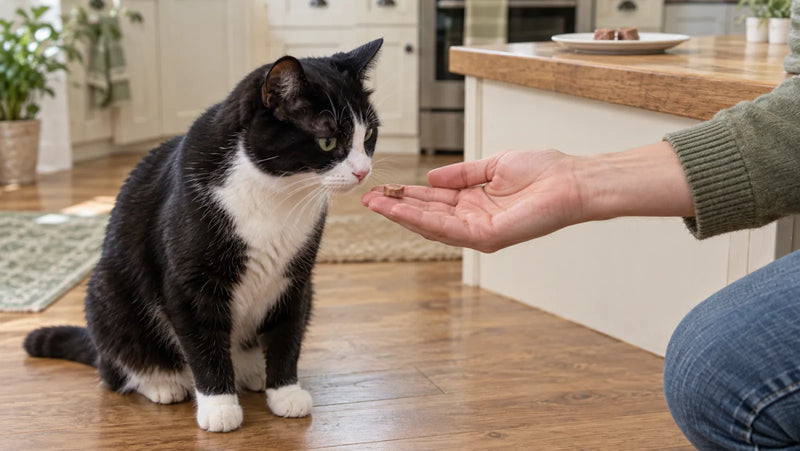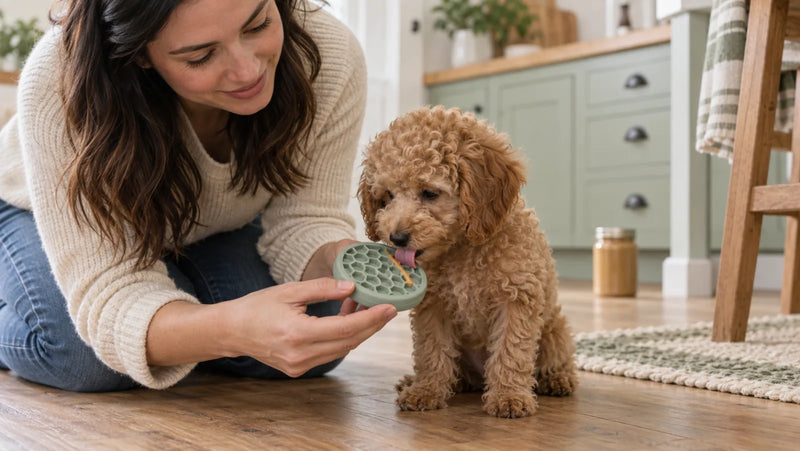

Can dogs eat coconut? Yes, most healthy dogs can have a tiny amount of plain, unsweetened coconut flesh. Coconut is high in fat, however, and too much can cause soft stool or other digestive upset. Never offer the hard shell or fibrous husk, and do not treat sweetened coconut, coconut milk, coconut water, coconut oil, or a coconut dessert as equivalent to fresh flesh.
Coconut is optional—not a necessary nutrient, a balanced meal, a hydration treatment, or a cure-all supplement. The useful question is not simply whether the ingredient is toxic. It is which coconut form you have, what else is in it, how much the dog could eat, and whether the dog's health plan can accommodate the fat, calories, and potassium.
Can Dogs Eat Coconut? Quick Form Guide
| Coconut form | Routine choice? | Main check |
|---|---|---|
| Fresh plain coconut flesh | Possibly, one tiny soft piece | Fat, calories, and digestive tolerance |
| Unsweetened coconut flakes | Possibly, a pinch | Added ingredients, dryness, and portion size |
| Coconut milk | Usually better skipped | Fat, added sugar, sweeteners, flavorings, and volume |
| Coconut water | Not a water replacement | Potassium, additives, and medical-diet fit |
| Coconut oil | Not a routine DIY supplement | Concentrated fat and calories; limited general evidence |
| Shell or fibrous husk | Never | Choking, irritation, or gastrointestinal blockage |
| Macaroons, candy, cake, or flavored products | No without a complete ingredient review | Sugar, fat, chocolate, xylitol, nuts, alcohol, or wrappers |
Coconut also belongs in a wider produce decision. Our fruit-for-dogs overview compares edible flesh with pits, seeds, cores, peels, stems, and processed formats without turning every fruit into the same answer.
Plain Coconut Flesh: Non-Toxic Does Not Mean Unlimited
The AKC's coconut guidance, which includes veterinary input, says small amounts of coconut flesh can be safe for healthy dogs while warning about fat, gastrointestinal upset, and the shell or husk. That supports a modest permission, not a reason to add coconut to every bowl.
Use only soft white flesh separated completely from the hard brown shell and fibrous husk. Choose fresh or plain unsweetened coconut with no salt, sugar, chocolate, flavoring, syrup, or sugar-free sweetener. Cut one tiny piece rather than offering a large cube, strip, half shell, or handful of flakes.
Introduce coconut by itself so that a reaction is easier to identify. Our step-by-step new-treat introduction guide explains the one-change-at-a-time process. Stop sharing and contact the veterinarian for repeated vomiting or diarrhea, significant lethargy, pain, hives, facial swelling, or breathing difficulty.
The Main Risk Is Fat and Digestive Upset
Coconut flesh, milk, and especially coconut oil contribute concentrated fat and calories. A tiny amount may be tolerated, while a larger portion can cause loose stool, vomiting, abdominal discomfort, or an avoidable calorie surplus. The answer also changes for a dog whose veterinarian has prescribed a low-fat diet.
Pancreatitis is an inflammatory disease that requires diagnosis and individualized treatment; a dog cannot be diagnosed from an internet symptom list. The Merck Veterinary Manual's pancreatitis review identifies dietary indiscretion as a believed risk factor in dogs and explains that fat restriction is important in canine pancreatitis management.
That does not mean one coconut flake automatically causes pancreatitis. It does mean dogs with current or previous pancreatitis, hyperlipidemia, chronic digestive disease, obesity, gallbladder concerns, or a veterinarian-prescribed fat restriction should not receive coconut or coconut oil casually. Their veterinary diet instructions outrank a general treat article.

Coconut Shell and Husk Can Cause Choking or Blockage
The hard shell and coarse fibrous husk are not edible dog chews. They can irritate the mouth and digestive tract, damage teeth, become lodged in the throat, or create a gastrointestinal foreign-body obstruction. A dog chewing a whole coconut can also break off pieces before a person realizes material is missing.
Prepare flesh away from the dog, account for all shell fragments, and discard them in a secured container. Do not let a dog scrape coconut from a half shell or play with a husked coconut. “Natural” material can still be too hard, sharp, stringy, or indigestible to swallow safely.
If a dog cannot breathe normally, has blue or gray gums, collapses, or is in severe distress, go to an emergency clinic immediately. After swallowed shell or husk, call a veterinarian with the dog's size, likely amount, fragment size, time, and signs. Repeated vomiting, retching, abdominal pain, a tense belly, appetite loss, marked lethargy, blood, or difficulty passing stool warrants urgent evaluation.
Do not induce vomiting or try to push shell or fiber through with bread, pumpkin, oil, a bulky meal, or extra coconut. The material's size, shape, location, and timing determine the safe veterinary plan.
Coconut Milk, Water, and Oil Need Separate Decisions
Coconut Milk
Coconut milk is not dairy milk, but that does not make a bowl of it appropriate for a dog. It can be high in fat, and canned, refrigerated, powdered, and beverage-style products have different concentrations and additives. Some contain sugar, flavoring, gums, chocolate, coffee, or sweeteners.
If a veterinarian has no concern and the dog is healthy, a tiny taste of plain, unsweetened, additive-free coconut milk may be tolerated. It is usually easier to skip it. Never use coconut milk to replace fresh water, complete dog food, puppy formula, medication, or a prescribed recovery diet.
Coconut Water
Fresh water should remain the dog's primary drink. Coconut water contributes potassium and may contain sugar, sodium, flavoring, fruit juice, or sweeteners. AKC's veterinary source advises caution for dogs with kidney disease or other electrolyte disturbances because coconut is high in potassium.
Do not use coconut water as a home electrolyte treatment for vomiting, diarrhea, heat illness, kidney disease, or dehydration. Those situations require an assessment of water, sodium, potassium, glucose, losses, and the cause of illness—not a generic sports-drink substitute. A dog showing heat distress, weakness, collapse, repeated vomiting, or inability to keep water down needs veterinary care.
Coconut Oil
Coconut oil is almost entirely fat, so even a small spoon can add substantial calories without increasing meal volume. It can cause diarrhea or other digestive upset and can conflict with weight-control, low-fat, pancreatitis, and therapeutic diet plans. Do not pour it over food daily because a social-media recipe names it “natural.”
Topical use also deserves care. A dog may lick it off, it can trap debris, and skin disease can have infectious, allergic, parasitic, hormonal, or other causes. Ask the veterinarian before putting oil on inflamed skin, wounds, ears, paws, or hot spots.
Coconut Oil Is Not a Cure-All
Coconut and medium-chain triglycerides are not interchangeable with a proven treatment for every condition. Research on a specific MCT formulation, dose, diet, or diagnosed disease cannot be generalized to a spoonful of grocery-store coconut oil for every dog. Evidence, product composition, total diet, and the target condition all matter.
The AKC coconut article's veterinarian explicitly describes coconut as not a cure-all and notes that omega fatty acids such as fish oil have better data for skin and overall health. That is not permission to self-prescribe fish oil either; it demonstrates why evidence and veterinary dosing matter.
Likewise, adding coconut oil does not make a homemade diet complete. AKC's veterinary-reviewed homemade-diet guidance warns that choosing oils such as coconut oil based on human health ideas does not fulfill canine nutritional needs and that poorly balanced recipes can create serious deficiencies. Use a board-certified veterinary nutritionist for a long-term home-prepared diet.
Sweetened Coconut and Coconut Desserts Are Different Recipes
Sweetened shredded coconut, macaroons, coconut cream pie, cake, cookies, candy, ice cream, and tropical drinks are multi-ingredient foods. They may combine sugar, concentrated fat, dairy, chocolate, macadamia nuts, alcohol, raisins, coffee, or sugar-free sweeteners. Wrappers, skewers, and decorative picks add foreign-body hazards.
Check the complete ingredient list before making any decision. Xylitol—sometimes labeled birch sugar or wood sugar—is an emergency ingredient for dogs. Chocolate, alcohol, macadamia nuts, or raisins also require ingredient-specific triage. Do not estimate safety from the amount of visible coconut or wait for symptoms after a credible toxic-ingredient exposure.
How Much Coconut Can a Dog Have?
There is no nutritional reason to work toward a serving. For a healthy adult dog with no relevant diet restriction, start with one tiny soft piece of plain unsweetened flesh or a pinch of unsweetened flakes. Do not create a daily coconut habit, and do not substitute a universal teaspoon of oil for case-specific nutrition advice.
All table foods and dog treats share the same extra-calorie allowance. Our daily treat-calorie guide explains how to plan that budget with a veterinarian. A 10% ceiling for extras is not a coconut target and does not make every food inside the ceiling appropriate.
Puppies, toy dogs, overweight dogs, and dogs with pancreatitis history, kidney disease, electrolyte disorders, chronic digestive disease, food allergy, pregnancy, nursing, an elimination trial, or a prescription diet should skip coconut or ask their veterinary team first.
What to Do If Your Dog Ate Coconut
- Secure the food and debris. Prevent more access and account for shell, husk, wrappers, skewers, containers, and spilled liquid.
- Identify the form. Was it plain flesh, sweetened flakes, oil, milk, water, shell, husk, dessert, candy, or a mixed drink?
- Read every ingredient. Look specifically for xylitol or birch sugar, chocolate, macadamia nuts, raisins, alcohol, coffee, onion, garlic, added sugar, and sodium.
- Record the facts. Note the dog's weight, likely amount, time, product concentration, packaging, missing shell pieces, and current signs.
- Use the highest-risk component. Breathing trouble is an emergency. Swallowed shell or husk, a toxic co-ingredient, a large or uncertain amount of oil, or significant symptoms deserves prompt veterinary guidance.
Do not induce vomiting or give peroxide, salt, milk, oil, bread, fiber, charcoal, a forced meal, or forced water unless the professional managing the case directs it. A tiny plain flake, a missing shell piece, and a sugar-free coconut candy require different responses.
Frequently Asked Questions
Can Dogs Eat Coconut Meat?
Most healthy dogs can try one tiny piece of plain, unsweetened, shell-free coconut meat. Its fat and calories make it an occasional extra, not a daily serving or balanced food.
Can Dogs Eat Coconut Flakes?
A pinch of plain unsweetened flakes may be tolerated. Check for added sugar, salt, flavoring, chocolate, sweeteners, and hard shell fragments, and avoid large dry mouthfuls.
Can Dogs Drink Coconut Milk?
It is usually better to skip it. A tiny taste of plain unsweetened coconut milk may be tolerated by some healthy dogs, but products vary in fat, sugar, flavoring, concentration, and additives. It cannot replace water or complete food.
Can Dogs Drink Coconut Water?
Do not use it instead of fresh water or as a dehydration treatment. Coconut water contains potassium and may include sugar, sodium, flavoring, juice, or sweeteners; dogs with kidney or electrolyte concerns need veterinary guidance.
Can Dogs Have Coconut Oil Every Day?
Do not start a daily coconut-oil routine without veterinary nutrition advice. It adds concentrated fat and calories, may cause digestive upset, and is not a proven general cure for skin, immune, cognitive, seizure, or other health problems.
Can Puppies Eat Coconut?
Puppies do not need coconut. Their small calorie allowance should prioritize complete growth food and appropriately sized training rewards. Ask the veterinarian before adding high-fat extras, especially for a puppy with digestive signs.
What If a Dog Ate Coconut Shell?
Call a veterinarian with the dog's size, amount, fragment size, time, and symptoms because shell can choke, injure teeth, irritate tissue, or obstruct the digestive tract. Go to an emergency clinic immediately for breathing trouble or collapse, and do not induce vomiting.
Keep Coconut Plain, Unsweetened, Soft, and Tiny
The useful answer is narrow: a tiny amount of plain, unsweetened, soft coconut flesh is generally non-toxic for a healthy dog. High fat, sweeteners, mixed recipes, coconut water, coconut milk, coconut oil, shell, and husk each require a separate decision.
For a routine reward, a purpose-built dog treat with a clear label and measurable portion is easier to manage. Explore current American Paws dog treats, introduce any new treat gradually, and follow your veterinarian's advice for your dog's complete diet and health.