
Treats for diabetic dogs can fit some veterinary plans, but the safest choice is not a magic “sugar-free” snack. It is one approved product, in one measured amount, at one consistent time that is already built into the dog's food-and-insulin schedule. A reserved portion of the regular complete diet is often simplest; a single-ingredient meat treat may be another option when the veterinarian approves the protein, calories, fat, texture, and timing.
Never change insulin because a treat was fed, add a snack to compensate for a dosing guess, or use an ordinary treat to improvise around a missed meal or suspected low blood sugar. Ask the veterinary team for written instructions that cover the dog's normal day, reduced appetite, vomiting, a disrupted schedule, exercise changes, and emergency signs.
Treats for Diabetic Dogs: The Quick Answer
| Situation | Treat decision | Safest next step |
|---|---|---|
| Stable dog on an established plan | One consistent, measured reward may fit | Approve the exact product, amount, and time with the veterinary team |
| Training or medication reward needed | Reserve part of the approved complete diet first | Count every piece inside the planned daily calories |
| Meal partly eaten, skipped, or vomited | Do not invent a snack-and-insulin workaround | Follow the dog's written plan and contact the clinic when directed |
| Weakness, unusual behavior, tremors, collapse, or seizure | An ordinary treat is not an emergency protocol | Use the veterinarian's emergency instructions and get urgent help |
| Pancreatitis, kidney disease, obesity, allergy, or prescription diet | “Low carb” alone cannot clear a product | Have the veterinarian assess every relevant nutrient and ingredient |
The treat is part of diabetes management, not an exception to it. Ingredient simplicity can make a label easier to audit, but predictable timing, repeatable quantity, complete-diet fit, appetite, exercise, insulin, and monitoring all stay connected.
With Diabetes, Timing Is Part of the Treat
The 2026 AAHA Diabetes Management Guidelines for Dogs tell veterinary teams to discuss the nutrient content, amount, and glycemic impact of routine treats. The same guidance emphasizes consistency in the timing and amount of food, treats, and exercise. That makes “when?” as important as “what?” for a dog receiving insulin.
There is no universal clock time that belongs in a shopping guide. Different insulin regimens relate to meals differently, and an individual dog can have a clinic-approved schedule that does not match another dog's. The AAHA insulin-treatment section also notes that changes in diet or food intake can affect insulin response. Follow the plan for the insulin actually prescribed.
Ask for a simple written answer to four questions: Which treats are approved? What exact daily amount is allowed? At what time or event may they be given? What should the household do if the dog eats less, refuses food, vomits, exercises unusually, or receives a treat by accident? Do not alter an insulin dose or schedule to “make room” for a snack unless the prescribing veterinarian directs that exact change.
Start With the Simplest Approved Reward
Reserve part of the regular complete diet
Using part of the dog's measured meal as rewards keeps the same food, calories, and nutrient profile inside a known plan. Before serving breakfast or dinner, place the approved training portion in a separate container and use those pieces through the allowed window. Subtracting first is more reliable than promising to remember a handful later.
This is especially useful when the dog eats a veterinary therapeutic diet or has more than one medical condition. A piece of the approved food may look ordinary, but consistency is valuable. Praise, play, sniff time, brushing, or access to a favorite resting place can supply additional reinforcement without adding food.
Consider one approved single-ingredient meat treat
A true one-ingredient meat treat can simplify one part of the audit: the ingredient list does not contain added sugar, honey, molasses, syrup, or starch when the only listed ingredient is meat. That can make it easier to identify what the dog receives and to avoid a recipe that changes across several carbohydrates and flavor coatings.
Single ingredient does not prove a tested carbohydrate value, a low calorie count, a low-fat profile, or suitability for diabetes. Drying removes water and can make a small-looking piece calorie-dense. Natural strips vary in weight, and a chicken-only reward still conflicts with a chicken allergy or chicken-free elimination trial. The exact product and portion need approval.
Use nonfood rewards for the rest
If training normally consumes many repetitions, one food reward at every repetition can overwhelm a tightly controlled allowance. Mix in verbal praise, touch the dog enjoys, toys, release to sniff, a short game, or access to a favorite activity. Food is not the only reinforcer, and reducing unmeasured extras can make the routine easier for every caregiver to follow.
How to Read a Treat Label for a Diabetic Dog
Read the current package and product page rather than choosing dog treats from a front-label phrase. Use this checklist:
- Complete ingredient list: identify every meat, starch, sweetener, humectant, flavor, coating, and preservative instead of assuming “natural” or “grain free” means low carbohydrate.
- Calories: look for kilocalories per piece and per weight. If calories are not stated, ask the manufacturer; do not guess from size or protein percentage.
- Guaranteed analysis: bring the available protein, fat, fiber, and moisture information to the veterinary team. These percentages do not by themselves calculate the dog's glucose response.
- Piece consistency: decide whether the reward can be weighed, divided, and repeated without a large change from one serving to the next.
- Feeding and storage directions: use the product as labeled and keep lot, maker, and best-by information available.
Be cautious with sweetened biscuits, soft baked treats, syrups, honey, molasses, sugar, malt ingredients, and starch-heavy recipes as routine rewards. A veterinarian may make an individual diet choice that differs, but a package should not enter the plan just because it says “healthy,” “high protein,” or “for seniors.”
“Sugar-free” requires a different warning. The FDA warns that xylitol is toxic to dogs and may appear in sugar-free foods, nut butters, medicines, and oral-care products under names such as birch sugar or wood sugar. Suspected xylitol ingestion requires immediate veterinary, emergency-clinic, or animal-poison-control contact; it is not a label problem to watch at home.
Low Carb Helps Only When the Whole Plan Still Fits
Lowering unnecessary added sugars and starches in a routine treat can make sense, but carbohydrate content is only one input. The AAHA dietary-management guidance says diabetic dogs can do well on a complete and balanced diet that is palatable, served at consistent times, and fed in appropriate portions. It also says the calories from every daily treat and snack belong in the dog's total intake.
That is why a treat cannot be evaluated apart from body condition, ideal weight, appetite consistency, the complete diet, insulin plan, activity, and other disease. An overweight dog may have a controlled weight-loss target. An underweight dog may need enough calories and protein to regain condition. A dog with pancreatitis, kidney disease, intestinal disease, or food allergy may need a choice that looks very different from a generic “low-carb” list.
A treat is supplemental. It does not replace complete food, lower an insulin requirement on its own, stabilize glucose, prevent complications, or treat diabetes. If the main diet or treat changes, tell the veterinary team so the food history and monitoring record remain accurate.
How Single-Ingredient Chicken Can Fit—and Where It Cannot
Whole-cut chicken jerky
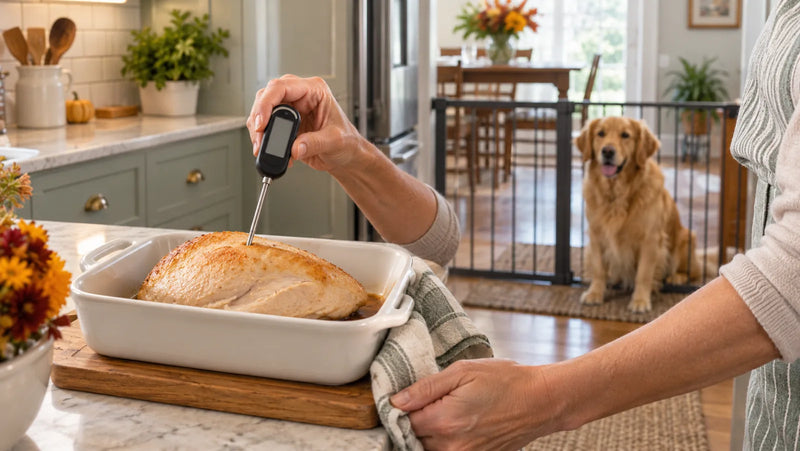
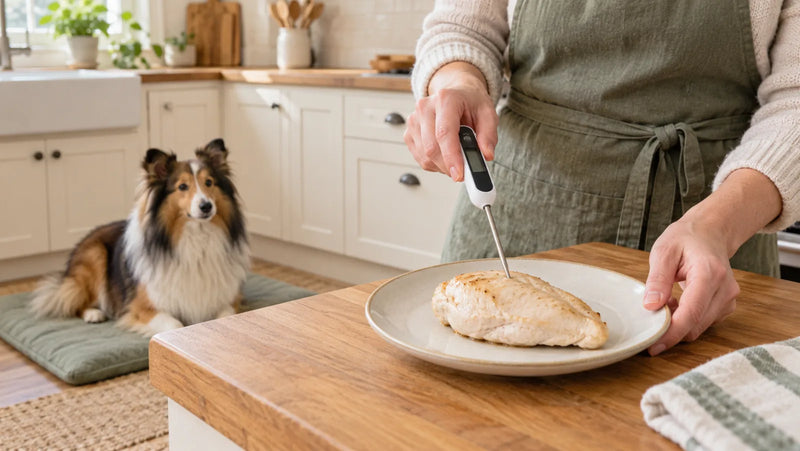
The current American Paws chicken breast jerky page lists 100% USA chicken breast as its single ingredient and describes whole-cut, slow-dried strips with nothing added. The short ingredient list excludes added honey, sugar, and starch from that exact formula, which can make the label easy to explain to a veterinarian. The product page also lists approximately 15 kcal per treat—a number to bring to the veterinary team with the ingredient list.
Natural jerky strips are not a repeatable serving unit. A long thick strip and a short thin strip can differ substantially. If the product is approved, weigh or pre-measure the day's amount, then cut or tear it into pieces appropriate for the dog's size and chewing behavior. Do not infer carbohydrate grams, calories, low-fat status, or diabetes suitability from the words “chicken,” “high protein,” or “single ingredient.”
Freeze-dried chicken pieces
The current American Paws freeze-dried chicken training treats page also lists 100% USA chicken breast and describes naturally small crunchy pieces. That page lists approximately 5 kcal per piece. Small pieces can be convenient for training, but convenience does not remove the need to set a total daily amount. Pre-portion the approved quantity instead of reaching repeatedly into the bag.
Chicken allergy, an elimination diet, pancreatitis history, kidney disease, obesity, calorie restriction, dental limitations, gulping, or another condition may rule out one or both. The current American Paws treat collection shows live products; the veterinary team decides which, if any, fit.

A Practical Portion-and-Timing System
- Approve the exact product. Bring the current ingredient list, guaranteed analysis, calorie statement, and proposed use to the veterinary team.
- Define one daily amount. Use calories and, when pieces vary, a gram scale. “A couple,” “one strip,” and “a small handful” are not repeatable units.
- Pre-portion before the day starts. Put the entire allowance in one labeled household container. Everyone feeds from that container and nowhere else.
- Use the approved timing. Tie the reward to the meal, medication, training block, or other event the veterinarian specifies.
- Log exceptions. Record an accidental extra, reduced appetite, vomiting, unusual exercise, or product change so the veterinary team receives the real history.
- Recheck as the dog changes. Weight, appetite, glucose data, activity, other disease, and medication can change what fits.
The WSAVA guide to feeding dog treats gives less than 10% of daily calories as a general ceiling and says medical conditions or veterinary-prescribed diets may make conventional treats inappropriate. For a diabetic dog, that ceiling is not a target. The individual allowance can be smaller or zero.
Our daily dog-treat calorie guide explains the general calculation method. Use it to understand units and recordkeeping, not to overrule a diabetes-specific prescription. The veterinary team should set the actual calorie allowance using the dog's ideal body weight, complete diet, condition, and treatment plan.
Avoid Honey, Sugary Foods, and High-Carb Treat Habits
Honey, table sugar, syrup, frosting, sweetened yogurt, cookies, and sugary cereal are poor routine shortcuts for a dog with diabetes. Honey may sound more natural than refined sugar, but it still contributes sugars and calories. The broader guide to honey for dogs owns the general safety question; a diagnosed diabetic dog needs the veterinary plan, not a generic taste allowance.
Rich mixed dishes are equally hard to audit. For example, cranberry sauce can contain substantial added sugar and recipe-specific hazards, so it is not interchangeable with a measured plain treat. The same rule applies to baked goods, gravies, desserts, sweetened nut butters, and leftovers: the recipe, calories, and exact portion are often uncertain.
Do not confuse routine avoidance with an emergency protocol. A veterinarian may give specific fast-sugar instructions for suspected hypoglycemia, but that is medical first aid tied to symptoms and urgent follow-up—not permission to add honey or syrup to normal treating. Keep the written emergency plan accessible and use only what it directs.
Low Fat and Low Carb Are Different Questions
A low-carbohydrate idea can still be calorie-dense or contain more fat than an individual dog should receive. This matters when diabetes occurs with pancreatitis history, obesity, high blood lipids, gastrointestinal disease, or another condition that changes the nutrition target. Lean-looking meat is not a laboratory result.
The guide to evaluating low-fat dog treats explains why guaranteed-analysis percentages, moisture, calories, and serving size must be interpreted together. Let the veterinarian rank the competing goals. Do not swap to a supposedly lean or carb-free treat without checking whether its fat, calories, protein, phosphorus, texture, and ingredient source fit the whole patient.
When to Stop Treat Shopping and Call the Vet
A dog that refuses a meal, eats much less than usual, vomits, has diarrhea, seems painful, or develops repeated appetite changes needs plan-specific advice. Do not keep offering different treats until something is eaten and then guess what to do with insulin. Follow the clinic's written instructions and call when the trigger in that plan is met.
AAHA lists possible hypoglycemia signs including lethargy or unusual sleepiness, strange behavior, an abnormal gait, weakness, tremors, collapse, and seizures. If those signs occur, use the dog's emergency plan and obtain veterinary help. A dog that is poorly responsive, collapsing, trembling, or seizing needs urgent care. Do not force food into a dog that cannot safely swallow.
Also call when the routine changes in a way that may affect control: a new complete diet, a new treat, weight change, a different exercise pattern, another medication, repeated accidental extras, or difficulty giving insulin. Accurate history helps the veterinary team interpret monitoring data; hiding treats because they seem small makes that job harder.
Frequently Asked Questions
Can diabetic dogs have treats every day?
Some can have one measured daily allowance when the veterinary team builds it into the food, calorie, insulin, and monitoring plan. Others may need the regular complete diet used as rewards or no separate treat. Consistency does not make an unapproved snack safe.
What is the best treat for a diabetic dog?
The best option is the exact reward the veterinarian approves for that dog. A reserved portion of the regular complete diet is often easiest to keep consistent. A measured single-ingredient meat treat may fit when its protein, calories, fat, texture, and timing are appropriate, but no product is universally best.
Are chicken jerky and freeze-dried chicken low carb?
A product whose only listed ingredient is chicken has no added sugar, honey, or starch ingredient. That does not provide analyzed carbohydrate grams, glycemic effect, or individual suitability. Show the current label and proposed portion to the veterinary team instead of relying on the format name.
Can I give a treat between insulin injections?
Only if the prescribing veterinarian includes that product, amount, and timing in the dog's schedule. Do not assume the midpoint is safe, and do not adjust insulin to compensate. Ask for written instructions that account for the insulin regimen and the dog's monitoring history.
Can a diabetic dog have honey?
Do not use honey as a routine treat for a diabetic dog. It contributes sugars and calories. If the veterinary team places a sugar source in a written hypoglycemia emergency plan, follow that exact protocol for that situation and seek the directed veterinary care; it is separate from daily treating.
What if my diabetic dog will not eat a meal?
Follow the dog's written missed-meal plan and contact the veterinary team when directed. Do not substitute treats for the meal, force-feed, or make an independent insulin change based on an online article. Vomiting, repeated refusal, weakness, abnormal behavior, tremors, collapse, or seizures raises the urgency.
How many treats can a diabetic dog have?
There is no reliable body-weight table. The number depends on calories per gram or piece, the complete diet, ideal weight, body condition, insulin plan, exercise, monitoring data, and other disease. Set one measured daily amount with the veterinary team, then pre-portion it so every caregiver follows the same limit.
Make One Approved Treat Predictable
A useful reward plan is deliberately boring: one known product, one measured allowance, one approved time, and one honest log. That repeatability matters more than a broad promise such as “diabetic,” “natural,” “grain free,” or “low carb.” Recheck the plan whenever the dog, diet, insulin, activity, health, or product changes.
Choose one candidate to review before you buy or feed it: bring the live label for the whole-cut chicken breast jerky or freeze-dried chicken pieces to the veterinary team. Ask them to approve the exact amount and timing, pre-portion the day, and keep emergency instructions separate from everyday treats.