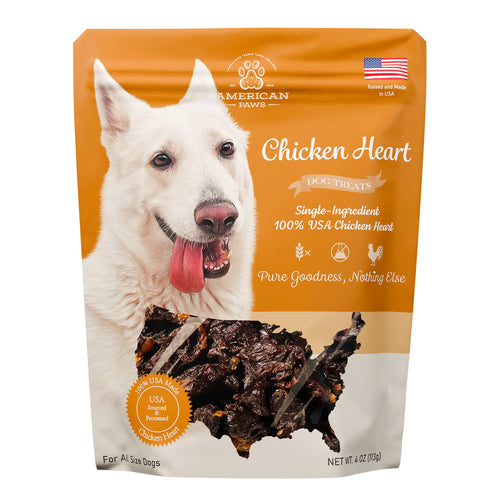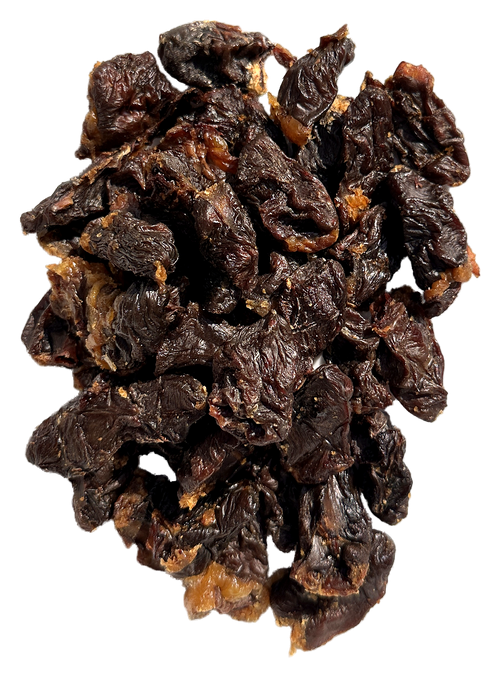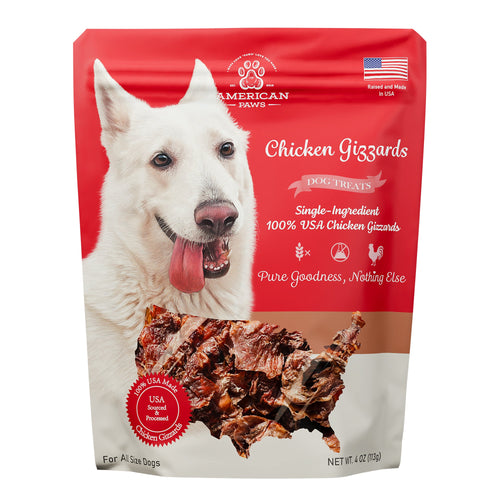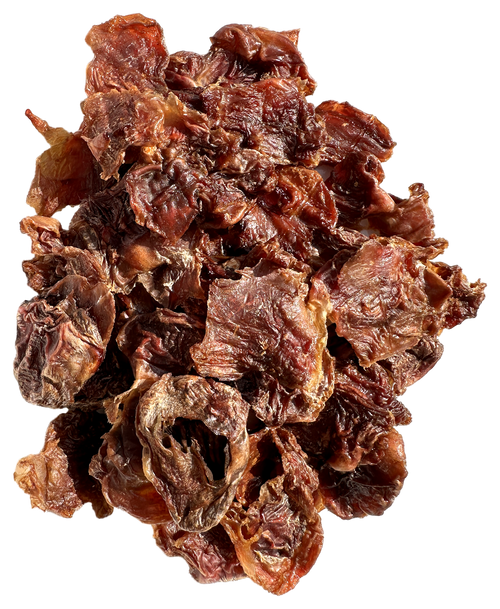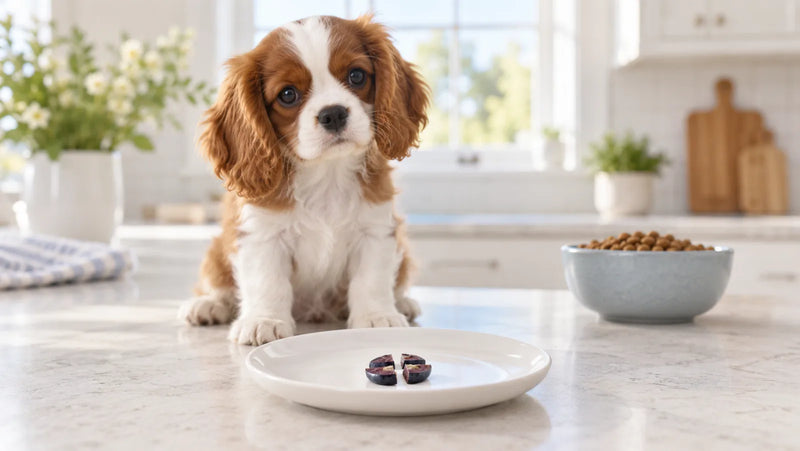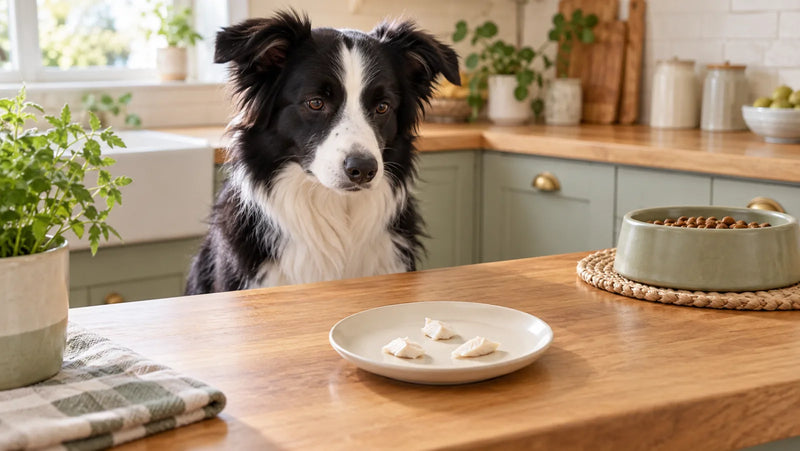

Yes—plain chicken hearts can be a protein-rich occasional treat for many dogs when they are fully cooked, cooled, cut into suitable pieces, and fed in moderation. If you are asking, “are chicken hearts good for dogs?” the practical answer depends on preparation, portion, and the individual dog—not on the word organ alone.
Chicken hearts naturally contain protein, iron, and taurine, but they are not a complete meal, an anemia remedy, a heart treatment, or a substitute for prescribed supplements. Raw poultry adds pathogen and household cross-contamination risks. Some dogs should avoid chicken entirely or follow a veterinarian's individual diet plan.
Are chicken hearts good for dogs? The quick answer
Many healthy dogs that already tolerate chicken can have a small amount of plain cooked chicken heart as a treat. Use this checklist:
- Food-grade source: buy fresh or frozen hearts intended for human food, with sound packaging and a known storage history.
- Plain preparation: no salt, stock cube, onion, garlic, butter, oil, breading, sauce, or spice blend.
- Fully cooked: poultry giblets should reach 165°F (73.9°C) as measured with a food thermometer.
- Dog-size pieces: cool first, trim obvious excess fat, and cut for the dog's mouth and chewing style.
- Measured amount: start with one small piece and count it with every other treat and topper.
Chicken heart is optional. A dog with a chicken allergy, previous pancreatitis, a prescription or elimination diet, swallowing difficulty, or a medical nutrient restriction may need a different reward.
What is a chicken heart?
An organ anatomically and a working muscle nutritionally
A chicken heart is the bird's cardiac muscle. It is anatomically an internal organ and is commonly sold with poultry giblets, so calling it organ meat is reasonable. Its tissue, however, is hard-working muscle. That is why a cooked heart feels firm and meaty rather than soft and pasty.
This distinction helps make sense of its nutrient profile. Plain cooked heart supplies protein and minerals, but it also contains fat and calories. It can be a compact whole-food treat; it should not become the foundation of an improvised diet.
Why chicken heart is not the same as liver
Heart and liver are both internal organs, but they do different jobs and are not nutritionally interchangeable. Liver is a metabolic and storage organ known for concentrated vitamin A. Heart is cardiac muscle and does not share liver's unusually high vitamin-A profile.
That means liver-specific warnings and portion tables should not simply be copied onto heart. It also does not mean heart is unlimited. A dog still needs a complete and balanced main food, and a small heart treat still occupies part of the calorie budget.
Chicken heart benefits for dogs—without the hype
Protein in a compact whole-food treat
A University Hospitals nutrition reference sourced from USDA data reports substantial protein in cooked, simmered chicken heart. The listed one-cup human reference weighs about 145 grams and contains roughly 38.3 grams of protein. That is not a serving suggestion for a dog; it is evidence for the narrower statement that cooked chicken heart is protein-rich.
Protein supports normal tissues and body processes, but a complete dog food already supplies a formulated amino-acid balance. Adding heart does not diagnose or correct a protein deficiency. Its practical value is as a small, flavorful reward—not as proof that more meat always improves the diet.
Iron is useful nutrition, not an anemia remedy
The same USDA-derived reference contains iron. Iron has essential roles in normal oxygen transport, so it is fair to say that chicken heart contributes this nutrient. It is not fair to tell an owner to treat pale gums, fatigue, blood loss, or suspected anemia with extra hearts.
Anemia has multiple possible causes and requires veterinary assessment and testing. Food can be part of a balanced plan after a diagnosis, but a treat cannot identify the cause or replace treatment. Keep the claim at “contains iron,” not “builds blood” or “cures low iron.”
Taurine is present, but this is not heart medicine
Taurine is a sulfur-containing amino acid found in animal tissues, including working muscle. Chicken heart can contribute naturally occurring taurine. That fact is often stretched into a promise that hearts prevent heart disease or that every dog needs extra taurine; neither conclusion follows from serving a snack.
Dogs and cats also differ. The Merck Veterinary Manual's small-animal nutrition reference explains that cats require dietary taurine, while dogs generally synthesize taurine from precursor amino acids. Individual dogs, breeds, diets, and medical conditions can create exceptions, but those are reasons for veterinary evaluation—not reasons to estimate a supplement dose in chicken hearts.
If a veterinarian is investigating taurine status or heart disease, follow the prescribed complete diet, laboratory testing, and supplement plan exactly. Do not replace measured supplementation with an ingredient whose taurine content and serving size are not standardized.
Nutrient-dense does not mean unlimited
The USDA-derived cooked reference also lists about 11.5 grams of fat in the 145-gram cup. Plain trimmed heart contains more protein than fat by weight in that example, so it can reasonably be described as relatively lean compared with some richer treats. “Relatively” matters: heart is not fat-free and is not automatically appropriate for pancreatitis or a therapeutic low-fat plan.
Water loss, attached fat, cooking method, and portion size change the result. Nutrient density is useful when the portion is small. It becomes a problem when a pile of extras crowds out complete food or pushes calories beyond the dog's needs.
Chicken hearts and gizzards for dogs: what is different?
People often buy chicken hearts and gizzards for dogs in the same giblet package, but they are different tissues. The heart is cardiac muscle. The gizzard is a thick muscular part of the bird's digestive tract. Both can be protein-rich and both need plain cooking, a safe temperature, suitable pieces, and moderate portions.
Gizzards are usually denser and chewier; hearts are smaller and can be somewhat richer in fat depending on trimming and preparation. They should not be treated as identical in nutrition, texture, or calories. For the separate gizzard anatomy, preparation, and feeding intent, use our guide to whether chicken gizzards are good for dogs. That keeps each food's advice in its own lane.
Can dogs eat chicken hearts safely?
Plain, fully cooked hearts are the conservative default
The American Kennel Club's chicken guidance treats plain unseasoned cooked chicken as the practical format and notes raw-poultry bacterial concerns. For chicken hearts specifically, the USDA FSIS safe-temperature chart includes poultry giblets in its 165°F minimum.
Use a thermometer instead of relying on color. Heart is dark muscle and may remain darker than breast meat even when safely cooked. Check several of the largest pieces at their thickest point, then cool them completely before portioning.
Raw chicken hearts carry pathogen and household risks
Raw chicken heart is not a chemical poison, but that is not the same as being low-risk. Raw poultry can carry disease-causing bacteria and spread them through hands, utensils, counters, bowls, saliva, and stool. An apparently healthy dog may still expose other animals or people.
The American Veterinary Medical Association's policy on raw or undercooked animal-source protein discourages feeding protein that has not undergone a process to reduce or eliminate pathogens. For a home-prepared occasional treat, thorough cooking is the clearest control.
Freezing is not sterilization. A brief home dehydration step is not proof of pathogen elimination either. If you choose a commercial freeze-dried or dehydrated heart treat, evaluate the manufacturer's pathogen-control process, label, calorie statement, storage directions, and lot information rather than treating the format name as a safety guarantee.
Seasoned, fried, smoked, or mixed-dish hearts should be skipped
Giblet gravy, skewers, fried hearts, smoked products, seasoned stock, and restaurant dishes are poor dog-treat sources. They may contain onion, garlic, salt, butter, oil, breading, sauces, smoke flavor, or other ingredients a dog does not need. A toothpick or skewer adds an obvious physical hazard.
Picking a heart out of a seasoned dish does not reliably remove absorbed fat, salt, or sauce. Prepare a separate plain batch or choose another dog treat.
How to cook chicken hearts for dogs
1. Buy food-grade hearts and keep them cold
Choose fresh or frozen chicken hearts sold for human food. The package should be intact, properly chilled or frozen, and within its date guidance. Reject a package with leaks, swelling, an off odor, sticky texture, or an uncertain cold-storage history.
Thaw frozen hearts in the refrigerator, in a leak-proof bag under cold water that is changed regularly, or in the microwave only when cooking immediately afterward. Do not thaw poultry on the counter. Keep raw juices away from produce, cooked food, and dog bowls.
2. Do not rinse raw poultry; separate and sanitize
The USDA advises against washing raw poultry because splashing can spread bacteria to other food, utensils, and surfaces. Rinsing does not replace the heat step that destroys pathogens.
Use a dedicated board and utensils, keep hands away from handles and phones while working, and wash hands with soap and running water after handling. Clean and sanitize the counter, sink area, board, knife, thermometer, and anything touched by raw juices before preparing other food.
3. Trim obvious fat and cook without seasoning
Inspect each heart and trim loose vessels, clotted material, and obvious attached fat if desired. Do not add salt, broth powder, onion, garlic, butter, oil, marinade, or sauce. The dog does not need browning or garnish.
Simmer in plain water, bake in a covered dish, or use another method that heats every piece evenly. Cooking time varies with size, starting temperature, pan crowding, and method. A clock is a planning tool; the thermometer is the safety test.
4. Verify 165°F, cool, and cut by dog size
Check several of the thickest hearts and confirm at least 165°F. Transfer the cooked food with clean utensils and let it cool away from the dog. Cut a heart lengthwise to confirm an evenly cooked center, then dice the serving into pieces the dog can comfortably chew and swallow.
A small heart is not automatically a safe whole treat. Small dogs, puppies, seniors, and fast gulpers may need tiny pieces. Even a large dog gains nothing from swallowing a whole organ quickly. Supervise and use the food as a measured reward, not a long-lasting chew.

5. Refrigerate promptly or freeze measured portions
Place cooled cooked hearts in a clean shallow covered container and refrigerate within two hours—or within one hour if the room is above 90°F (32°C). Use cooked poultry leftovers within three to four days or freeze small measured portions sooner. Thaw frozen portions in the refrigerator.
Label the container with the preparation date and keep it separate from seasoned family food. Discard pieces left warm too long or showing mold, slime, discoloration, or an unusual odor. A treat is not worth gambling on spoilage.
How many chicken hearts can a dog have?
Begin with one small piece
For a dog that already tolerates chicken but has never had heart, begin with one small cooked piece. Offer no other new food that day. Watch over the next day for vomiting, diarrhea, unusual gas, itching, ear irritation, facial swelling, or discomfort.
That first piece is a tolerance test, not a universal dose. If it agrees with the dog, chicken heart may be used occasionally in measured amounts. Stop and contact the veterinary team if a reaction is repeated, severe, or accompanied by swelling, weakness, or breathing trouble.
Keep every extra below 10% of daily calories
The World Small Animal Veterinary Association's treat guide recommends that treats remain below 10% of daily calories and not replace a complete and balanced meal. The other 90% or more should come from nutritionally complete food appropriate for the dog.
Chicken heart shares that small allowance with training rewards, table bites, toppers, dental products, chews, and food used to give medication. Our daily dog-treat calorie budget explains how body condition, activity, and the main diet affect the number.
Do not copy a universal hearts-per-day chart
Whole hearts vary in size and attached fat. Cooking changes water weight, and two dogs of the same body weight may have different calorie needs. A table that assigns a fixed number of hearts by body size would look precise while ignoring the food and dog variables that matter.
If a regular amount is needed, weigh the cooked batch, use a trustworthy calorie reference for the same preparation, and work from the dog's veterinary calorie target. For casual treating, start with a small bite and keep the total deliberately modest. The under-10% line is a ceiling, not a goal.
Which dogs should avoid chicken hearts or ask a veterinarian?
- Dogs with chicken allergy or intolerance: heart is still chicken, even when it contains one ingredient.
- Dogs in an elimination-food trial: an unapproved extra protein can invalidate the trial.
- Dogs with pancreatitis history or a prescribed low-fat plan: “protein-rich” does not mean fat-free.
- Dogs with kidney, heart, metabolic, or another chronic disease: protein, mineral, fat, sodium, and calorie allowances may be individualized.
- Dogs with dental pain, swallowing disorders, or a gulping history: the dense whole-heart format may be a poor fit.
- Puppies, pregnant dogs, and dogs eating a prescription diet: complete nutrition has priority and extras leave less margin for error.
- Dogs with an unexplained reaction to organ meat or chicken: ask before retesting rather than serving more.
Clear ingredients make a food easier to identify, but not automatically safe for every dog. Our article on simple dog-treat ingredient labels explains that one ingredient is a label fact—not a guarantee of allergy compatibility, calorie fit, or medical suitability.
Frequently asked questions
Can puppies eat chicken hearts?
A weaned puppy that already tolerates chicken may be able to taste a tiny fully cooked plain piece after the veterinarian agrees that treats fit the growth diet. Puppies have small calorie allowances and need complete and balanced puppy food, so heart should never displace meaningful meal nutrition.
Can dogs eat chicken hearts every day?
There is usually no need to feed them daily. Occasional measured pieces are easier to fit around a complete diet. If chicken heart will become a regular or substantial part of a home-prepared diet, a board-certified veterinary nutritionist should formulate the entire recipe.
Are raw chicken hearts safe for dogs?
Raw hearts carry the same pathogen and cross-contamination concerns as other raw poultry. The conservative home method is to cook plain hearts to 165°F, cool them, and handle the raw and cooked food separately. Freezing or casual home dehydration is not guaranteed sterilization.
Are chicken hearts considered organ meat?
Yes anatomically: the heart is an internal organ and is sold as a giblet. Nutritionally and texturally it is also working muscle, which is why it differs from liver. Both descriptions can be true at the same time.
Are chicken hearts better than gizzards for dogs?
Neither is universally better. Hearts and gizzards differ in anatomy, texture, fat, minerals, and calorie density. The better choice is the plain food the dog tolerates, can chew safely, and can fit within its calorie and health plan. Both remain optional extras.
Keep chicken heart as a measured extra
Chicken hearts can be useful dog treats when they come from a sound source, stay plain, reach 165°F, cool completely, and are cut and portioned for the individual dog. Their protein, iron, and taurine are real nutritional features; they are not permission to make medical promises or replace complete food. For how hearts fit alongside other organs, see our guide to organ meats for dogs.
American Paws does not currently sell a chicken-heart product, so we will not point you to a pretend SKU. If a prepared treat with a printed ingredient label and feeding directions is a better fit, browse all current American Paws dog treats and choose the protein, texture, and portion that suit your dog.