

cat treats
How to Cook Chicken Gizzards for Cats: Simmer, Dice Fine
A step-by-step cat-safe method for simmering plain chicken gizzards to 165°F, cooking them tender, dicing them finely and freezing small portions.
Your Cart 0
Item added to your cart

The American Paws Journal
Expert guides, ingredient insights, and care tips from our team — for dogs and the people who love them.
Browse ArticlesBrowse by topic
cat nutrition
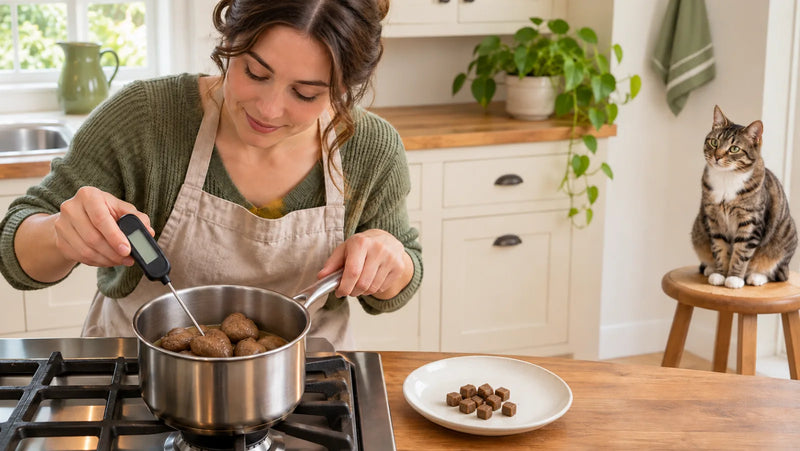
A step-by-step method for simmering chicken hearts plain to 165°F, cooling and dicing them cat-size, serving a few measured pie...

dog treats
Separate turkey heart, liver and gizzard, simmer each plain to 165°F, discard the neck bone, then cool, cut and offer a cautiou...
cat treats
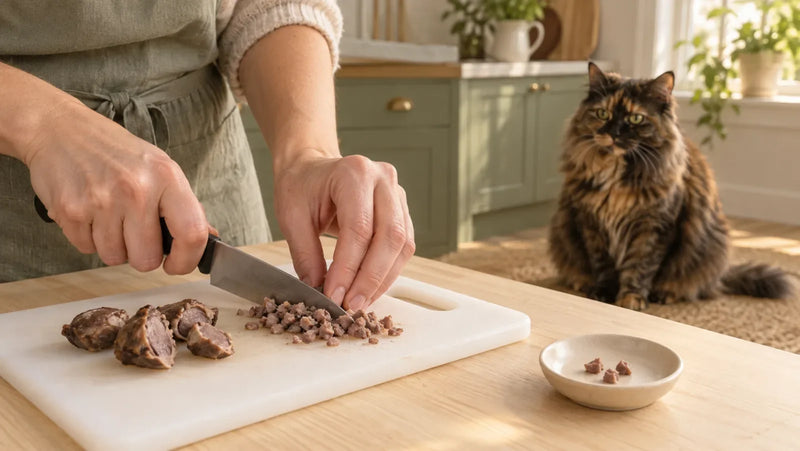
Cats can have a tiny amount of plain fully cooked chicken gizzard, but its dense texture requires fine chopping, a measured tre...
chicken hearts
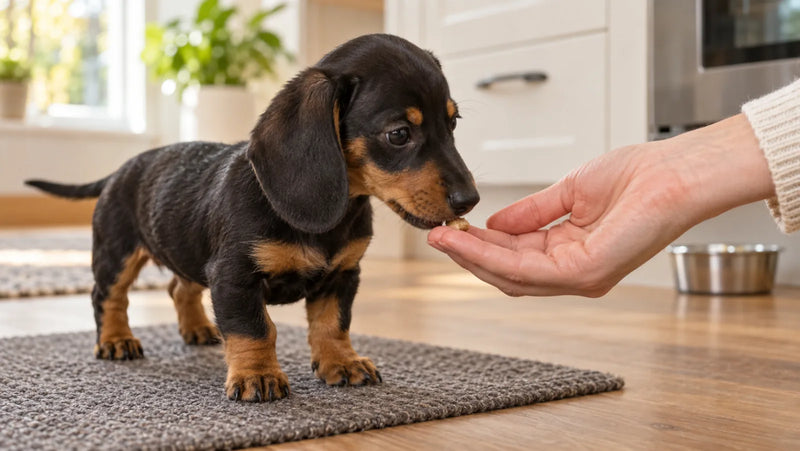
A puppy-specific guide to chicken-heart readiness, tiny first portions, growth-diet limits, and the differences among raw, cook...
chicken hearts
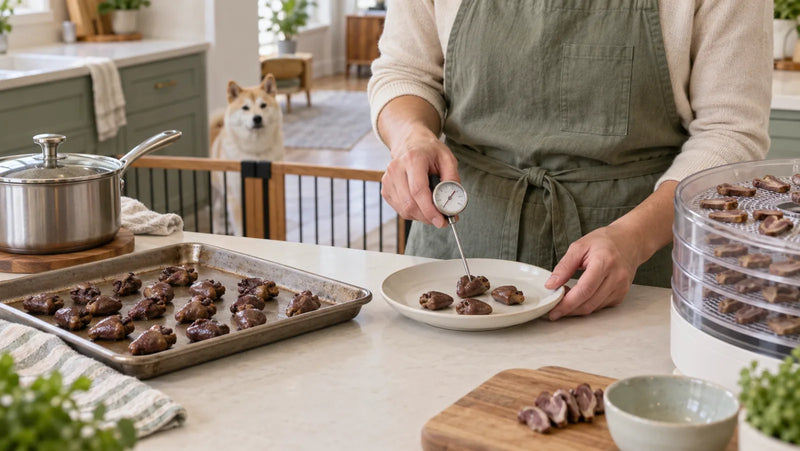
Cook plain chicken hearts for dogs by boiling, baking, or using a verified heat step before dehydration, then cool, cut, portio...

dog treats
Sort the holiday giblet packet before sharing: cook heart, gizzard, and liver plain to 165°F, keep liver limited, and discard t...
beef lung
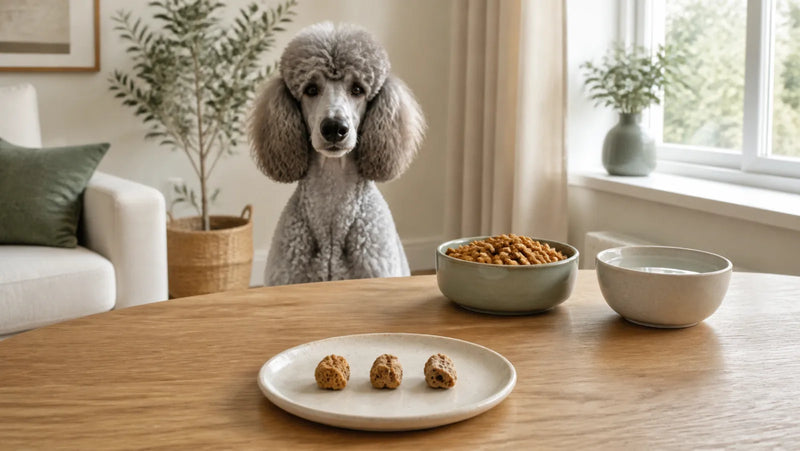
Dried lung is porous and easy to break for training, but low-fat claims, calories, and organ allowances require product-by-prod...
beef liver
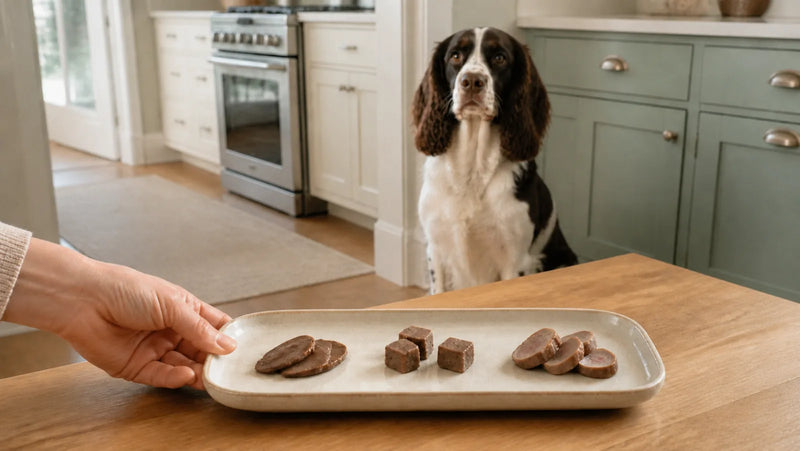
Liver, heart, gizzard, kidney, and lung do different jobs in a dog’s diet. Compare their roles, portion limits, preparation, an...
chicken hearts
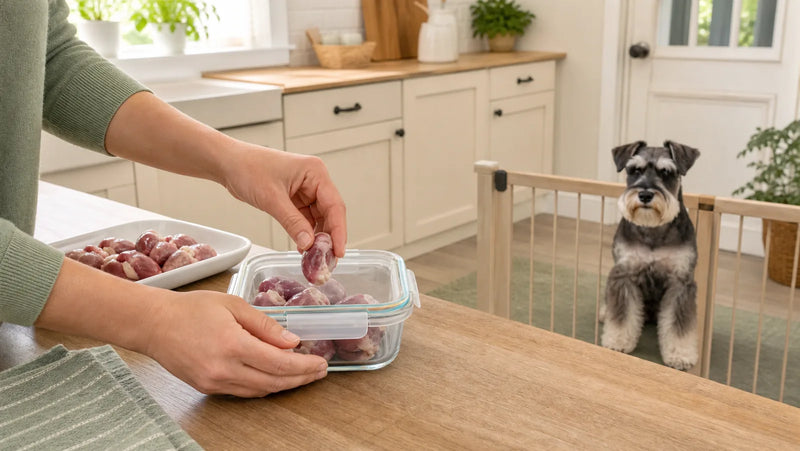
Raw chicken hearts are not chemically poisonous, but they can bring raw-poultry germs into a dog’s bowl and the household. Lear...
chicken
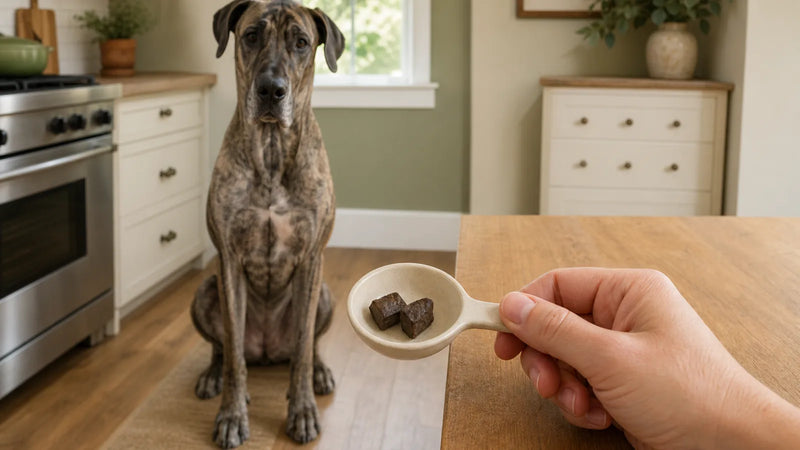
Chicken liver can be a nutrient-dense occasional treat, but its concentrated vitamin A demands restraint. Learn safe cooking, t...

chicken
Chicken hearts can be a protein-rich occasional treat when cooked plain and portioned carefully. Learn their nutrients, raw ris...
No articles in this topic yet.



