
Can cats eat onions? No. Raw, cooked, fried, dehydrated, granulated, and powdered onion can damage feline red blood cells. If a cat ate onion, licked onion-containing broth, or may have swallowed seasoned food, call a veterinarian or 24/7 animal poison service now—even if the cat looks normal—because anemia signs can be delayed for several days.
Call now: ASPCA Animal Poison Control Center at 888-426-4435 or Pet Poison Helpline at 855-764-7661. Both are available 24/7; consultation or incident fees may apply.
Go to an emergency veterinary clinic now for collapse, trouble breathing, inability to stand, profound weakness, very pale or yellow gums, or red-to-brown urine. There is no safe at-home vomiting method for cats. Do not give hydrogen peroxide, salt, oil, milk, bread, charcoal, food, water, or medicine unless the veterinarian or poison professional managing this exact cat instructs it.
Can Cats Eat Onions? No—Call Now
Onion is not a cat treat in any form. Cooking does not neutralize the red-blood-cell hazard, batter does not cancel the onion inside a ring, and powder dissolved in broth cannot be picked out. A normal-looking cat during the first hours is not cleared.
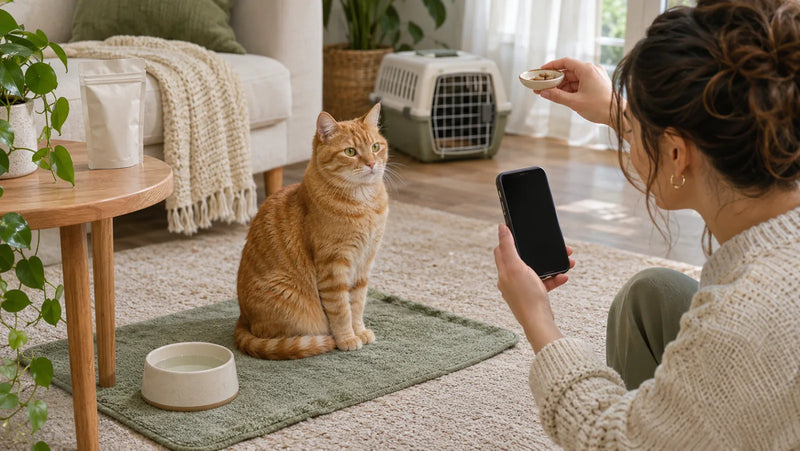
Remove access without chasing or forcing the cat's mouth open. Save the food, package, ingredient panel, recipe, and any missing seasoning packet. Call with the largest amount that could have been eaten, earliest and latest possible time, current cat weight, health conditions, medicines, prescription diet, and every sign.
The broad toxic-food emergency guide covers several household foods and a general response framework. Despite the dog-focused title of that pillar, its call-first and evidence-preservation principles apply broadly; this page is the cat-specific onion owner and controls the feline patient details.
Why Cats Are Especially Sensitive to Onion
Onions belong to the Allium group with garlic, chives, leeks, shallots, and scallions. These plants contain sulfur compounds that can create oxidative injury in red blood cells. The Merck Veterinary Manual's Allium toxicosis review identifies cats as the most susceptible species, followed by dogs, and notes that concentrated forms such as powders, dehydrated flakes, and dry soup mixes are common exposure sources.
Oxidative injury changes hemoglobin and the red-cell membrane. Damaged hemoglobin can collect into inclusions called Heinz bodies; some hemoglobin can become methemoglobin, which does not carry oxygen normally. The body may then remove or destroy injured red cells. That destruction is hemolysis, and a major loss of functional red cells produces hemolytic anemia.
The mechanism explains the later warning signs: weakness, rapid breathing, a fast heart rate, pale or yellow gums, dark urine, collapse, or other evidence that oxygen delivery and red-cell integrity are compromised. It does not let an owner diagnose anemia by gum color or urine alone. Veterinary history, examination, and blood testing control the diagnosis.
The ASPCA onion toxicology page lists N-propyl disulfide as a toxic principle and names vomiting, red-cell breakdown, Heinz body anemia, blood-colored urine, weakness, rapid heart rate, and panting among possible signs. Those facts support an urgent call; they do not create a home dose or a prediction for one cat.
Raw, Cooked, Fried, Dried, and Powdered Onion All Count
Report the exact form and the finished food. “It was cooked” and “it was only seasoning” are not sufficient descriptions.
| Form or food | Why it still counts | Evidence to save |
|---|---|---|
| Raw onion, peel, juice, chopped scraps, or plant parts | The onion material and juice contain the relevant Allium compounds | Photo, variety if known, amount missing, time |
| Cooked, sautéed, roasted, or caramelized onion | Heat does not make onion cat-safe; compounds can remain throughout the dish | Recipe, serving size, remaining food, cooking liquid |
| Fried onion or onion rings | The onion remains, while batter, oil, seasoning, dip, and packaging add other questions | Product label, maximum number missing, sauce and wrapper |
| Powder, granules, dried flakes, or soup mix | Concentrated forms can be easy to overlook and may be dispersed through the food | Packet, jar, ingredient list, recipe measure if known |
| Broth, stock, soup, gravy, sauce, stuffing, or meat seasoning | Onion may be dissolved, powdered, or too small to remove | Every label, recipe, container size, amount consumed |
| Savory baby food or prepared meal | Some—not all—products include onion or onion powder | Exact jar, pouch, receipt, full ingredient panel |
The safe household rule is to check, not assume. A chicken picture on a broth carton does not mean the liquid contains only chicken and water. A baby-food puree can include onion powder even when no onion piece is visible. A restaurant sauce may not publish its full seasoning blend on the menu; ask for the ingredient information while calling the veterinary professional.
Do not rinse cooked meat, pick visible onion from soup, scrape sauce off a noodle, or strain broth and call the remaining food safe. Juice, dissolved compounds, powder, and tiny cooked pieces can remain. Use a separately prepared onion-free portion only after the cat's veterinary plan says that food is eligible.

Onion Poisoning Signs Can Be Delayed for Days
A cat may have vomiting, diarrhea, poor appetite, or abdominal discomfort early, but the more serious red-cell effects can emerge later. Merck reports that oxidative red-cell changes can begin within 24 hours and that hemolysis commonly occurs three to five days after exposure. Clinical anemia signs may not appear until substantial red-cell injury has occurred.
| Possible finding | What it may look like | Owner action |
|---|---|---|
| Gastrointestinal irritation | Vomiting, diarrhea, drooling, poor appetite, abdominal discomfort | Update the veterinary professional; do not assume the problem is only stomach upset |
| Reduced oxygen delivery | Lethargy, weakness, unwillingness to move, rapid breathing, fast heart rate | Prompt veterinary examination; breathing trouble or inability to stand is an emergency |
| Visible anemia clues | Very pale gums, yellow gums or eyes, red-to-brown urine | Emergency veterinary care; do not diagnose the cause at home |
| Severe progression | Collapse, profound weakness, unresponsiveness | Emergency transport now |
These time points describe a documented pattern, not a schedule for home observation. Do not wait three days for pale gums and do not cancel a recommended recheck because the cat ate breakfast the next morning. Follow the veterinary team's testing and follow-up plan.
Other illnesses and toxins can cause pale or yellow tissue, dark urine, weakness, vomiting, or collapse. Tell the clinic about medications, lilies, acetaminophen, flea products, cleaners, and any other possible exposure. A visible onion dish does not erase another hazard in the same room.
What to Do if a Cat Ate Onion
- Secure the cat and source. Put the cat in a quiet safe room with the carrier ready, and close the food, trash, pan, broth, or seasoning.
- Call now. Contact the veterinarian, emergency hospital, ASPCA Animal Poison Control, or Pet Poison Helpline even when no sign is visible.
- Preserve the exact evidence. Save the package, recipe, labels, restaurant information, photo, remaining food, and any missing wrapper or skewer.
- Use the largest credible amount. Report the full serving or container size, what remains, earliest and latest access time, current weight, health, medicines, and possible repeat access.
- Prepare for transport. Keep the cat calm and in a secure carrier. Severe weakness, breathing trouble, collapse, very pale or yellow gums, or dark urine requires emergency care.
- Follow case-specific directions. Testing, decontamination, treatment, food, water, and follow-up belong to the veterinary professional.
The ASPCA's guidance on whether it is safe to induce vomiting states that there is nothing that can be given safely at home to make a cat vomit and specifically warns against hydrogen peroxide for cats. Do not use peroxide, salt, mustard, oil, fingers, milk, charcoal, a forced meal, or another internet method.
Do not force food or water to “dilute” onion. A frightened or weak cat can aspirate, and feeding may conflict with the clinic's plan. Bring the carrier, food evidence, and timeline; let the professional decide what happens next.
Broth, Baby Food, Seasoning, and Leftovers Hide Onion Powder
Check products before they reach the cat, not after. Onion or onion powder may appear in chicken or beef broth, stock cubes, gravy, soup, meat rub, stuffing, sauce, dip, prepared rice, canned meat, savory baby food, and seasoning packets. “Natural flavor” alone does not prove onion, but it also does not justify guessing when the manufacturer can clarify an ingredient question.
For a controlled homemade liquid, the guide to making onion-free chicken broth for cats uses chicken and water, removes bones, strains twice, cools safely, and keeps the serving supplemental. That recipe is not treatment after onion exposure. Wait for professional clearance before offering broth, food, or treats.
Garlic, chives, leeks, shallots, and scallions are also Allium plants. Do not substitute one for onion or assume a green top is safe. Report the exact plant or ingredient and let the veterinary professional assess it; this article remains focused on onion so it does not compete with every Allium query.
Keep Cat, Dog, and Puppy Onion Guidance Separate
The red-cell hazard spans species, but patient assessment does not. A cat's susceptibility, body weight, health, exposure form, and veterinary options are not copied from a dog. The adult-dog onion guide owns dog-specific forms and response, while the same-week guide to onion exposure in puppies centers the puppy's current small body weight and puppy-specific evidence.
Use those links only for the animal named in the title. Do not transfer a gram-per-kilogram figure, piece count, timeline, or home method between cat, dog, and puppy pages. This cat page intentionally gives no numeric dose because a household threshold can create a dangerous delay and concentrated recipes vary.
Prevent Repeat Exposure Without Replacing the Complete Diet
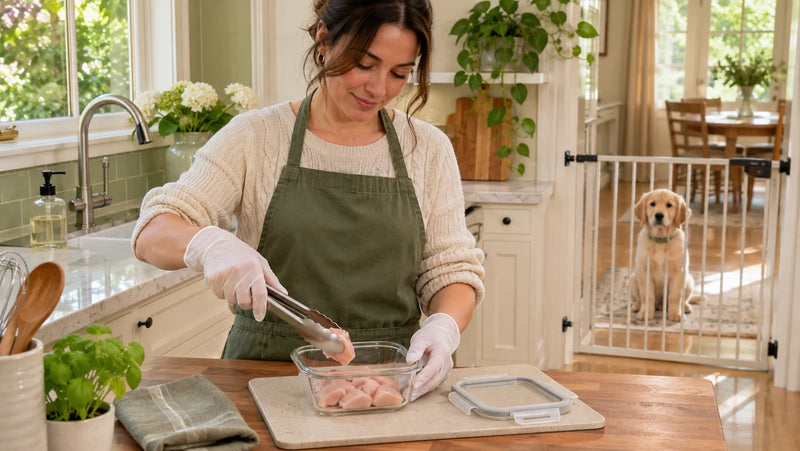
Prepare onions with the cat out of the kitchen. Put peels, ends, powder packets, and dropped pieces directly into a lidded container. Clean the cutting board, knife, counter, stove, floor, and sink before the cat returns. Cover pans and move them behind a closed door rather than relying on the back of a counter.
Secure broth, gravy, baby food, leftovers, and trash. Tell guests not to share from plates and not to pour cooking liquid into a cat bowl. Check pill pockets and food used for medication with the veterinary team; a convenient carrier is not useful if its ingredients conflict with the cat's plan.
Holiday plates can contain more than onion. The guide to grape and raisin exposure in cats preserves the limited feline evidence while still recommending prompt professional review. The guide to chicken-bone exposure in cats covers choking, lodging, obstruction, injury, and the absence of a safe home vomiting method. Report all possible hazards when a cat raids a mixed plate.
Frequently Asked Questions
Can cats eat cooked onion?
No. Cooking does not neutralize the compounds that can injure feline red blood cells. If a cat ate cooked onion or food cooked with onion, save the recipe and call a veterinarian or animal poison service now.
Is onion powder dangerous to cats?
Yes. Powder is a concentrated form and can be dispersed through seasoning, broth, soup mix, sauce, gravy, or baby food. Do not estimate safety from a small-looking dusting; save the label and call with the largest credible exposure.
What if a cat licked broth with onion?
Remove access, preserve the broth carton or recipe, estimate the maximum amount and time, and call. Do not assume one lick is cleared, and do not give more broth or food to dilute it unless the professional handling the case directs that step.
How long after eating onion can a cat show symptoms?
Gastrointestinal signs may occur earlier, while red-cell destruction and visible anemia signs can be delayed for several days. There is no universal home waiting period. Call before signs and follow the clinic's testing and recheck plan.
Can I make my cat vomit after onion?
No home method is safe for cats. Do not give hydrogen peroxide, salt, oil, mustard, milk, charcoal, food, or medication. Call a veterinarian or poison service and follow the exact case instructions.
Are garlic, chives, leeks, and shallots safe for cats?
No. They are Allium plants and may also injure red blood cells. Report the exact ingredient, form, amount, time, cat, and signs rather than using the onion label as a reason to ignore another Allium.
Call First, Then Return to Clearly Labeled Cat Treats
After a suspected onion exposure, the immediate job is professional toxicology guidance—not choosing a replacement snack. Wait until the veterinarian or poison professional has resolved the case and has said ordinary feeding can resume.
For routine selection after clearance, use the best-cat-treats framework to check the exact ingredient, calories, texture, purpose, medical-diet fit, and storage. The current American Paws freeze-dried chicken breast page identifies one ingredient, USA chicken breast, and intermittent or supplemental feeding. It is a reward—not treatment, an antidote, complete nutrition, or a universal fit.
Browse all American Paws cat treats and products only after the cat has been cleared, then read the current label for the exact item. Keep complete cat food as the nutritional foundation and every treat within the individual veterinary plan.