
Bulk dog treats for groomers should be easy to portion, appealing to dogs, simple for staff to handle, and consistent to reorder. The best choice fits a salon's real workflow—whether treats are used with owner permission during appointments, packed as take-home rewards, or sold at checkout—without creating avoidable ingredient, storage, or inventory problems.
A groomer does not need the biggest case at the lowest price. A grooming business needs a treat program staff can use consistently, owners can understand, and the salon can replenish before it runs out. This guide turns those needs into a practical buying checklist.
Bulk dog treats for groomers: the quick buying checklist
Before requesting a quote, decide whether a treat passes these six tests:
- Easy portions: staff can offer a genuinely small reward or break a larger piece without excessive crumbs.
- Clear ingredients: the ingredient statement is available when an owner asks what is being offered.
- Useful format: the texture and aroma fit appointment rewards, take-home gifts, checkout sales, or the specific use you choose.
- Clean handling: the product can be stored sealed and portioned with a simple food-safe routine.
- Predictable supply: the vendor can explain minimums, lead times, packaging, and reorder timing.
- Sensible economics: cost is measured per usable reward or saleable pack, not just per pound.
Not every salon needs treats for every purpose. Pick one use case first, document the process, and expand only after staff and clients respond well.
Decide how your grooming salon will use treats
The same bulk case can produce very different results depending on where each piece goes. Define the job before choosing the product or package size.
Cooperative-handling rewards during appointments
With the owner's permission, a small food reward may help reinforce calm, cooperative moments such as stepping onto a mat or pausing between parts of a service. Treats are optional; they do not replace low-stress handling, staff judgment, or a plan for a dog that is showing fear or distress.
Appointment rewards should be small enough to eat quickly and easy for staff to portion. A strong aroma can be useful, but the dog must still be willing and comfortable. If a dog refuses food, that is information—not a reason to push the interaction.
Take-home treats and new-client welcome bags
A sealed take-home portion can create a thoughtful final touch without adding food to the appointment itself. Salons may include a sample in a new-client bag, seasonal thank-you, or rebooking kit. Label the sample with the product identity and ingredient information, and confirm the applicable packaging and labeling rules before repacking anything for clients.
Checkout add-ons and retail packs
Treats can also become a small checkout category. Retail-ready inventory reduces repacking work, while a properly planned private-label program can support a salon's own brand. Start with a focused item that staff can explain in one sentence. A crowded display of unfamiliar products ties up cash and makes reordering harder to predict. Our guide to private label dog treats explains minimums and the fill-and-seal process.
Put owner permission and ingredient information first
Do not surprise a client by feeding their dog. Add a clear treat-permission question to intake and keep the answer visible to the team. Ask the owner to identify known food sensitivities, dietary restrictions, or instructions from their veterinarian. A “yes” for one product is not blanket permission for every protein or recipe.
Keep the original product label and lot information accessible after opening a bulk package. Staff should be able to identify the protein and ingredient list without guessing. If an owner supplies a preferred reward, label and separate it so it cannot be confused with the salon's general inventory.
Even a simple ingredient list does not make a food appropriate for every dog. When a client reports a history of reactions or a medically managed diet, follow the owner's instructions and defer dietary questions to their veterinarian.
Choose a format that works at the grooming table
Evaluate treats with the working environment in mind. Large hard pieces can take too long to chew. Very soft products may smear on hands or equipment. Extremely crumbly pieces can create cleanup around a freshly groomed dog. The practical target is a clean, aromatic reward that can be delivered in a small portion.
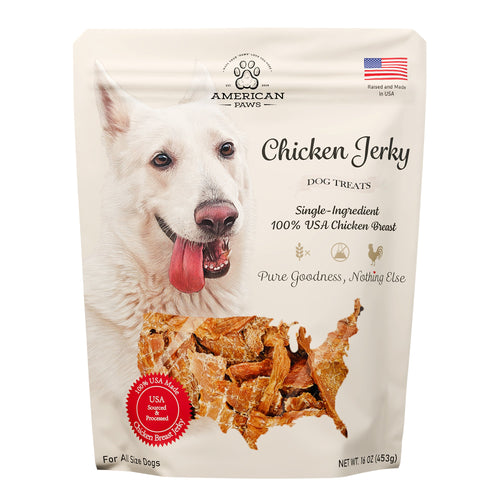
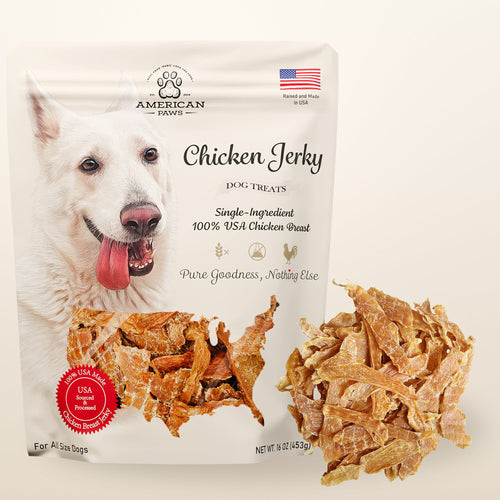
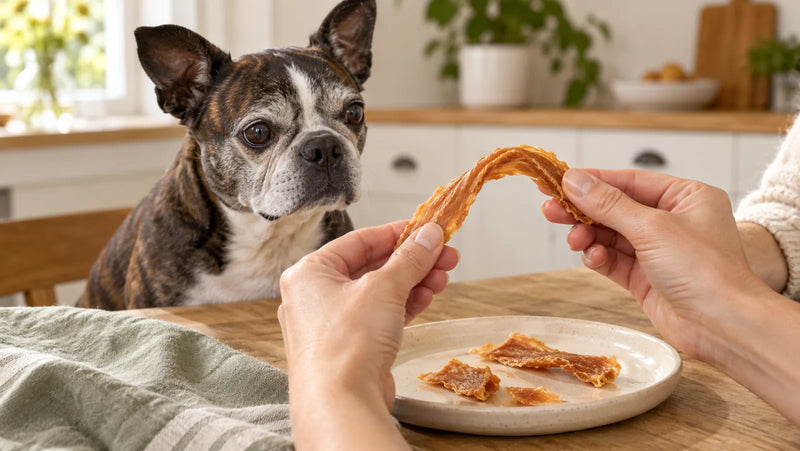
Chicken jerky can work in several salon roles because a piece may be offered whole as a take-home gift or broken into smaller rewards when its texture allows. Test a sample before committing to volume: note breakability, crumbs, odor, residue, piece variation, and how well the package reseals.
For a broader view of B2B supplier questions and retail formats, use our wholesale dog treat buyer guide for pet stores. The buying principles transfer, but a grooming salon should give extra weight to handling speed, permission records, and sanitation.

Calculate cost per usable reward, not only cost per pound
A low price per pound can hide labor and waste. Estimate the real cost of the program with a small trial:
- Weigh or count a representative sample.
- Break it into the portions staff would actually use.
- Record usable rewards, crumbs, oversized pieces, and preparation time.
- Add the cost of sample bags, labels, scoops, and staff labor when relevant.
- Divide total cost by usable appointment rewards or completed retail packs.
Then compare that result with the value created. Appointment rewards are an operating expense; take-home gifts are a retention touchpoint; checkout packs need a viable retail margin. Keeping those buckets separate prevents a popular “free sample” program from quietly consuming inventory intended for sale.
Build a clean storage and portioning routine
Bulk savings disappear when moisture, open bags, or careless handling creates waste. Store inventory in a cool, dry place away from direct sunlight and grooming moisture. Keep the main package sealed between uses, follow the manufacturer's storage directions, and avoid pouring new inventory on top of old inventory.
Designate clean food-contact tools for treats. Use a scoop or clean gloved hands during portioning, keep food away from chemicals and used grooming equipment, and clean the work surface before starting. Mark the opening date and rotate stock first-in, first-out.
Discard treats that develop an unusual odor, visible moisture, mold, insect activity, or a texture change outside normal variation. Our detailed guide on how to store chicken jerky dog treats explains sealing, moisture control, and warning signs in more depth.
Plan inventory and reorders around appointment volume
Estimate demand from the salon schedule instead of intuition. Multiply monthly appointments by the expected treats per participating appointment, then add separately planned take-home and retail quantities. Adjust for the percentage of owners who grant permission and for dogs that do not receive salon treats.
Set a reorder point that includes supplier lead time and a modest buffer. For example, if the salon uses two weeks of inventory during a typical supplier lead time, ordering with only three days left creates an avoidable gap. Review actual use monthly during the first quarter; seasonality, promotions, and appointment mix can change the forecast.
Assign one person to monitor the sealed reserve, open inventory, and next order date. Shared responsibility without a named owner often becomes no responsibility.
Bulk, wholesale, or private label: which fits a salon?
- Bulk: larger-volume product for an established internal portioning or compliant repacking workflow.
- Wholesale retail-ready: finished packs bought for resale, with less salon labor before products reach the shelf.
- Private label: products sold under the salon's brand, requiring coordinated packaging, labels, minimums, and lead times.
A small salon may be better served by testing retail-ready packs before taking on a large bulk format. A multi-location group with measured usage may benefit from volume purchasing. Private label deserves its own plan; it is not merely a bulk bag with a new sticker.
Questions to ask a bulk dog treat supplier
Get operational details in writing before the first large order:
- What are the current minimum order quantity and lead time?
- Is the product bulk-packed, retail-ready, or available for private label?
- What ingredients, country-of-production details, storage guidance, and lot records are supplied?
- How much do piece size, thickness, and texture vary naturally?
- What packaging remains sealed after part of the order is opened?
- What are the current shipping terms and reorder process?
- What labeling responsibilities apply if the salon repacks or resells the product?
Current pricing, packaging, and terms can change. Confirm them for your order rather than relying on an old quote or another buyer's arrangement.
Why USA-made chicken jerky can fit grooming businesses
A straightforward product story helps a busy team communicate accurately. American Paws makes real-meat dog treats in Highland, California. For businesses with established demand, the 50 lb bulk chicken jerky format offers a volume option for qualified buyers.
Use the American Paws wholesale program to discuss current minimums, packaging, lead time, private-label needs, and shipping. Share how many locations you operate and whether the treats are intended for appointments, samples, or resale so the conversation starts with the right format.
Frequently asked questions
What dog treats are best for groomers to buy in bulk?
The best bulk treats for a groomer have clear ingredients, manageable portions, clean handling, dependable storage, and consistent reordering. The right texture depends on whether the treat will be used during appointments, sent home, or sold at checkout.
Should groomers give dogs treats without asking owners?
No. Ask for owner permission and record known sensitivities or dietary restrictions before offering a salon-provided treat. Respect a client's “no treats” instruction and do not treat permission for one product as approval for all products.
How should a grooming salon store bulk dog treats?
Follow the product directions, keep the package sealed in a cool and dry location, separate food from grooming chemicals and moisture, mark the opening date, and rotate stock. Use clean food-contact tools and discard product with spoilage warning signs.
Can groomers resell dog treats at checkout?
Many salons sell retail-ready treats, but repacking or private labeling creates additional responsibilities. Verify applicable federal, state, and local labeling and business requirements before packaging bulk treats for resale.
How much bulk inventory should a small salon order?
Start from measured monthly use, supplier lead time, shelf life, and storage capacity. A smaller trial may be more useful than a large opening order when demand is unproven. Scale after you know the cost per usable reward and the reorder pace.
Build a repeatable treat program for your salon
A productive salon treat program has a defined purpose, owner permission, clear ingredient information, clean handling, measured usage, and a named reorder owner. Estimate your monthly appointments, treats per appointment, preferred packaging, and reorder frequency, then contact the American Paws wholesale team to compare current bulk and business options.