
Can dogs eat bacon? No—skip bacon as a planned dog treat. Bacon is fatty, salty, calorie-dense cured meat, and a large fatty theft can contribute to pancreatitis. Cooking it until crisp does not remove enough fat or sodium to turn it into a suitable dog treat.
One small piece stolen by an otherwise healthy dog is usually not an automatic poisoning emergency. Prevent another theft, identify the amount and recipe, and watch closely. Call sooner when the dog ate several strips, grease or drippings, raw bacon, toxic seasonings, packaging, or when the dog has vomiting, pain, lethargy, a prior pancreatitis episode, or another diet-sensitive condition.
Can Dogs Eat Bacon? The Quick Answer
| Bacon situation | What to do | Main concern |
|---|---|---|
| Planned bacon treat | Skip it | Fat, sodium, calories, and a cured formulation add no needed benefit |
| One small plain cooked piece, healthy dog, no signs | Prevent more access and monitor | Stomach upset is possible, but one small theft is not automatically pancreatitis or poisoning |
| Several strips, a large portion, or bacon grease | Call the veterinarian promptly | A concentrated fatty meal raises gastrointestinal and pancreatitis concern |
| Vomiting, abdominal pain, prayer posture, marked lethargy, or appetite loss | Seek veterinary assessment | These can occur with pancreatitis or another serious abdominal problem |
| Repeated unproductive retching, swollen abdomen, weakness, collapse, pale gums, or trouble breathing | Go to an emergency clinic now | These are emergency signs and should not be watched at home |
| Prior pancreatitis or a prescribed fat-, sodium-, heart-, or kidney-related diet | Call at a lower threshold | The individual veterinary plan overrides general advice |
The American Kennel Club’s pork guidance gives bacon a clear no because it is exceptionally rich, fatty, and salty. A warning against planned feeding does not mean every crumb has the same outcome; dose, dog, recipe, timing, and symptoms still matter after an accident.
Why Bacon Is a Poor Dog Treat
Fat and pancreatitis are the central concern
Pancreatitis is inflammation of the pancreas. It can range from a mild illness to a severe, life-threatening event. Bacon is not the only possible trigger, and many cases have no single identified cause, but dietary indiscretion and fatty table foods are well-recognized concerns in dogs.
The current peer-reviewed Merck Veterinary Manual pancreatitis review says dietary indiscretion is believed to be a common risk factor in dogs. It does not provide a magic number of bacon strips. Risk depends on the fat load, product, dog’s size and history, other foods eaten, and underlying conditions.
Even when pancreatitis does not occur, a rich fatty theft can cause nausea, vomiting, diarrhea, reduced appetite, or abdominal discomfort. That is why “my dog ate bacon before and was fine” is not evidence that the next larger serving is safe.
Sodium conflicts with heart, kidney, and fluid-management plans
Bacon is cured with salt, and products vary widely in sodium. High-sodium table food can be especially inappropriate for a dog whose veterinarian is managing heart disease, kidney disease, high blood pressure, edema, or fluid balance.
Merck’s heart-failure nutrition guidance advises avoiding high-sodium treats and table foods for dogs with heart failure, while also explaining that the degree of sodium restriction depends on disease stage. VCA’s chronic kidney disease nutrition guide notes that therapeutic kidney diets may modify sodium along with phosphorus, protein, and other nutrients.
Do not translate that into “one bacon crumb causes heart or kidney failure.” The accurate lesson is that bacon can conflict with an individualized medical diet. The treating veterinarian knows the dog’s stage, medicines, laboratory results, blood pressure, and allowed extras.
Nitrite means cured and processed—not instant poisoning
The USDA FSIS official explanation of curing says curing can add salt, sodium or potassium nitrate, nitrite, sugar, seasonings, phosphates, and curing accelerators to pork for preservation, color, and flavor. The actual bacon label therefore matters; “bacon” does not mean plain muscle meat.
This processing detail is one more reason bacon is not a simple lean-meat reward. It is not evidence that one stolen bite delivers a dog-specific nitrite poisoning dose or causes cancer. “Uncured,” “natural,” and “nitrate-free” front-label language also does not make a product lean, low-sodium, unprocessed, unseasoned, or suitable for a dog. Read the complete ingredient list after an accident.
Bacon Forms That Still Do Not Solve the Problem
| Form | Why it is not a good dog treat |
|---|---|
| Crisp or microwaved bacon | Water loss can make a strip seem smaller; fat, sodium, and calories remain |
| Blotted or drained bacon | Removing surface grease does not turn the meat into a lean or low-sodium food |
| Bacon grease or drippings | A concentrated fat exposure is more concerning than a crumb and should not be used as a topper |
| Raw or undercooked bacon | Adds raw-pork and cross-contamination concerns while retaining the fat and salt problem |
| Turkey bacon | Still a variable processed product that may contain substantial sodium, fat, seasonings, and additives |
| Uncured, natural, or nitrate-free bacon | Front-label language does not guarantee lean, low-sodium, unprocessed, unseasoned, or dog-appropriate food |
| Bacon bits or bacon-flavored products | May contain concentrated salt, fat, seasonings, smoke flavor, onion, garlic, or little actual bacon |
| Bacon-wrapped restaurant food | The inner food, oil, sauce, skewer, toothpick, and seasoning create additional questions |
Do not try to rinse, scrape, blot, or cook a risky recipe into a dog treat. If the package or restaurant ingredient list is complicated, the easy planned answer is no.
My Dog Ate Bacon: What Should I Do?
- Stop further access. Secure the bacon, grease, pan, plate, trash, foil, plastic wrap, absorbent pad, skewers, toothpicks, and packaging.
- Estimate the exposure. Record how many strips or pieces are missing, whether they were thick-cut, the amount of grease, the earliest possible time, the dog’s weight, and any prior pancreatitis or medical diet.
- Check every ingredient. Note raw versus cooked, pork versus turkey, maple or sugar coating, pepper, smoke flavor, garlic, onion, chile, sauce, chocolate, xylitol, or an unknown seasoning. Save the package and take photos.
- Check the dog now. Look for vomiting, diarrhea, drooling, restlessness, appetite loss, abdominal discomfort, a hunched or guarded posture, prayer position, weakness, or unusual lethargy.
- Call based on scale and vulnerability. A healthy dog that stole one small plain cooked piece and acts normal will often be monitored. Call promptly for several strips, a small dog with a large share, grease or drippings, a raw or unknown recipe, a toxic co-ingredient, missing packaging, a prior pancreatitis episode, a therapeutic diet, or any sign.
- Do not improvise treatment. Do not induce vomiting or give hydrogen peroxide, salt, oil, butter, milk, bread, charcoal, pain medicine, or a forced meal unless the professional handling this exact case directs it.
The Pet Poison Helpline table-food guide explains that fatty foods such as bacon can cause anything from stomach upset to severe pancreatitis and that signs can be delayed. Its page describes onset one to four days after a fatty meal, so a normal first hour does not justify more bacon. Follow the monitoring window given by your veterinarian for the actual dog and amount.
For a known or suspected toxic co-ingredient, contact the veterinarian, Pet Poison Helpline at (855) 764-7661, or ASPCA Animal Poison Control at (888) 426-4435; consultation fees may apply. Bacon itself is usually a fat-and-diet problem rather than a classic poison, so the veterinarian or emergency clinic may be the most direct first call for a large plain-bacon or grease exposure.
Watch for Pancreatitis and Other Warning Signs
Merck lists appetite loss, vomiting, weakness, abdominal pain, dehydration, and diarrhea among the common signs in dogs with severe pancreatitis. Milder illness can be vague. A dog may seem nauseated, refuse food, move reluctantly, look uncomfortable, or become unusually quiet.
Vomiting, pain, prayer posture, and lethargy
- Vomiting or repeated nausea: lip licking, drooling, swallowing, turning away from food, or repeated vomiting deserves attention after a fatty theft.
- Abdominal pain: a dog may tense the belly, resist being picked up, pace, struggle to settle, hunch or guard the back, or cry when moving.
- Prayer position: front legs and chest lowered while the hindquarters stay raised can signal abdominal discomfort. Merck notes this posture, but it does not diagnose pancreatitis by itself.
- Weakness or lethargy: reduced interaction, unusual sleepiness, reluctance to stand, or collapse is more concerning than normal post-meal rest.
- Appetite loss, diarrhea, or dehydration: these may accompany pancreatitis or many other illnesses and need context from the veterinary team.
Do not press hard on the abdomen to test for pain. Do not decide the dog has—or does not have—pancreatitis based on one posture, one stool, or one home device. Veterinarians combine the history, examination, laboratory tests, and imaging as needed.
When to use an emergency clinic
Leave for urgent or emergency care for repeated vomiting, inability to keep water down, a painful or swollen abdomen, repeated unproductive retching, blood in vomit or stool, profound weakness, collapse, pale or blue gums, breathing difficulty, disorientation, or rapidly worsening behavior. Call ahead while another adult drives when possible.
A swollen abdomen plus unsuccessful attempts to vomit can indicate gastric dilatation-volvulus or another emergency, not merely “bacon indigestion.” Do not wait for morning or try a home stomach remedy. Severe pancreatitis can also lead to dehydration, shock, and organ complications, so prompt treatment matters.

Which Dogs Need a Lower Threshold for Calling?
- Dogs with previous pancreatitis: a high-fat meal can trigger recurrence, and the existing diet plan should not be improvised.
- Dogs with high triglycerides, obesity, diabetes, hypothyroidism, hyperadrenocorticism, or another endocrine/metabolic condition: ask the treating veterinarian how urgently to respond.
- Miniature Schnauzers and other dogs with known risk factors: Merck reports Miniature Schnauzers as overrepresented, but breed does not make disease inevitable or exclude other dogs.
- Dogs on heart, kidney, sodium-managed, fat-restricted, gastrointestinal, elimination, or weight-loss diets: the prescribed plan controls allowed extras.
- Puppies, seniors, very small dogs, and medically fragile dogs: a similar piece represents a different body-size and resilience question.
- Any dog after a large amount, grease, packaging, a skewer, or an unknown recipe: the exposure itself lowers the threshold even before symptoms appear.
Do not assume a large dog is protected. Body size changes the relative dose, but a pan of bacon, cup of drippings, garbage raid, or repeated habit can overwhelm the margin.
How Much Bacon Is Too Much?
There is no universal bacon toxicity dose and no responsible serving table for a food the dog should not receive. A thin crumb, thick-cut strip, plateful, and grease container differ in fat and sodium; brands and recipes differ as well. The best planned amount is zero.
After an accident, the useful questions are:
- How much edible bacon or grease is missing by weight or strip count?
- How large is the dog, and what is the dog’s medical and diet history?
- Was the bacon raw, cooked, thick-cut, flavored, wrapped around another food, or mixed with grease?
- Were onion, garlic, xylitol, chocolate, alcohol, skewers, toothpicks, foil, plastic, or absorbent packaging involved?
- When did it happen, and what signs are present now?
Give that information to the clinic instead of waiting for an online piece-count cutoff. A tiny theft may only need monitoring; a large fat load or symptomatic dog can require examination, fluids, pain control, nausea treatment, and other veterinary support.
A Better Meat Reward Is Measured and Labeled
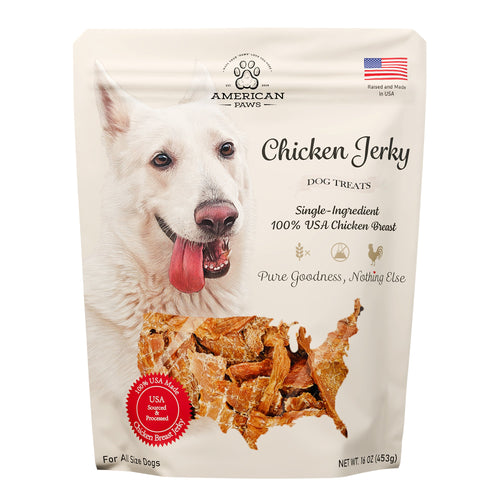
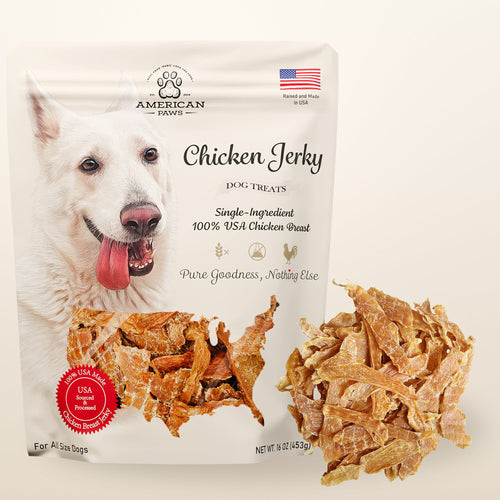
If the goal is a savory meat reward rather than bacon specifically, start with a product whose ingredients and calories can be checked. American Paws single-ingredient whole-cut chicken breast jerky contains 100% USA chicken breast, is slow-dried, and lists about 15 calories per full treat. The current strips are firm, irregular two-to-five-inch pieces, so break or snip a planned amount before training rather than handing over a full strip by default.
That product lists an 8% crude-fat minimum. It is easier to audit than an unknown bacon recipe, but it is not fat-free, a prescription low-fat diet, or automatically appropriate after pancreatitis. A dog restricted from chicken, fat, calories, firm textures, or non-prescribed extras should not receive it without veterinary approval.
The WSAVA treat guide recommends keeping all treats and extras together at no more than 10% of daily calories so complete and balanced food supplies at least 90%. Bacon, jerky, chews, toppers, training rewards, and table scraps share that one allowance. Our daily dog-treat calorie guide owns the calculation.
If you are sorting the rest of a breakfast plate, handle each food separately. Our plain cooked oatmeal safety guide covers water-only preparation, packet hazards, and portions. Oatmeal is not a bacon antidote, a pancreatitis treatment, or a substitute for veterinary care.
Frequently Asked Questions
Can dogs eat one piece of bacon?
Do not plan to serve it. If an otherwise healthy dog steals one small plain cooked piece and remains normal, prevent more access and monitor. Call for several strips, grease, a small or medically vulnerable dog, toxic seasoning, missing packaging, vomiting, pain, prayer posture, appetite loss, or marked lethargy.
Can dogs eat bacon grease?
No. Grease is a concentrated fat exposure and should not be poured over food or used to encourage eating. Call the veterinarian after a meaningful amount, especially for a small dog, prior pancreatitis, a fat-restricted diet, or any vomiting, diarrhea, pain, appetite loss, or lethargy.
Can dogs eat turkey bacon?
Do not assume it is safe because the meat is turkey. Turkey bacon is still processed and products vary in fat, sodium, curing ingredients, smoke flavor, and seasonings. Read the full label after an accident, but choose a measured dog treat rather than making turkey bacon routine.
Is uncured bacon safe for dogs?
No. “Uncured” does not mean lean, low-sodium, unprocessed, or unseasoned. The fat and calorie load remains the central dog-health concern; read the complete curing and ingredient declarations after an accident rather than inferring safety from the front label.
Can dogs eat raw bacon?
No planned serving. Raw bacon retains the high fat and salt while adding raw-pork handling and pathogen concerns. Secure the meat and packaging, estimate the amount, and call for a large theft, a small or medically vulnerable dog, missing absorbent pads or plastic, or any signs. For plain cooked pork and the raw-pork rules, see our can dogs eat pork guide.
Skip Bacon and Choose a Measured Dog Treat
Bacon is not a useful dog reward. Fat and pancreatitis are the core concern; sodium can conflict with heart and kidney plans; and cured-meat labeling adds complexity without a canine benefit. One small plain theft is usually a monitor-and-prevent-more event, but a large portion, grease, toxic seasoning, packaging, pain, vomiting, lethargy, or abdominal changes deserves prompt veterinary help.
For future rewards, compare ingredients, calorie information, texture, and piece size across all current American Paws dog treats. Choose only a product that fits the individual dog, cut the reward small, and keep every extra inside the same daily budget.