
Can dogs eat pork? Yes, dogs can eat a small amount of plain, fully cooked, boneless lean pork. Pork is optional, however—not a nutritional requirement, a balanced meal, or an automatic match for every dog. Never offer raw or undercooked pork, cured pork such as bacon or ham, heavily seasoned pork, or pork bones.
If your dog already ate pork, do not stop at the word “pork.” Identify whether it was raw or cooked, plain or seasoned, lean or fatty, cured or fresh, and boneless or bone-in. Those details—not the animal species alone—determine the next step.
Can Dogs Eat Pork? The Quick Form Check
| Pork form | Routine choice? | Main concern |
|---|---|---|
| Plain, fully cooked, boneless lean pork | Possibly, as a tiny occasional extra | Calories, fat, tolerance, and diet fit |
| Raw or undercooked pork | No | Trichinella and foodborne bacteria |
| Bacon, ham, sausage, salami, or cured pork | No | Concentrated sodium, fat, and seasonings |
| Seasoned, glazed, sauced, or marinated pork | No | Onion, garlic, salt, fat, alcohol, sweeteners, or unknown ingredients |
| Raw or cooked pork bone | No | Choking, broken teeth, splinters, blockage, or internal injury |
| Pork broth | Recipe-specific | Sodium, onion, garlic, fat, and bone handling |
This page owns the general pork decision. Our dog-treat protein-source guide compares pork with other animal proteins without treating every cut or recipe as equivalent.
When Plain Cooked Pork Can Be an Occasional Bite
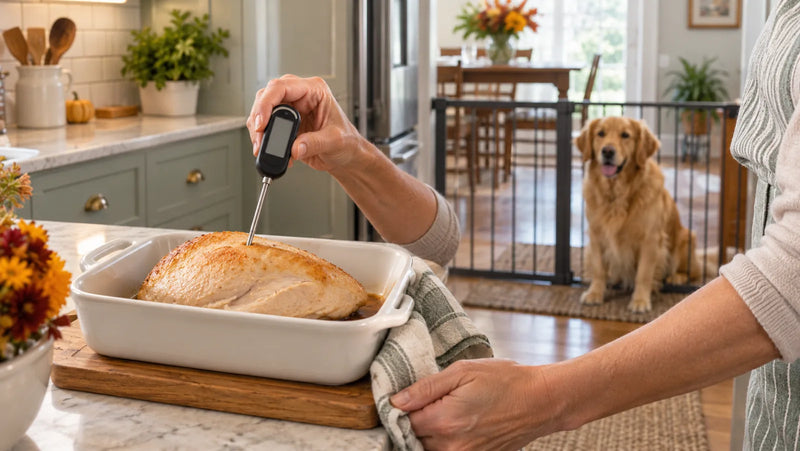
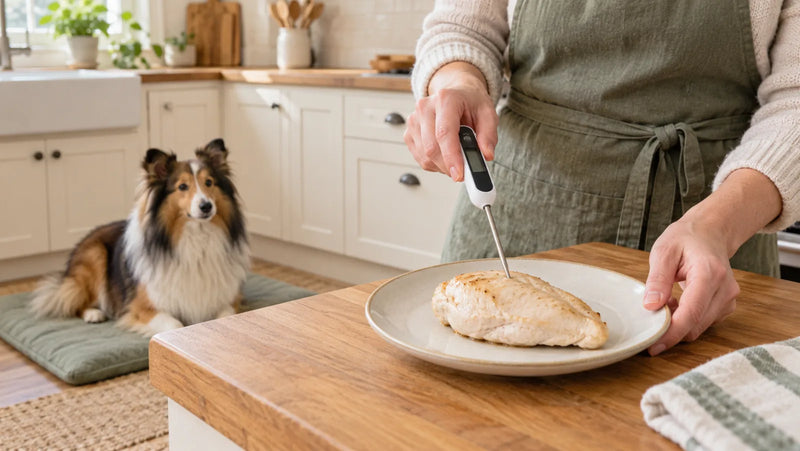
The narrow permission is simple: choose a lean piece of fresh pork, remove every bone, cook it completely, leave it unseasoned, trim obvious fat, cool it, and cut one tiny bite appropriate for the dog's mouth. Do not add salt, butter, oil, gravy, barbecue sauce, garlic, onion, spice rub, glaze, or pan drippings.
A bite of pork is an extra, not a substitute for complete and balanced dog food. Muscle meat alone does not provide the full nutrient profile a dog needs over time. A dog can receive adequate protein from a complete diet without table pork, so there is no reason to persuade a reluctant dog to eat it.
Introduce only one new food at a time. Stop and contact the veterinarian for repeated vomiting or diarrhea, marked lethargy, pain, facial swelling, hives, or breathing difficulty. Dogs with pancreatitis history, chronic digestive disease, obesity, food allergy, a prescription diet, or an elimination trial should not receive an improvised pork taste without veterinary approval.
Why Raw or Undercooked Pork Is Not Worth the Risk
Trichinella Is a Raw-Meat Risk, Not a Reason to Fear Properly Cooked Pork
Trichinellosis is caused by Trichinella worms carried in infected meat. The CDC's trichinellosis prevention guidance identifies raw or undercooked pork and wild game as risk foods, says cooking meat to safe internal temperatures is the best prevention, and specifically advises against feeding uncooked meat or scraps to animals.
This does not mean every piece of pork contains parasites or that fully cooked pork is inherently poisonous to dogs. It means raw or undercooked contaminated meat can transmit infection, and appearance alone cannot verify safety. Salting, drying, smoking, or microwaving meat by itself is not a dependable substitute for complete cooking. Wild boar and other wild game deserve particular caution, and freezing does not reliably solve every wild-game parasite risk.
Do not try to calculate a home “safe raw amount.” If a dog ate raw or undercooked domestic pork or wild boar, call the veterinarian with the source, cut, amount, time, packaging, dog's weight, and current signs. Advice may differ according to exposure and local risk.
Raw Meat Can Also Carry Harmful Bacteria
Parasites are not the only concern. The FDA's pet-food handling guidance says raw pet food is more likely than processed pet food to contain harmful bacteria such as Salmonella and Listeria monocytogenes. The agency identifies not feeding a raw diet as the single best way to prevent infection from those foodborne bacteria.
Raw-meat handling can also spread contamination to people, counters, utensils, bowls, and other food. Keep raw pork separate, wash hands with soap and water after handling it, clean contacted surfaces and utensils, and do not let a pet lick faces after a raw exposure. A dog may carry bacteria without dramatic symptoms, so “he looked fine last time” is not a safety test.

Bacon, Ham, Sausage, and Cured Pork Are Different Foods
Plain fresh pork and cured pork are not interchangeable. Bacon, ham, sausage, pepperoni, salami, and similar products can combine high sodium, concentrated fat, smoke flavor, preservatives, sugar, garlic, onion, or other seasonings. Their familiar pork base does not make the complete product a suitable dog treat.
Fatty food can cause digestive upset and is a particular concern for dogs with pancreatitis or a veterinarian-prescribed low-fat diet. Excess sodium can affect thirst and fluid balance, but one stolen crumb should not automatically be labeled salt poisoning or pancreatitis. The product, amount, dog's size and health, access to water, timing, and symptoms matter.
For the ingredient-specific decisions, use our bacon-specific dog safety guide and ham-specific dog safety guide. They own those cured-meat questions; this page does not turn their answers into a rule about every plain pork cut.
Pork Bones Are Never a Safe Leftover
Do not give dogs pork bones, whether raw or cooked. The AKC's pork-bone safety guidance warns that pork bones can splinter or crack during chewing. Pieces may cause choking, intestinal blockage, or injury to the esophagus or intestines. Hard bone can also fracture teeth, and a large dog may try to swallow a smaller bone whole.
Cooking makes many bones drier and more brittle, but “raw” does not make a pork bone safe. Remove the bone before cooking or serving any optional pork taste, account for discarded bones after the meal, and use a secured trash container.
Choking, trouble breathing, blue or gray gums, collapse, or severe distress requires an emergency clinic now. After a swallowed bone, call promptly for case-specific advice, especially if the amount is uncertain or the dog develops repeated vomiting, retching, abdominal pain, a tense belly, appetite loss, lethargy, bloody stool, or difficulty passing stool.
Do not induce vomiting or try to push a bone through with bread, pumpkin, oil, fiber, or a bulky meal. A sharp object can cause additional injury while coming back up or moving through the digestive tract.
Seasonings and Sauces Can Change the Answer
A plain pork chop can become a different exposure after a rub, marinade, glaze, gravy, stuffing, or sauce. Check the full recipe and packaging for onion, garlic, excessive salt, butter or oil, spicy ingredients, alcohol, chocolate, raisins, and sugar-free sweeteners. Pan drippings and gravy may concentrate fat and seasoning even when the visible meat looks plain.
If the ingredients are unknown, do not assume restaurant pork is unseasoned. Save the menu description, recipe, label, or leftover package. A credible onion, garlic, alcohol, chocolate, raisin, or xylitol exposure deserves prompt veterinary or poison guidance rather than a guessed home threshold.
What About Pork Chops, Tenderloin, Ground Pork, and Pork Rinds?
- Pork chop: Only the fully cooked, unseasoned, boneless lean meat qualifies for a tiny taste. The bone, fatty edge, glaze, and pan seasoning do not.
- Pork tenderloin or loin: A lean, fully cooked, plain, boneless piece can fit the narrow permission. Trim visible fat and cut it small.
- Ground pork: Cook it completely and drain excess fat. It must be plain and free from sausage seasoning, onion, garlic, salt, and sauce.
- Pulled pork: Most prepared versions contain barbecue sauce, sugar, salt, smoke flavor, onion, garlic, and fat. Do not share unless every ingredient and the plain preparation are verified.
- Pork rinds or cracklings: Skip them. They are generally fried or rendered, fatty, salty, and seasoned, with no need in a dog's diet.
- Pork broth: It is recipe-specific, not automatically safe because it is liquid. Our pork bone-broth guide covers sodium, seasoning, fat removal, bone straining, and portion boundaries.
How Much Plain Cooked Pork Can a Dog Have?
There is no nutritional reason to build toward a pork serving. For a healthy adult dog trying verified plain, fully cooked, boneless lean pork, begin with one tiny piece matched to the dog's mouth and swallowing style. Wait and watch tolerance instead of offering a plate.
All table foods and dog treats share one extra-calorie allowance. Our daily treat-calorie guide explains how to calculate that budget with a veterinarian. A commonly used 10% ceiling for extras is a maximum planning boundary, not a pork target and not permission to fill the full allowance with muscle meat.
Puppies have little room for nutritionally incomplete extras during growth. Toy dogs also use a calorie budget quickly, while gulpers need especially small pieces. Pregnant or nursing dogs and dogs with medical or prescription diets should follow their veterinary nutrition plan rather than a generic size chart.
What to Do If Your Dog Ate Pork
- Secure the food and leftovers. Prevent more access and account for bones, skewers, foil, plastic wrap, sauce containers, and trash.
- Identify the form. Was it raw, undercooked, plain, fatty, cured, seasoned, sauced, bone-in, wild boar, or an unknown restaurant recipe?
- Record the facts. Note the dog's weight, amount eaten, bone count, ingredients, doneness, source, time, and current symptoms. Save the label or recipe.
- Use the highest-risk component. Breathing trouble is an emergency. A swallowed bone, raw wild game, a large or uncertain raw-meat exposure, toxic seasoning, missing skewer or wrapper, or significant symptoms deserves prompt professional guidance.
Call your veterinarian or an emergency clinic for repeated vomiting or diarrhea, severe lethargy, pain, a swollen or tense abdomen, retching, blood, tremors, weakness, incoordination, trouble swallowing, breathing changes, or collapse. Do not wait for every possible sign to appear after a known bone or toxic-ingredient exposure.
Do not induce vomiting or give peroxide, salt, oil, milk, bread, charcoal, fiber, a forced meal, or medication unless the professional managing the case directs it. Raw meat, a swallowed bone, a fatty meal, and onion-seasoned pork require different decisions.
Frequently Asked Questions
Can Dogs Eat Cooked Pork?
Yes, if it is fully cooked, plain, boneless, lean, cooled, and offered as one tiny occasional extra. Seasoning, sauce, fat, cured preparation, bones, and the dog's medical diet can change the answer.
Can Dogs Eat Raw Pork?
No. Raw or undercooked pork can expose dogs and households to parasites and harmful bacteria. If your dog ate it, call the veterinarian with the source, amount, timing, doneness, dog details, and symptoms.
Can Dogs Eat Pork Chops?
Only a small piece of the plain, fully cooked, boneless lean meat may be considered. Do not offer the bone, fatty edge, glaze, gravy, garlic, onion, or pan seasoning.
Can Dogs Eat Pork Bones?
No. Raw and cooked pork bones can crack or splinter and may cause broken teeth, choking, esophageal injury, or intestinal blockage. Call the veterinarian after a swallowed bone; do not induce vomiting.
Can Dogs Eat Ground Pork?
Plain ground pork must be cooked completely and drained of excess fat. Sausage, meatballs, dumpling filling, and seasoned ground pork are different recipes and may contain salt, garlic, onion, fat, or other unsuitable ingredients.
Can Dogs Eat Pork Fat or Pork Rinds?
Skip both. Fat trimmings and pork rinds are calorie-dense, can trigger digestive upset, and are poor choices for dogs with pancreatitis risk or a prescribed low-fat diet. Pork rinds are also commonly salty and seasoned.
Can Puppies Eat Pork?
Puppies do not need pork. Their limited stomach and calorie space should prioritize complete growth food and appropriately sized training rewards. Ask the veterinarian before adding table food, especially for a puppy with digestive signs or a prescribed diet.
Keep Pork Plain, Cooked, Lean, and Boneless
The answer to “can dogs eat pork?” is yes only within a narrow preparation rule: fully cooked, unseasoned, boneless, lean, and tiny. Raw pork, cured meat, fatty trimmings, sauces, seasonings, and bones each introduce a different preventable risk.
For a routine reward, a purpose-built dog treat with a clear label and measurable portion is easier to manage than leftovers. Explore current American Paws dog treats, introduce any new treat gradually, and follow your veterinarian's advice for your dog's complete diet and health.