
Can dogs eat eggnog? No—do not deliberately give a dog either alcoholic or alcohol-free eggnog. Alcoholic eggnog is a true poisoning emergency. Even an alcohol-free recipe can combine dairy, sugar and fat, nutmeg, and sometimes raw egg, so removing the alcohol does not turn this rich human drink into a dog treat.
If your dog drank alcoholic eggnog, or you cannot confirm whether alcohol was added, call now. Contact your veterinarian, an emergency clinic, or ASPCA Animal Poison Control at (888) 426-4435. The service is available 24/7, and a consultation fee may apply. Do not wait for wobbling, vomiting, cold skin, unusual sleepiness, or breathing changes.
Take the carton, recipe, bottle, or ingredient list with you. The exact product matters: a commercial pasteurized drink is not the same as homemade raw-egg eggnog, and a plain alcohol-free sip is not the same as a cocktail made with rum, bourbon, or brandy.
Can Dogs Eat Eggnog? No—Alcoholic Eggnog Is an Emergency
Alcohol can be absorbed rapidly, and the amount that produces serious illness depends on the drink's concentration, how much disappeared, the dog's size and health, whether food was in the stomach, and the time since exposure. Those variables belong in a veterinary assessment, not a home calculation. A symptom-free dog immediately after the spill has not been cleared.
| What happened | What to do |
|---|---|
| The eggnog contains rum, bourbon, brandy, another alcohol, or an alcoholic flavoring | Call a veterinarian, emergency clinic, or poison-control service immediately. Do not wait for symptoms. |
| You do not know whether the punch or eggnog contains alcohol | Treat the uncertainty as urgent. Save the recipe, carton, and bottles and call now. |
| The drink is confirmed alcohol-free, but the amount, ingredients, or dog's health makes you uncertain | Remove access, check the label and recipe, and call for case-specific advice. Alcohol-free does not mean appropriate. |
| A homemade recipe used raw or undercooked egg | Report that detail. Ask about Salmonella exposure and what signs and hygiene steps to monitor. |
| A large amount of nutmeg, ground spice, extract, or an unknown topping is missing | Call promptly with the product and estimated amount. Nutmeg risk is dose-dependent. |
| The dog is wobbly, vomiting, very sleepy, cold, trembling, collapsed, seizing, or breathing slowly or with difficulty | Go to emergency veterinary care now. |
The ASPCA's holiday-season guidance specifically warns pet owners to keep alcoholic eggnog away from animals and notes that alcohol can lead to coma and death. “It was only a holiday drink” is not a reason to watch and wait.
Why Eggnog Is Risky for Dogs
Alcohol can cause life-threatening poisoning
Traditional adult eggnog may contain distilled spirits, and prepared punches can have more than one source of alcohol. Some flavor extracts also contain alcohol. Smell, color, or the fact that the drink tastes creamy cannot establish its strength.
The Merck Veterinary Manual's alcohol-toxicosis guidance lists vomiting, diarrhea, ataxia, disorientation, lethargy, tremors, breathing difficulty, hypothermia, seizures, coma, slow heart rate, and respiratory depression among possible findings. Veterinary care is supportive and guided by the individual case; there is no useful kitchen antidote.
Raw egg can carry Salmonella
Not every eggnog contains raw egg. Many commercial products use pasteurized egg ingredients, while homemade recipes may use raw, partly cooked, or fully cooked eggs. Ask what was actually used instead of treating the name “eggnog” as a recipe.
The FDA's pet Salmonella guidance warns that raw or undercooked eggs can carry the bacteria. Dogs can become ill, and an exposed pet can shed Salmonella and contaminate bowls, floors, fur, hands, and household surfaces even without obvious illness. Vomiting, diarrhea that may contain blood, fever, poor appetite, and decreased activity deserve veterinary attention.
Dairy can trigger digestive upset
Milk and cream are central to most eggnog. The ASPCA's people-food safety guide explains that pets may lack enough lactase to break down lactose and can develop diarrhea or other digestive upset. Sensitivity varies: dairy is not automatically a poison, but it is also not reliably tolerated.
A dog with a previous dairy reaction, chronic gastrointestinal disease, pancreatitis history, a fat-restricted plan, or a prescription or elimination diet has even less reason to sample a creamy holiday drink. Do not use another dog's experience to predict this dog's response.
Sugar and fat add an unnecessary load
Eggnog is designed as a rich dessert beverage. Ordinary sugar is not xylitol, but a concentrated mix of sugar and fat adds calories and may worsen nausea, vomiting, diarrhea, gas, or abdominal discomfort. One lick does not automatically cause obesity, diabetes, dental disease, or pancreatitis; repeated or large servings are simply an avoidable choice.
If a product is sugar-free, inspect every sweetener. Sugar-free syrup, whipped topping, or drink mix may use xylitol, although not every sugar-free product does. Confirmed xylitol or an unidentified sweetener in a sugar-free add-in requires an immediate veterinary or poison-control call.
Nutmeg is dose-dependent but never a dog seasoning
Nutmeg is a classic eggnog garnish. The American Kennel Club's nutmeg guidance identifies myristicin as the concerning compound and explains that effects depend on the amount. A dusting left in an otherwise confirmed alcohol-free lick is not the same exposure as chewing whole nutmeg, reaching a spice jar, or drinking heavily spiced homemade concentrate.
That distinction prevents panic without turning nutmeg into an approved ingredient. Do not deliberately feed any of it. Report a large, concentrated, or unknown exposure, especially with vomiting, disorientation, increased heart rate, dry mouth, abdominal discomfort, tremors, seizures, or other neurologic changes. Our gingerbread and nutmeg guide covers that spice in its other common Christmas setting.
Toppings and add-ins can change the emergency
Whipped cream, chocolate shavings, coffee, sugar-free syrups, raisins, and alcohol-soaked garnishes each introduce a separate question. Inventory the finished drink rather than naming only its base. A clean carton does not describe what a host mixed into the punch bowl.
Also account for packaging and serving objects. A missing foil seal, bottle cap, plastic stirrer, straw, broken cup, or decorative pick may create a choking, mouth-injury, or foreign-body risk independent of the drink.

My Dog Drank Eggnog: What Should I Do?
1. Remove access and identify the exact drink
Move the pitcher, cup, garnish, bottles, carton, and cleaning cloths out of reach. Keep labels and photograph the recipe if someone else prepared it. Ask directly whether rum, bourbon, brandy, liqueur, flavor extract, or another alcohol was added. “Homemade” and “traditional” are not complete ingredient lists.
2. Estimate the maximum amount and time
Give the professional a useful worst-case estimate. Include:
- The dog's weight, age, medical conditions, medications, and current diet restrictions
- The product name, complete ingredient list, alcohol type and percentage when known
- Whether eggs were raw, pasteurized, or cooked
- The fullest the cup or pitcher could have been and how much remains
- The earliest and latest possible exposure time
- Every topping, syrup, spice, wrapper, cap, stirrer, or broken object that could also be missing
- Current behavior, temperature concerns, breathing changes, and when each sign began
Do not shrink the estimate to make it feel less alarming. Saying “up to half a cup” or “the amount is unknown” helps the veterinary team build a safer plan.
3. Call now for alcohol, unknown ingredients, or symptoms
For confirmed or possible alcohol, call before driving unless the dog is already collapsing, seizing, unable to breathe normally, or otherwise needs immediate transport. The clinic or poison-control professional can tell you what to bring and whether the nearest emergency hospital is the correct destination.
For confirmed alcohol-free eggnog, a tiny lick in an otherwise healthy dog is generally a different triage category, but it is not permission to serve more. Call if the amount is more than a lick, ingredients are unknown, the dog is small or medically vulnerable, raw egg or concentrated nutmeg was involved, an object is missing, or any sign develops.
4. Do not induce vomiting or give home remedies
Do not give hydrogen peroxide, salt, oil, milk, bread, charcoal, coffee, a cold bath, or a forced meal unless a veterinarian or poison-control professional gives case-specific instructions. A sleepy or uncoordinated dog can aspirate vomit, and forcing liquids does not “dilute” absorbed alcohol. Keep the dog away from stairs and open water, keep the environment comfortably warm, and follow the professional's transport instructions.
Warning Signs of Alcohol Poisoning in Dogs
Alcohol effects can appear after the incident, so do not use the absence of signs as a reason to postpone a call. Watch for and report:
- Ataxia or incoordination: wobbling, stumbling, swaying, falling, or difficulty standing
- Gastrointestinal signs: vomiting or diarrhea
- Behavior and neurologic changes: disorientation, marked lethargy, unusual sleepiness, tremors, seizures, collapse, or coma
- Hypothermia: an abnormally low body temperature, cold extremities, weakness, or reduced responsiveness
- Respiratory depression: slow, shallow, irregular, labored, or otherwise abnormal breathing
These signs can have more than one cause and cannot identify the drink's ingredients from home. They do show that the dog needs emergency veterinary care. Bring the label or bottle and do not let a weak or wobbly dog walk unassisted.
Is Alcohol-Free Eggnog Safe for Dogs?
No. “Alcohol-free” answers one urgent question but does not make eggnog nutritionally appropriate. Milk or cream may upset a lactose-sensitive dog, sugar and fat add a rich calorie load, nutmeg and other spices need review, raw egg may add Salmonella risk, and sugar-free add-ins may change the toxicology.
A tiny accidental lick of a verified alcohol-free commercial product may produce no sign in a healthy dog. Remove it, check the label, and monitor under veterinary guidance when appropriate. Do not turn that likely lower-risk accident into a planned serving, and do not assume a punch bowl is alcohol-free because the base carton was.
Raw Egg, Pasteurized Egg, and Homemade Eggnog
Recipe details matter. The FDA's raw-shell-egg food-safety guidance recommends pasteurized eggs or egg products for eggnog that will not be thoroughly cooked. Pasteurization reduces microbial risk; it does not remove alcohol, dairy, sugar, fat, nutmeg, or other add-ins, and it does not convert eggnog into dog food.
If you want information about offering egg itself, keep the decisions separate. Our plain cooked egg guide covers unseasoned, fully cooked egg in an appropriate portion. It does not endorse raw eggnog, sweet custard drinks, or alcohol.
After raw-egg exposure, wash hands, clean the spill and bowls, keep the dog away from food-preparation surfaces, and be especially careful around young children, older adults, pregnant people, and anyone with a weakened immune system. Ask the veterinary team what signs to watch for and whether the household needs additional hygiene precautions.
A Safer Holiday Taste Than Eggnog
For a healthy dog that has already eaten dairy without gas, vomiting, diarrhea, or discomfort, a small spoonful of plain, unsweetened, xylitol-free yogurt can be a simpler holiday taste. Stop at one small spoonful; use less for a small dog. It must contain no nutmeg, alcohol, chocolate, syrup, artificial sweetener, or festive topping.
Skip even that option for a dog with a dairy reaction, pancreatitis history or risk, fat restriction, prescription or elimination diet, chronic digestive disease, or another veterinary restriction. Read our plain-yogurt guide before choosing a product—the yogurt page owns label checks, lactose tolerance, and the question of whether yogurt fits this individual dog.
For the rest of the plate, use the Christmas dinner guide for dogs rather than assuming every unseasoned-looking item is safe. The holiday dog-treat plan can help one adult manage rewards and guest sharing throughout the event.
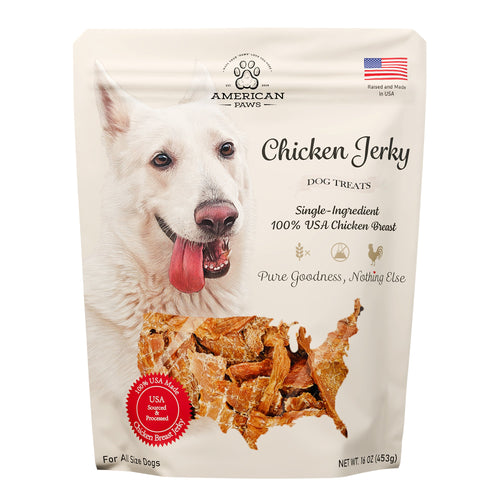
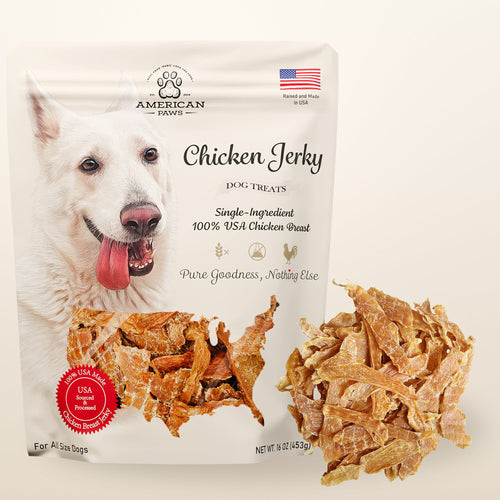
A purpose-made reward is easier to count than a communal drink. Browse current American Paws dog treats, check the product's actual ingredients and calories, and choose a texture and portion that fit your dog. American Paws does not make eggnog, and no treat replaces a complete and balanced diet.
Frequently Asked Questions
What if my dog licked a little eggnog?
First determine whether alcohol was present. If it was, or you cannot verify, call a veterinarian or poison-control service immediately even if the dog looks normal. For one tiny lick of a confirmed alcohol-free product, remove access, check the full ingredient list, and call if the dog is small, medically vulnerable, the recipe used raw egg or concentrated nutmeg, the label is unclear, or any symptom develops.
Can dogs have non-alcoholic eggnog?
No. Non-alcoholic eggnog avoids one poisoning hazard but remains a rich mix of dairy, sugar and fat, spices, and recipe-dependent egg. Sugar-free syrups or toppings can introduce additional concerns. Offer water and, when appropriate, a measured familiar dog treat instead.
Is nutmeg in eggnog poisonous to dogs?
Nutmeg can cause toxicity at sufficient doses because it contains myristicin, but risk depends on amount. Do not equate a tiny dusting with eating whole nutmeg or concentrated spice, and do not deliberately feed either. Call about a large or unknown exposure or any neurologic, heart-rate, gastrointestinal, or behavior change.
Can dogs drink homemade eggnog?
No. Homemade does not mean safer: the recipe may contain raw egg, alcohol, heavy cream, substantial sugar, concentrated nutmeg, or other add-ins. Keep the written recipe and bottles available if an exposure occurs so a veterinary professional can assess the actual ingredients.
Can dogs have plain yogurt instead?
Some healthy dogs that already tolerate dairy can have up to one small spoonful of plain, unsweetened, xylitol-free yogurt as an occasional taste. Skip it for dogs with dairy sensitivity, fat restrictions, pancreatitis concerns, prescription or elimination diets, or veterinary restrictions. Never add eggnog flavoring or nutmeg.
Keep Eggnog Off the Menu and Call Early
Set pitchers and cups behind a closed door or high secured barrier, not on a coffee table, floor, or chair arm. Clean spills immediately, keep used glasses and napkins out of reach, and make one house rule: no holiday drinks for the dog. If the dog reaches the eggnog, identify alcohol first, preserve the recipe and labels, estimate the maximum amount, and call early.
Choose the safe celebration now: give fresh water, use the qualified plain-yogurt option only when it truly fits, or select a familiar measured reward from American Paws' current dog-treat collection. For any confirmed or possible alcoholic eggnog exposure, call your veterinarian, an emergency clinic, or ASPCA Animal Poison Control at (888) 426-4435 immediately—do not wait for ataxia, vomiting, hypothermia, or respiratory depression.