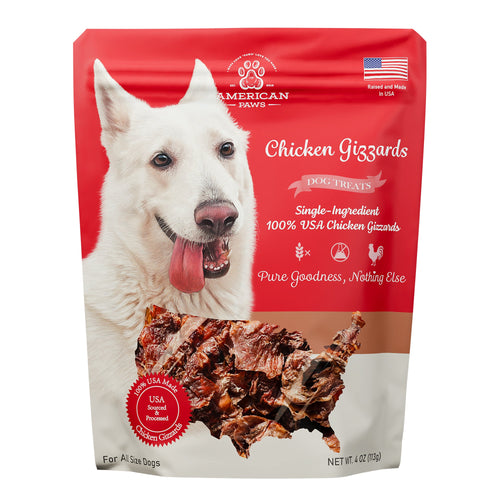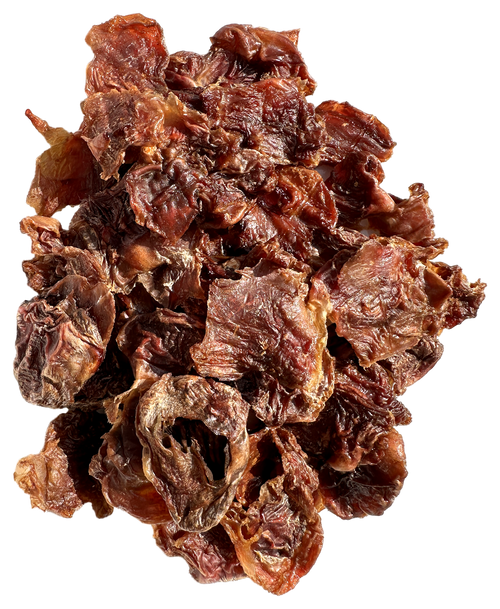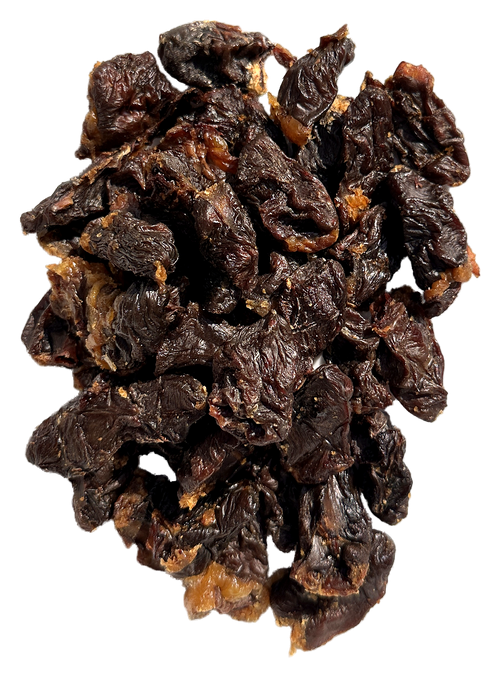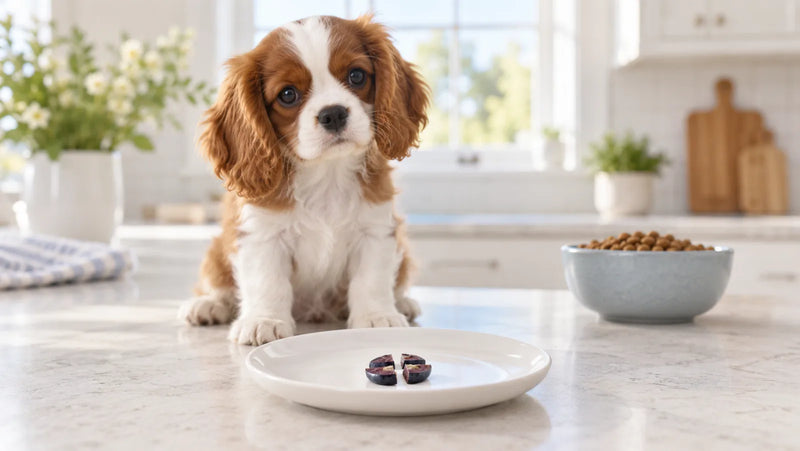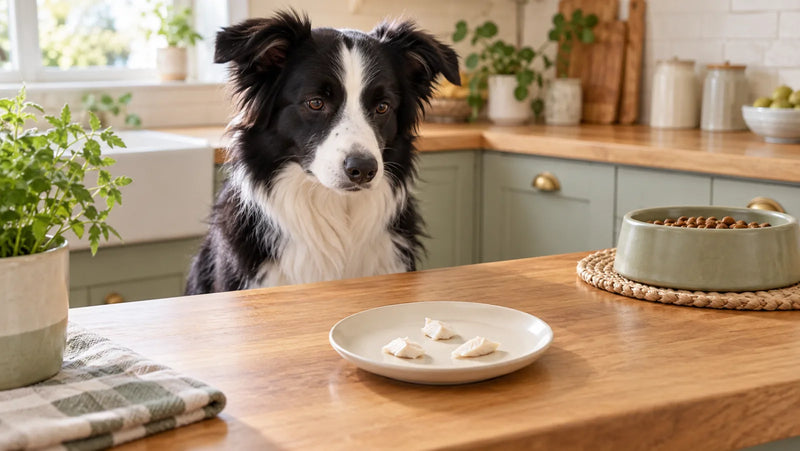

Learning how to cook chicken gizzards for dogs starts with three rules: handle raw poultry carefully, cook every thick piece to at least 165°F (73.9°C), and add no seasoning. Thaw the gizzards in the refrigerator, inspect and trim them, then simmer or slow-cook them in plain water. Cool them before cutting small pieces, refrigerate promptly, and count each piece as part of the day's treat allowance.
This guide owns the preparation method. For a closer look at nutrition, texture, and which dogs may need extra caution, see our separate answer on whether chicken gizzards are good for dogs.
How to cook chicken gizzards for dogs: the quick method
- Thaw safely. Defrost frozen gizzards in the refrigerator, never on the counter.
- Inspect and trim. Remove loose fat, connective tissue, visible grit, and any tough inner lining that the processor left behind.
- Do not splash raw juices. Keep raw poultry separate from ready-to-eat food and do not rinse it under a running faucet.
- Cook them plain. Cover with water and either gently simmer or slow-cook. Add no salt, oil, onion, garlic, broth cube, or seasoning.
- Verify the temperature. Test several of the thickest pieces with a food thermometer; each must reach at least 165°F.
- Cool, cut, and portion. Move cooked gizzards to a clean surface, let steam escape, then cut pieces that suit your dog's size and eating style.
- Chill leftovers. Refrigerate in a shallow covered container within two hours and use within three to four days.
Cooking time is only an estimate. Gizzard size, starting temperature, pot depth, batch size, and appliance performance all change how long the center takes to heat. Temperature—not color or the clock—is the safety gate.
What you need—and what to leave out
A simple setup keeps the process controlled:
- Raw chicken gizzards from a refrigerated or properly frozen package
- A dedicated or freshly sanitized cutting board
- A sharp knife and clean kitchen shears, if useful for trimming
- A saucepan with a lid or a slow cooker
- Plain water
- A thin-tip digital food thermometer
- A clean plate for cooked food and a shallow storage container
Leave out salt, butter, cooking oil, gravy, marinade, stock cubes, onion, garlic, and seasoning blends. The AKC's guidance on preparing plain chicken for dogs likewise advises avoiding salt, oil, onion, and garlic and cooking the meat thoroughly. A recipe designed for people is not automatically suitable for a dog just because the main ingredient is poultry.
Step 1: Thaw and prepare the gizzards safely
Thaw frozen gizzards in a leakproof container on the lowest refrigerator shelf so drips cannot reach other food. The USDA lists raw poultry giblets for only one to two days in a refrigerator at 40°F or below, so cook them promptly after purchase or thawing. If the package smells sour, feels unusually slimy, is swollen, or was held warm for an uncertain time, discard it rather than trying to cook away spoilage.
Inspect and remove any remaining inner lining
Most retail gizzards arrive cleaned and split. Even so, open each one and inspect the folds. Trim away loose fat and tough connective tissue. If the processor left a thick yellowish or greenish inner lining, peel or trim it off and discard it along with any visible grit. That lining is much tougher than the edible muscle and is not necessary for a dog treat.
Use a clean knife and work over a board that will be washed immediately. Move trimmed gizzards directly into the cooking vessel; do not place cooked food back on the plate or board that held them raw.
Do not rinse raw poultry under the faucet
“Cleaning” does not mean spraying gizzards in the sink. The USDA's chicken-handling guidance says washing raw poultry is not recommended because splashes can spread bacteria to the sink, counters, utensils, and nearby food. Rinsing does not destroy bacteria; proper cooking does.
Instead, drain the package carefully, pat excess moisture with disposable paper towel if needed, trim with controlled movements, discard the towel and packaging, then wash hands, board, knife, sink area, and any touched handles with hot soapy water. Sanitize food-contact surfaces according to the product directions you use at home.
Method 1: Simmer chicken gizzards on the stove
- Put the trimmed gizzards in a saucepan and add enough plain water to cover them by about an inch.
- Bring the water to a boil, then immediately lower the heat to a gentle simmer. A violent rolling boil is unnecessary.
- Partly cover the pan and simmer. Begin checking smaller gizzards around 45 minutes; many batches need 60 to 90 minutes to become tender.
- Stir or turn the pieces once or twice so they heat evenly.
- Insert a clean food thermometer into the thickest part of several large gizzards. Keep cooking until every tested piece reaches at least 165°F.
- If the gizzards are safe but still very chewy, continue simmering until a fork enters them more easily. Tenderness improves serving texture, but it never replaces the temperature check.
Add more hot water if the level drops below the gizzards. Do not top up with broth unless it is a dog-specific, verified onion-free and garlic-free product; plain water is easier and removes the label guesswork.
Method 2: Slow-cook thawed chicken gizzards
A slow cooker can soften gizzards with little attention, but start with fully thawed poultry. Arrange the trimmed pieces in the crock, cover them with plain water, put on the lid, and cook without seasoning. As a planning range, begin checking after about two to three hours on high or four to six hours on low. Appliance temperatures vary, so those times are not proof of doneness.
Test several thick pieces at the center of the batch. They must register at least 165°F before serving. Do not use a warm/hold setting to cook raw gizzards, do not open the lid repeatedly during early cooking, and do not rely on a recipe photo to judge safety.
Check 165°F, then cool before cutting
The USDA safe minimum temperature chart specifically includes poultry giblets at 165°F (73.9°C). Insert the thermometer from the side into the center of a thick gizzard so the sensing area is surrounded by meat rather than water or the pan. Check more than one piece because irregular shapes heat unevenly.
Move finished gizzards with clean utensils to a clean plate. Let them cool until they can be handled safely, but do not leave the batch at room temperature for more than two hours. Cutting after cooking keeps raw poultry juices away from the serving knife and makes the firm muscle easier to portion.
How small should you cut chicken gizzards?
Cut for the dog in front of you, not for the size of the original organ. A whole gizzard can be too large, rubbery, and easy to gulp. Slice across the grain, then turn strips into small, flat pieces. As a practical starting point:
- Toy and small dogs: pieces around 1/4 inch, or minced and mixed into food
- Medium dogs: pieces around 3/8 inch
- Large dogs: pieces around 1/2 inch, still offered one at a time
These are handling suggestions, not guaranteed anti-choking dimensions. Make pieces smaller for puppies, seniors, dogs with missing teeth, and fast swallowers. Supervise every first serving and stop if the texture causes gagging, repeated coughing, or difficulty chewing.

How much cooked chicken gizzard can a dog eat?
Start with one small cut piece, not one whole gizzard. Wait a day before offering more so you can notice loose stool, vomiting, itching, or discomfort. If it agrees with your dog, future portions still have to fit the total treat budget.
As a general ceiling, all treats and extras combined should usually stay under about 10% of daily calories; the complete diet supplies the other 90% or more. That percentage does not mean 10% chicken gizzard plus 10% biscuits plus 10% table scraps. Count everything together. Dogs with pancreatitis history, food allergies, prescription diets, kidney or liver disease, or calorie restrictions need veterinary guidance.
A gizzard is a muscular digestive organ, not the same tissue as heart or liver. Do not assume identical nutrients or portions across all three. Use the separate guides for chicken hearts for dogs and serving chicken liver, especially because liver needs its own vitamin-A moderation discussion.
How to store cooked chicken gizzards
Spread cooked pieces in a shallow clean container so they cool efficiently, cover, and refrigerate within two hours of cooking. Keep the refrigerator at 40°F or below. USDA storage guidance gives cooked chicken leftovers three to four days in the refrigerator. Label the container with the cooking date; when in doubt, throw it out.
For a larger batch, freeze measured portions as soon as they are cool. A tray freeze keeps pieces separate; after they are firm, transfer them to a dated freezer container. Thaw only the next portion in the refrigerator. Discard food with mold, a sour odor, tacky slime, gas in the container, or an uncertain time-temperature history.
Plain cooking water is optional, not a complete broth or meal. If you keep a little, cool it promptly, skim visible fat, and use only a small amount. Never share water that contains onion, garlic, salt, seasoning, stock concentrate, or drippings from a seasoned recipe.
Common chicken-gizzard cooking mistakes
- Rinsing raw gizzards under running water: this can spread contaminated droplets around the kitchen.
- Adding “just a little” seasoning: salt, onion, garlic, oil, and mixed spice blends are unnecessary and may be unsafe.
- Cooking by color alone: gizzards are dark meat, and appearance cannot confirm 165°F.
- Starting frozen gizzards in a slow cooker: thaw first so the batch heats more predictably.
- Serving whole pieces: the dense, chewy texture calls for deliberate cutting and supervision.
- Making organ meat the meal: a bowl of gizzards is not complete and balanced dog food.
- Leaving the pot out all afternoon: portion and chill leftovers within two hours.
Frequently asked questions
Do chicken gizzards need to be boiled before dogs eat them?
They do not need a hard boil specifically. Gentle simmering and slow cooking both work when the gizzards are plain and the thickest pieces reach at least 165°F. Moist cooking is useful because it can soften the dense muscle.
Can dogs eat the broth from boiled gizzards?
A small amount of plain, cooled cooking water may be used if it contains no seasoning and excess fat is removed, but it is not a balanced broth and is not necessary. Never use water or stock containing onion, garlic, salt, stock cubes, or sauce.
How long do cooked chicken gizzards last in the refrigerator?
Use them within three to four days when they were chilled within two hours and kept covered at 40°F or below. Freeze measured portions if you will not use them in that window.
Can puppies eat cooked chicken gizzards?
A weaned puppy may be able to try a tiny, finely cut piece after it is fully cooked and cooled, but puppy calories and nutrients must support growth. Ask the puppy's veterinarian before making organ meat a regular extra, and keep training rewards very small.
Plain preparation makes portioning easier
The best homemade batch is not complicated: safe thawing, controlled trimming, plain water, a verified 165°F center, small cuts, and prompt refrigeration. That workflow makes it easier to know exactly what your dog received and to stop before a useful reward becomes an oversized serving. For portion limits across all organs, see our guide to organ meats for dogs.
If home cooking is not convenient, compare ingredient lists and textures before choosing a ready-to-serve reward. Our single-ingredient dog-treat label guide explains what simple labeling can—and cannot—tell you. You can also browse our chicken jerky collection or compare all our dog treats; these are different formats from cooked gizzards, so choose and portion them by their own labels.