

cooking
How to Cook Turkey for Dogs: Plain, Boneless & Skinless — The Thanksgiving Method
Reserve a separate plain turkey portion before Thanksgiving seasoning, cook it to 165°F, remove every skin and bone hazard, and store measured portions safely.
Your Cart 0
Item added to your cart

The American Paws Journal
Expert guides, ingredient insights, and care tips from our team — for dogs and the people who love them.
Browse ArticlesBrowse by topic

chicken jerky
Learn why chicken jerky drying time varies, how thickness changes the checking schedule, why poultry must reach 165°F first, an...

black walnut
Walnut risk depends on type, mold, shell, recipe, and the dog. Learn how English and black walnuts differ, which signs are urge...

cat treats
A practical framework for comparing cat treats by purpose, ingredient statement, calories, texture, marketing claims, and the n...

beef jerky
Human beef jerky and purpose-made dog jerky are different decisions. Learn which label ingredients matter, what to do after a t...

aflatoxin
Many healthy dogs can have a tiny amount of plain, fresh, shelled, unsalted peanut. Learn which formats to avoid, how to portio...

autumn
Pumpkin spice is a variable blend, not plain pumpkin. Compare each spice and product format, then follow a label-first response...

chicken jerky
Compare softer reward formats for senior dogs, learn a practical texture test, soften measured portions safely, and respect den...
cat nutrition
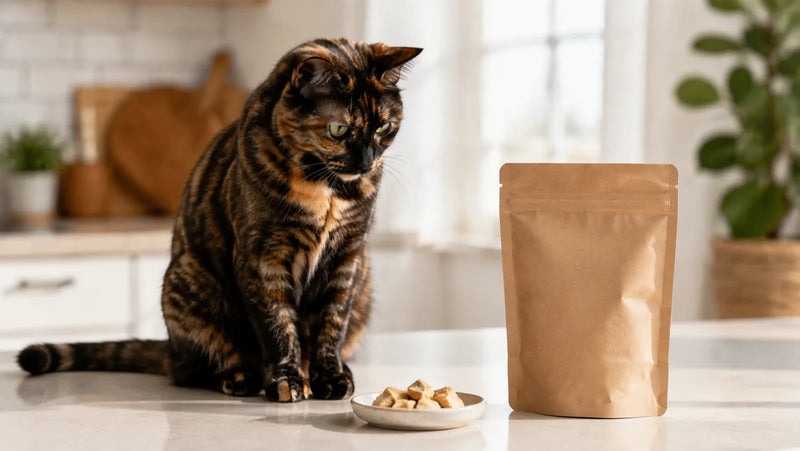
A practical label-first guide to choosing and serving freeze-dried treats for adult, senior, and picky cats, including portions...

dog safety
Xylitol can trigger rapid, life-threatening low blood sugar and later liver injury in dogs. Learn its alternate names, common s...

chicken jerky
Compare dehydrated and freeze-dried chicken treats, review the FDA jerky history, read labels, plan portions, and choose the ri...
cherries
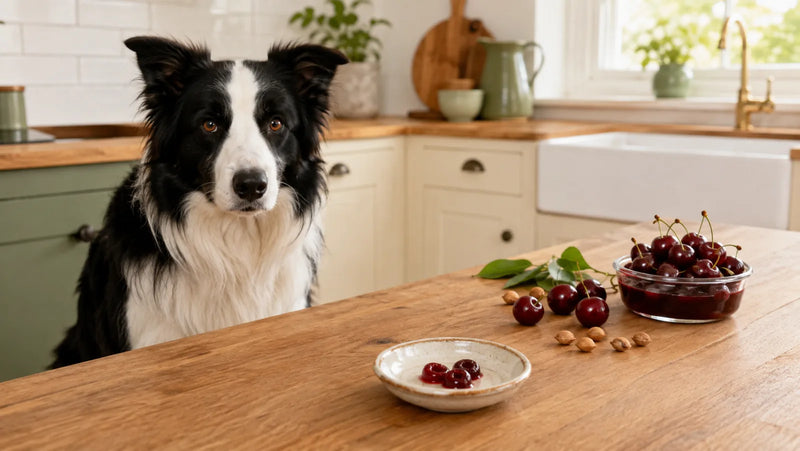
Only plain ripe cherry flesh is considered after every pit, stem, and leaf is removed. Learn how cyanogenic glycosides, pit obs...

coconut
A little plain, unsweetened coconut flesh is usually non-toxic, but coconut oil, milk, water, sweetened products, and the shell...
No articles in this topic yet.