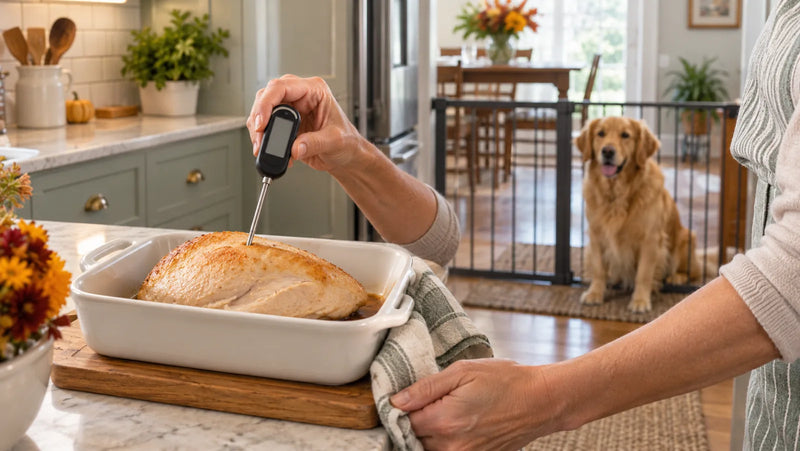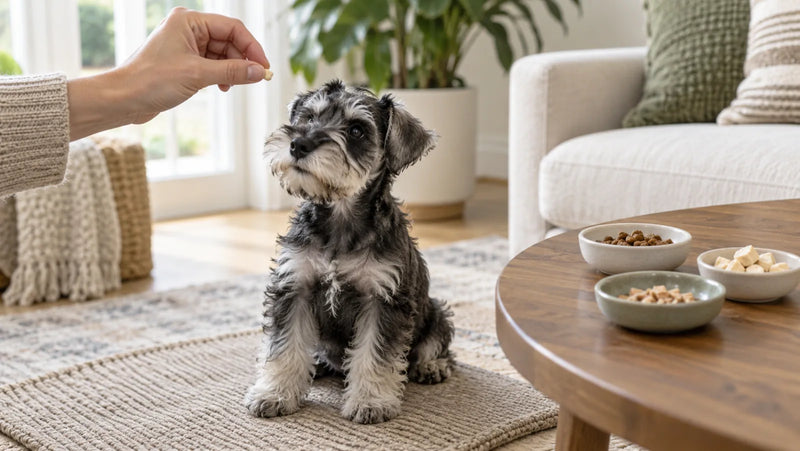

Yes—apples can be good for many healthy dogs when they are washed, cored, seeded, cut small, and served in a modest portion. If you are asking, “are apples good for dogs?” the useful answer includes both the benefits and the limits: apple provides fiber, vitamin C, moisture, and a crisp, naturally low-fat bite, but it also contains natural sugar and calories.
Apple is therefore an occasional treat, not a supplement, weight-loss food, or substitute for a complete diet. Dogs with diabetes, a veterinary weight plan, chronic digestive trouble, dental pain, or a prescription diet may need a different reward or an amount chosen with their veterinary team.
Are apples good for dogs? The balanced answer
For a healthy adult dog that tolerates fruit, a few small pieces of plain apple can add a different flavor and texture without the fat found in many rich table scraps. The fruit contains useful nutrients, and its water and crunch can make a tiny serving feel substantial. Those are fair benefits.
“Good” does not mean nutritionally necessary. Complete and balanced dog food is built to provide essential nutrients in appropriate amounts and relationships. Apple should not replace the main meal, correct a suspected deficiency, or take over the day's reward budget. Its most honest role is a small extra that fits around the real diet.
The serving format decides whether that simple idea stays safe. Remove the seeds, stem, and tough core, then cut the edible fruit for the dog's mouth and chewing style. This article focuses on benefits and portions. For the full permission answer, skin choices, detailed preparation, and accidental-ingestion steps, use our complete apple safety and preparation guide.
What benefits can apples offer dogs?
Fiber is concentrated in the peel
Apples contain dietary fiber, with a meaningful share in the peel. The American Kennel Club's apple guidance highlights that concentration and recommends moderation. For a dog that handles apple comfortably, leaving some washed peel on a thin slice preserves the fruit's natural texture and fiber.
Fiber is not automatically a digestive treatment. A little fruit may agree with one dog and cause gas, loose stool, vomiting, or constipation in another, especially when the portion is large or unfamiliar. Start with one tiny piece while the rest of the diet stays unchanged. Peel it for a dog that finds the skin hard to chew or digest, and stop if digestive signs appear.
Do not use apple to treat ongoing diarrhea or constipation. Those signs can have many causes, and adding fruit may delay a useful diagnosis. Repeated vomiting or diarrhea, blood, pain, bloating, lethargy, or appetite loss belongs with a veterinarian rather than a produce experiment.
Apples contain vitamin C, but dogs do not need fruit as a supplement
Apple provides vitamin C and small amounts of other micronutrients. That is a property of the fruit, not proof that an apple slice “boosts immunity” or fills a dietary gap. The Merck Veterinary Manual's small-animal nutrition overview explains that dogs have life-stage-specific nutrient and energy needs and that good-quality complete and balanced diets prevent most nutritional disease.
That broader nutritional context matters. Adding more of a nutrient is not automatically better, and a grocery fruit is not formulated as a canine supplement. Apple can offer variety and a modest nutrient contribution while the main food continues to do the precise work.
A crisp, naturally low-fat treat still has calories
Plain fresh apple is naturally low in fat and lower in calorie density than many buttery, oily, or meat-heavy human snacks. That can make a tiny apple portion a practical change of pace for some healthy dogs. It does not make a whole apple a low-calorie serving.
Natural sugar still contributes energy. Piece size also changes quickly: two thin cubes are not the same serving as two large wedges, and an entire apple can be a major extra for a small dog. Dried apple is more concentrated after water is removed, while pie, caramel apple, sweetened chips, cider, and baked desserts can add sugar, fat, salt, spices, or unsafe ingredients.
If weight loss is the goal, “fruit” is not a free category. The veterinary calorie target, the dog's body condition, and everything else eaten that day matter more than a healthy-sounding label.
Do apples clean a dog's teeth?
An apple's crisp texture may lightly rub the surface of a tooth during chewing, and that tactile crunch is part of its appeal. It is not a toothbrush, tartar remover, or dental treatment. AKC's guidance makes the same distinction: chewing apple may help reduce plaque slightly, but regular brushing and professional veterinary dental care remain necessary.
Peel can also lodge between teeth, while a firm or cold piece may be uncomfortable for a dog with loose teeth, fractures, gum disease, or recent oral surgery. Use small, thin pieces and choose a softer reward when dental health makes crunch a poor fit. Never hand over the core as a “natural chew.”
The seeds and core still need to come out
Apple seeds contain cyanogenic glycosides
The nutritional benefits of the flesh do not make every part of an apple suitable for dogs. The ASPCA identifies cyanogenic glycosides in apple seeds, stems, and leaves. When seeds are chewed or ground, those compounds can release cyanide. Remove every seed before serving rather than trying to calculate a safe number.
That warning should be accurate, not frightening. The ASPCA Animal Poison Control Center's fall-toxin guidance notes that a couple of accidentally swallowed seeds are unlikely to cause a problem, especially when they were not chewed. A few intact seeds are not the same exposure as deliberately feeding cores or a large amount of crushed seed.
The core and stem create a physical hazard
The hard core and stem also matter apart from seed chemistry. They can be choking hazards, and a swallowed chunk may contribute to a gastrointestinal blockage. Cut the edible flesh away from the core instead of giving a dog a whole apple to dismantle.
If a dog swallowed the core, many chewed seeds, stems, or leaves, note what was eaten, roughly how much, when it happened, and the dog's size. Contact a veterinarian or the ASPCA Animal Poison Control Center at 888-426-4435 for case-specific advice. Difficulty breathing, collapse, repeated vomiting, abdominal pain or swelling, unproductive retching, or marked lethargy needs urgent veterinary attention. Do not induce vomiting unless a veterinary professional directs it.
How much apple can a dog eat?
Start with less than the dog would happily accept. Apple varieties, cube sizes, and individual calorie needs vary, so no piece count is a universal dose. These deliberately modest examples are cautious first portions for a healthy adult dog whose veterinarian has not restricted fruit:
| Dog size | Cautious starting portion | Serving note |
|---|---|---|
| Under 20 lb | 1–2 tiny cubes | Cut each smaller for a toy dog or fast gulper |
| 20–50 lb | 2–3 small cubes | Offer one piece at a time |
| Over 50 lb | 3–4 small cubes | Keep the cubes modest despite the dog's size |
These are starting examples, not daily targets or maximum permissions. One thin slice can be divided into several rewards, which is often more useful than increasing the amount. If the first taste agrees with the dog, repeat the same small portion on another day rather than automatically serving more.
Count apple inside the full daily treat budget
The World Small Animal Veterinary Association's treat guide recommends keeping treats below 10% of daily calorie intake while at least 90% comes from complete and balanced food. Ten percent is a ceiling for every extra combined, not an apple allowance.
Training rewards, chews, toppers, table bites, fruit, and dental products all share that same small space. Our daily dog-treat calorie guide shows how to think about the full budget. If the day's extras are already accounted for, the apple can wait.

How to serve apple without turning this into a safety guide
Wash, remove the core and seeds, then cut small
Rinse and scrub the apple under running water. Slice around the core, remove the stem and every seed, and check both sides of each piece. Cut the flesh into thin crescents or small cubes matched to the dog's mouth, teeth, and tendency to gulp. Supervise the first serving.
Peel is optional for many healthy dogs, but a dog with a sensitive stomach or trouble chewing may handle a peeled piece more easily. Peeling does not replace washing, and it does not make the core or seeds safe. Keep the preparation simple and the portion visible.
Fresh, chilled, or briefly frozen pieces
Fresh apple is easiest to inspect and portion. A chilled cube can add crunch on a warm day. If you freeze pieces, cut them first, freeze them separately, and let a rock-hard piece soften for a small dog, senior dog, fast gulper, or dog with dental disease. Frozen apple is not a teething tool or dental treatment.
Keep human apple foods out of the plan. Pie, turnover, caramel apple, juice, cider, sweetened dried fruit, and baked desserts can bring concentrated sugar or fat. Mixed recipes may also contain raisins, chocolate, macadamia nuts, nutmeg, or xylitol. A simple slice with known ingredients is easier to evaluate than a “sugar-free” product with a long label.
When apple may not be a good choice
Apple is optional. Ask the veterinary team before serving it routinely—or choose another reward—when a dog has:
- diabetes or another condition that requires consistent carbohydrate and meal timing;
- excess weight or a prescribed calorie-reduction plan;
- chronic vomiting, diarrhea, constipation, pancreatitis, or another gastrointestinal condition;
- a prescription, hydrolyzed, novel-protein, or elimination diet;
- dental pain, loose or fractured teeth, or trouble chewing and swallowing; or
- a history of reacting poorly to new foods.
A veterinarian may prefer measured kibble as rewards because it is already included in the diet, or a purpose-made treat with known calories and a more suitable texture. A generally safe food can still be the wrong fit for an individual care plan.
Other fruits dogs can eat in small portions
Fruit choices have different textures, sugar concentrations, removable parts, and serving risks, so there is no need to rank one as “best.” If apple is not the right match, these focused guides keep each decision separate:
- Banana benefits, sugar, and portions explains when a soft fruit fits, while our banana safety and serving guide handles peel and preparation.
- Use the blueberry portion and preparation guide for tiny berries and frozen serving choices.
- Read the watermelon seed-and-rind safety guide before sharing a high-water summer fruit.
- Our strawberry sugar and serving guide covers fresh berries, caps, frozen pieces, and sweetened products.
Whichever fruit you choose, plain and measured beats a mixed dessert. Introduce one new food at a time so any digestive reaction is easier to identify.
Frequently asked questions
Are green or red apples better for dogs?
Color is less important than preparation and portion. Choose a fresh apple, wash it, remove the core, stem, and seeds, and serve a few appropriately sized pieces. A sweeter variety is not automatically harmful, and a tart variety is not automatically low enough in sugar to ignore the treat budget.
Are apples good for overweight dogs?
A tiny piece may fit some veterinary weight plans because fresh apple is low in fat and less calorie-dense than many rich snacks. It is not calorie-free, and natural sugar still counts. Use the amount approved for the dog's plan or reserve part of the measured daily kibble for rewards.
Can dogs eat apples every day?
Most dogs do not need apple every day. Occasional small portions are easier to fit around training treats and other extras. If apple appears frequently, count its calories and ask the veterinary team whether it belongs in the dog's regular plan.
Are apples good for puppies?
A weaned puppy eating an appropriate complete growth diet may try one tiny, seedless, core-free piece if the veterinarian has not restricted extras. Cut it very small, supervise closely, and stop after one first taste. Training rewards, chews, and fruit still share the puppy's small treat budget.
What if my dog swallowed a few apple seeds?
A couple of intact accidentally swallowed seeds are unlikely to cause a problem, according to ASPCA guidance, but remove access and watch the dog. Call a veterinarian or animal poison-control professional for many seeds, chewed or ground seeds, a swallowed core, stems or leaves, a small dog, symptoms, or uncertainty.
Keep apple small, plain, and optional
Apples can be good for dogs because they offer fiber, vitamin C, moisture, and a crisp, naturally low-fat texture. The honest limits belong in the same answer: complete food supplies the nutritional foundation, natural sugar and calories still count, and the seeds, stem, and core never belong in the serving dish.
Start with one tiny seedless piece and let the dog's response and calorie plan decide whether apple appears again. American Paws does not make an apple product, so we will not send you to an imaginary flavor. For measured everyday rewards, browse all current American Paws dog treats, compare the real ingredient list, calories, texture, and piece size, and choose what fits your dog. When a health condition changes the rules, let the veterinary plan make the final call.