
Are chicken feet a choking hazard for dogs? They can be for dogs that gulp treats, swallow large pieces, chew frantically, or eat without supervision. For careful chewers, a properly dehydrated chicken foot can be a useful chew-style treat, but it should be matched to the dog's size and chewing style, served one at a time, and taken away if the dog tries to inhale it.
The safest answer is not a blanket yes or no. Chicken feet are different from cooked table bones, raw poultry parts, bully sticks, antlers, and tiny training treats. The real question is whether your dog chews slowly enough for the treat in front of them. This guide explains when chicken feet make sense, when to skip them, and how to reduce the risk if you choose to offer one.
Are chicken feet a choking hazard for dogs? The short answer
Chicken feet can be a choking hazard for dogs, especially if the dog is a gulper. A dog that crunches, pauses, and works the treat from the side of the mouth is a better candidate than a dog that grabs food and tries to swallow it whole. Size matters too: a chew that is small enough to disappear into the mouth without chewing is not a good match.
That does not mean every chicken foot is automatically unsafe. It means chicken feet should be treated like supervised chew treats, not like tiny reward bites. If your dog has a history of swallowing chews whole, guarding food, coughing while eating, or trying to finish treats before another pet gets close, choose a different treat format.
American Paws offers dehydrated chicken feet for dogs for pet parents who want a real chicken chew. They still require supervision, portion control, and common sense. If you are looking for softer chicken rewards instead, browse the wider American Paws chicken treats collection.
Why chicken feet can become risky
Most problems with chew-style treats come from the match between the treat and the dog. The same item that one dog patiently chews may be risky for another dog that gulps. Watch your own dog, not just the product category.
Gulping instead of chewing
Some dogs treat every reward like a race. They clamp down once or twice, then try to swallow. For those dogs, chicken feet may be the wrong shape and size. A long, grippy item can still become a choking risk if the dog tries to pull it into the throat before it is broken down.
If your dog routinely swallows bully stick ends, biscuit chunks, dental chews, or jerky strips before chewing them, do not assume chicken feet will be different. Use tiny training pieces or softer treats instead.
Pieces that are too small for the dog
A chicken foot that feels substantial for a small dog may be too small for a large dog with a wide mouth. The risk increases as the treat gets shorter, wetter, or easier to swallow in one piece. Remove the remaining piece before it becomes a rounded nub your dog can gulp.
Feeding without supervision
Chicken feet should not be left in a crate, yard, or dog bed for unsupervised chewing. Supervision lets you see whether your dog is chewing calmly, trying to swallow too much, or turning the treat into a small slippery piece. It also lets you separate pets so no dog feels pressured to hurry.
The U.S. Food and Drug Administration has warned pet owners to supervise dogs with bone-style chew treats and to contact a veterinarian if a dog has trouble after eating one. That same practical supervision mindset applies here: watch the chew, watch the dog, and remove anything that no longer looks safe.
Confusing dehydrated feet with cooked chicken bones
Do not treat cooked chicken bones and dehydrated chicken feet as the same thing. Cooked poultry bones can splinter and cause choking or digestive injury; the American Kennel Club explains why cooked chicken bones are dangerous for dogs. If you want the full cooked-bone safety breakdown, read our guide to cooked chicken bones and dogs.
Dehydrated chicken feet are prepared as treats, but they still deserve careful handling. They are not a free pass to feed any poultry bone, any kitchen scrap, or any hard chew without watching your dog.
Which dogs should skip chicken feet or use extra caution?
Chicken feet are not a fit for every dog. Skip them, or ask your veterinarian first, if your dog fits one of these categories:
- Known gulpers: dogs that swallow chews, biscuits, or jerky strips with little chewing.
- Dental pain or broken teeth: dogs that may chew awkwardly, guard food, or swallow early because chewing hurts.
- Very young puppies: puppies still learning chew control may do better with softer, smaller rewards.
- Dogs with food guarding: pressure around food can make a dog rush and swallow unsafely.
- Dogs on medical diets: pancreatitis history, digestive disease, allergies, or veterinary diet plans deserve individual guidance.
- Dogs that have had choking or obstruction issues: do not test a risky chew without veterinary advice.
Senior dogs are not automatically excluded, but dental comfort matters. A senior dog with strong teeth and calm chewing habits may handle a chew differently from a senior dog with missing teeth, gum disease, or mouth pain.

How to give dogs chicken feet safely
If your dog is a careful chewer and your veterinarian has not advised against chew treats, use a simple safety routine every time:
- Offer one chicken foot at a time. Do not scatter several pieces or let dogs compete over them.
- Choose a calm setting. Feed away from other pets, children, doorbells, and excitement.
- Watch the first few sessions closely. Look for steady chewing, not gulping or frantic swallowing.
- Hold or manage the end if needed. Some pet parents use a chew holder for bully sticks; the same idea can help prevent swallowable ends.
- Take away the last small piece. If the remaining portion becomes small, wet, or rounded, trade it for a tiny treat.
- Stop if your dog coughs, gags, guards, or rushes. Those are signs the format may not fit.
Start slowly. A dog does not need a chicken foot every day to enjoy the texture. Treats should stay within your dog's overall treat allowance, and rich or unfamiliar foods should be introduced in small amounts.
Dehydrated chicken feet vs raw chicken feet vs cooked bones
These three categories get mixed together online, but they carry different risks.
Dehydrated chicken feet are prepared as shelf-stable chew-style treats. They can still be a choking hazard for gulpers, but they avoid the kitchen-scrap problem of cooked bones and are easier for most households to store and serve. For more general benefits and feeding context, see our article on are chicken feet good for dogs.
Raw chicken feet bring raw-poultry handling concerns. The American Veterinary Medical Association discourages feeding raw or undercooked animal-source protein to cats and dogs because of pathogen risk. If you are specifically comparing raw and dehydrated options, read our guide to raw chicken feet for dogs.
Cooked chicken bones are the category to avoid. Cooking changes bone texture and can create sharp, brittle pieces. Do not feed roasted, boiled, grilled, fried, or leftover chicken bones from your plate.
How many chicken feet should a dog have?
There is no universal number that fits every dog. A chicken foot is a treat, not a complete meal, and the right frequency depends on your dog's size, calorie needs, digestion, dental status, and total treat intake.
For most dogs, occasional use is more sensible than daily use. Start with one supervised session and watch stool, appetite, chewing behavior, and comfort afterward. If the treat causes loose stool, vomiting, constipation, mouth discomfort, guarding, or frantic eating, stop feeding it and choose a simpler reward.
If you want a broader safety and benefit overview before deciding, start with our guide on can dogs eat chicken feet. If your main concern is quantity, keep treats under the general 10% daily calorie guideline and ask your veterinarian for dogs with medical conditions.
What to do if your dog swallows a chicken foot whole
If your dog swallows a chicken foot whole but is breathing normally, acting comfortable, and not trying to vomit, call your veterinarian for advice and monitor closely. Tell them your dog's size, the size of the chicken foot, whether it was dehydrated or raw, and when it happened.
Seek urgent veterinary care immediately if you see choking, repeated gagging, trouble breathing, blue or pale gums, repeated vomiting, a painful belly, severe lethargy, drooling, inability to settle, blood in stool, or signs your dog is trying to vomit but cannot. Do not reach deep into the throat unless you can clearly and safely remove an object; you can push it farther down or get bitten.
For future feeding, treat a whole-swallow incident as useful data. That dog has shown the chew may not fit their eating style. Switch to smaller, softer rewards or a treat you can break into tiny pieces.
Safer alternatives when chicken feet are not a fit
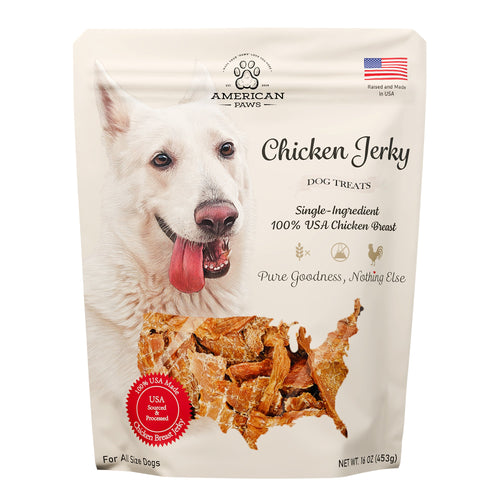
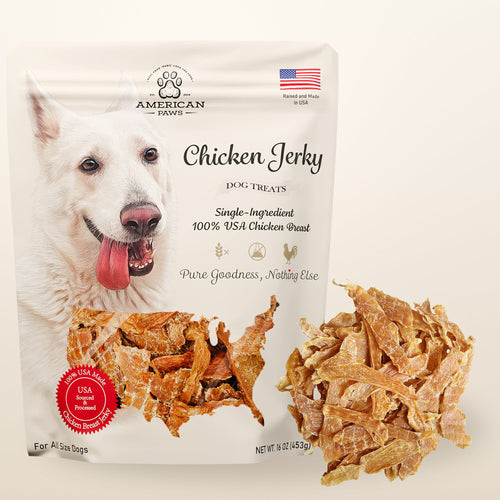
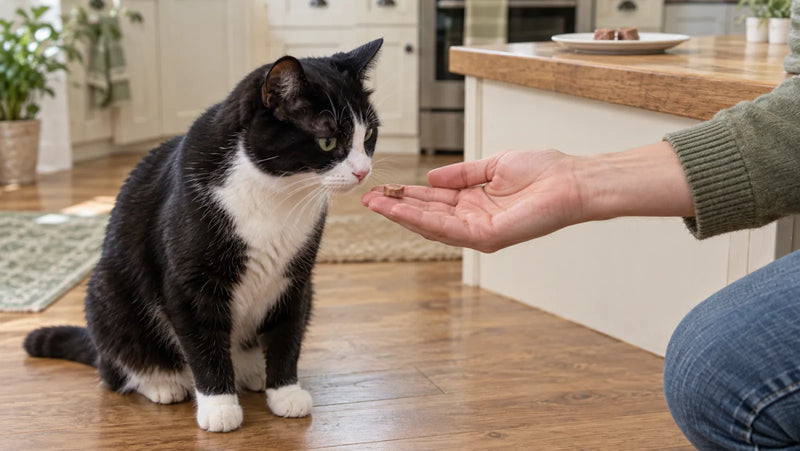
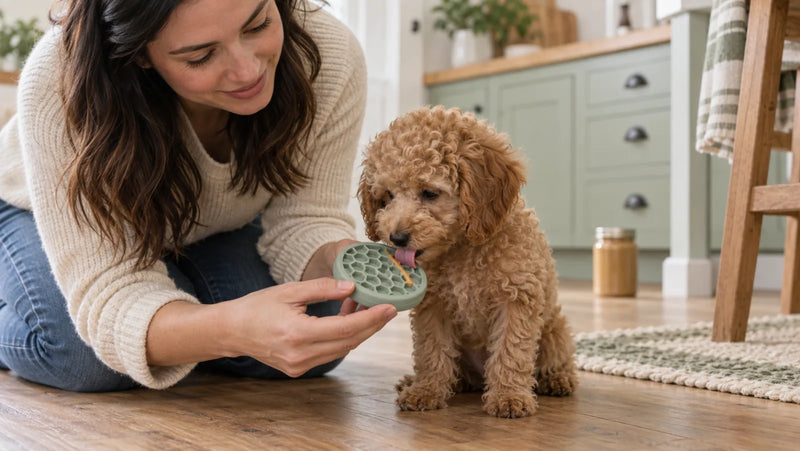
If chicken feet are not right for your dog, you still have useful options. Small freeze-dried pieces, tiny jerky bits, or softer training rewards can deliver aroma and motivation without giving the dog a whole chew to manage. These formats are often easier for puppies, small dogs, seniors with dental limitations, and dogs that gulp.
The goal is not to force every dog into the same treat. It is to choose the reward format that matches your dog's mouth, habits, and health. A calm chewer may enjoy a supervised dehydrated chicken foot. A fast gulper may do better with bite-size chicken or beef treats that disappear safely one piece at a time.
Frequently asked questions
Can small dogs have chicken feet?
Some small dogs can have chicken feet if they chew calmly and the treat is supervised, but small dogs are not all the same. Tiny dogs, puppies, and dogs with dental issues may need softer or smaller rewards. Remove the treat if the dog tries to swallow large pieces.
Are dehydrated chicken feet safer than cooked chicken bones?
Yes, dehydrated chicken feet sold as dog treats are different from cooked table bones. Cooked chicken bones should be avoided because they can splinter and create choking or digestive risks. Dehydrated chicken feet still require supervision and are not safe for every chewing style.
Should I cut chicken feet into pieces?
Cutting can create smaller pieces that are easier to swallow whole, so it is not always safer. For gulpers, a different treat format is usually better than cutting a chicken foot into bite-size chunks. If in doubt, ask your veterinarian.
Can puppies have chicken feet?
Many puppies do better with small, soft training treats while they learn chewing and reward manners. Ask your veterinarian before offering chew-style treats to young puppies, especially if they are teething, gulping, or on a specific diet.
Do chicken feet splinter?
Dehydrated chicken feet are not the same as cooked poultry bones, but any hard or chew-style treat can break into pieces. Watch your dog while chewing, remove small swallowable pieces, and avoid the treat if your dog crunches aggressively or gulps.
Choose the treat that fits your dog
Chicken feet can be useful for the right dog, but they are not a universal treat. If your dog chews calmly, start with one supervised dehydrated chicken foot and watch the whole session. If your dog gulps, rushes, guards, or has dental or medical concerns, choose a smaller reward from the chicken collection instead. The best treat is the one your dog can enjoy safely.