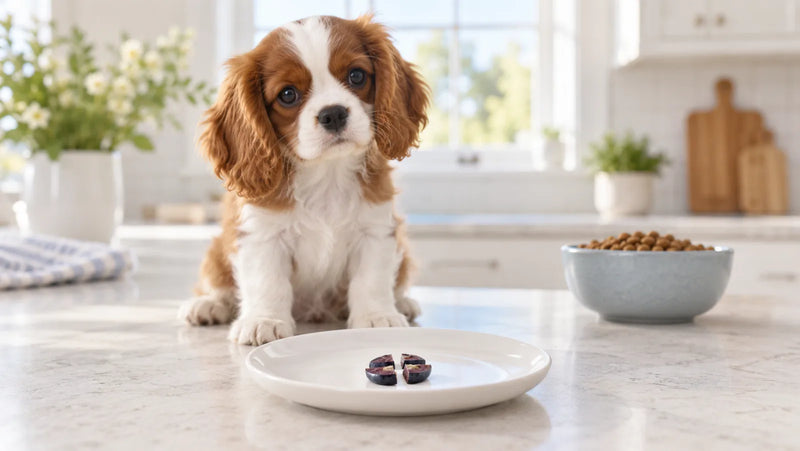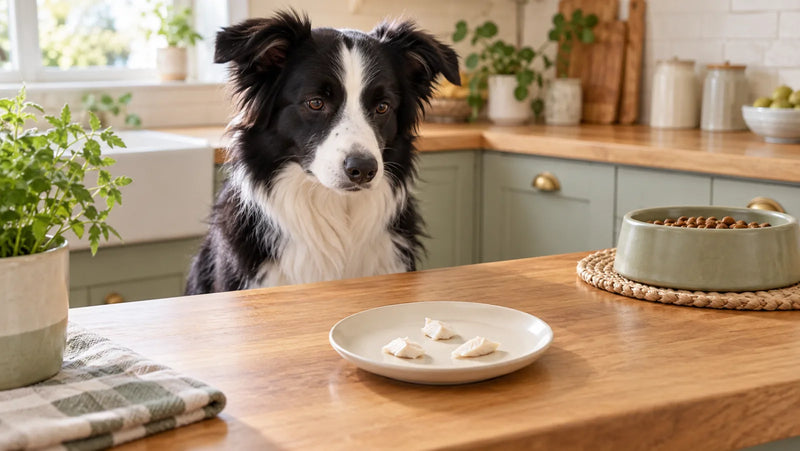

Beef liver treats for dogs come in three common forms: freeze-dried pieces are usually light, porous, crunchy, and easy to break; dehydrated pieces are commonly denser and firmer; baked products vary most because “baked” can describe either plain liver or a multi-ingredient recipe. Choose by the exact label, texture, break pattern, crumbs, storage directions, and how your dog will use the treat—not by the process word alone.
No format is automatically healthier, safer, cleaner, more aromatic, or lower in calories. Processing terms tell you something about how a product was made, but they do not replace the ingredient statement or an inspection of the treat in your hand.
Beef Liver Treats for Dogs: Quick Comparison
| Format | Typical texture | Common handling pattern | Potential fit | What to verify |
|---|---|---|---|---|
| Freeze-dried | Light, porous, crunchy | Often snaps easily; may leave fine crumbs | Rapid training rewards, breaking into tiny pieces, topper crumbs | Ingredient list, piece range, crumb level, storage directions |
| Dehydrated | Denser, firmer, sometimes chewy | May tear or require scissors instead of crumbling | A more deliberate reward when the exact piece is easy to portion | Thickness, chew time, breakability, ingredients, moisture handling |
| Baked | Ranges from crisp slices to firm recipe treats | May snap, flake, or crumble depending on recipe | Everyday treating when size, hardness, and ingredients fit the dog | Whether it is plain liver or a multi-ingredient formula |
These are shopping tendencies, not guarantees. A thick freeze-dried cube can be larger than a thin dehydrated chip. A baked single-ingredient slice can have a shorter label than a shaped freeze-dried recipe. Compare actual products, not idealized category descriptions.
Freeze-Dried Beef Liver Treats
Freeze-dried liver is commonly sold as lightweight, porous pieces with a dry crunch. Many pieces can be snapped or pinched into smaller rewards, which may help when a trainer needs fast delivery and does not want the dog chewing through a long pause. The same porous structure can create powder and small fragments at the bottom of the bag.
Crumbs are not automatically waste. If the label and dog's plan allow it, intact clean crumbs can be measured as a small food topper or used in an enrichment toy. They should still count as treats, and a powdery bag should not be treated as an invitation to pour without measuring.
Do not assume that every freeze-dried product contains only liver. Read the ingredient statement. Some products are single-ingredient organ meat; others may combine liver with another protein, binder, flavor, or recipe ingredient. “Freeze-dried” describes a process, not the number of ingredients.
Texture also varies within a bag and between batches of a natural product. Before choosing a large supply, test whether representative pieces break to the size you need, whether the dog eats them quickly, and whether the crumb level works in your pocket, pouch, home, or training space.
Dehydrated Beef Liver Treats
Dehydrated liver is often denser and firmer than a porous freeze-dried piece. Thin slices may snap; thicker pieces may bend, tear, or need clean kitchen scissors. That can suit a dog who enjoys a slightly slower reward, but it can interrupt high-repetition training if every piece takes time to divide or chew.
Look beyond the word “dehydrated.” Check the actual thickness, edge shape, hardness, and variation. A product that divides neatly in a demonstration may behave differently across a full bag. If you need tiny training portions, test several pieces before deciding that the whole format is portionable.
A denser piece is not proof of more meat, more nutrients, fewer calories, or longer shelf life per ounce. Those conclusions require item-specific information. Follow the package's storage and after-opening directions rather than assuming that “dried” means indefinitely shelf-stable.
Baked Beef Liver Treats
“Baked beef liver treats” is the broadest of the three labels. It may describe slices or small pieces made from liver alone, or a dough-style treat that includes liver with flour, egg, oil, broth, another protein, preservatives, or other ingredients. The front name cannot tell you which one it is.
Recipe and shape control the experience. A thin plain piece may be crisp and fragile. A small biscuit may be firm and tidy. A soft baked treat may be easy to divide but include more ingredients to create that texture. None of those designs is automatically good or bad; the right question is whether the complete formula and physical format match the dog and intended use.
For dogs with a known food sensitivity or an elimination-diet plan, never infer a single protein from the words “beef liver.” Read every ingredient and ask the veterinarian supervising the diet before introducing a new treat.

Texture, Aroma, Crumbs and Training Use Compared
A useful comparison happens in the intended setting. Open the package, inspect several pieces, and notice how the product behaves—not just how the first piece looks. Aroma can vary by product, age, package, and the human or dog evaluating it, so no process word guarantees a stronger smell.
Rapid training repetitions
For repeated cues, choose a format that becomes tiny pieces with little effort and is swallowed comfortably without a long chewing break. Light freeze-dried pieces often fit this job, provided the crumbs are manageable and the size can be controlled. A thin dehydrated or baked piece can work just as well if it divides cleanly.
Reward value belongs to the dog, not the label. One dog may become highly focused for beef liver; another may prefer a different protein or texture. Start with a small test and use the highest-value option for the hardest work rather than making every easy repetition equally rich.
Slower rewards and travel
A firmer dehydrated or baked piece may be useful when a slightly slower reward does not interrupt the task. For travel, compare residue, crushing, odor containment, reseal quality, and how easily the product can be carried without losing its identity or storage information. A firm treat that survives a bag may be more practical than a very fragile one, but test the exact package.
Never carry loose unidentified treats for so long that you cannot answer what they are, when they were opened, or how they should be stored. Keep the original label available and use a clean, dry, appropriately closed travel container for the amount needed.
Topper or enrichment use
Fine freeze-dried crumbs can be easy to distribute over food, while a dehydrated strip may be easier to place in an enrichment activity as a defined piece. The format does not turn a treat into a complete meal or supplement. Measure the amount, count it within the dog's total extras, and do not use liver to correct a suspected nutrient deficiency without veterinary guidance.
How to Read a Beef Liver Treat Label
Begin on the back, not with the largest words on the front. The FDA's animal-food labeling overview identifies federal basics including proper product identification, net quantity, the manufacturer or distributor's name and place, and a list of all ingredients. Ingredients generally appear by their common or usual names in descending order by weight.
- Read the complete ingredient statement. A single-ingredient beef liver treat should list beef liver and no second food ingredient. Check rather than inferring from the product name.
- Identify the format. Freeze-dried, dehydrated, and baked are useful only when the exact product texture supports your intended use.
- Review the guaranteed analysis and calorie information. Use the current package information where supplied; do not convert protein or fat percentages into a homemade calorie estimate.
- Read feeding and storage directions. Note any after-opening instruction instead of applying a rule from a different brand or format.
- Keep product identity. Retain the manufacturer, lot or date details, net weight, and package in case of a question or recall.
- Separate food claims from treatment claims. A treat can be enjoyable and nutritionally meaningful without being a cure, therapy, or replacement for veterinary care.
“Natural,” “premium,” “high protein,” or a photo of raw liver does not prove single-ingredient status. Likewise, a long ingredient list is not automatically unsafe; it simply requires the buyer to decide whether every listed ingredient fits the dog and the purchasing goal.
How Much Beef Liver Is Too Much?
Liver is concentrated in vitamin A, so repeated excess can be harmful; keep it a measured treat and use our dedicated beef liver amount and portion guide for that intent instead of guessing from this format comparison.
The amount question cannot be solved by format alone. A tiny freeze-dried fragment, a broad dehydrated slice, and a baked biscuit are not interchangeable units. The dog's size, usual diet, total treats, product calorie information, and health plan matter. Ask a veterinarian for an individual limit when liver is fed often, when the main food already includes organ meat, or when the dog has a medical or prescription-diet concern.
Readers researching nutrients rather than shopping format can use the separate benefits of beef liver for dogs overview and the focused freeze-dried beef liver benefits guide. Keeping benefits and amounts in their own pages prevents a buying comparison from turning into a dosing plan.
Match the Format to the Dog
Choose a treat the individual dog can take, chew, and swallow comfortably. A quick, enthusiastic dog may need very small pieces delivered with an open hand. A dog with dental pain, missing teeth, a history of gulping, or difficulty swallowing needs veterinary input and may not be a good match for a hard or awkward piece.
Introduce any new liver treat gradually. Offer one small piece, then watch the dog rather than immediately turning a new bag into a full training session. Stop and contact a veterinarian for repeated vomiting or diarrhea, marked lethargy, facial swelling, breathing trouble, collapse, or another concerning reaction.
Puppies have smaller calorie budgets and growth needs, so the beef liver for puppies guide owns the age and introduction question. Homes with both species should also read the separate cat and beef liver safety guide rather than using a dog portion for a cat.
What American Paws Offers
American Paws offers single-ingredient freeze-dried beef liver training treats made with 100% USA beef liver in Highland, California. The current product page describes small crunchy pieces that are easy to break into training portions and directs buyers to store the bag in a cool, dry place and reseal it tightly after opening.
That is one verified freeze-dried option, not a claim that every dog needs liver or that every American Paws product is single-ingredient. Check the product page and package at purchase time, introduce it gradually, and choose another protein if beef does not fit the dog.
The broader organ meats for dogs guide explains where liver, heart, and other organs differ. Shoppers comparing beyond liver can also browse American Paws dog treats without assuming that every item shares one formula, texture, or feeding direction.
Storage, Crumbs and Bag Bottoms
Follow the exact package first. FDA's pet food and treat storage guidance recommends keeping the original container or bag so the product name, manufacturer, UPC, lot number, and best-by information remain available if a problem occurs.
Keep dry treats cool, dry, and securely closed. Use clean dry hands or utensils. Do not mix a new bag into old unidentified crumbs. Discard a product that is wet, moldy, pest-exposed, foul-smelling, damaged, or inconsistent with its normal appearance, and retain the package details if you need to contact the maker.
Bag-bottom powder is still food. If it looks and smells normal, remains within the product's storage directions, and suits the dog's plan, measure it rather than free-pouring it. If its identity, age, or condition is uncertain, throw it away.
Frequently Asked Questions
Which beef liver treat format is best for training?
The best format breaks into tiny, quick-to-eat pieces that motivate the individual dog without creating unmanageable crumbs. Freeze-dried liver often fits that job, but a thin dehydrated or baked piece can also work. Test the exact product.
Are freeze-dried liver treats the same as dehydrated liver treats?
No. They use different moisture-removal processes and often have different textures. Freeze-dried pieces are commonly light and porous; dehydrated pieces are often denser and firmer. Actual products vary, so compare the label and treat.
Are baked beef liver treats single-ingredient?
Some are, while others are recipes containing liver plus additional ingredients. Only the complete ingredient statement can answer the question for a particular bag.
Do liver treats need refrigeration?
Use the storage directions on the exact package. Many commercial dry treats direct cool, dry, tightly closed storage, but a homemade or differently packaged baked product may have different requirements. Do not transfer one product's rule to another.
Can puppies have beef liver treats?
Many puppies eating solid food may be able to try a tiny amount, but growth, size, diet, stomach sensitivity, and health matter. Use the puppy-specific guide and ask the puppy's veterinarian when uncertain.
Can cats eat beef liver treats?
A tiny occasional amount of an appropriate plain product may fit some cats, but feline vitamin-A balance, total diet, treat calories, texture, and health require their own answer. Do not use a dog's portion as a cat serving.
Choose the Label and Texture You Can Verify
Start with one real bag, not a process stereotype. Read every ingredient, inspect several pieces, test breakability, note crumbs and chew time, follow the storage directions, and measure liver within the dog's full treat plan. The best format is the one whose facts and physical behavior fit your dog and the job you need it to do.
See American Paws freeze-dried beef liver training treats for a verified single-ingredient option made from 100% USA beef liver, with small crunchy pieces that can be broken into training rewards.