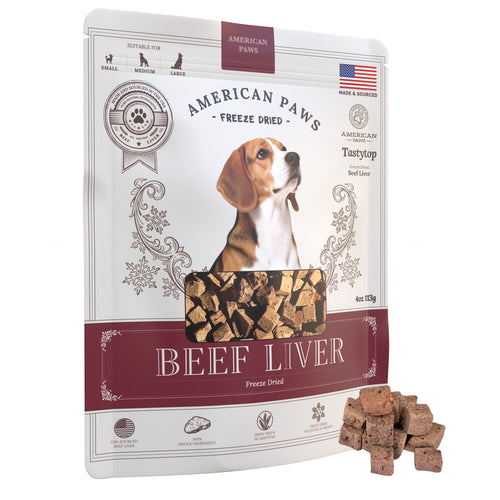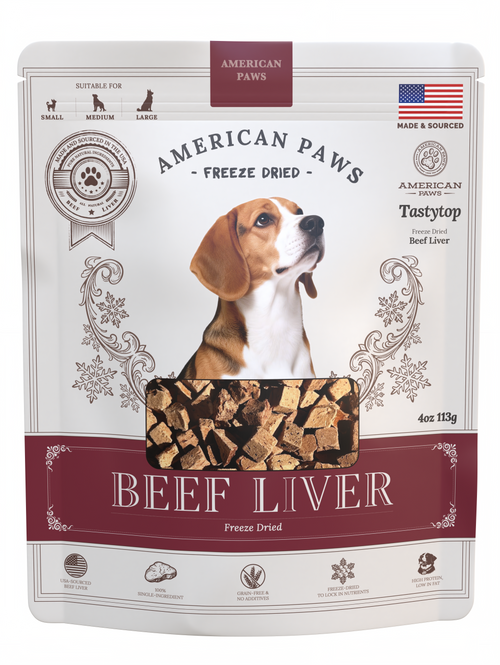

Benefits of beef liver for dogs start with nutrient density: beef liver is naturally rich in vitamin A, iron, vitamin B12, and copper, so a tiny piece can feel very rewarding to a dog. It can be an excellent training treat in moderation, but the moderation part matters because liver is also very rich in vitamin A.
The simple rule is to treat beef liver like a high-value reward, not a second dinner. Keep liver and other treats to a small share of daily calories, introduce it slowly, and ask your veterinarian for guidance if your dog is a puppy, pregnant, on a restricted diet, or dealing with a health condition.
Is beef liver good for dogs?
Yes, beef liver can be good for many healthy dogs when it is fed in small amounts. It is a real meat organ, not a filler, and it has a strong aroma that makes it especially useful for training. Dogs that ignore ordinary biscuits may pay attention when the reward is a small piece of freeze-dried liver.
The key is context. Beef liver is nutrient-dense, which is exactly why it works so well as a reward. That also means you do not need much. A few tiny pieces can be enough for a training session, especially when the treat is cut or broken into smaller bits.
The benefits of beef liver for dogs
A natural source of vitamin A, iron, B12, and copper
Beef liver is sometimes described as nature's multivitamin because it contains several nutrients dogs use as part of normal nutrition. Vitamin A supports normal vision, skin, and immune function. Iron is involved in healthy red blood cell function. Vitamin B12 supports normal nerve and blood cell function. Copper is a trace mineral that plays a role in connective tissue and iron metabolism.
Those nutrients are useful, but they are not a reason to overfeed liver. Vitamin A is fat-soluble, which means excess amounts can build up over time. VCA Animal Hospitals notes that pets should not receive multiple forms of vitamin A in a way that could create toxic levels. That is why liver belongs in the treat category, not the main-bowl category.
A high-value, high-protein training treat
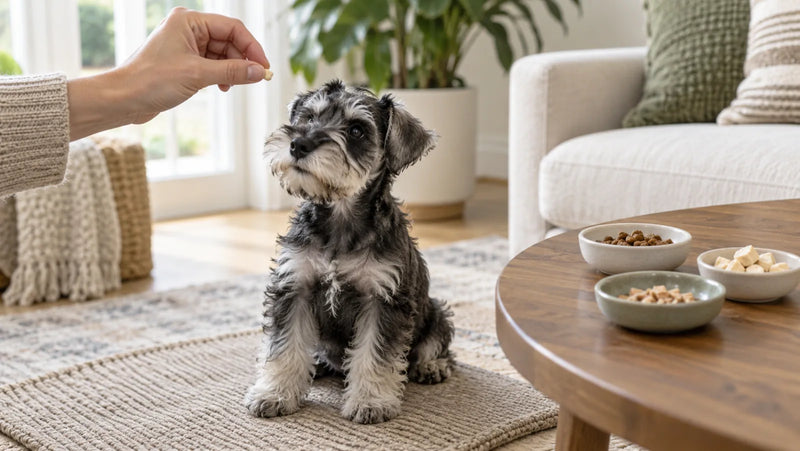
Many dogs find liver extremely motivating. That makes it useful for recall practice, focus work, grooming cooperation, crate games, and other moments when you need a reward that matters. Because the aroma is concentrated, you can usually use very small pieces and still get your dog's attention.
If you are comparing treat types for training, our guide to dog training treats explains why small, high-value rewards are easier to use than large snacks that slow the session down.
Single-ingredient and easy to understand
A clean beef liver treat is easy to evaluate because the ingredient list is short. American Paws freeze-dried beef liver training treats are made from USA beef liver only. There are no grains, fillers, artificial preservatives, or mystery proteins added.
That simplicity is useful for pet parents who want fewer variables. If your dog has known allergies or medical needs, you still need veterinary guidance, but a single ingredient makes it easier to understand exactly what you are feeding. For the wider safety picture, see whether dogs can eat beef liver.

How much beef liver can a dog have?
There is no single perfect amount for every dog because size, diet, activity level, and health history all matter. A practical starting point is the common treat guideline: treats, including liver, should generally stay under about 10% of daily calories. The rest should come from complete and balanced food.
For small dogs, that may mean one or two tiny pieces during a session. Medium dogs may handle a few more. Large dogs can usually receive more by weight, but they still do not need handfuls. If you train frequently, break pieces smaller instead of feeding more pieces.
Watch your dog, too. Rich treats can upset some stomachs if introduced too quickly. Start with a small amount, wait to see normal stool and normal appetite, then adjust gradually.
Fresh vs freeze-dried beef liver
Fresh liver can be messy, perishable, and easy to over-portion. It also requires safe handling and cooking decisions in the kitchen. Freeze-dried liver is different: the moisture has been removed, the pieces are shelf-stable, and the texture is easier to carry in a treat pouch.
Freeze-drying helps preserve aroma and nutrients without turning the treat into a cooked biscuit. For training, that matters. You can keep a small bag by the door, use pieces on walks, and reward quickly without handling raw organ meat.
American Paws beef liver is made in the USA in a USDA-inspected facility in Highland, California. That gives the treat a clear source and a practical format for everyday rewarding.
Why beef liver works so well for training
Training rewards need to be fast, small, and exciting. Beef liver fits that job because the smell is strong and the pieces can be broken smaller without losing value. A dog does not need a large cube to understand the reward; a pea-size piece can be enough for a sit, recall, nail-trim pause, or loose-leash check-in.
This is also where liver's richness becomes an advantage. Instead of feeding a bowl full of treats, you can use tiny rewards that still feel special. That keeps the session moving and helps you stay closer to the 10% treat guideline.
Which dogs should go easy on liver?
Some dogs should have liver only with veterinary guidance. That includes puppies, pregnant dogs, dogs on prescription diets, dogs with liver disease, dogs with kidney disease, dogs with pancreatitis, and dogs with any condition where minerals, calories, or fat-soluble vitamins need closer management.
Liver is not medicine, and it should not be used to treat a deficiency or health problem unless your veterinarian has told you to. It is a treat. For most pet parents, the safest mindset is simple: choose a clean liver treat, feed tiny portions, and keep the overall diet balanced.
How to serve beef liver treats
Start small. Give one tiny piece, then wait. If your dog does well, use liver for moments when you really want focus. Break larger cubes into training-size pieces. Keep water available. Seal the bag after use so the treat stays fresh and aromatic.
For daily training, rotate rewards. You might use liver for hard tasks and lighter rewards for easy repetitions. If you are looking for other meat-based options, compare the American Paws beef collection and our guide to high-protein dog treats.
Frequently asked questions
Is beef liver good for dogs every day?
It can be used regularly in tiny amounts for many healthy dogs, but it should not become a large daily serving. Because liver is rich in vitamin A, moderation matters.
How much beef liver can a dog eat?
Use the treat guideline as a starting point: keep treats, liver included, under about 10% of daily calories. Ask your veterinarian for a dog-specific amount if your dog has special needs.
Can puppies have beef liver?
Puppies may be able to have very small pieces, but ask your veterinarian first. Puppies need balanced growth nutrition, so treats should be limited.
Is freeze-dried beef liver better than cooked?
For training convenience, freeze-dried liver is usually easier. It is shelf-stable, lightweight, and already portioned into small rewards.
Can too much liver hurt a dog?
Yes. Too much liver can add too many calories and too much vitamin A over time. If your dog eats a large amount at once or acts unwell, contact your veterinarian.
Choose a small reward with a clear label
Beef liver can be a powerful training reward because it is rich, aromatic, and easy for dogs to notice. The best version is simple: one ingredient, clear sourcing, and small portions. Used that way, freeze-dried beef liver can support better training without turning treat time into overfeeding.