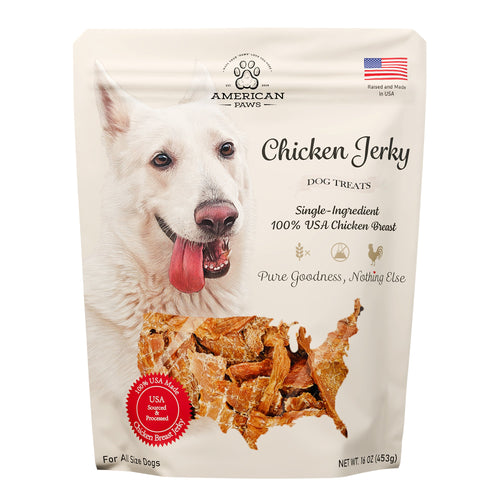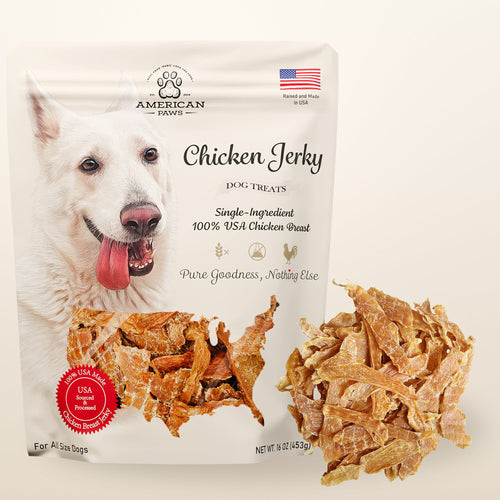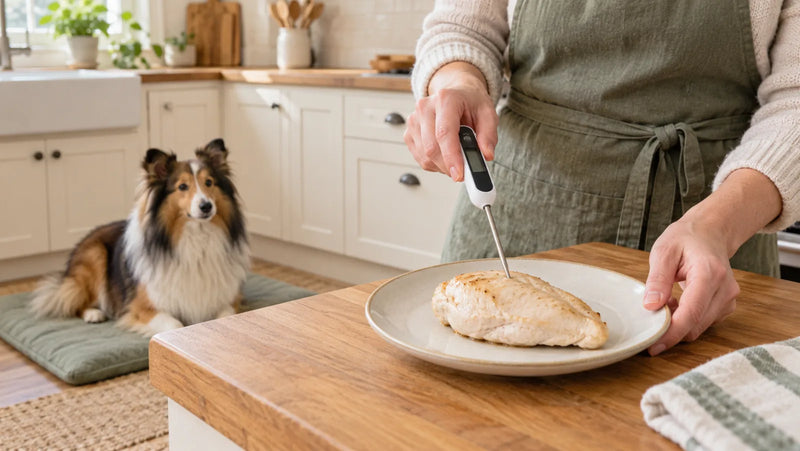

Chicken paws for dogs are another name for chicken feet. They are a natural, single-ingredient chew made from the foot of the chicken, and dehydrated chicken paws can be a crunchy, satisfying reward when they are served in moderation and under supervision.
The main appeal is simple: chicken paws naturally contain connective tissue, including glucosamine and chondroitin, and the dehydrated texture gives dogs something interesting to chew. They are not a medical treatment, and they are not right for every dog, but for many adult dogs they can be a practical, high-value chew.
What are chicken paws for dogs?
Chicken paws are chicken feet. Some sellers use the word paws because it sounds more familiar to pet parents, while others use feet because that is the standard product name. In everyday dog treat language, the two terms usually point to the same thing: a cleaned, dried chicken foot offered as a chew.
American Paws uses the product handle dehydrated chicken feet, but shoppers may search for dehydrated chicken paws, chicken paw treats, or chicken feet chews. The product is the same style of single-ingredient chew.
Are chicken paws good for dogs? The benefits
Natural joint-supporting nutrients
Chicken paws naturally contain cartilage and connective tissue. That is why people often talk about glucosamine and chondroitin when they discuss chicken feet. These compounds are commonly associated with joint support, and the AKC explains that glucosamine is often paired with chondroitin in dog joint-support products.
That does not mean a chicken paw cures arthritis or replaces veterinary care. It means the chew naturally contains components pet parents recognize. If your dog has joint pain, mobility changes, or a medical diagnosis, talk with your veterinarian instead of relying on treats.
Dental crunch from a natural chew
The crunchy texture can help give dogs a satisfying chewing experience. Chewing may help scrape some buildup from teeth, but it is not a replacement for brushing, professional dental cleanings, or veterinary dental advice. Think of chicken paws as a chew with texture, not a dental cure.
A single-ingredient, high-value chew
A good chicken paw treat should not need a long ingredient list. American Paws chicken feet are made from one ingredient: chicken feet. There are no grains, fillers, artificial preservatives, or mystery proteins added. That makes the treat easy to understand and easy to compare with complicated chew formulas.

Chicken paws vs chicken feet: is there a difference?
For dog treats, there is usually no meaningful difference. Chicken paws and chicken feet refer to the same basic part. The difference is mostly wording. If a product is properly dehydrated, made from chicken feet only, and sized appropriately for your dog, the name on the package matters less than the quality of the sourcing and processing.
This distinction matters for search because many pet parents type one term and expect answers for the other. If you want the broader safety article, read our guide: can dogs eat chicken feet?
Dehydrated vs raw chicken paws
Dehydrated chicken paws are dried to remove moisture and create a shelf-stable chew. Raw chicken paws are different. Raw poultry can carry bacteria, requires careful handling, and is not a comfortable choice for every household. If you are deciding between raw and dehydrated, the dehydrated option is usually the simpler route for everyday treating.
Cooked chicken bones are a separate issue. Do not feed cooked chicken bones, because they can splinter. If you are worried about bone safety, read our article on whether chicken bones are safe for dogs. For a deeper raw-specific discussion, see can dogs eat raw chicken feet?
How to serve chicken paws to your dog
Serve chicken paws one at a time and supervise closely. Give your dog space to chew, but stay nearby. Remove the chew if your dog tries to swallow it whole, breaks off a piece that seems too large, or becomes frantic. Fresh water should always be available.
For small dogs, one paw may be a lot, so offer it less frequently and watch how they chew. Medium dogs may do well with one supervised chew as an occasional treat. Large dogs may handle the size more easily, but they still need supervision because gulping is a behavior issue, not only a size issue.
Introduce slowly. The first time, offer a short supervised session and see how your dog's stomach responds. Rich chews can cause loose stool in some dogs if introduced too quickly.
How often can dogs have chicken paws?
Use chicken paws as an occasional chew, not an unlimited snack. A few times per week may fit some healthy adult dogs, while other dogs need less. Calories, chewing style, and stomach tolerance all matter. Treats and chews should generally stay under about 10% of daily calories.
If your dog is overweight, has pancreatitis, has dental disease, has a history of choking, or is on a special diet, ask your veterinarian before adding chicken paws.
What to watch for while your dog chews
The safest chew session is boring in the best way: your dog settles down, works on the paw slowly, and does not try to swallow it whole. Stay close the first few times so you can learn your dog's style. Some dogs are careful chewers. Others are gulpers, and gulpers may need a different treat format.
Stop the session if the chew becomes small enough to swallow whole, if your dog starts guarding it, or if the texture seems too hard for your dog's teeth. Afterward, check for normal stool and appetite. That simple observation tells you whether the chew agrees with your dog.
How to choose safe chicken paws
Look for a short label first. The ingredient should be chicken feet and nothing else. Then check sourcing and processing. USA-made treats give you clearer traceability, and proper dehydration gives you a shelf-stable chew without raw handling.
American Paws chicken feet are made in the USA and dehydrated in a USDA-inspected facility in Highland, California. If you want to compare chicken-based treats, browse the American Paws chicken collection.
Who should skip chicken paws?
Chicken paws are not ideal for every dog. Dogs that gulp, dogs with weak or painful teeth, very young puppies, dogs with digestive issues, and dogs with diet restrictions may need a different reward. Senior dogs vary: some enjoy a crunchy chew, while others do better with softer treats.
When in doubt, choose a smaller, softer training reward and ask your veterinarian. A treat only works if it fits the dog eating it.
Frequently asked questions
Are chicken paws safe for dogs?
Dehydrated chicken paws can be safe for many adult dogs when they are properly made, served in moderation, and supervised. They are not right for dogs that gulp or have dental problems.
How many chicken paws can a dog have a week?
It depends on the dog. Many pet parents use them as occasional chews, not daily food. Keep total treats under about 10% of daily calories and adjust for size.
Are dehydrated chicken paws better than raw?
For most households, dehydrated chicken paws are easier and cleaner. Raw poultry requires stricter handling and can carry bacterial risk.
Can puppies have chicken paws?
Ask your veterinarian first. Puppies have changing teeth and specific nutrition needs, so many do better with tiny training treats instead of hard chews.
Do chicken paws really help a dog's joints?
They naturally contain glucosamine and chondroitin, which are associated with joint support, but they are not a treatment for joint disease. Ask your vet about mobility concerns.
Choose a simple chew and supervise it well
Chicken paws can be a useful natural chew because they are simple, crunchy, and interesting to dogs. The best choice is a USA-made, single-ingredient, properly dehydrated product served one at a time with supervision. That keeps the benefit of the chew without pretending it is more than it is.