
How to use a dog food topper: start with your dog's regular complete meal, add a small measured sprinkle on top, mix lightly, and watch how your dog responds. A topper should make the bowl more appealing without replacing the food that provides the main nutrition.
The best topper routine is boring in a good way: same bowl, small amount, clear ingredient, slow introduction, and no guessing. That matters for picky dogs, senior dogs, and any dog whose stomach does better when changes are gradual.
How to use a dog food topper in 5 simple steps
If you already know what a dog food topper is, the next question is practical: how do you add it without overdoing it? Use this five-step routine as the default, then adjust based on your dog's size, appetite, and stool quality.
Step 1: Start with the regular meal
Put your dog's normal complete-and-balanced food in the bowl first. This keeps the main meal in charge. The topper is there for aroma, texture, and interest; it is not meant to turn dinner into a different diet.
This is especially important for dogs on carefully chosen kibble, weight-control food, or veterinary diets. If your dog is on a prescription diet, ask your veterinarian before adding anything new, including a simple topper.
Step 2: Measure a small amount
Use a spoon, scoop, or the package directions instead of pouring freely. Start with less than you think you need. A light dusting of aromatic topper can be enough to make the bowl interesting, especially when the topper is made from real meat.
For small dogs, that may mean only a pinch. For larger dogs, it may still be a modest spoonful rather than a thick layer. The goal is repeatable portion control, not a one-time feast.
Step 3: Sprinkle, mix, or rehydrate
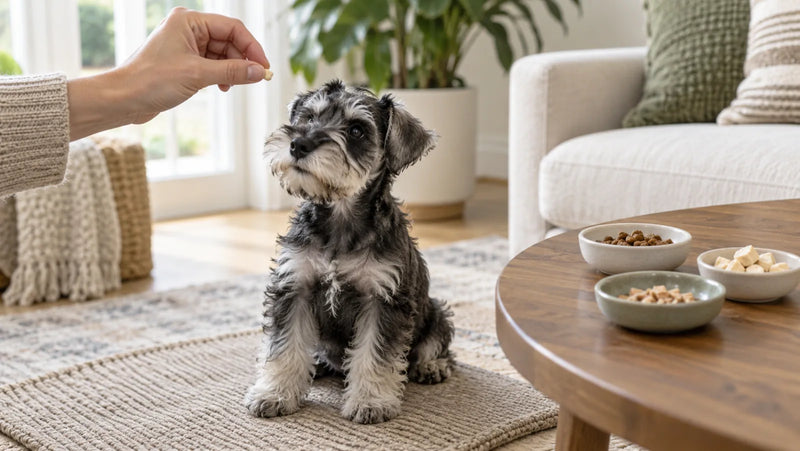
For many dogs, sprinkling a dry topper over the top of the bowl works well. If your dog only eats the top layer and leaves the kibble, mix the topper lightly through the upper part of the food so the aroma is spread out.
You can also add a small splash of warm water to a dry topper to lift the smell and soften the texture. Warm water is usually enough. Avoid salty broths, seasoned sauces, butter, gravy, onion, garlic, or human leftovers with hidden ingredients.
Step 4: Serve and remove leftovers
Serve the meal as you normally would. If you add water, treat the bowl like fresh food. Pick up leftovers after the meal instead of leaving moistened food out for hours.
Dry topper sprinkled on dry kibble is easier for travel and slower eaters, but once moisture is added, freshness matters more. Clean the bowl regularly so smell and residue do not build up.
Step 5: Watch stool, appetite, and weight
Any new food can change a dog's stool, even when the ingredient is simple. Watch for loose stool, vomiting, itching, reduced appetite, or unusual tiredness. If your dog reacts poorly, stop the topper and go back to the normal meal.
Also watch weight over time. Toppers, treats, chews, and table scraps all count as extras. A dog can gain weight from small daily add-ons if nobody is tracking them.
How much dog food topper should you use?
Use the feeding directions on the topper package first. If you are introducing a new topper and do not have exact instructions from your veterinarian, begin with a very small amount and increase only if your dog handles it well.
A practical rule is to keep all extras modest. Treats, toppers, chews, and table scraps should not crowd out the complete meal. If you use treats heavily for training, keep the mealtime topper lighter that day.
For picky dogs, more topper is not always better. Too much can teach the dog to wait for a richer bowl, or to eat only the most exciting pieces. A consistent small portion is usually smarter than changing the amount every time your dog hesitates.
Should you serve a topper dry or wet?
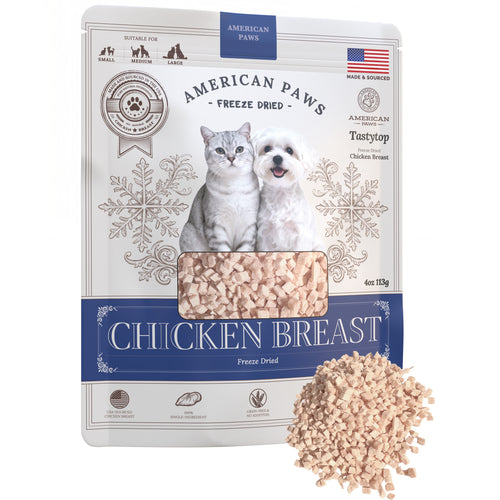
Dry and wet both work, but they solve different problems. A dry freeze-dried topper is simple, shelf-stable, and easy to sprinkle. It adds aroma and texture without changing the whole bowl.
Adding warm water can help when a dog responds to stronger smell, needs a softer texture, or eats too quickly and benefits from a slightly more mixed meal. Use just enough water to moisten the topper and top layer of food. You do not need to soak the whole bowl unless your dog prefers that texture.
If your dog has dental pain, sudden appetite changes, or trouble chewing, do not assume texture is the only issue. Call your veterinarian, especially if the change is new.
How to use meal toppers for picky dogs
Dog food toppers for picky eaters work best when the routine stays calm. Put the meal down, give your dog a reasonable amount of time, and avoid turning dinner into a negotiation. If you keep adding better and better extras, many dogs learn to hold out.
Start with one clear topper and one base food. Do not change the kibble, add wet food, add table scraps, and open a new chew all in the same week. If your dog has a sensitive stomach, our guide to how to introduce new treats to dogs gives a slower method that also applies to toppers.
If your dog is a normal picky eater, a real-meat aroma can help make the bowl more rewarding. If your dog suddenly refuses meals, loses weight, vomits, has diarrhea, seems painful, or acts unusually tired, treat that as a health signal and call your veterinarian.

How to use toppers for puppies, seniors, and sensitive stomachs
Puppies need balanced growth nutrition, so extras should be small and introduced carefully. Ask your veterinarian before adding toppers often, especially for very young puppies or puppies with soft stool.
Senior dogs may appreciate aroma and softer texture. A dry topper can be moistened with warm water if chewing is harder than it used to be. New appetite loss in an older dog deserves a veterinary check, though; a topper should not hide a health problem.
Dogs with sensitive stomachs need the slowest approach. Use one protein at a time, keep the amount tiny at first, and avoid changing several foods together. Our guide to dog treats for sensitive stomachs explains why simple, limited-ingredient choices are easier to evaluate.
What not to do with kibble toppers for dogs
Do not use a topper to replace a complete meal unless the product is specifically labeled as complete-and-balanced. Most toppers are supplemental, which means they are useful in small amounts but not designed to supply every nutrient every day.
Do not cover the bowl with salty gravy, heavily seasoned meat, cooked bones, onion, garlic, fatty scraps, or sweet sauces. Dogs do not need human-style flavor to enjoy dinner, and some common kitchen ingredients are unsafe for them.
Do not keep switching toppers every time your dog pauses at the bowl. If the dog learns that waiting brings a new flavor, the habit can get worse. Keep the routine measured and predictable.
Why a simple chicken topper works well
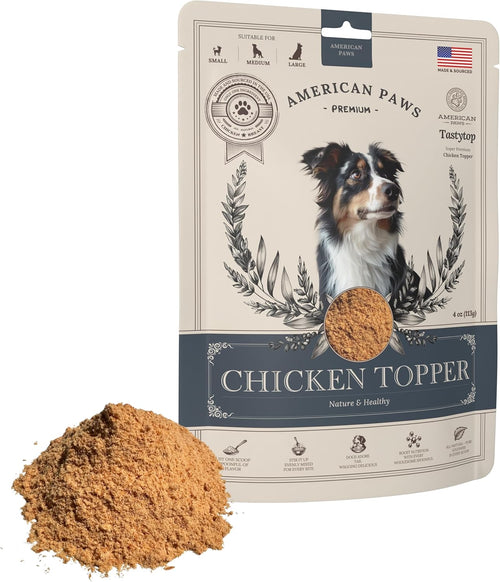
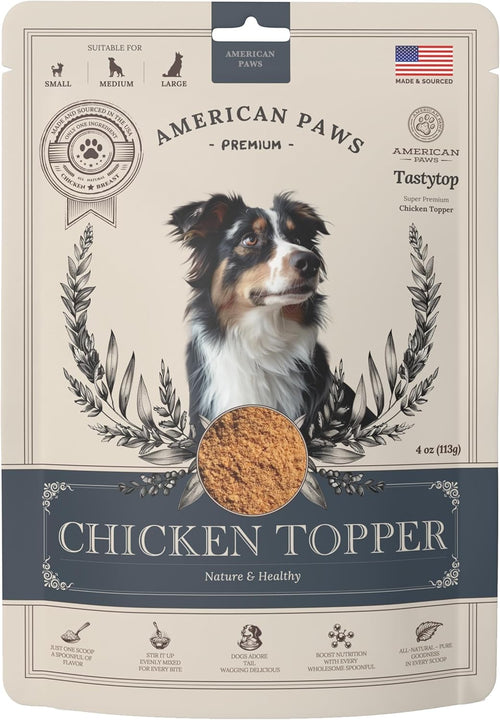
A simple chicken topper works because many dogs recognize real chicken aroma quickly. American Paws chicken meal topper is made from freeze-dried USA chicken breast and ground into crumbles for sprinkling over regular food. It is single-ingredient, grain-free, and made in the USA.
Because it is dry, it is easy to measure, store, and take along when traveling. Use it over kibble, mix it into the top layer, or moisten a small amount with warm water. It also pairs naturally with the broader American Paws chicken collection if your dog already does well with chicken.
If your main challenge is motivation outside the meal bowl, compare topper use with reward treats in our guide to the best dog treats for picky eaters. Some dogs need meal aroma; others need a high-value training reward. The jobs are related, but the portions and timing are different.
Frequently asked questions
Can I use a dog food topper every day?
You can use a topper daily if your dog handles it well and the amount stays modest. Count it with the day's other extras and keep the regular complete meal as the base.
Do I mix the topper in or leave it on top?
Either method can work. Leave it on top if your dog eats the full bowl. Mix it lightly into the upper layer if your dog tries to pick off only the topper.
Can a topper replace dog food?
Usually no. Most toppers are supplemental and should not replace complete-and-balanced dog food unless the product is specifically formulated and labeled as a complete diet.
How long can moistened topped food sit out?
Do not leave moistened food out for hours. If you add water or wet ingredients, pick up leftovers after the meal and wash the bowl.
What if my dog only eats the topper?
Use less topper, mix it more thoroughly, and keep the routine consistent. If your dog refuses the base food repeatedly or suddenly loses appetite, ask your veterinarian.
Keep the routine measured and repeatable
A good topper should make meals easier, not more complicated. Start with your dog's regular food, add a small measured amount, introduce it slowly, and watch the response. If you want a simple chicken option, try American Paws chicken meal topper as a clear, repeatable way to add real-meat aroma without taking over the bowl.