
The best treats for kittens are tiny, simple, meat-forward bites that are easy to chew and easy to portion. Treats should be a small supplement to complete kitten food, not a replacement for the food that supports growth.
That simple rule matters because kittens are not just small adult cats. They are growing quickly, learning routines, testing textures, and sometimes showing sensitive digestion while their diet changes. A good kitten treat should make training easier without making the bowl, stomach, or calorie math harder.
Best treats for kittens: the quick checklist
If you want a fast answer, look for kitten treats that meet this checklist:
- Tiny pieces: small enough for a kitten to chew without gulping.
- Simple ingredients: ideally one clear animal protein, especially when you are testing what your kitten handles well.
- High aroma: a little real meat smell goes a long way for training.
- Low mess: easy to carry, break, and serve in small amounts.
- No unsafe seasonings: avoid onion, garlic, heavy salt, sugar, sauces, and rich table scraps.
- Supplemental use only: treats should not crowd out complete kitten food.
The best choice is not always the fanciest one. For many kittens, a single-ingredient freeze-dried chicken piece broken into tiny bits is more useful than a complicated soft treat with a long label.
When can kittens start having treats?
Most kittens should be settled on an age-appropriate complete kitten food before treats become a regular routine. If your kitten is very young, underweight, recently adopted, sick, recovering from parasites, or dealing with loose stool, ask your veterinarian before adding extras.
For healthy older kittens, treats can be introduced slowly. Start with one small piece, then wait and watch. A kitten does not need a handful of treats to learn that a sound, carrier, nail trim, or name recall is rewarding. One tiny bite can be enough.
The key is timing. Use treats during short training moments, not as a free-feeding snack bowl. Kittens learn quickly when the reward arrives right after the behavior you want.
What makes a kitten treat safer?
A safer kitten treat is easy to chew, easy to identify, and easy to limit. That means the shape, ingredient list, and portion size matter more than marketing language on the front of the bag.
Tiny pieces that are easy to chew
Kittens have small mouths and short attention spans. Large chunks encourage chewing struggles, dropping food, or gulping. Break treats into pieces about the size of a pea or smaller. For very small kittens, go even smaller.
Dry, brittle treats can work well if they crumble cleanly. Very hard pieces, chewy slabs, or big jerky strips are better saved for adult cats or broken down before serving.
Simple animal protein
Cats are obligate carnivores, so meat-forward treats usually make more sense than grain-heavy sweets or human snack foods. A simple chicken treat is easy to understand: you know what protein your kitten is trying, and you can stop quickly if the kitten does not handle it well.
Simple does not mean unlimited. Even a clean protein treat still counts as an extra. The job is reward, bonding, and training, not replacing balanced kitten nutrition.
No onion, garlic, salt, sugar, or rich table scraps
Human food is where many treat mistakes start. Seasoned chicken, deli meat, gravy, buttery scraps, fried foods, and sauced leftovers may smell exciting, but they bring ingredients kittens do not need.
Plain is better. If you offer chicken, choose a treat made for pets or use a plain, unseasoned option approved by your veterinarian. Avoid raw chicken as a casual treat; the FDA warns that raw pet foods can carry bacteria such as Salmonella and Listeria, which can affect pets and people handling the food.
Freeze-dried kitten treats: why they work well
Freeze-dried kitten treats are useful because they are light, aromatic, shelf-stable, and easy to break into training-sized bits. They can deliver the smell of real meat without a wet, messy texture.
For kittens, that matters. You can keep a few tiny pieces nearby for carrier practice, gentle handling, brushing, nail-trim prep, or recall games. You can also crumble a small amount over food for a picky kitten, but keep that habit measured so the kitten does not learn to wait for bigger and bigger upgrades.
Our guide to freeze-dried chicken for cats benefits goes deeper on the format. For this kitten guide, the short version is simple: freeze-dried chicken is practical when the piece size is small and the ingredient list is clear.

How many kitten treats should you give?
Keep treats modest. The AAFCO consumer guidance on treats and chews explains that treats are generally not intended to be complete and balanced nutrition. The FDA gives similar guidance for treats, snacks, and supplements: they are typically not meant to be the sole diet.
That is the main portion rule. Your kitten's complete kitten food does the nutritional work. Treats sit around the edges.
For practical daily use, start with one or two tiny pieces during a training session. If you use several rewards, make each reward smaller. A single freeze-dried chicken cube can often be broken into many kitten-sized rewards.
Watch the whole day, not just one moment. Treats, toppers, samples, and bits from the table all add up. If your kitten eats less of the main food after treats, reduce the extras.
How to introduce a new kitten treat
Introduce one new treat at a time. Do not change the main food, add a new topper, open three treat bags, and test a new supplement in the same week. If your kitten gets soft stool or vomits, you will not know which change caused it.
Use this simple routine:
- Offer one tiny piece after a normal meal or during a calm training moment.
- Wait and watch appetite, stool, scratching, vomiting, and energy.
- If all looks normal, use a few tiny pieces the next day.
- Keep the amount consistent instead of increasing every time your kitten asks.
If your kitten reacts poorly, stop the treat and return to the normal food routine. Call your veterinarian if symptoms are strong, repeated, or paired with low energy, dehydration, blood in stool, or appetite loss.
Best ways to use treats with kittens
Kitten treats are most valuable when they teach something useful. A few intentional rewards can make everyday care easier for years.
Name recognition and recall
Say your kitten's name once, then reward when the kitten looks or comes toward you. Keep sessions short. Two minutes is plenty. The goal is a happy association, not a long obedience drill.
Carrier practice and handling
Place a tiny treat near the carrier, then inside it, then farther back over several sessions. You can use the same idea for gentle paw touches, brushing, and being picked up briefly. Reward calm cooperation and stop before the kitten gets frustrated.
Puzzle feeding and picky eating
A few crumbs can make a puzzle feeder more interesting. For picky kittens, a tiny crumble over the regular food can add aroma, but do not let the treat take over the meal. If picky eating is sudden or severe, treat it as a health signal and call your veterinarian.
For more training-specific ideas, read our guide to training treats for cats. Adult cats and kittens use the same reward logic, but kittens need smaller pieces and more careful portions.
What treats should kittens avoid?
Avoid treats that are too large, too hard, heavily seasoned, sugary, greasy, or built around ingredients you cannot easily identify. Also avoid bones, cooked bones, raw meat scraps, dog chews, and any treat your kitten tries to swallow whole.
Be careful with dairy. Many people picture kittens with milk, but dairy can upset some cats' digestion. It is not necessary for treat training.
Do not use treats to hide ongoing appetite loss. A kitten that stops eating, loses weight, seems painful, has repeated vomiting or diarrhea, or acts unusually tired needs veterinary help, not a more exciting snack.
Why American Paws freeze-dried chicken fits the kitten checklist
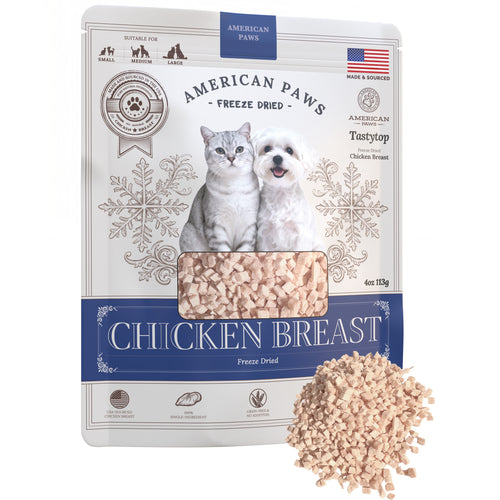
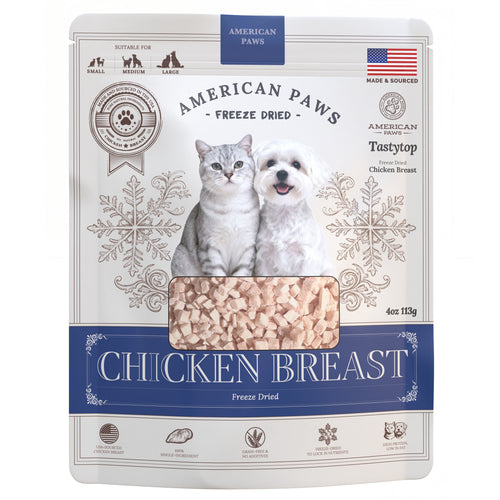
American Paws freeze-dried chicken treats for cats and kittens fit this guide because they start with a clear ingredient: USA chicken breast. The pieces are light and easy to break into tiny rewards for training, carrier practice, or a small food crumble.
They are made in the USA in a USDA-inspected facility in Highland, California, and they are a natural fit for kittens who do well with chicken. Because the treat is simple, it is easier to evaluate than a long mixed-ingredient snack when you are still learning your kitten's preferences.
If your household also has dogs or adult cats, the broader American Paws chicken collection can help keep proteins consistent across pets while still portioning each treat for the animal in front of you.
Frequently asked questions
Can kittens have cat treats?
Many kittens can have cat treats once they are eating complete kitten food reliably, but the pieces should be very small and introduced slowly. Ask your veterinarian for very young kittens or kittens with health concerns.
Are freeze-dried treats safe for kittens?
Freeze-dried treats can be a good option when they are made for pets, stored correctly, broken into tiny pieces, and used as a small supplement. Choose simple ingredients and supervise your kitten while eating.
Can kittens eat chicken treats?
Yes, many kittens can eat plain chicken treats if they tolerate chicken well. Avoid seasoned chicken, fatty scraps, raw chicken, and pieces that are too large to chew comfortably.
How small should kitten treats be?
Think pea-sized or smaller. For tiny kittens, crumble treats even smaller. The reward should be quick to chew so training stays focused and safe.
Can treats replace kitten food?
No. Treats are supplemental. Your kitten's complete kitten food should remain the main diet because growth requires balanced nutrition.
Choose tiny, simple rewards and keep the main food first
The best kitten treat routine is simple: choose a clear ingredient, break it small, introduce it slowly, and use it for short moments that matter. If you want a clean chicken option, start with American Paws freeze-dried chicken, crumble it into tiny kitten-sized pieces, and keep the complete kitten food doing the main nutritional work.