
Dogs should not be served sugar cookies. If you are asking, “Can dogs eat sugar cookies?” after one tiny accidental crumb of a verified plain, xylitol-free cookie, poisoning is unlikely in an otherwise healthy adult dog, although stomach upset is still possible. A full cookie, an unknown bakery recipe, a whole plate or an added ingredient such as xylitol, chocolate, raisins or macadamia nuts requires a different response.
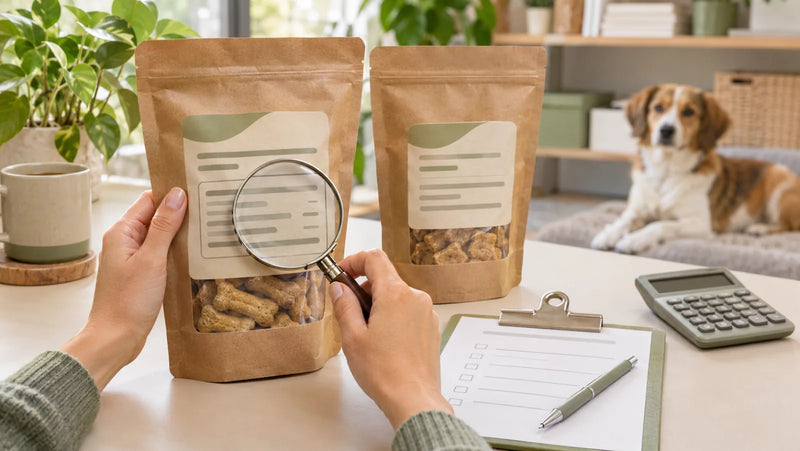
The cookie's name is not enough. Check the package or complete recipe, the type and quantity missing, your dog's weight, the time of the theft, any wrapper or parchment that disappeared and every symptom. Sugar-free frosting can be more urgent than an ordinary sugary cookie, while a raisin cookie has a separate kidney risk.
Can Dogs Eat Sugar Cookies? The Recipe Decides the Risk
A classic plain sugar cookie is usually built from flour, ordinary sugar, butter or shortening, egg and flavoring. None of that makes it a useful dog treat. The cookie is calorie-dense, rich and easy to overeat, and individual dogs may have dietary restrictions or ingredient sensitivities. Still, one tiny verified plain crumb is a different exposure from a sugar-free iced cookie or a chocolate-and-raisin holiday cookie.
Use four gates before deciding what happens next:
- Recipe: can you verify every ingredient in the dough, frosting, filling and decoration?
- Amount: was it a crumb, one cookie, several cookies or a missing tray?
- Dog: what does the dog weigh, and is the dog a puppy, very small, symptomatic or managing diabetes, pancreatitis, food allergy, GI disease or a veterinary diet?
- Extras: did the dog also swallow foil, plastic wrap, parchment, ribbon, a cookie bag or a gift-box insert?
If any answer is uncertain, call rather than trying to classify the cookie from its appearance.
Read the Ingredient List Before You Judge the Cookie
| Cookie or exposure | Main concern | Next step |
|---|---|---|
| One tiny crumb of a verified plain, xylitol-free cookie | Sugar, fat, calories and possible stomach upset | Remove access; contact the veterinarian if the dog has a medical restriction or develops symptoms |
| Sugar-free dough, icing or decoration | Possible xylitol | Check every ingredient and call immediately if xylitol is present or the recipe is unknown |
| Chocolate chips, cocoa or chocolate icing | Theobromine and caffeine exposure | Call for a risk assessment with the type, amount, dog weight and time |
| Raisins, sultanas or Zante currants | Possible acute kidney injury | Call immediately; do not wait for vomiting or reduced urination |
| Macadamia pieces | Species-specific toxicity in dogs | Call a veterinarian or animal poison service |
| Several rich cookies or a whole tray | Large sugar/fat load plus any hidden add-ins | Call with the full recipe and missing quantity, even if the base seems plain |
| Unknown bakery cookie or mixed platter | Unverified dough, frosting, filling and decoration | Treat the ingredients as unknown and call |

Holiday platters often contain several recipes that look similar from above. A plain cutout, an iced cutout and a filled or chip-studded cookie can share one tin. Count each type separately and photograph the remaining assortment for the veterinarian or poison specialist.
Ordinary Sugar Is Not Xylitol
Ordinary table sugar is not the same chemical as xylitol and does not cause the rapid insulin-driven poisoning associated with xylitol in dogs. That distinction prevents two opposite mistakes: treating an ordinary crumb as xylitol poisoning, or assuming a sugar-free cookie is harmless because it contains less ordinary sugar.
The FDA's xylitol warning lists sugar-free baked goods among the products that may contain the sweetener. It also notes names including wood sugar, birch sugar and birch bark extract. Read the ingredient list all the way through rather than searching only for the word “sugar.” A bakery employee's memory is not a substitute for the written recipe when an exposure has already happened.
A confirmed ordinary sugar cookie is still a poor routine reward. Sugar and fat add calories without making the cookie a complete food, and a whole cookie can consume a large share of a small dog's extras budget. Dogs with diabetes or another diet-responsive condition need their veterinary team's plan, not a general holiday-food rule.
Xylitol in Frosting or Dough Is an Emergency
Xylitol can trigger a rapid insulin release in dogs, producing profound low blood sugar; some exposed dogs also develop liver injury. FDA says signs can begin quickly and may include vomiting, weakness, difficulty standing, shaking, seizures or collapse. A dog can need care before the household sees those signs.
If a cookie, frosting, decoration or filling lists xylitol—or if a sugar-free recipe cannot be confirmed—call a veterinarian, emergency clinic or animal poison service immediately. Bring the package or recipe and the remaining product. The clinician needs the dog's weight, estimated amount and time and should assess the exposure from those facts.
Do not induce vomiting unless the veterinarian or poison specialist gives case-specific instructions. Pet Poison Helpline's current emergency instructions explicitly advise against home antidotes and unsupervised vomiting. A weak, shaking, collapsing or seizing dog needs immediate emergency transport, not a kitchen treatment.
For the focused toxicology, symptom timeline and call preparation, use the guide to xylitol poisoning in dogs. The broader toxic foods for dogs guide helps check the rest of a mixed holiday plate.
Chocolate Chips, Cocoa and Raisins Need Their Own Triage
Chocolate risk depends on the exact type and amount
Chocolate contributes the methylxanthines theobromine and caffeine. The Merck Veterinary Manual's chocolate review explains that concentration varies substantially by chocolate type and that clinical effects can include vomiting, restlessness, abnormal heart rhythm, tremors and seizures. Cocoa powder, baking chocolate and dark chocolate generally carry more methylxanthine than milk chocolate, but the correct action still depends on the exact product, amount and dog.
Do not subtract the flour and sugar from the cookie and guess at the chocolate dose. Save the recipe or package and call with the full exposure. The dedicated chocolate exposure guide for dogs explains the type-and-amount information the clinician will ask for.
Raisins and currants can injure a dog's kidneys
Raisins, sultanas and Zante currants are dried grapes. Merck's grape and raisin toxicosis review links exposures in some dogs with GI signs and kidney failure, with variable tartaric-acid content helping explain why a cookie count cannot clear an individual dog.
Call promptly for any raisin or grape exposure instead of waiting to see whether the dog vomits. The grape and raisin exposure guide covers the kidney warning and the details to collect for the veterinarian.
Frosting and Rich Cookies Can Cause Trouble Without a Classic Toxin
Not every frosted cookie contains xylitol. Once the ingredient list rules it out, the next questions are the amount and richness. Butter, shortening, cream cheese, heavy icing and a large stolen quantity can cause vomiting or diarrhea. The FDA's holiday pet-hazard guidance also warns that rich, fatty foods can contribute to pancreatitis, a painful condition that needs veterinary care.
The risk is not determined by frosting color or the number of sprinkles. Check what made the icing, filling and decoration. Macadamia pieces are a dog toxin; the ASPCA's people-food safety list describes weakness, incoordination, vomiting, tremors and overheating among possible signs. Coconut, dairy and nuts may add fat or GI concerns even when they are not the main poison in the recipe.
Call the dog's regular or emergency veterinarian after a large rich-food theft, repeated vomiting, marked lethargy, a painful or tense abdomen, refusal to eat, diarrhea that persists, or any decline. A dog with a history of pancreatitis, diabetes, GI disease, food allergy or a veterinary-prescribed diet needs individualized advice even when the recipe is plain.
What to Do If Your Dog Ate Sugar Cookies
- Remove access. Move the tray, crumbs, gift box and trash out of reach. Separate the dog from other holiday food.
- Save evidence. Keep the package, bakery label, full recipe and ingredient containers. Photograph the remaining cookies and missing spaces.
- Count by type. Record how many plain, frosted, chocolate, raisin, nut-filled or unknown cookies may be missing. Include broken pieces.
- Record the dog and timing. Write down current weight, age, medical conditions, medications, prescribed diet, earliest and latest possible exposure times and symptoms.
- Check nonfood items. Note missing plastic, foil, parchment, ribbon, toothpicks, gift-box padding or desiccant packets.
- Call the right help. Contact a veterinarian, emergency clinic or animal poison service for any toxic or unknown ingredient, a large amount, missing packaging, symptoms or a medically vulnerable dog.
- Follow the case instructions. Do not improvise peroxide, salt, oil, milk, charcoal, food or medication. Bring the evidence and case number if the dog is sent to a clinic.
The ASPCA advises callers to note the amount consumed before contacting the veterinarian or poison center. Exact information can change the triage, but a missing detail should not delay the first call. Say what is known and what remains uncertain.
A Whole Tray Is Different From One Plain Crumb
A tray concentrates every part of the recipe: sugar, fat, sodium, flavorings and any toxic add-ins. The same theft may include several cookie types, so “they were mostly plain” is not enough if even one xylitol, chocolate or raisin cookie is missing. Small dogs and puppies receive more food relative to body size, while an underlying condition can narrow the margin for a rich-food exposure.
Packaging adds another decision. Plastic film, foil, ribbon, parchment, gift-box padding and cookie cutters do not become safe because food was attached to them. Report what is missing and whether the dog is gagging, repeatedly vomiting, drooling, unable to keep water down, painful or unusually quiet. Do not pull visible material from deep in the mouth or rectum.
Call even if the dog still looks normal when the ingredient or quantity creates concern. Xylitol can act rapidly, while signs from other exposures may take time. Early professional triage is more useful than a home waiting period.
Watch for Symptoms After a Verified Plain-Cookie Crumb
Home observation applies only after the recipe and tiny amount are confirmed and no veterinarian or poison specialist has advised an examination. Keep ordinary food and water routines unless the dog's care team says otherwise. Do not add another rich snack to “settle the stomach.”
Contact the veterinarian for vomiting, diarrhea, appetite loss, unusual thirst or urination, abdominal discomfort, restlessness, marked sleepiness, weakness, wobbliness, tremors, collapse, seizures, breathing changes or an abnormal heartbeat. These signs overlap across several exposures and do not identify the ingredient by themselves.
The absence of early symptoms does not clear xylitol, chocolate, raisins or an unknown recipe. Those exposures remain call-now decisions. Observation is for the narrow verified-plain-crumb scenario, not a substitute for toxicology advice.
Choose a Dog-Specific Holiday Treat Instead
If baking is part of the celebration, use a recipe designed for the dog rather than adapting the family's dough at the last minute. The guide to Christmas cookies made specifically for dogs keeps toxic ingredients out and treats the result as an extra, not a meal. The Christmas dinner foods dogs can and cannot eat guide covers the rest of the table.
The 2025 WSAVA feeding-treats guide says treats should remain below 10% of daily calorie intake and should not replace a complete and balanced meal. That ceiling includes training rewards, table tastes, holiday recipes, dental chews and food used for medication—not 10% for each category. Use the daily dog-treat calorie guide to combine them.
Mixed holiday dishes deserve the same recipe-first habit. Review why deviled eggs are a mixed-recipe problem for dogs and the workflow for sorting Thanksgiving leftovers for dogs. For a sealed, clearly labeled alternative, browse the current American Paws dog treats and choose a size and ingredient list that fit the individual dog.
Frequently Asked Questions
Can one bite of a plain sugar cookie hurt a dog?
One tiny accidental crumb of a verified plain, xylitol-free cookie is unlikely to poison an otherwise healthy adult dog, but stomach upset is possible and the cookie should not become a serving. Check the complete recipe and amount. Call if the dog is very small, young, symptomatic or has a relevant medical or prescribed-diet restriction.
Is sugar-free frosting safe for dogs?
Do not assume it is safe. Check the full ingredient list for xylitol and its FDA-listed names, including birch sugar, wood sugar or birch bark extract. If xylitol is present or the recipe cannot be confirmed, call a veterinarian or animal poison service immediately.
What if the cookie contains chocolate chips?
Call with the type of chocolate, package or recipe, estimated amount, dog's weight and time of exposure. Dark chocolate, baking chocolate and cocoa generally contain more methylxanthines than milk chocolate, but the veterinarian or poison specialist should assess the actual case.
What if the cookie contains raisins or currants?
Call promptly. Grapes, raisins, sultanas and Zante currants have been associated with acute kidney injury in dogs; variability in the fruit and individual response means a household cookie count cannot rule out risk.
Should I make my dog vomit after eating cookies?
Not without case-specific veterinary or poison-control direction. The correct decision depends on the ingredient, time, symptoms and aspiration risk. Do not give peroxide, salt, oil, milk or another home remedy while waiting.
What should I tell animal poison control?
Provide the dog's weight, age, medical conditions, medications, exact recipe or package, cookie types and number missing, earliest and latest possible exposure time, current symptoms and any missing wrapper or nonfood material. Keep the product available during the call.
Can dogs eat homemade Christmas cookies?
Human Christmas cookies can contain too much sugar and fat or toxic ingredients. Use a dog-specific recipe with ingredients approved for the individual dog, keep the portion inside the shared daily extras budget and ask the veterinary team before offering treats to a dog on a medical diet.
Keep the human cookie tin out of reach and save the recipe whenever an exposure happens. For any possible xylitol, chocolate, raisin, macadamia or unknown-cookie exposure, contact a veterinarian or animal poison service promptly. For celebration, choose a dog-specific recipe or a clearly labeled dog treat instead.